





Continental Folk Art Figure
A continental folk art figure brings hand-carved character and religious devotion straight into a room, offering centuries of regional European history.
Continental Folk Art Figure
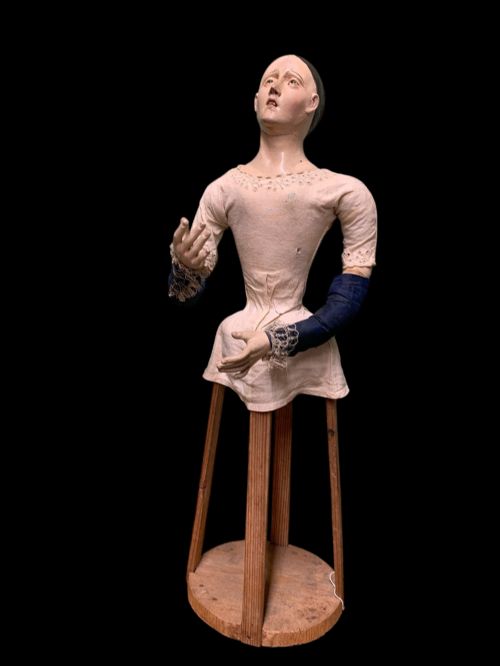
When you search for a continental folk art figure, you encounter hand-carved wooden sculptures originating from various European regions. These pieces span several distinct eras, notably the seventeenth, eighteenth, and nineteenth centuries, reflecting diverse cultural traditions.
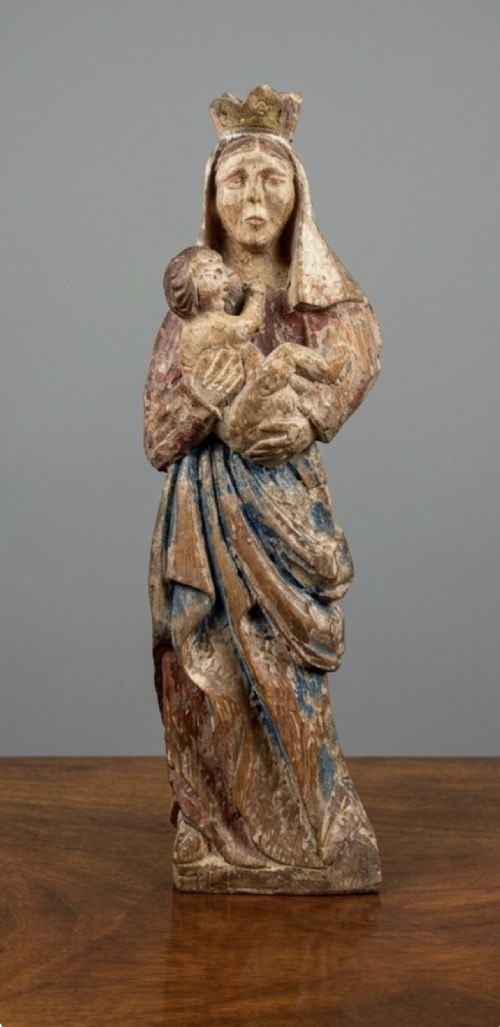
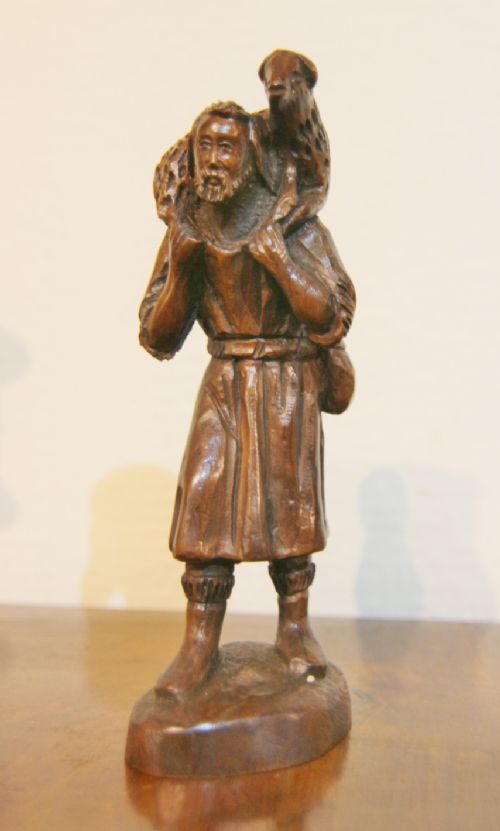
Religious sculptures and figurative carvings dominate the selection, depicting figures such as Mary and Jesus, Saint Nicholas, Saint Roche, and Christ. Alongside sacred subjects, you also find secular representations like shepherds, flower sellers, and carousel horses.
How they were made
Maker's workshops relied primarily on wood, utilising both hardwood and oak as the foundational medium for carving these three-dimensional figures. Craftsmen shaped the timber using hand tools to create detailed drapery, facial expressions, and anatomical forms.
Many surfaces received a layer of gesso followed by polychrome paint and gold leaf to add colour, depth, and ornamentation. This applied polychromy has survived the centuries in varying states, showing the original decorative scheme.
Continental Folk Art Figure Retail Price Guide 2026
Typical asking prices for continental folk art figure among the pieces listed under this phrase on Sellingantiques today, from the lower quarter to the upper quarter. They describe what is for sale here now, not the wider market.
The listings feature wooden and polychrome figures spanning the seventeenth, eighteenth, and nineteenth centuries.
What varies in quality
The skill of the carver dictates the liveliness and anatomical proportion of each figure, distinguishing simple rural workshop output from more accomplished regional sculpture. Finer pieces capture naturalistic movement in clothing and expressive depth in the faces.
The preservation of the original polychrome paint surface influences the visual impact and historical integrity of the piece. Traces of early gesso, pigment, and gold leaf contribute significantly to the character of the surviving sculpture.
The Continental Folk Art Figure Glossary
- Polychrome
- Decorated in multiple colours. This technique was widely applied to wooden sculptures to bring realism and vibrancy to religious and secular figures.
- Gesso
- A plaster mix applied to wood as a smooth base for painting and gilding. It provides a stable surface that holds fine detail.
- Panel
- A flat piece of wood used as a rigid support for paintings. Panels were common substrates for European oil paintings before canvas predominated.
- Gold leaf
- Gold beaten into extremely thin sheets used for gilding surfaces. It highlights specific areas of a carved figure or frame.
Continental Folk Art Figure: Frequently Asked Questions
How were these wooden figures originally used?
Many of these figures served devotional purposes in churches, roadside shrines, or domestic household altars. Saintly sculptures provided focal points for prayer and spiritual protection in local communities.
Secular carvings and carousel pieces fulfilled decorative functions, bringing colour and movement into public or private spaces. Over time, their roles shifted from active religious or decorative objects to collected historical artefacts.
How do I date a carved wooden figure?
Dating relies on examining the tool marks left on the wood, the style of the carving, and the composition of any remaining paint layers. Earlier works from the seventeenth century often display heavier proportions and distinct tool techniques compared to later nineteenth-century pieces.
Comparative analysis with documented regional styles helps narrow down the period. The type of timber and preparation layers like gesso also offer clues to the approximate age of creation.
How do I care for antique wood carvings?
Antique wood carvings require stable environmental conditions away from direct sunlight and sudden temperature shifts. Excessive dryness can cause timber to split, while high humidity threatens surviving polychrome paint.
Dusting should be done gently with a dry, soft brush rather than cleaning cloths that might catch on delicate carved edges. Avoid using chemical polishes or water on surfaces finished with historic gesso and paint.