





Polychrome Wood Folk Sculpture
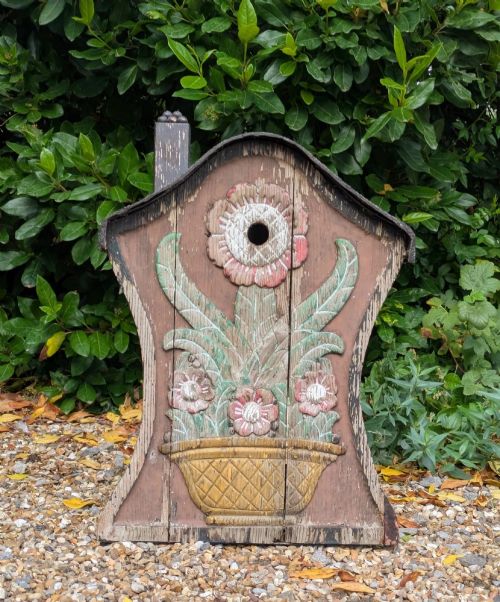
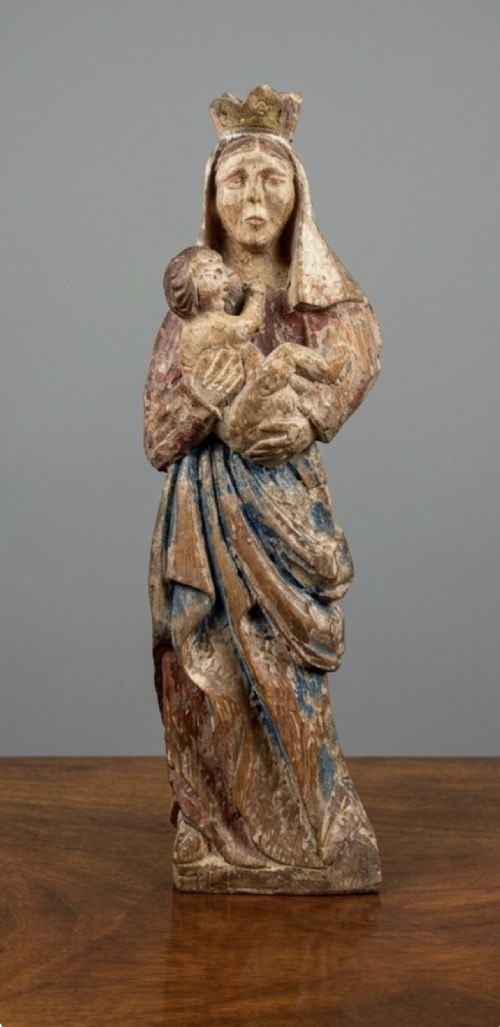
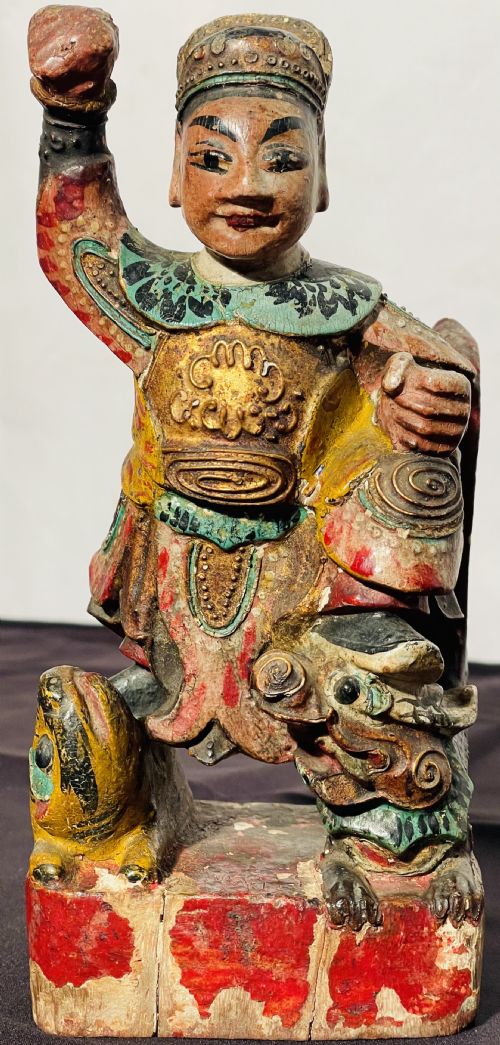
These pieces of polychrome wood folk sculpture bring hand-carved character and original painted surfaces into a room.
Polychrome Wood Folk Sculpture
When you search for polychrome wood folk sculpture, you are looking at carved wooden objects decorated with layered paint, gesso, or gold leaf. These works range from religious statues and trade signs to carousel horses and animal figures.
The pieces you meet most often on this page date from the 17th century through to the early 20th century. They originate from British, European, American, Indian, and Tibetan traditions, reflecting local vernacular styles.
Common forms include human figures such as saints, kings, and tradespeople alongside birds, horses, and whimsical mechanical toys like whirligigs.
How polychrome wood folk sculpture was made
Makers shaped these objects using carved wood, sometimes incorporating iron components or mounting them on brass stands. The primary material was solid timber, hand-carved with chisels and gouges to form the desired shape.
Makers applied gesso as a base layer to smooth the wooden surface before adding polychrome paint or gold leaf. This painted decoration provided both colour and protection, often weathering through decades of handling and use.
Polychrome Wood Folk Sculpture Retail Price Guide 2026
Typical asking prices for polychrome wood folk sculpture among the pieces listed under this phrase on Sellingantiques today, from the lower quarter to the upper quarter. They describe what is for sale here now, not the wider market.
Listings span periods from the 17th century to the 1920s, utilising carved wood, polychrome paint, gesso, gold leaf, and iron.
What varies in quality
The survival of the original painted surface dictates the visual impact of the piece. Untouched polychrome pigment and honest surface wear hold far more character than heavy later repainting.
The Polychrome Wood Folk Sculpture Glossary
- Polychrome
- Decorated in multiple colours. This term describes objects featuring varied painted surface decoration.
- Gesso
- A plaster mix used as a base. Makers applied it to wood to create a smooth surface for painting or gilding.
- Whirligig
- A wind-driven mechanical folk toy. These moving wooden figures animate in the breeze.
- Trade sign
- A functional sculptural marker. Shops displayed these carved figures to advertise their wares to the street.
Polychrome Wood Folk Sculpture: Frequently Asked Questions
Are these figures entirely original?
Many pieces show honest surface wear and patination gained over centuries of existence. Some items retain their original polychrome paint, while others bear traces of historic touch-ups.
Examine the paint layers closely under good light to understand the surface history.
Where should I display folk sculpture?
Keep wooden sculptures away from direct sunlight, radiators, and damp spaces. Stable indoor humidity prevents the timber from splitting.
Place figures on sturdy shelves, tables, or dedicated stands where they can be viewed safely.
What periods do these sculptures span?
The pieces on this page stretch from the 17th century through the 18th and 19th centuries into the early 20th century. Maker dates and stylistic clues help anchor each piece within its era.
Folk traditions persisted across these centuries without rigid adherence to academic fine art rules.