

Painted Wooden Sculptures
When you seek painted wooden sculptures, you find carved figures, birds and trade signs bearing rich pigment and vernacular character.
Painted Wooden Sculptures
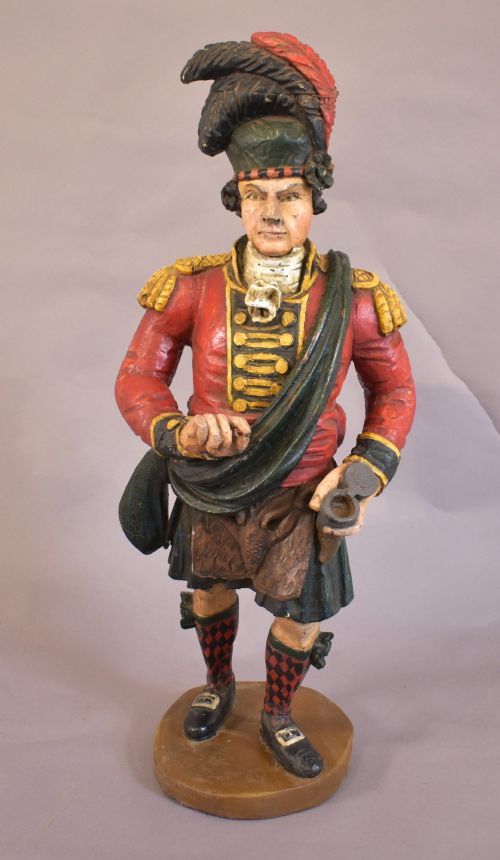
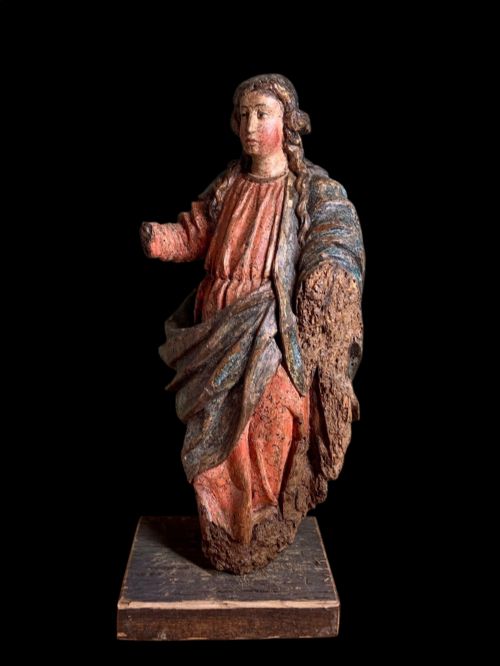
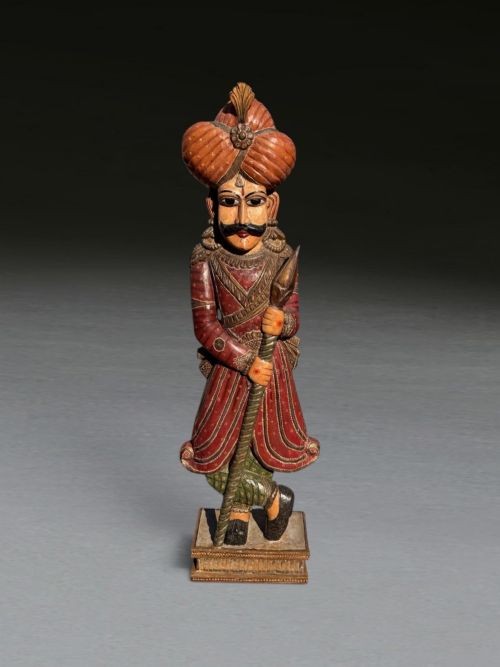
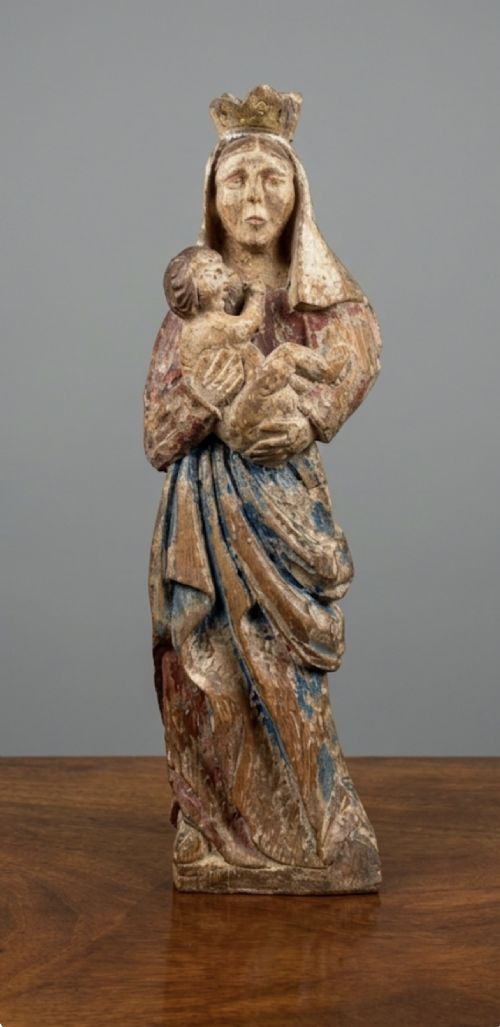
Painted wooden sculptures encompass carved figures, trade signs, animals and architectural reliefs originating from domestic, folk and religious traditions. Buyers searching for painted wooden sculptures encounter everything from early church saints to utilitarian decoy birds and rustic shop displays. Nineteenth-century examples and turn-of-the-century folk pieces dominate the selection, bringing tactile warmth and distinct regional character to interior spaces.
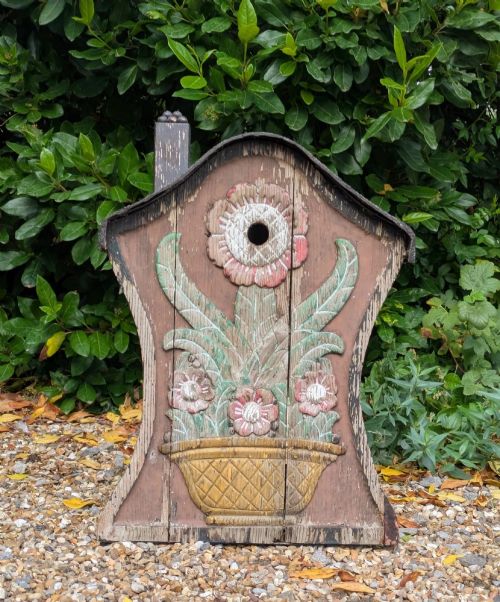
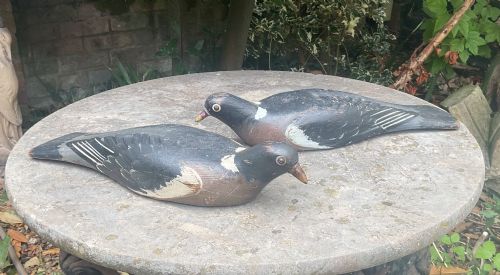
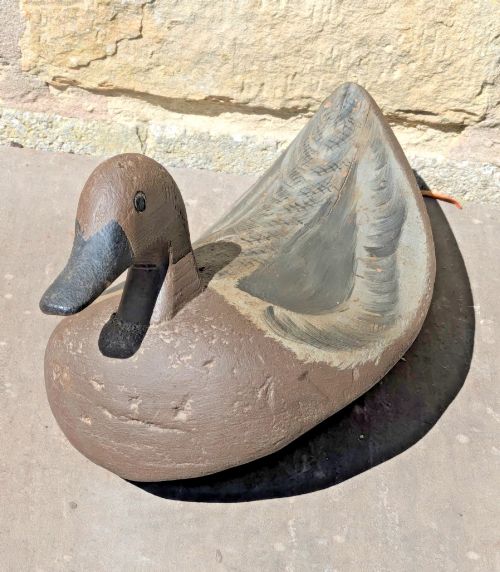
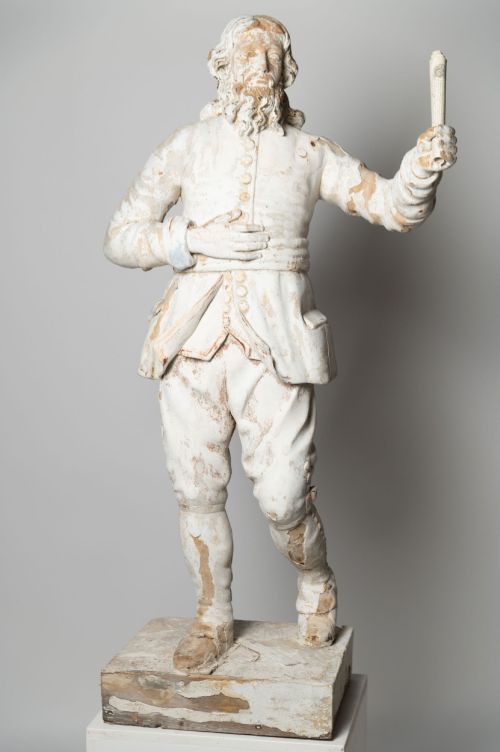
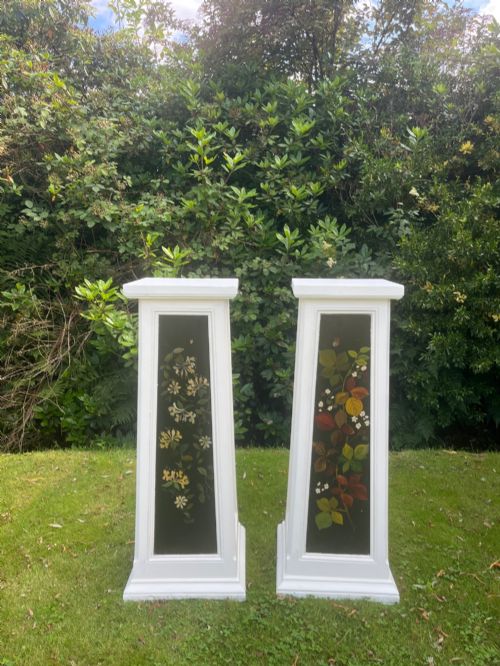
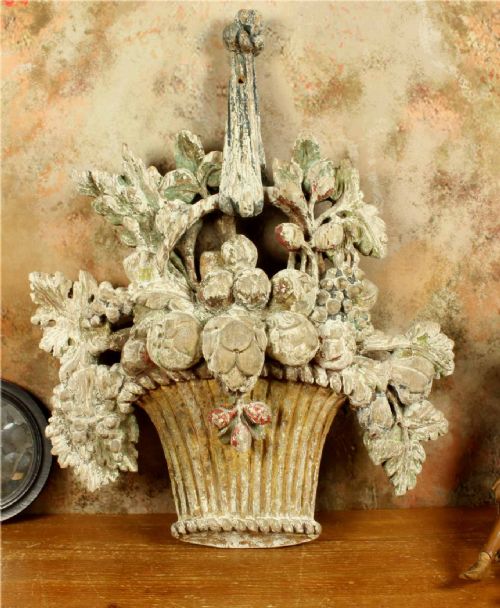
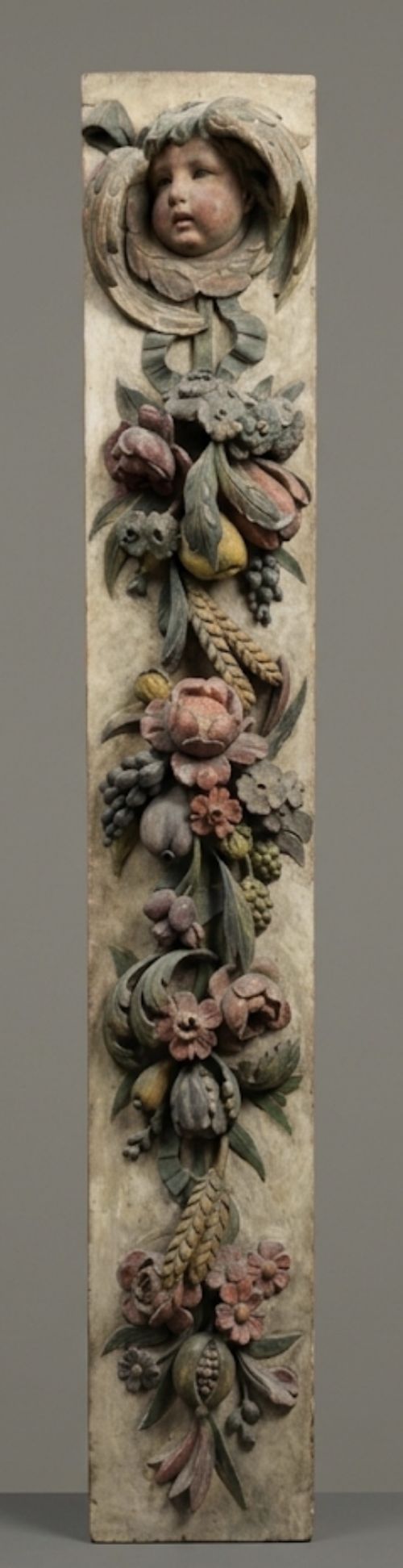
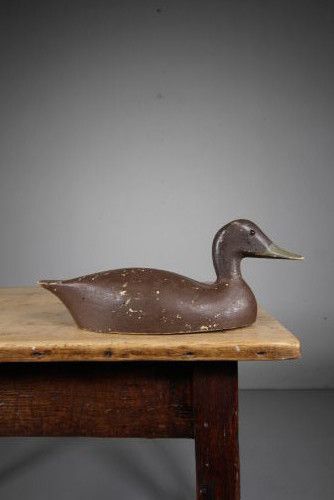
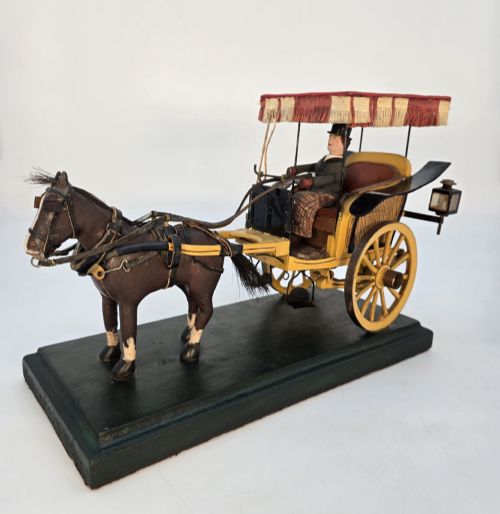
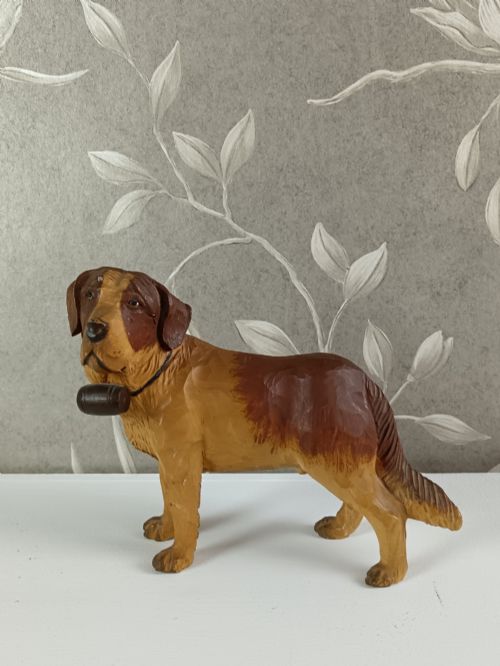
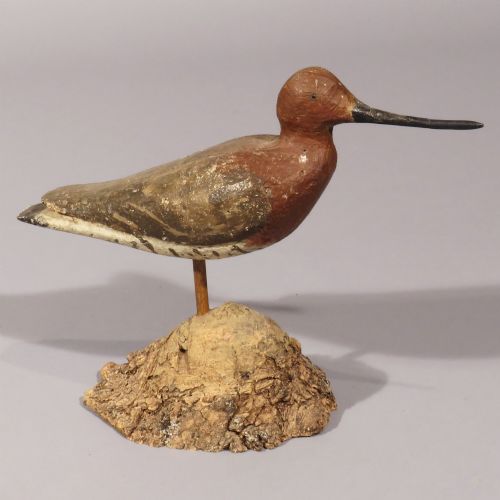
The assortment spans English decoy ducks and pigeons, French shop cattle, Asian elephants, and European figures of saints, noblemen and soldiers. Folk art interpretations sit alongside more formal trade figures, such as American cigar store Indians and butcher signs. Buyers will also find architectural panels, flower carvings and transport models demonstrating vernacular skill.
Dating primarily from the eighteenth through to the early twentieth century, these objects reflect the changing functional and decorative uses of carved timber. Whether selecting a naive rocking horse, an Edwardian shorebird decoy or a baroque religious panel, collectors choose these items for their direct connection to historical craftsmanship and visual storytelling.
How they were made
Artisans carved these objects from various timbers using hand tools, shaping the wood before applying surface decoration. Many pieces rely on softer woods that take incisions easily, while others utilise denser fruitwood or structural elements reinforced with iron components.
Surface finishes rely heavily on polychrome paint, gesso grounds and occasional applications of gold leaf or lacquer to seal and enrich the carved form. Layers of historic paint often build up over decades, preserving the texture of brushwork and the subtle grain of the underlying timber.
Listings feature items spanning the eighteenth century through to the nineteen-forties, executed in carved wood, paint, gesso and iron.
What varies in quality
The strength of the carving distinguishes superior pieces, where anatomical proportion or expressive facial detail reveals an accomplished hand rather than a hasty output. Naive charm has its place, but sculptural depth and confident tool marks elevate certain folk works above standard production.
Surface preservation dictates much of the appeal, particularly the integrity of original polychrome paint layers versus later overpainting. Pieces retaining their genuine surface patination and authentic wear show how time has interacted with the pigment and wood.
The Painted Wooden Sculptures Glossary
- Polychrome
- Painted in several colours. This term describes surfaces decorated with multiple pigments, frequently seen on historic religious figures and folk carvings.
- Gesso
- A plaster mixture used as a smooth base for paint. Artisans applied it to wooden substrates to prepare the ground for fine colour application and gilding.
- Decoy
- A carved model used to attract wildlife. These functional working objects evolved into collectable folk art valued for their simplified forms and weathered surfaces.
- Folk art
- Art produced from an indigenous cultural tradition. These pieces reflect community craft skills rather than academic training, prioritising utility and direct expression.
Painted Wooden Sculptures: Frequently Asked Questions
How do I clean a painted wooden sculpture?
Dust gently with a soft, dry brush to remove surface particles without disturbing fragile paint layers.
Avoid liquid cleaners, moisture and chemical solvents, which can lift historic gesso and pigment from the wood.
Are these sculptures suitable for outdoor display?
Most antique pieces were intended for indoor domestic, retail or sacred environments and lack modern weatherproofing.
Fluctuations in humidity and temperature outdoors will cause timber to split and historic paint to flake rapidly.
How can I tell original paint from later decoration?
Original surfaces show micro-craquelure, natural fading and ingrained dust accumulated consistently across the carved contours.
Under magnification, later overpaint often appears flat, hides natural wear patterns and sits heavily within the tool marks.
What is a trade sign sculpture?
Trade signs were large carved and painted figures or objects mounted outside shops to advertise specific wares.
Examples include tobacconist figures, butcher displays and animal models designed to catch the eye of passers-by.
How do I date a carved wooden figure?
Dating relies on tool marks, timber species, the style of the carving and the chemical composition of underlying paint layers.
Comparison with documented examples from periods like the eighteenth or nineteenth century helps narrow down the origin.