




Ethnic Silk Wall Hanging
An ethnic silk wall hanging brings tactile warmth and striking pattern into a room through historic Central Asian and South Asian textiles.
Ethnic Silk Wall Hanging
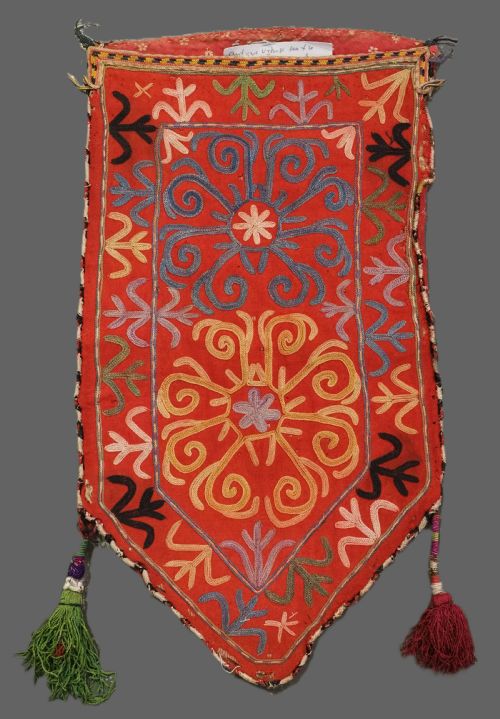
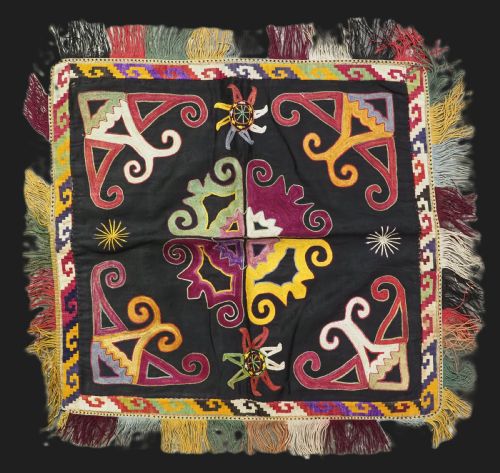
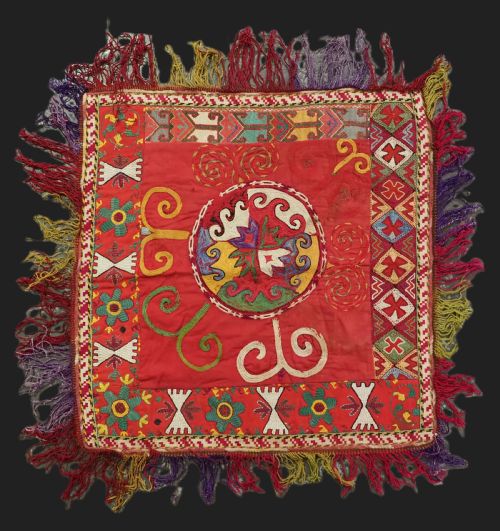
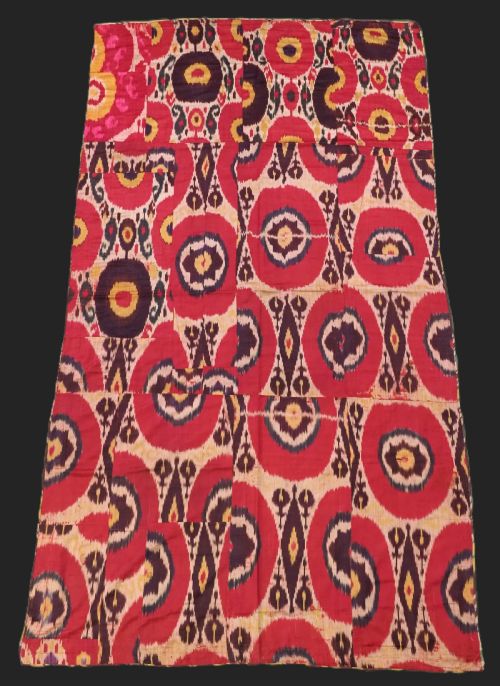
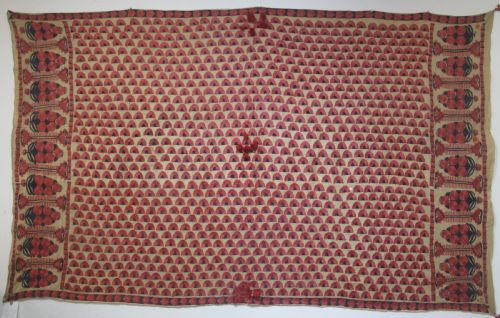
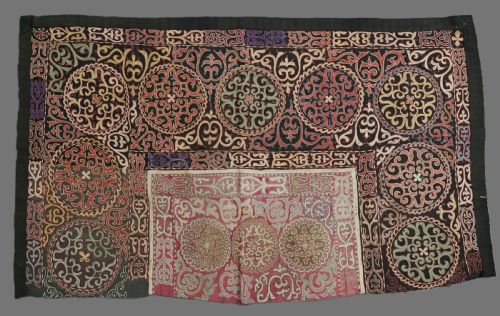
When searching for an ethnic silk wall hanging, collectors encounter traditional Central Asian and South Asian textiles including Suzanis, ikat fabric panels, dowry embroideries, and yurt wall hangings. These items originate from regions such as Uzbekistan, Pakistan, and Kyrgyzstan, spanning periods from the mid-nineteenth century to the early twentieth century.
The most common examples on this page are Uzbek Lakai tribe ilgiches and Suzani embroideries, alongside ceremonial covers and shawls. These textiles were originally created for domestic interiors, dowries, or ceremonial use, carrying rich cultural symbolism in their patterns.
How they were made
These textiles rely primarily on silk thread worked onto cotton or wool grounds, utilising needlework techniques such as chain stitch and surface embroidery. Ikat panels achieve their characteristic blurred patterns through resist-dyeing the warp threads before weaving.
Materials include locally spun cotton, vibrant silk threads, and occasionally wool fringe for structural borders. The combination of natural ground fabrics and richly dyed silk creates depth and varied texture across each piece.
Several horse and saddle covers managed to survive centuries of nomadic travel by doubling as remarkably durable domestic wall art.
What varies in quality
Quality rests upon the fineness of the needlework, the density of the embroidery, and the vibrancy of the dye palette. Full-work Suzanis and complex tribal ilgiches display meticulous execution that distinguishes them from simpler or more sparsely decorated panels.
The integrity of the original ground fabric and the preservation of the silk threads dictate the overall presence of the piece. Balanced composition and complexity in the traditional motifs also separate standard examples from superior works.
The Ethnic Silk Wall Hanging Glossary
- Suzani
- An embroidered textile panel originating from Tajikistan, Uzbekistan, and other Central Asian nations. These large wall hangings typically feature vibrant floral and geometric silk embroidery on a cotton ground.
- Ikat
- A dyeing technique where warp or weft threads are resist-dyed prior to weaving, creating characteristic hazy pattern edges. Silk ikat fabrics were widely used for garments and decorative panels in Central Asia.
- Ilgich
- A specific type of embroidery produced by the Lakai tribe in Uzbekistan, often associated with dowry furnishings. These pieces utilise bold geometric and zoomorphic designs worked in heavy silk thread.
- Torba
- A small storage bag or trapping produced by nomadic and village tribes in Central Asia. They frequently feature intricate tribal embroidery and were used within yurts or domestic spaces.
Ethnic Silk Wall Hanging: Frequently Asked Questions
How were these wall hangings originally used?
These textiles served functional and decorative roles within traditional Central Asian homes, yurts, and nomadic tents. Many functioned as dowry items, bridal furnishings, or ceremonial hangings meant to bless a household.
Over time, families displayed them on interior walls or used them to decorate domestic spaces during celebrations and marriages.
How do I care for a historic silk textile?
Historic silk textiles require protection from direct sunlight to prevent the natural dyes from fading and the silk fibres from degrading. Keep them away from high humidity and heat sources.
Display the hanging by mounting it gently on a padded support or using a specialist conservation method rather than hanging it by direct pinning.
How do I distinguish between a Suzani and an ikat panel?
A Suzani is characterised by hand-stitched embroidery applied to a woven ground fabric, usually cotton or linen. The design is built up thread by thread using specific needlework stitches.
An ikat panel is defined by its woven pattern, created by dyeing the threads before the weaving process takes place, resulting in characteristic soft edges along the colour boundaries.
How can I tell the age of a textile?
Dating relies on examining the types of dyes used, the spin and quality of the cotton or wool ground, and the traditional motifs characteristic of specific periods. Natural colour palettes and hand-spun threads generally point to older nineteenth and early twentieth-century examples.
Stylistic conventions and regional variations also help place a piece within a specific era of Central Asian production.