




Etched Glass Paraffin Lamp
An etched glass paraffin lamp brings nineteenth-century illumination into a modern room through cut, frosted, and tinted shades paired with sturdy metal or ceramic bases.

Etched Glass Paraffin Lamp
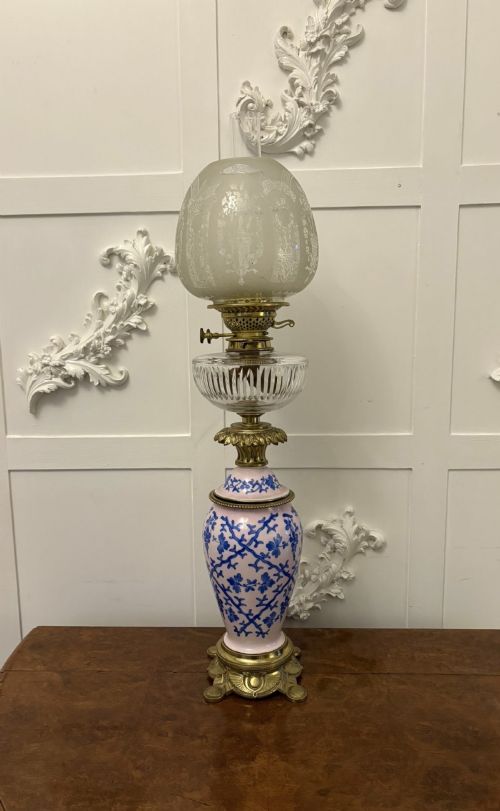
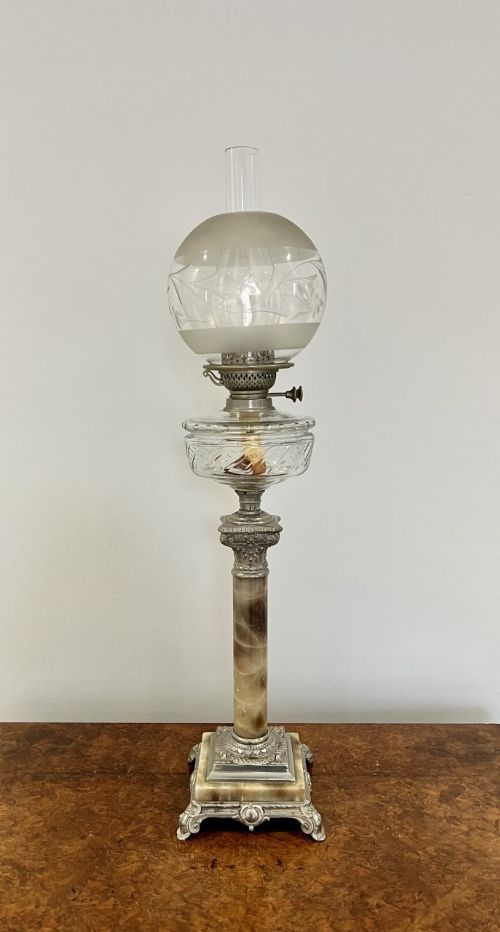
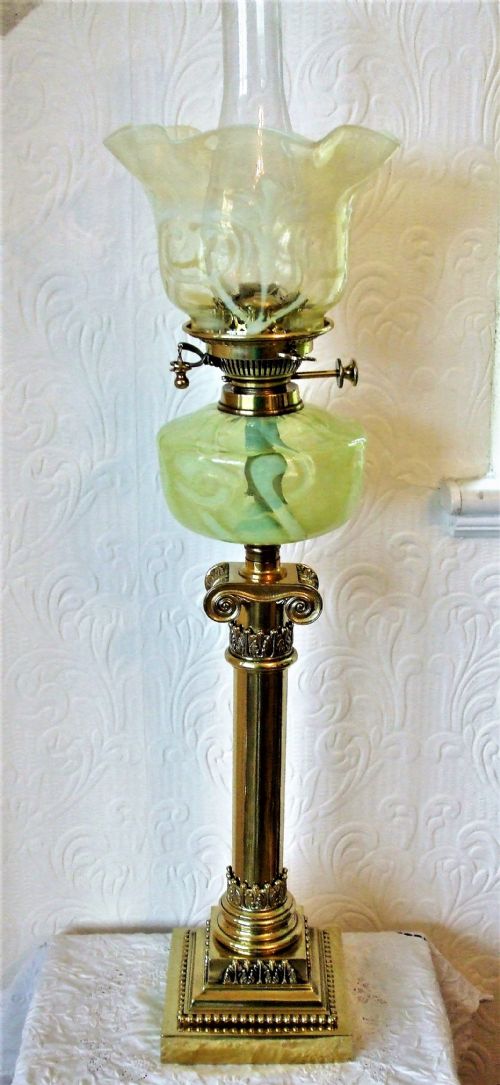
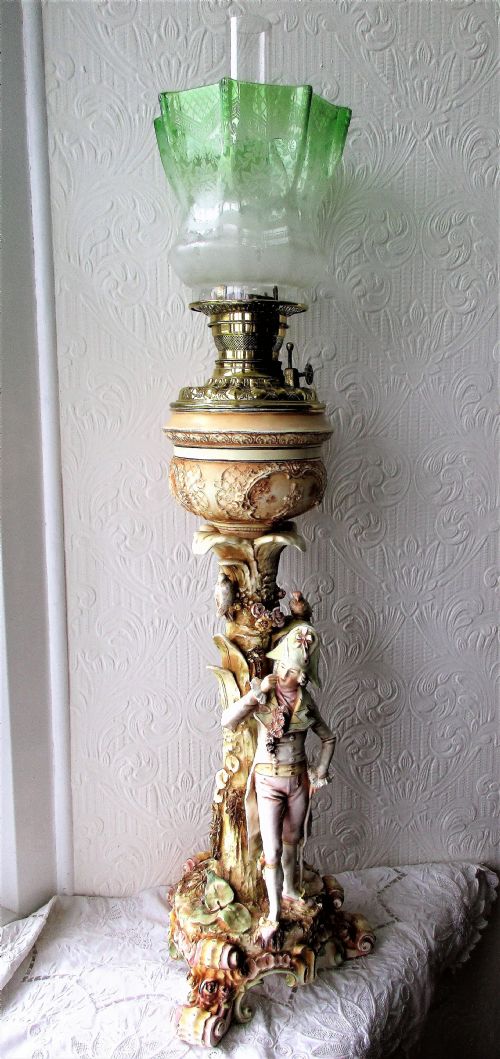
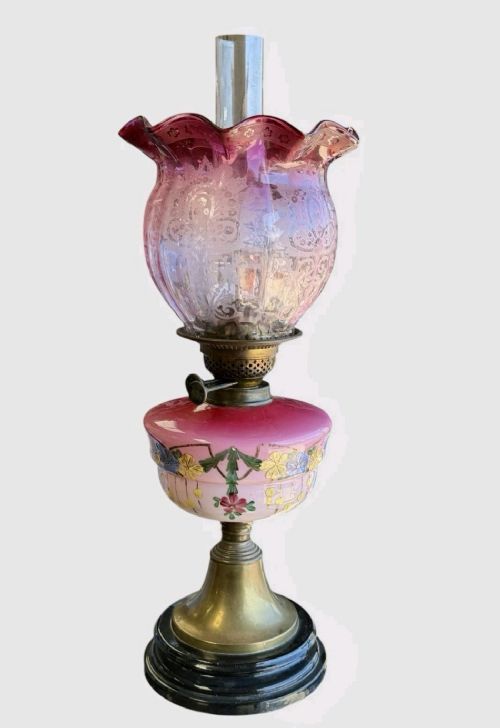
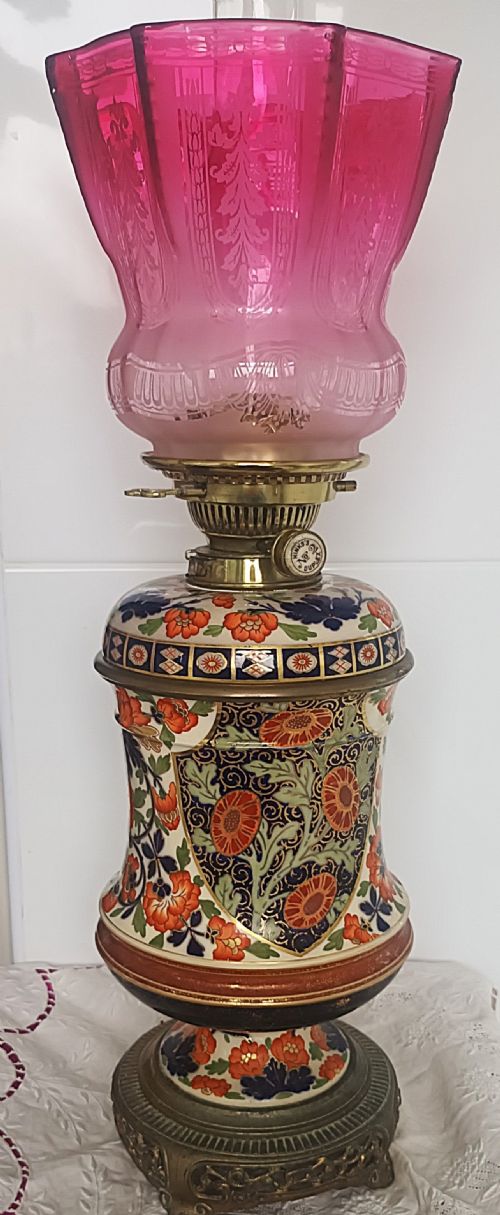
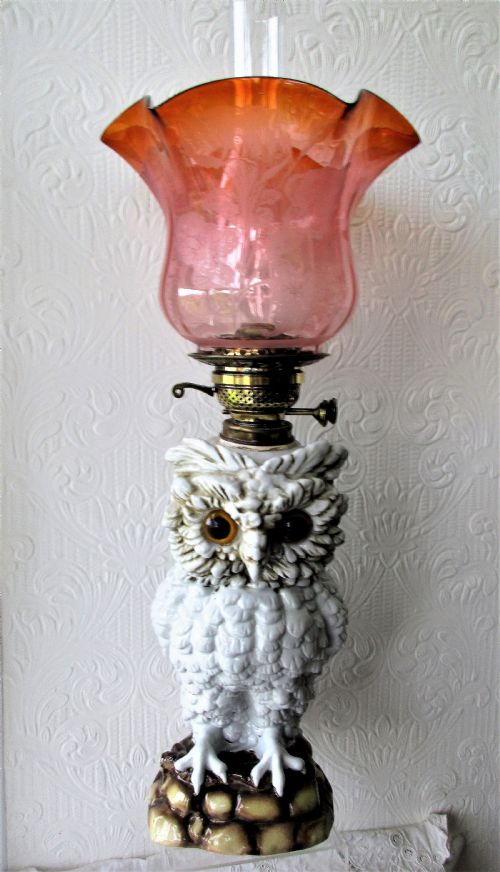
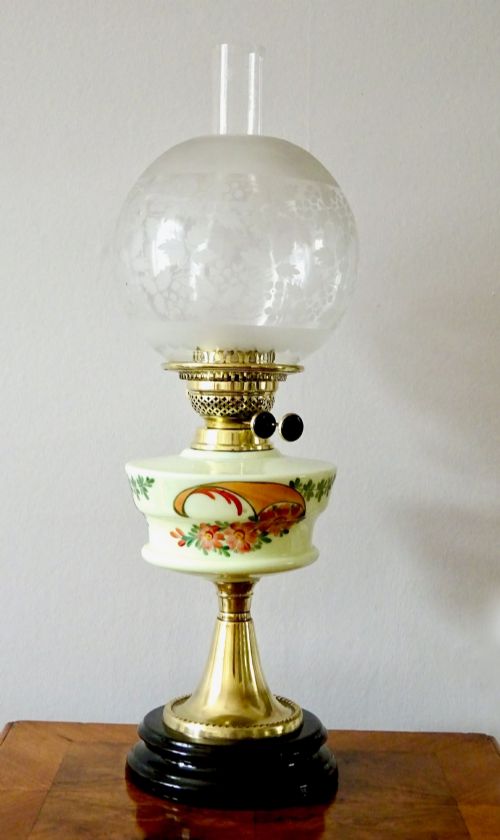
An etched glass paraffin lamp is primarily a nineteenth-century lighting fixture designed for domestic use during the Victorian and Edwardian eras. When you examine the options on this page, you encounter forms that range from simple brass column designs to elaborate figural and porcelain structures.
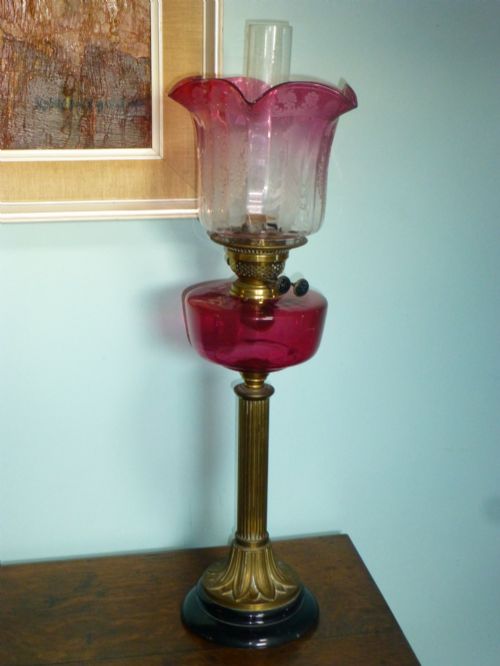
The most common survival pairs a metal or ceramic column with a decorated glass font and a matching tulip-shaped shade. These pieces draw on styles such as Victorian Classical Revival, French Rococo Revival, and Edwardian design, reflecting the diverse tastes of their original makers.
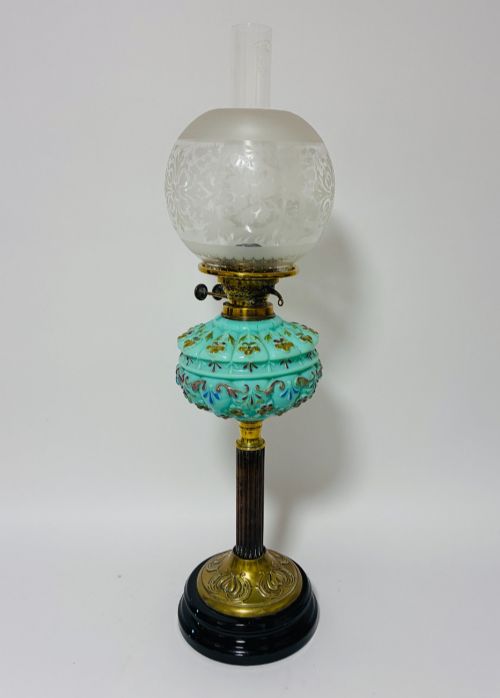
Makers utilised various materials to construct these lamps, combining clear, frosted, cranberry, and green glass with brass, copper, and porcelain. The resulting variety ensures that each lighting fixture serves as both a functional object and a decorative centrepiece.
Materials and Construction
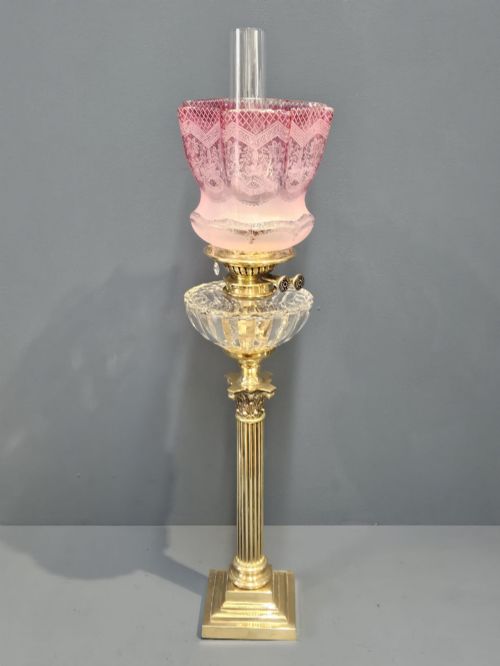
Makers constructed these lamps by combining metal casting with skilled glassblowing and surface decoration. Brass and copper provided heavy, stable foundations, often shaped into Corinthian columns or telescopic pedestals to support the weight above.
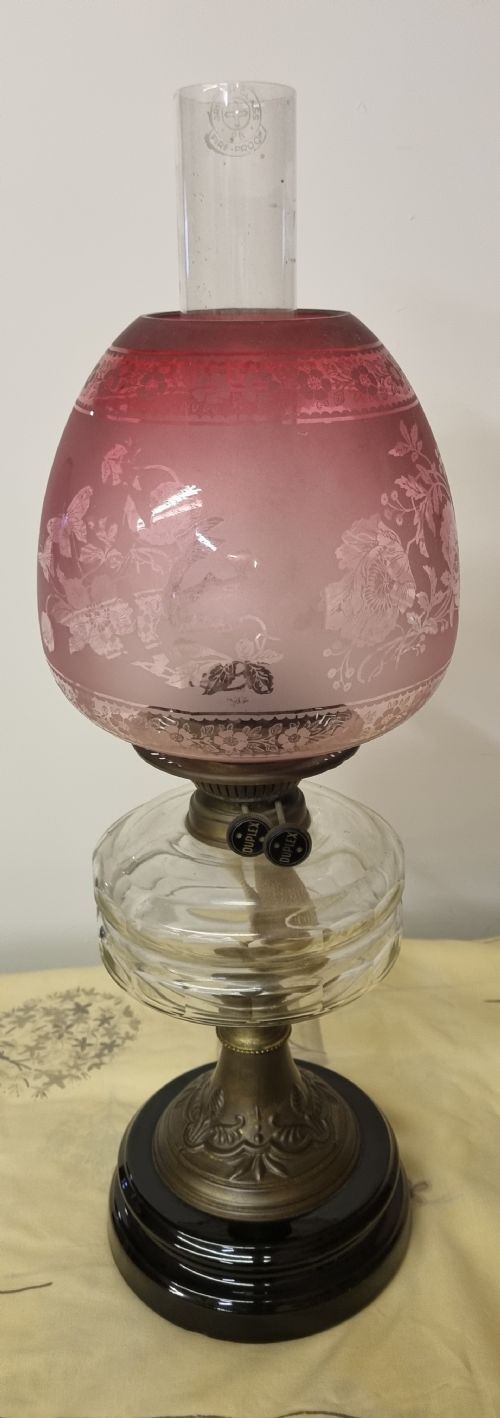
Fonts and shades relied heavily on glass technology of the nineteenth century, utilising cranberry, clear, and frosted finishes. Artisans then applied acid-etching techniques to cut intricate floral or geometric patterns directly into the glass surface.
Porcelain and ceramic elements were frequently incorporated into the bodies and fonts, sometimes featuring hand-painted botanical motifs or figural designs. Metal burners, including duplex systems, were fitted to the top to regulate the paraffin flame safely.
Listings demonstrate that nineteenth-century brass columns frequently paired with cranberry glass fonts and matching etched tulip shades.
Distinctions in Quality
The distinction between standard domestic lighting and top-tier examples lies in the weight of the metal components and the crispness of the glass etching. Superior pieces utilise heavy brass or copper columns paired with deeply cut, hand-finished cranberry or clear glass shades.
Makers known for high-grade hardware, such as Hinks, often fitted superior burners that elevate the overall standard of the lamp. The presence of undamaged, original matching shades with sharp etched details marks the upper end of the surviving range.
Hinks·Taylor Tunnicliff·Sitzendorf
The Etched Glass Paraffin Lamp Glossary
- Duplex burner
- A specific double-wick burner mechanism popular in nineteenth-century lighting. It produces a brighter flame than single-wick variants and requires a wider gallery.
- Tulip shade
- A flared glass shade resembling an open flower tulip. These shades surround the flame and diffuse the light across the room.
- Acid etching
- A technique used to decorate glass surfaces by applying acid to eat away exposed areas. This creates frosted patterns against clear or coloured glass.
Etched Glass Paraffin Lamp: Frequently Asked Questions
What is the difference between an oil lamp and a paraffin lamp?
The terms are frequently used interchangeably to describe nineteenth-century lighting fixtures that burn liquid fuel through a wick. Paraffin, also known as kerosene, became the standard fuel source by the mid-nineteenth century, replacing older vegetable oils.
Most lamps surviving from the Victorian period were designed to accommodate this refined petroleum product. The burner mechanism is the key indicator of fuel type.
How can I date my Victorian glass paraffin lamp?
Dating relies on examining the burner patents, the manufacturing style of the brass base, and the colour of the glass font. Pieces from the 1860s often feature classic column designs, while later 1900 examples may show early Art Nouveau influences.
Maker marks stamped onto the brass burner thumbscrews provide the most precise chronological markers. Structural clues like telescopic columns also point toward specific decades of production.
Can I replace a missing glass shade on my lamp?
Finding a period-correct replacement shade requires matching the fitter size, which is the bottom ring that slides into the brass burner gallery. Tulip shades with etched cranberry or frosted glass must match the exact diameter of the original fitting.
While mismatched shades appear frequently, pairing a lamp with a contemporary glass shade of the correct colour yields a more harmonious display.