
Antique Oil Burner
An antique oil burner delivers soft, weighted illumination from a bygone domestic interior, combining heavy metal standards with tinted glass reservoirs.

Antique Oil Burner
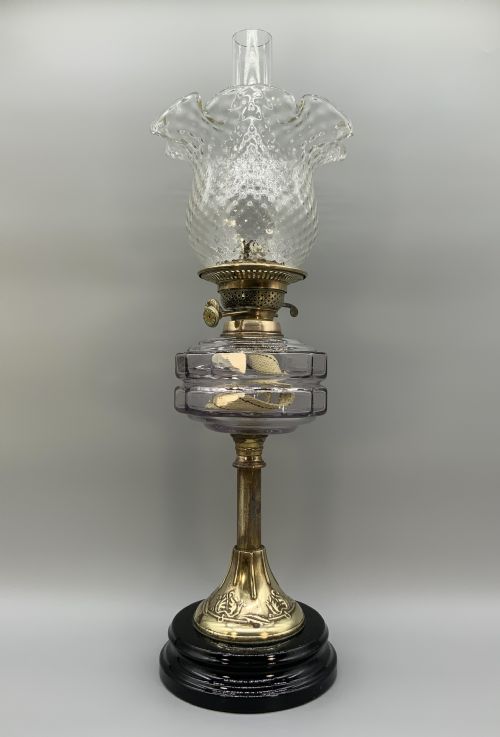
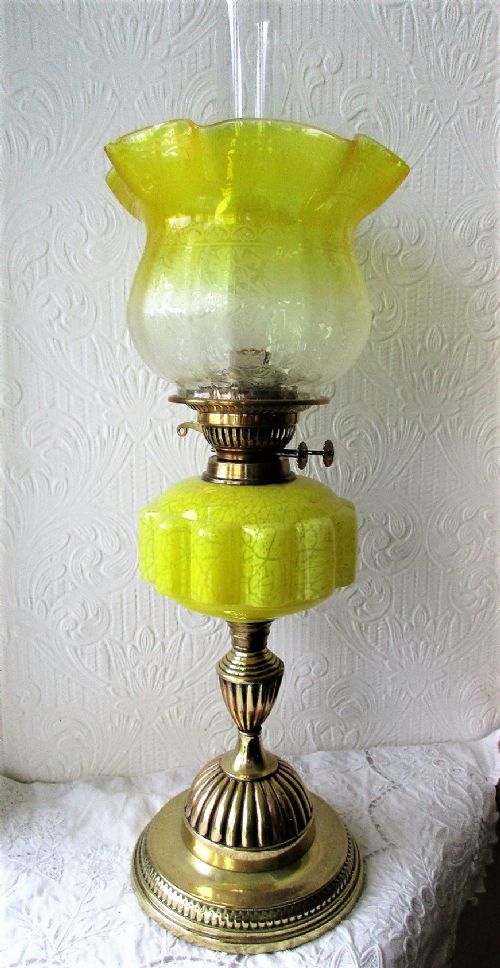
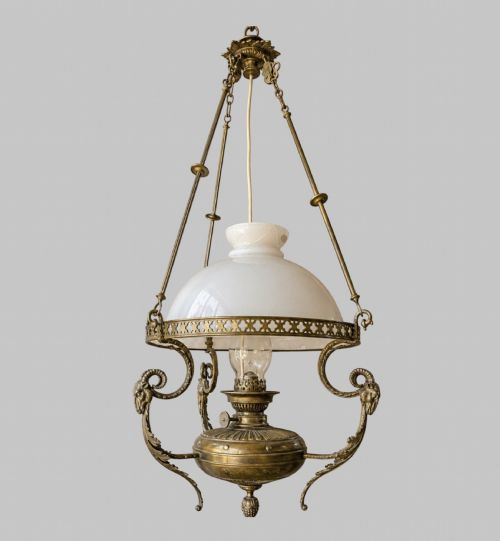
An antique oil burner is a domestic lighting fixture designed to burn paraffin or vegetable oil through a cotton wick held in a metal mechanism. Buyers searching for an antique oil burner encounter numerous Victorian and Edwardian examples featuring heavy metal columns and decorative glass reservoirs. Table lamps and floor-standing column pieces dominate the selections, alongside hanging paraffin lamps and occasional Continental bronze or brass Lucerna lamps.
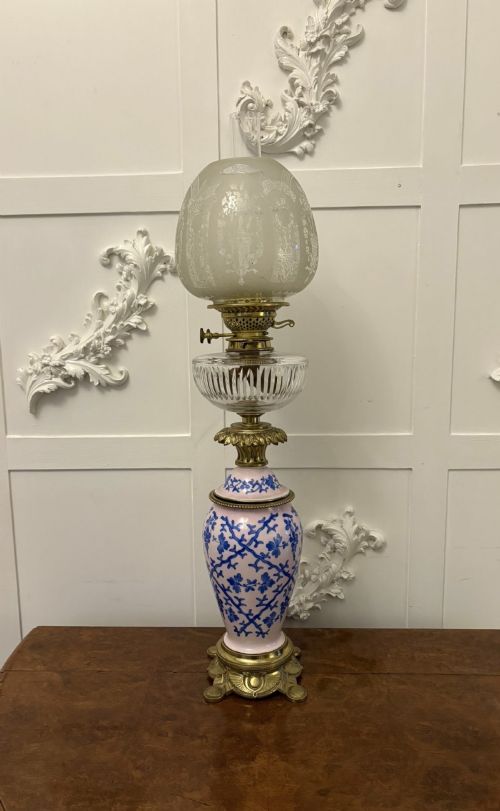
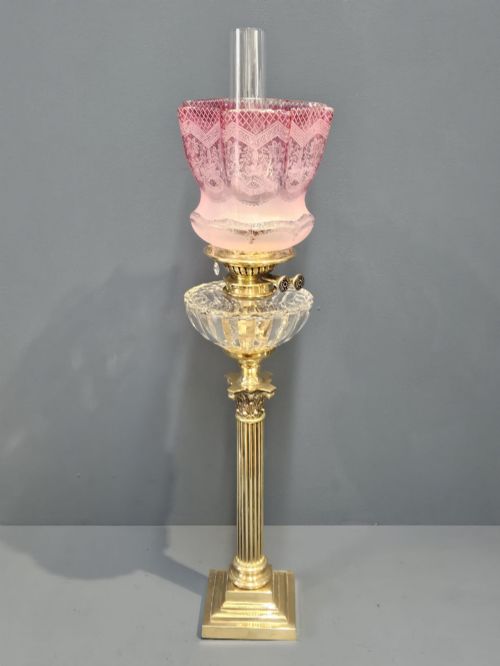
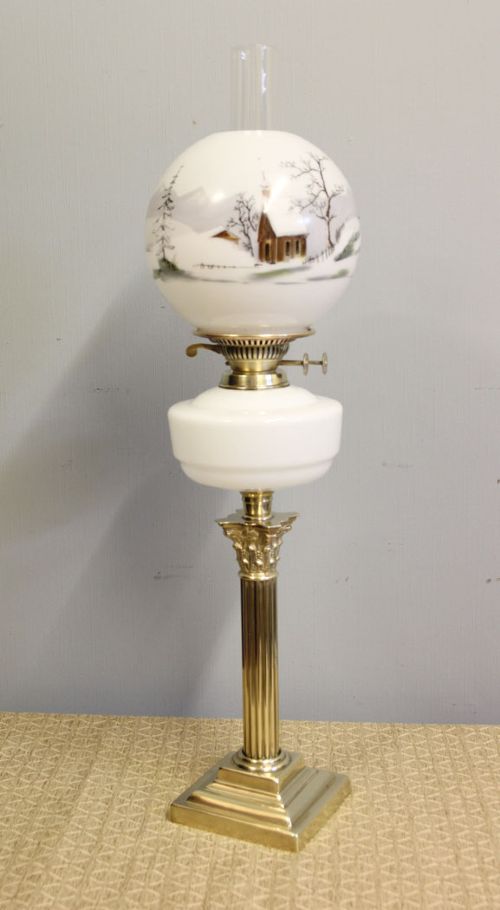
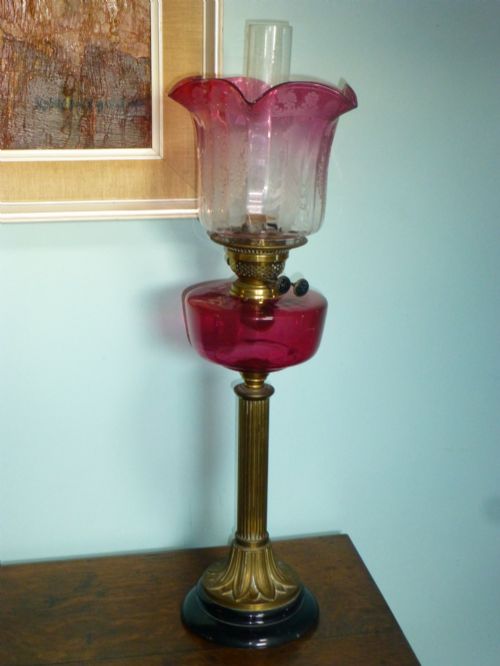
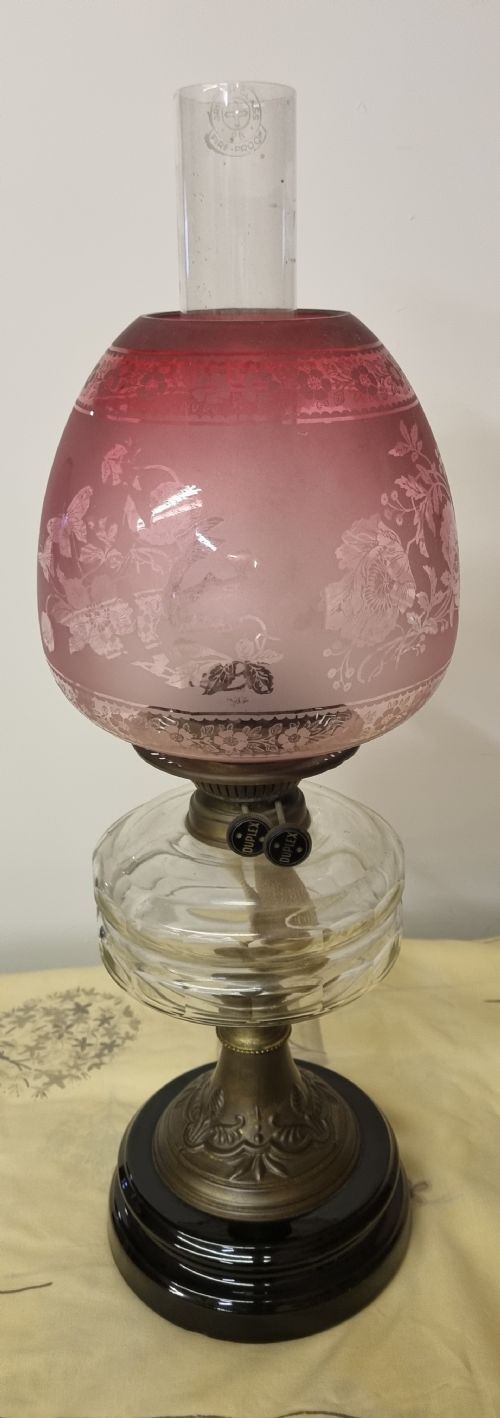
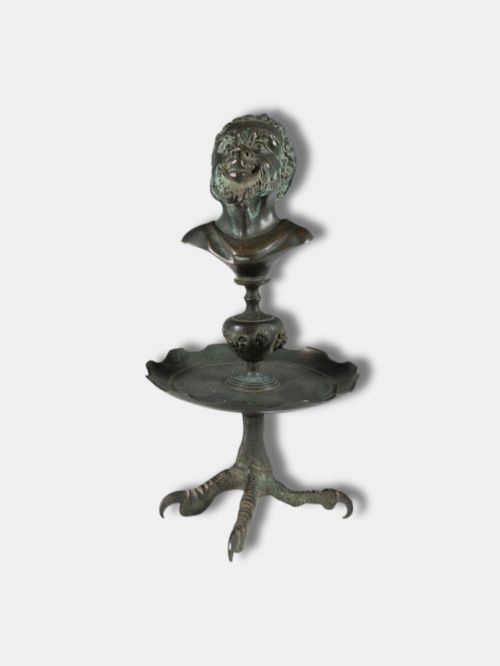
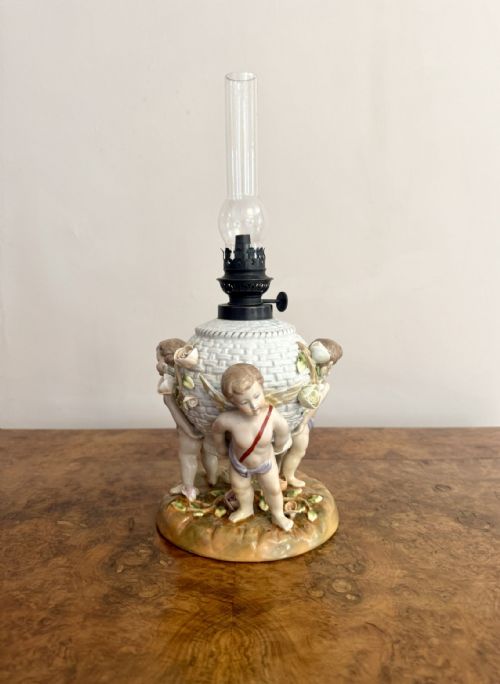
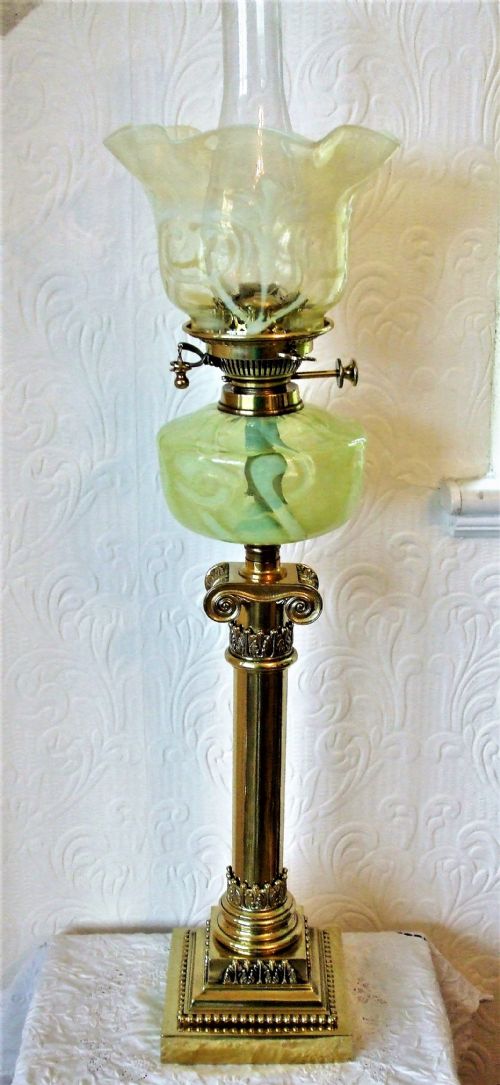
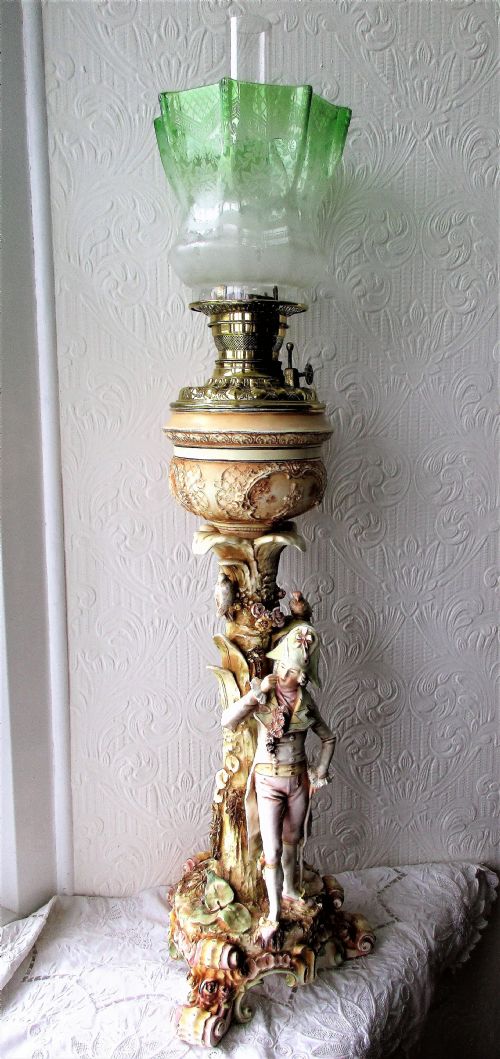
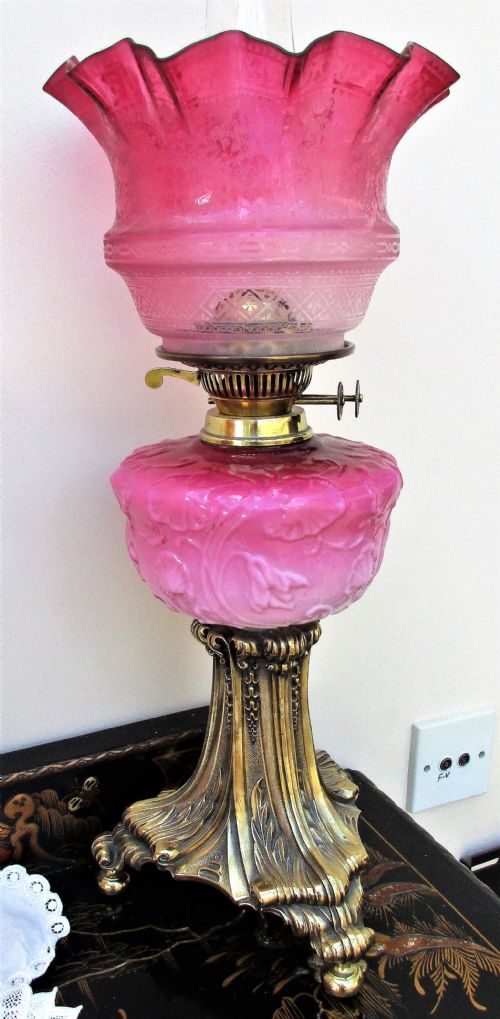
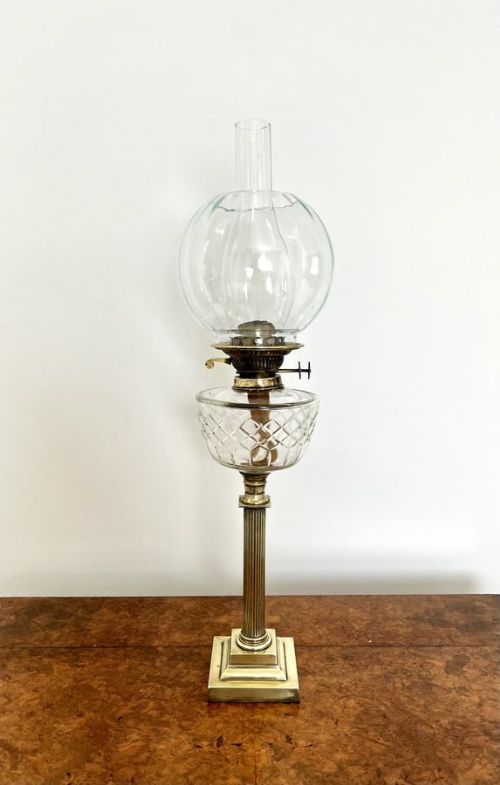
The materials and styles span from mid-nineteenth-century brass Corinthian columns to tall Art Nouveau table lamps with hand-blown shades and ceramic bases. Victorian pieces frequently pair a brass column with a cranberry glass font or an etched glass tulip shade. Later Edwardian examples incorporate opaline glass shades atop polished brass standards, while earlier nineteenth-century items introduce bronze figural elements and porcelain bodies.
Materials and construction methods
Makers constructed these lamps using durable base metals such as brass, copper, and cast bronze to provide stability for heavy glass reservoirs and shades. Metal components were cast, turned, and polished, often incorporating classical architectural orders like Corinthian or Ionic columns into the standards. Burner mechanisms themselves utilised specialised brass assemblies designed to regulate the flame and feed fuel steadily from the font below.
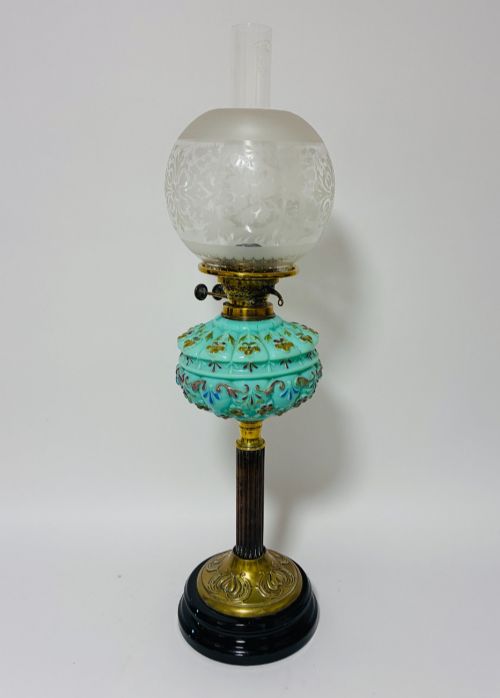
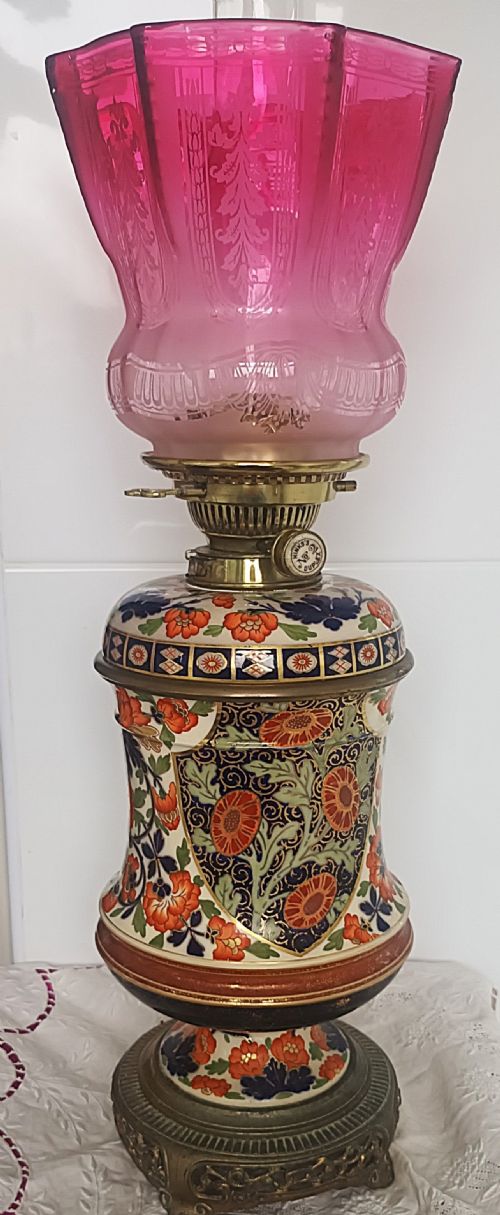
Reservoirs and shades display diverse glassmaking techniques, including hand-blown cranberry glass, cased crystal, opaline, and cut or etched patterns. Ceramic and porcelain bodies were hand-painted or glazed, sometimes incorporating figurative models or botanical motifs. These varied media came together through mechanical joints and threaded collars that secured the fragile glass fonts to the heavy metal bases.
Antique Oil Burner Retail Price Guide 2026
Typical asking prices for oil burner among the pieces listed under this phrase on Sellingantiques today, from the lower quarter to the upper quarter. They describe what is for sale here now, not the wider market.
Even ships required steady illumination at sea, as proven by surviving copper bulkhead lamps equipped with internal oil burners.
Distinguishing quality in period lamps
Quality rests upon the heft of the cast brass or bronze components and the crispness of architectural detailing on columns and bases. Superior examples employ heavy gauge metals with well-defined fluting and solid construction that prevents tipping, whereas lesser pieces feel light and lack structural rigour.
The artistry of the glass font and shade elevates a lamp considerably, particularly when hand-blown cranberry, etched crystal, or painted porcelain is utilised. Mechanism engineering also divides the standard production from top-tier specimens, as seen in complex duplex burners and telescopic standards signed by recognised makers.

Hinks·Taylor Tunnicliff·Wild and Wessel·Sitzendorf
The Antique Oil Burner Glossary
- Duplex burner
- A mechanism employing two flat wicks running parallel to produce a brighter, wider flame than single-wick designs. These double-burner systems require robust mechanisms to control fuel flow effectively.
- Font
- The oil reservoir sitting atop the lamp column, typically fashioned from pressed, cut, or coloured glass, ceramic, or metal. It holds the fuel supply required for sustained illumination.
- Corinthian column
- A classical architectural style adapted for lamp standards, featuring ornate capitals decorated with acanthus leaves. This form remains common in Victorian brass table lighting.
- Lucerna
- An ancient form of oil lamp adapted into Italian cast brass and bronze table pieces during later periods. These distinctive multi-spouted items trace their lineage directly to Mediterranean archetypes.
- Opaline glass
- A translucent, milky-white glass popular for Victorian and Edwardian shades. It diffuses light softly while adding a delicate pastel tone to the room.
Antique Oil Burner: Frequently Asked Questions
How do I date an antique oil burner?
Dating relies heavily on stylistic cues, manufacturing materials, and the evolution of the burner mechanisms themselves. Earlier nineteenth-century examples often favour classical bronze forms or heavy cast brass Corinthian columns.
Later Victorian and Edwardian pieces introduce vibrant cranberry glass, opaline shades, and ceramic figural bodies. Patent names stamped onto the brass burner mechanisms can also narrow down the production decade significantly.
Can I still burn oil in these lamps?
While many period lamps retain their original mechanical components and could theoretically function, most collectors choose to display them as decorative objects rather than active light sources. Using modern paraffin requires careful inspection of the internal reservoir and seals to ensure safe operation.
Many buyers prefer to convert them safely for electricity or simply appreciate their sculptural presence unlit. Preserving the original wick mechanism and brass patina without alteration is standard practice for historical items.
What is a duplex burner?
A duplex burner is a dual-wick mechanism engineered to generate significantly more light than a standard single-wick lamp. It uses two parallel flat wicks housed beneath a shared gallery and shade ring.
This innovation appeared widely on larger Victorian table lamps and floor standards where stronger illumination was desired. The control knobs usually operate independently or in tandem to regulate the twin flames.
How do I clean a brass lamp base?
Cleaning requires gentle methods that preserve the aged surface patina rather than stripping it away to a harsh, bright shine. Warm soapy water and a soft cloth will remove accumulated dust and surface grime safely.
Harsh chemical polishes or abrasive pads should be avoided entirely, as they erase historical character and damage delicate lacquer or chasing. Gentle dusting remains the best routine maintenance for both metal standards and glass shades.