

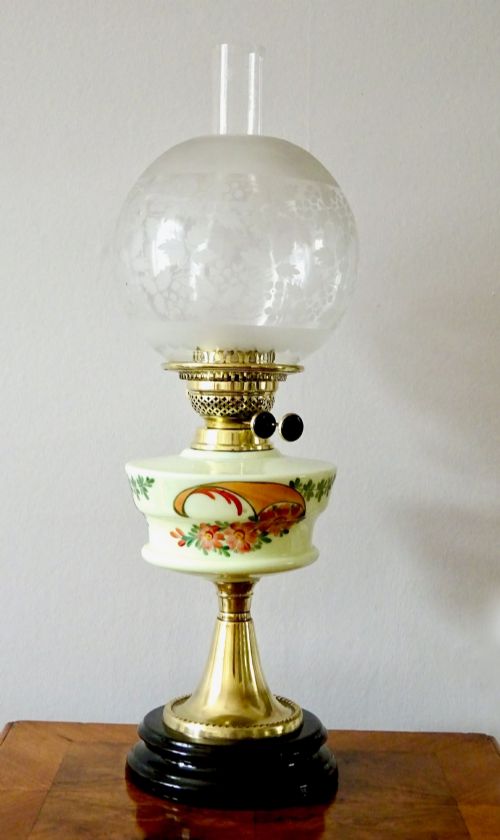


Duplex Burner Lamp
A duplex burner lamp is a twin-wick lighting piece that brings steady nineteenth-century illumination and heavy metal or glass work to a room.
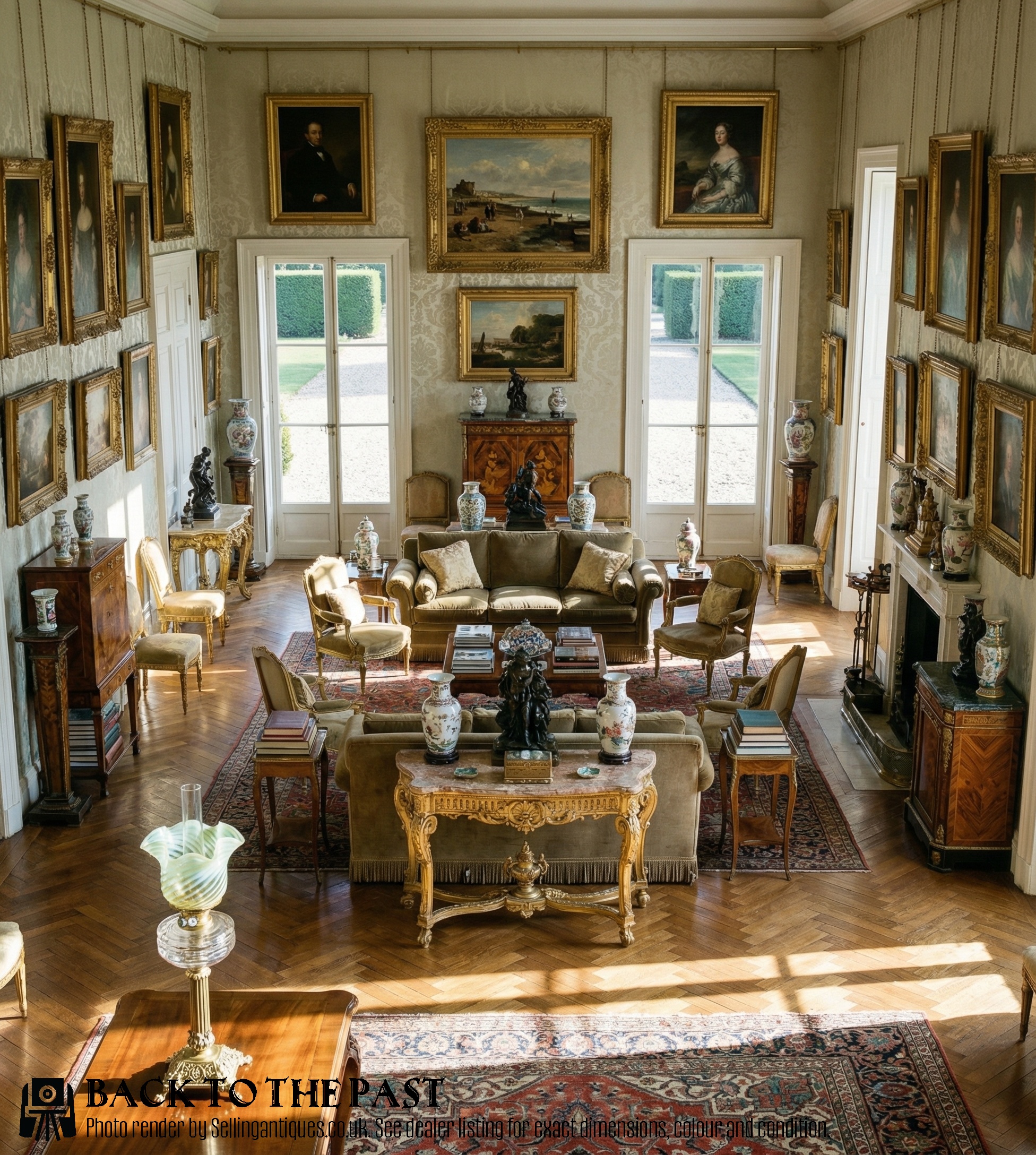
Duplex Burner Lamp
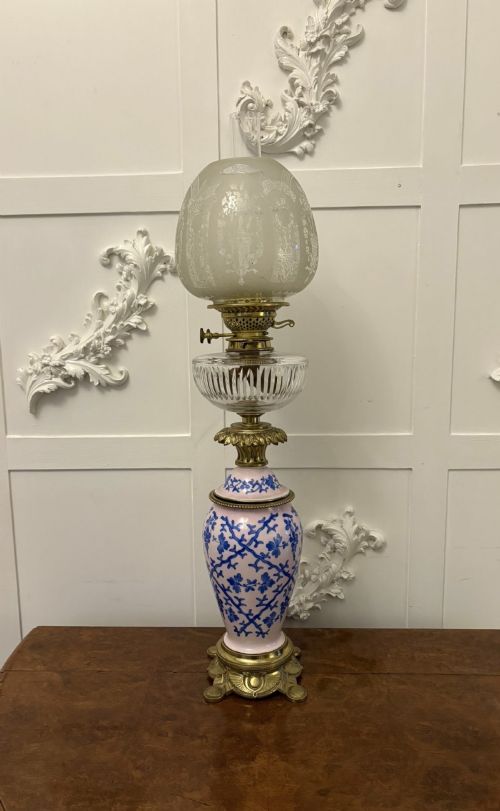
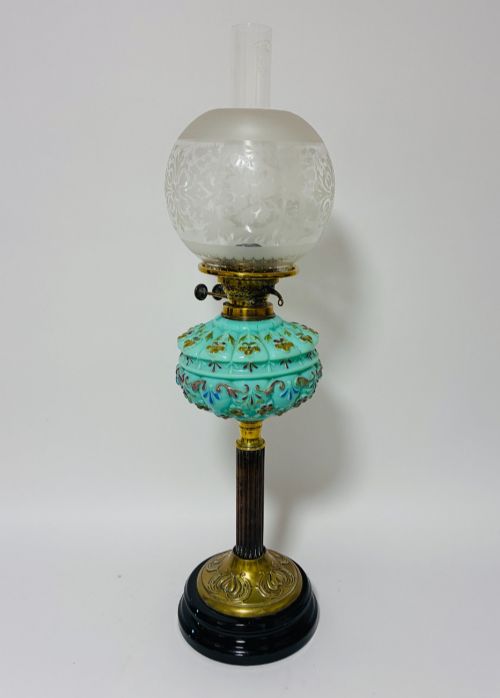
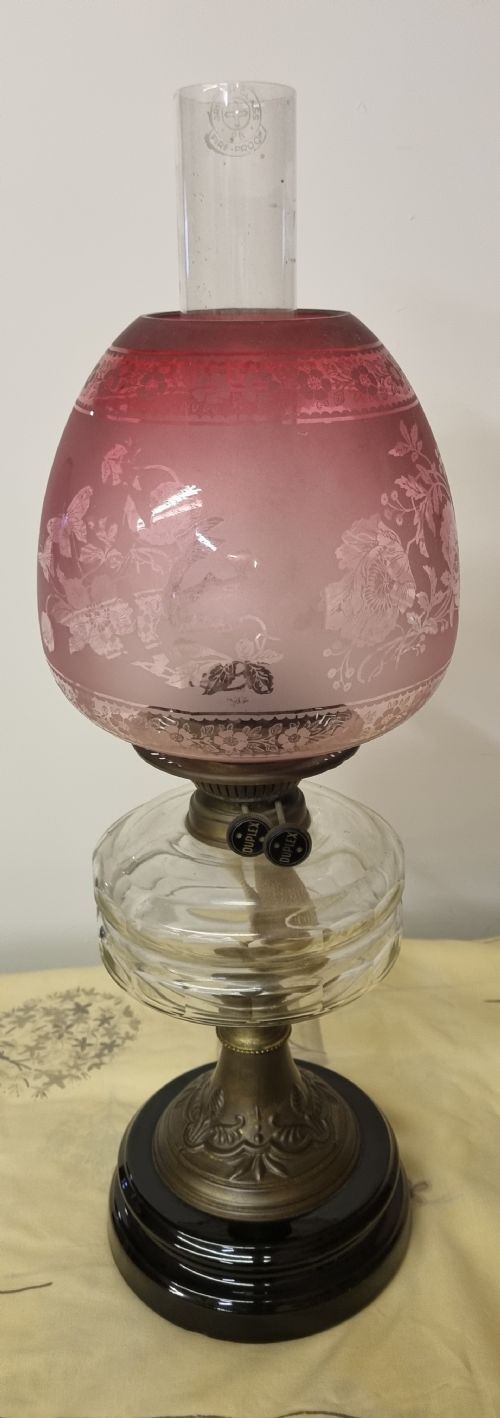
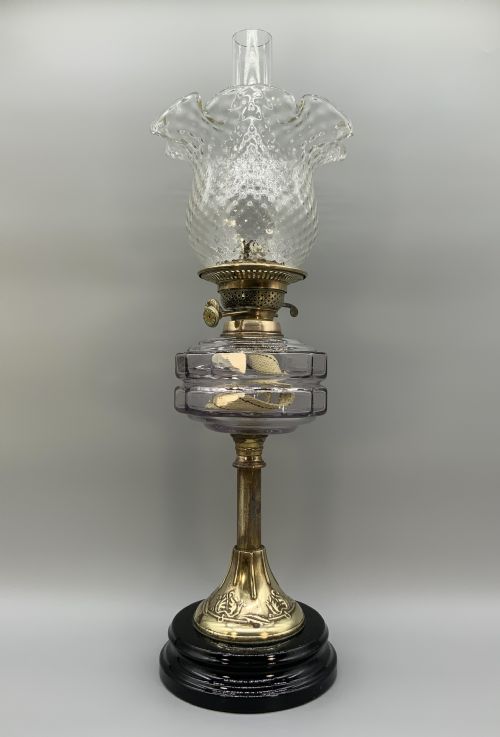
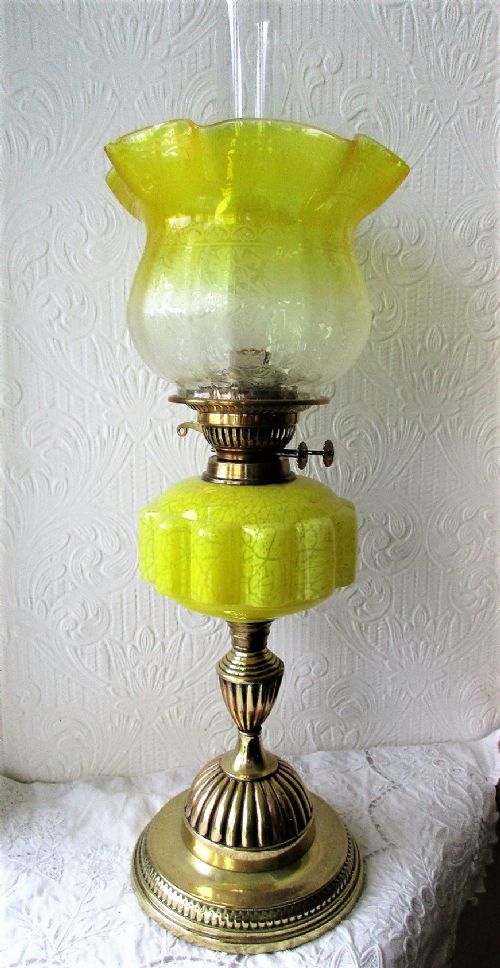
A duplex burner lamp is typically encountered in Victorian and Edwardian forms, spanning the mid nineteenth century into the early twentieth century. These domestic oil and paraffin lamps combine tall standards with generous fonts and contrasting glass shades.
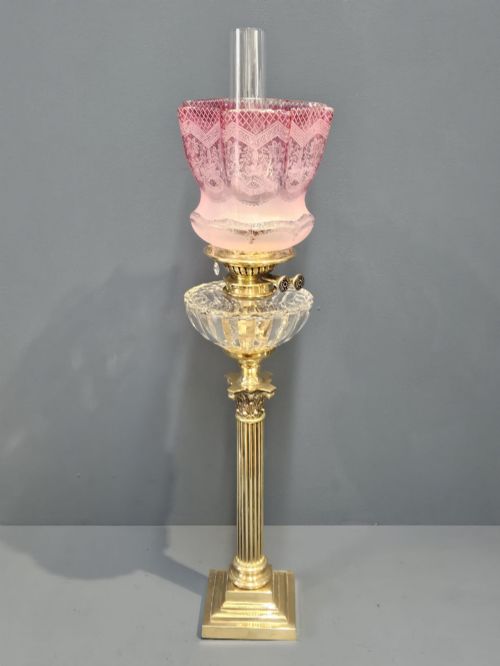
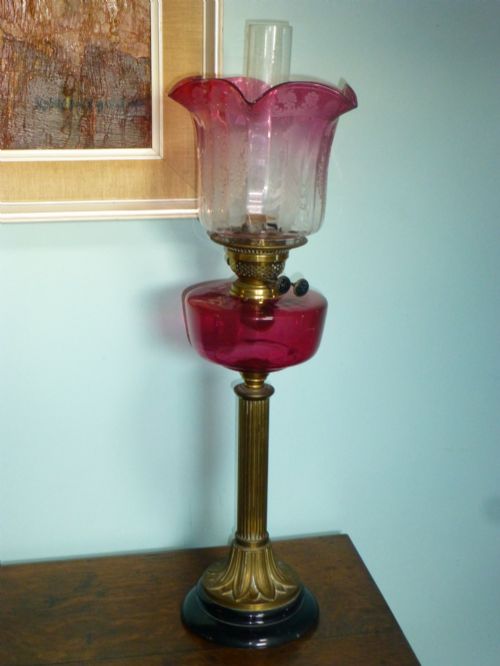
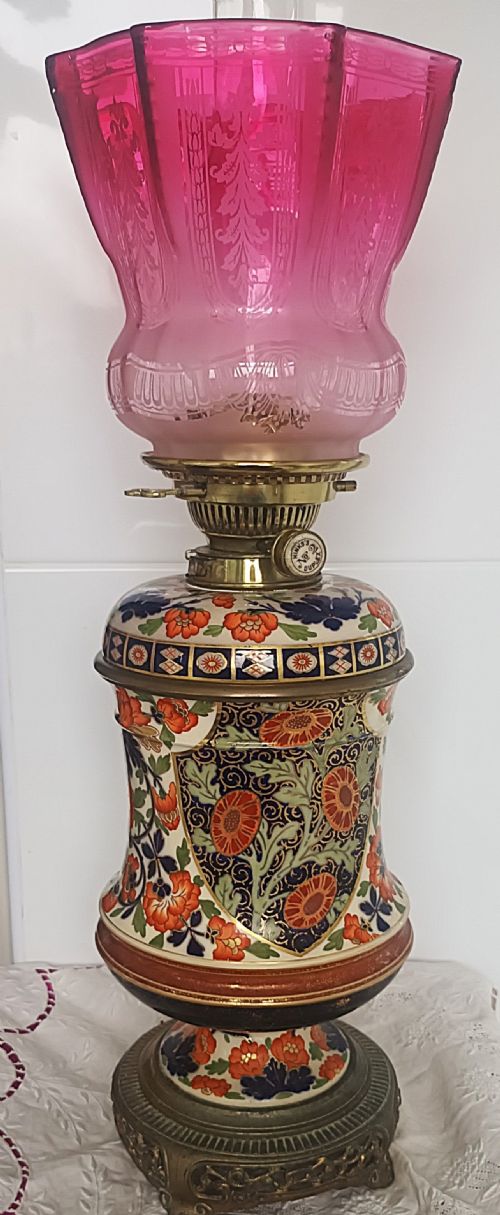
The materials and styles range from heavy brass Corinthian columns to hand-blown opaline, cranberry glass, and ceramic bodies. Many examples reflect Victorian Classical Revival tastes alongside later Art Nouveau lines.
The primary forms found here are table lamps and taller telescopic or adjustable stands designed to sit on furniture or hearths. Makers such as Hinks and Taylor Tunnicliff produced notable variations in these designs.
Distinctions in quality
The distinction between standard domestic lighting and superior examples rests on the weight of the brass casting and the crispness of column fluting or Corinthian capitals. Height and overall scale also divide modest table models from substantial grand pieces.
The complexity of the glass component dictates visual success, where cased cranberry glass, hand-etched tulip shades, and hand-painted floral porcelain fonts elevate the work far above plain utilitarian equivalents.
The listings combine heavy cast brass standards with delicate cranberry glass, opaline glass, and hand-painted ceramic fonts from the Victorian and Edwardian eras.
Hinks·Taylor Tunnicliff·Messenger·Young·Doulton Lambeth
The Duplex Burner Lamp Glossary
- Duplex burner
- A twin-wick mechanism designed to burn paraffin or oil with increased brightness and stability. This assembly sits atop the font and takes two flat wicks.
- Font
- The reservoir container that holds the oil or paraffin. These vessels are frequently moulded in coloured glass, porcelain, or ceramic.
- Opaline glass
- An opaque or translucent glass, often pale in tone, used extensively for lamp shades during the Victorian and Edwardian eras. It diffuses light softly across a room.
- Corinthian column
- An architectural column style featuring ornate acanthus leaf capitals, frequently cast in brass to form the upright stem of formal nineteenth-century lamps.
Duplex Burner Lamp: Frequently Asked Questions
How does a duplex burner work?
A duplex burner uses two parallel flat wicks adjusted simultaneously by twin thumbwheels. This arrangement draws more fuel to the flame to create a significantly brighter light than single-wick burners.
The metal gallery secures the shade above the flame while allowing sufficient airflow for a clean burn without excessive smoke.
What fuels did these lamps burn?
These lamps were manufactured to burn paraffin or kerosene, which became widely available as a domestic fuel during the Victorian period. The heavy glass or ceramic fonts safely contained the liquid fuel below the burner assembly.
Modern users generally keep these pieces for display rather than active daily lighting.
How do I date a brass oil lamp?
Dating relies on stylistic clues such as column orders, burner stamps, and the manufacturing methods visible in the brass casting. Mid-Victorian examples often favour classical revival motifs like Corinthian columns.
Later Edwardian and early twentieth-century pieces introduce softer lines and different proportions, sometimes incorporating Art Nouveau elements.
Are the glass shades original to the lamps?
Shades on nineteenth-century lighting were frequently vulnerable to breakages and replacements over decades of domestic use. Matching the fitter size of the shade to the brass gallery ensures a correct and secure seating.
Cranberry glass and etched tulip shades are typical pairings for quality Victorian frames.