



Antique Glass Reservoir
An antique glass reservoir forms the functional and visual heart of period lighting, holding the fuel beneath burner assemblies.
Antique Glass Reservoir
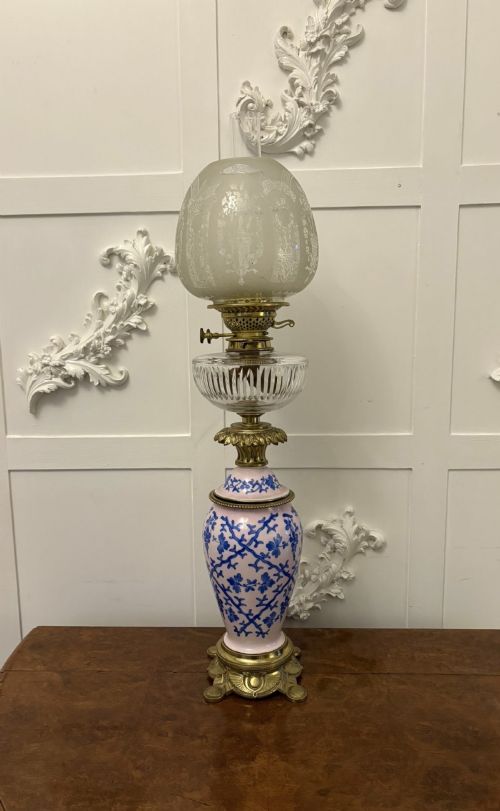
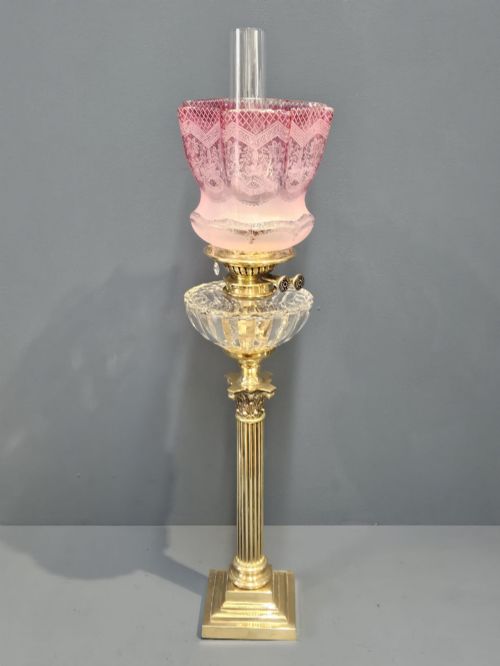
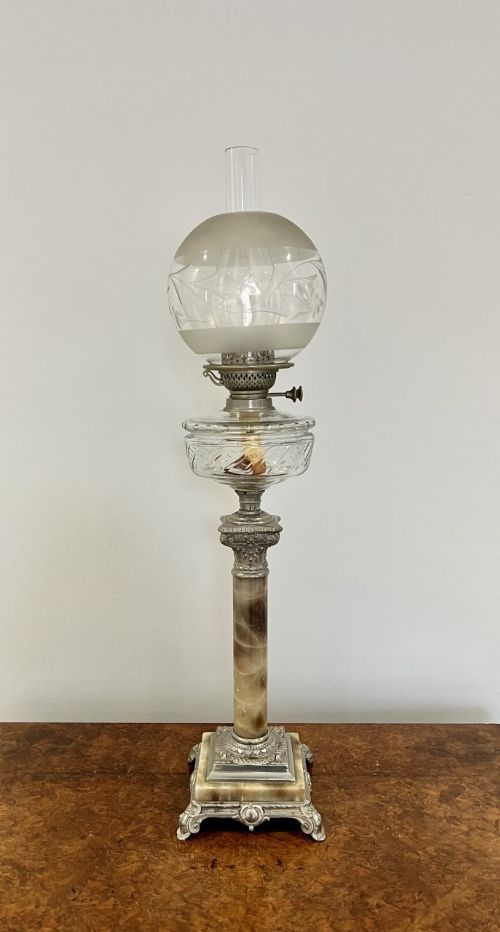
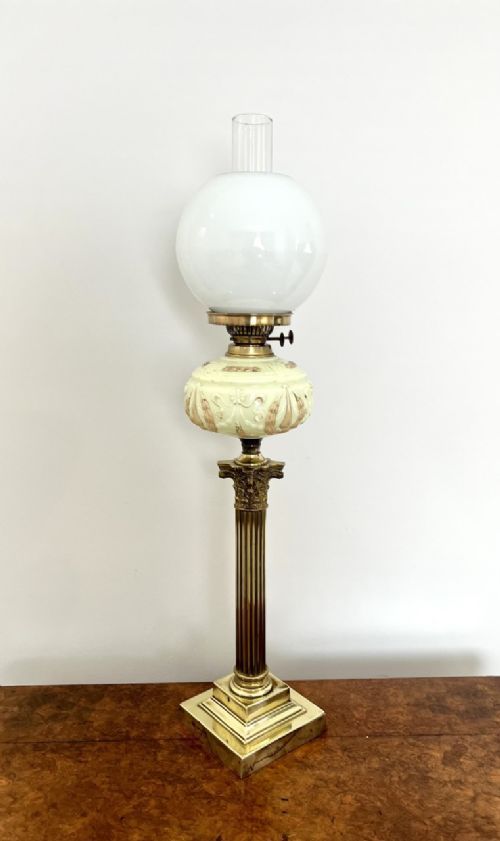
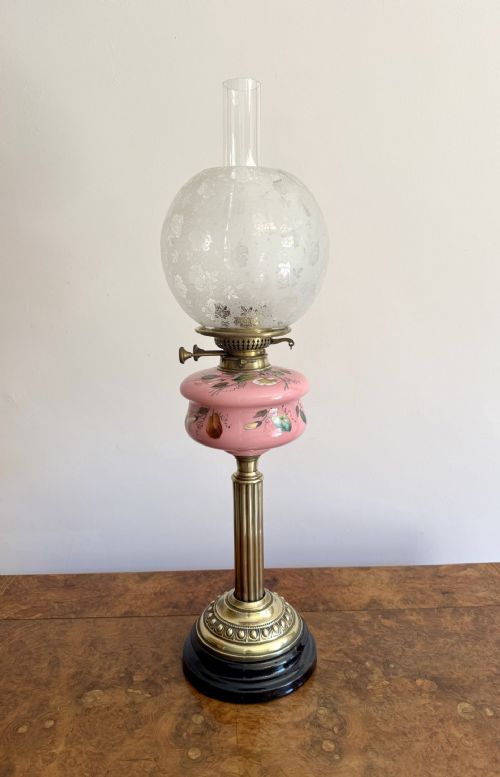
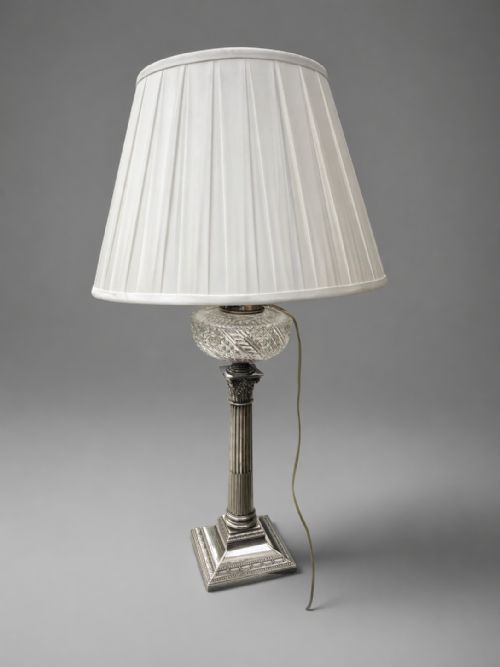
When you search for an antique glass reservoir, you encounter components primarily salvaged or integrated into Victorian and Edwardian lighting, specifically oil and paraffin lamps. These vessels often appear alongside brass, ceramic, and silver-plated elements, functioning as the fuel container that sits atop a column or base.
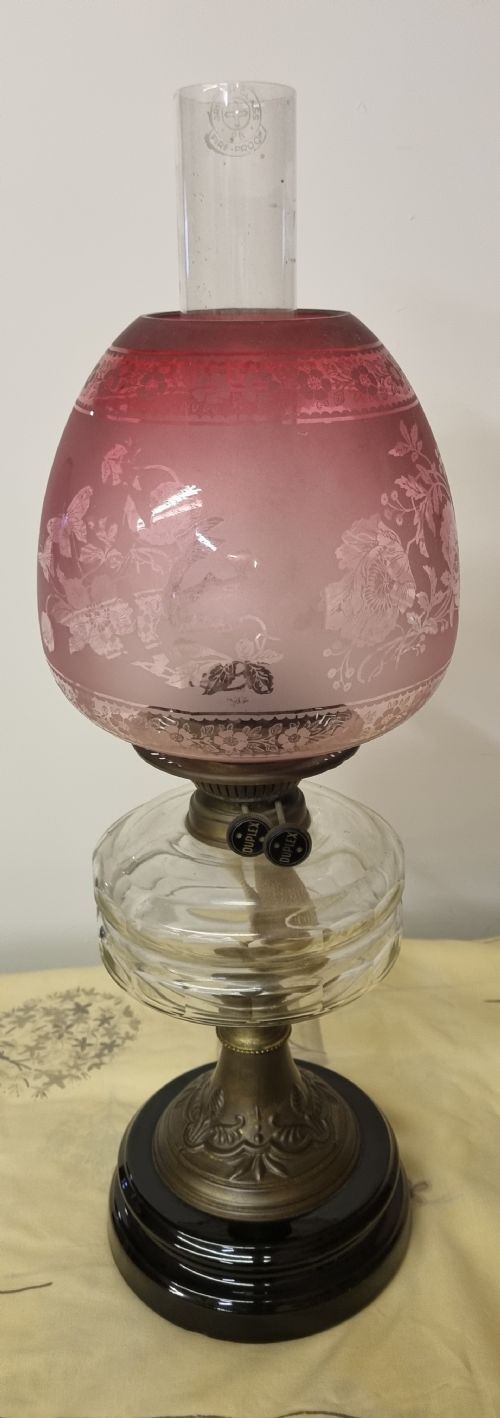
The selections available range from clear glass and crystal to vibrant coloured fonts in shades of blue, green, and pink, occasionally accompanied by matching shades. Most examples originate from the nineteenth century, spanning decades from the William IV era through to the turn of the twentieth century.
Alongside traditional lamps, related domestic items such as inkwells occasionally surface, demonstrating the versatility of glass containers in period interiors. The majority of these objects reflect nineteenth-century manufacturing methods, pairing transparent or moulded glass bodies with metal collars.
How they were made
Maker workshops utilised clear, cut, and moulded glass to form the central reservoirs, often combining these translucent vessels with structural brass, copper, and silver-plated mounts. The integration of ceramic and black glass bases provided stability to taller columns and table lamps.
Techniques involved blowing or pressing glass into moulds to achieve decorative patterns and geometric facets, which caught the light of the interior flame. Metal components were cast, turned, and finished to secure the glass securely within the overall lamp architecture.
Listings feature Victorian, Edwardian, and William IV periods, utilising materials such as brass, cut glass, ceramic, and silver plate.
What varies in quality
The distinction between standard production items and superior pieces lies in the crispness of the glass cutting and the weight of the supporting brass or bronze elements. Heavier, more substantial metal mounts combined with unblemished crystal or richly coloured glass represent the upper tier of the available range.
Design complexity also dictates the tier, with architectural Corinthian columns and nuanced Art Nouveau forms requiring greater skill in assembly than plain columns. The harmony between the glass reservoir and its accompanying shade or base indicates the original intention of the maker.
Hinks of Birmingham·Messenger·Young's·Harrods
The Antique Glass Reservoir Glossary
- Reservoir
- The container that holds the oil or paraffin fuel within a lamp. It is frequently made of glass, ceramic, or crystal.
- Peg lamp
- A small lamp featuring a projecting lower spigot designed to drop directly into a candlestick or base. These often incorporate satin glass components.
- Corinthian column
- A classical architectural column style frequently utilised for the stems of Victorian table lamps. This design supports the glass reservoir above.
- Paraffin lamp
- A domestic lighting device fueled by paraffin or oil, popular during the nineteenth century. Glass reservoirs were essential components for monitoring fuel levels.
Antique Glass Reservoir: Frequently Asked Questions
What is a glass reservoir?
A glass reservoir is the holding vessel for oil or paraffin situated within a period lamp. It allows the user to monitor the fuel level while illuminating a room.
These components were manufactured in various colours and clear glass, often paired with brass columns and burners during the Victorian era.
How do I date a lamp?
Dating a lamp involves examining the materials, manufacturing techniques, and stylistic influences present in the brass, columns, and glass fonts. Victorian pieces often display characteristic Corinthian columns or Art Nouveau motifs.
Periods represented range from the William IV era through to late Victorian and Edwardian times, each bearing specific design markers.
Were these lamps converted to electricity?
Many period oil and paraffin lamps undergo conversion to electricity for modern domestic use. This process adapts the original burners and reservoirs to house electrical wiring.
Original brass and glass components are typically retained during conversion to preserve the visual character of the nineteenth-century lighting.
How should I clean glass reservoirs?
Cleaning antique glass requires gentle handling with warm water and mild detergent to avoid damaging delicate surfaces or historic finishes. Metal mounts should be kept dry to prevent tarnishing.
Harsh chemical cleaners are unsuitable for nineteenth-century glass and plated brass, as they can strip original patination.