

Decorative Lighting
These pieces of decorative lighting bring character and illumination to a room, spanning periods from the nineteenth century to the Art Deco era.
Decorative Lighting
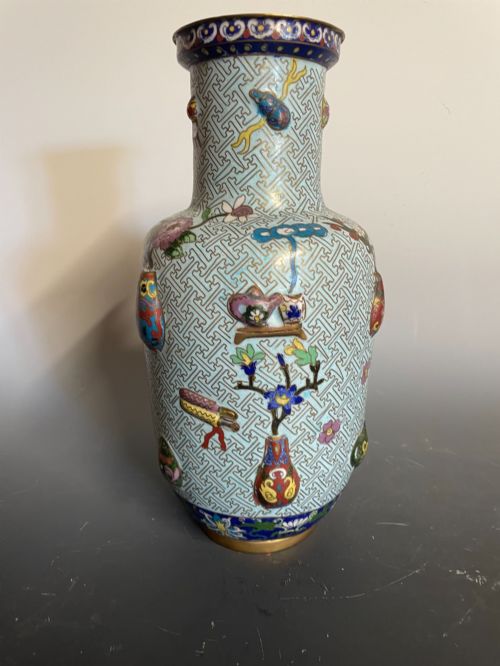
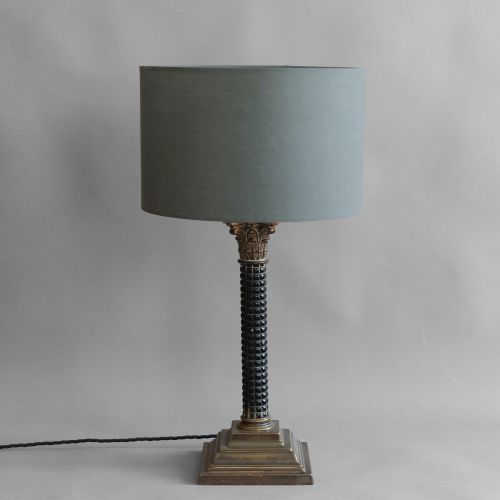
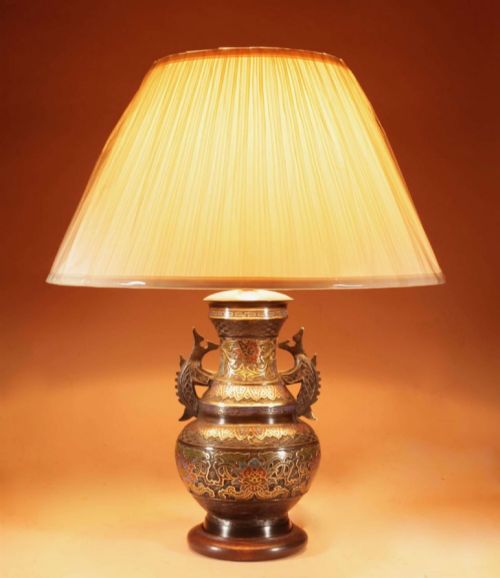
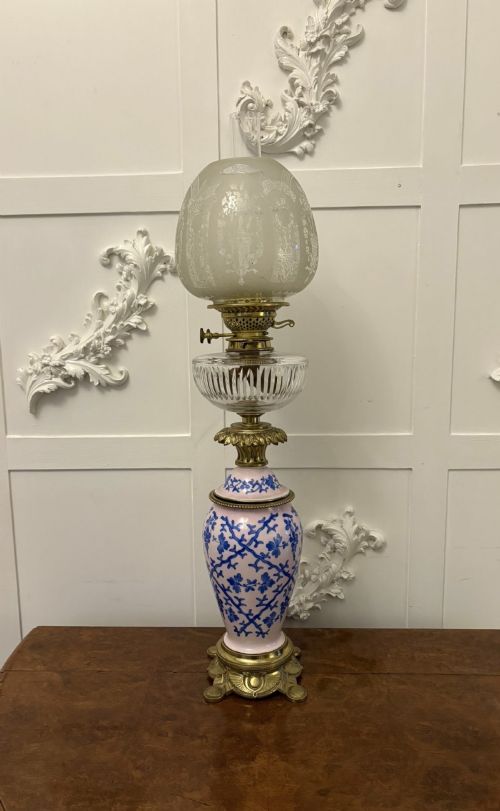
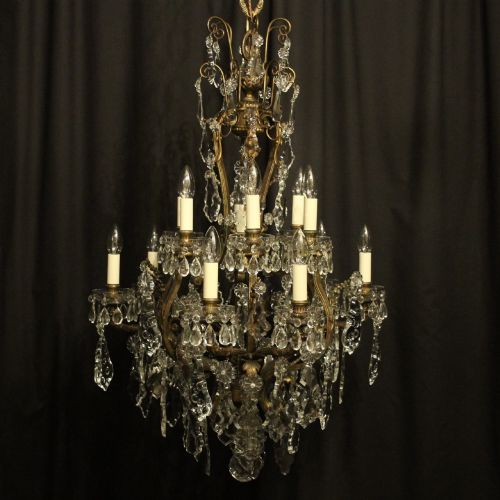
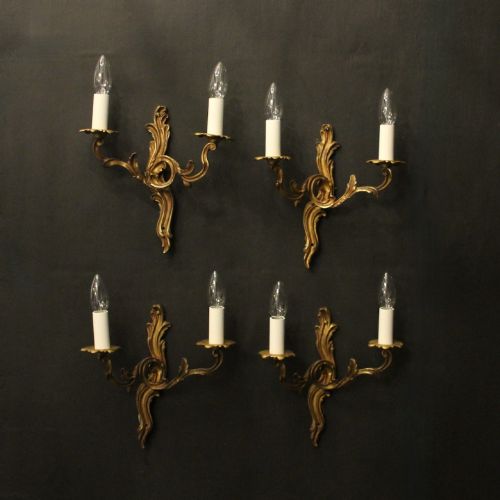
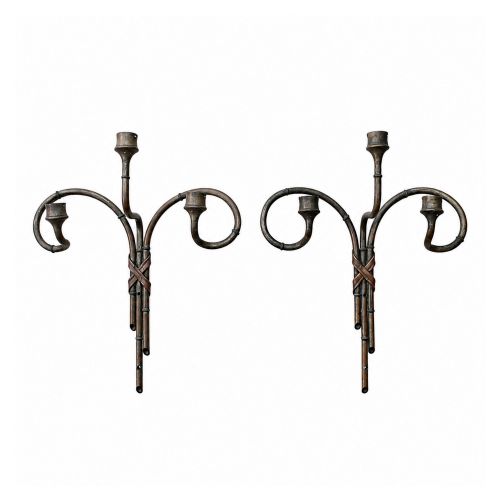
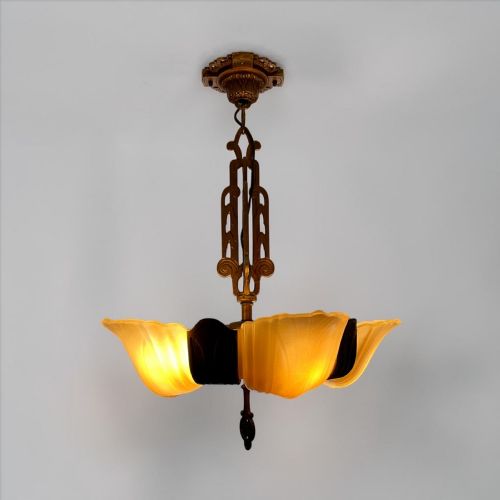
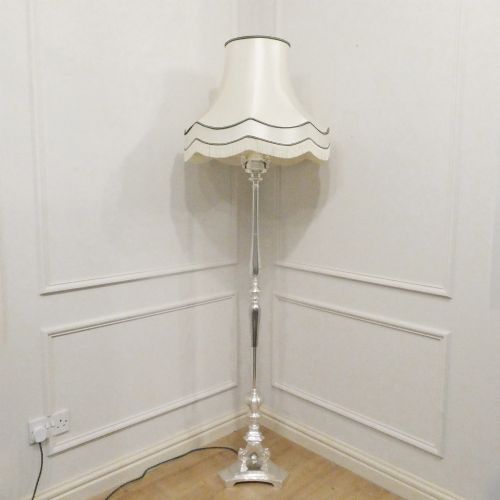
Decorative lighting encompasses a diverse selection of period objects designed to illuminate spaces while adding distinct visual interest. Buyers searching for decorative lighting will encounter numerous functional forms ranging from chandeliers and wall sconces to oil lamps and table lamps.
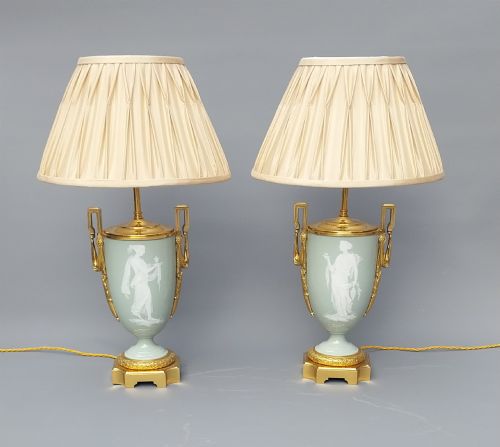
The selection includes items originating from various international traditions, such as French gilded bronze fixtures, Japanese bronze lanterns, and American cast iron designs. Table lamps and wall lights dominate the selection, often reflecting specific historical revivals and regional craftsmanship.
Examples span several decades, drawing heavily on Victorian, Edwardian, and Art Deco aesthetics. These fixtures utilise period materials to achieve their distinctive presence in an interior.
How they were made
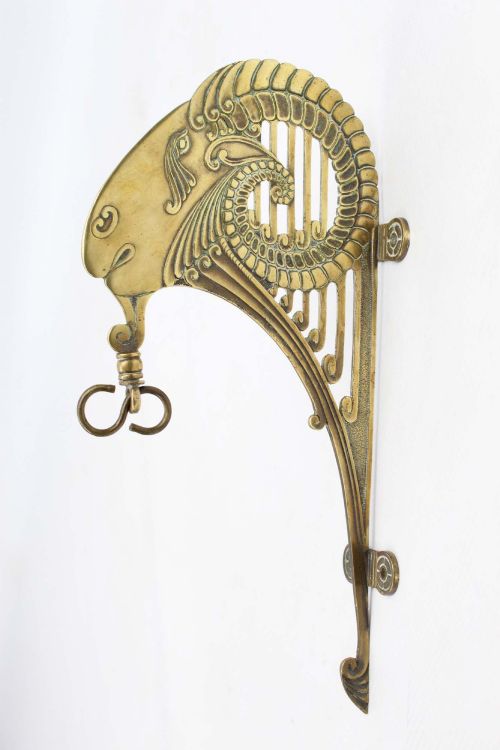
Metalworking techniques form the backbone of these pieces, with brass, bronze, ormolu, and cast iron shaped into structural frames, wall brackets, and candelabra bases. Gilding and patination are frequently applied to metallic surfaces to enhance visual depth.
Two cast iron owl lamps on this page began their lives as decorative fireplace andirons.
What varies in quality
The standard of execution in metal casting and hand-finishing defines the upper tier of these objects. Pieces exhibiting crisp chasing on ormolu mounts, finely detailed bronze figures, or intricate porcelain painting represent superior craftsmanship.
Material selection and structural integrity also determine the standing of an item. Solid brass frameworks, heavy crystal glass components, and well-preserved original shades separate finer examples from standard production.
Pierre Philippe Thomire·Charles Schneider·Barbedienne·Sitzendorf
The Decorative Lighting Glossary
- Ormolu
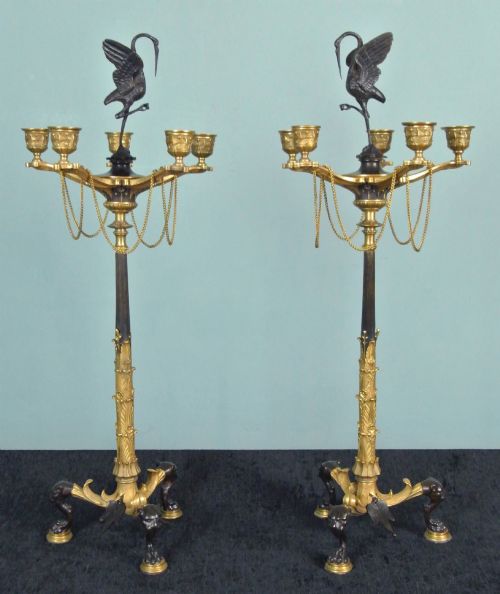
- Gilded bronze applied to mounts, candle holders, and decorative fixtures, popular in French furniture and lighting. This technique involves mercury gilding on bronze bases.
- Candelabra
- A branched candlestick designed to hold multiple candles, often executed in bronze, brass, or gilt metal during the nineteenth century. These items frequently form balanced pairs.
- Girandole
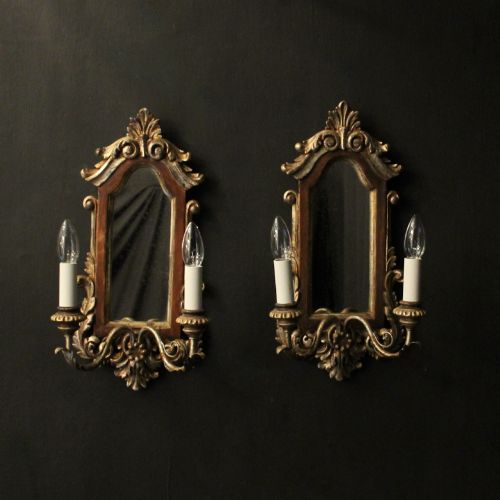
- A branched wall-mounted candlestick or light fixture incorporating a mirror to reflect and amplify illumination. These fixtures often feature carved giltwood or brass frames.
- Tole Peinte
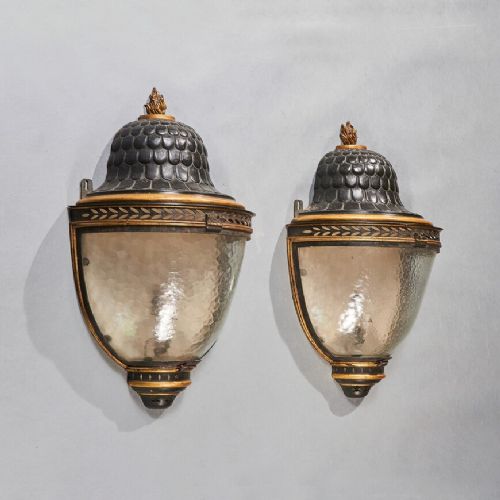
- Painted or lacquered sheet metal used for decorative lanterns and shades. This material allows for rich colour applications on functional objects.
- Pate Sur Pate
- A porcelain decoration technique where layers of liquid clay slip are built up on a contrasting body to create a low-relief cameo effect.
Decorative Lighting: Frequently Asked Questions
Were oil lamps converted to electricity?
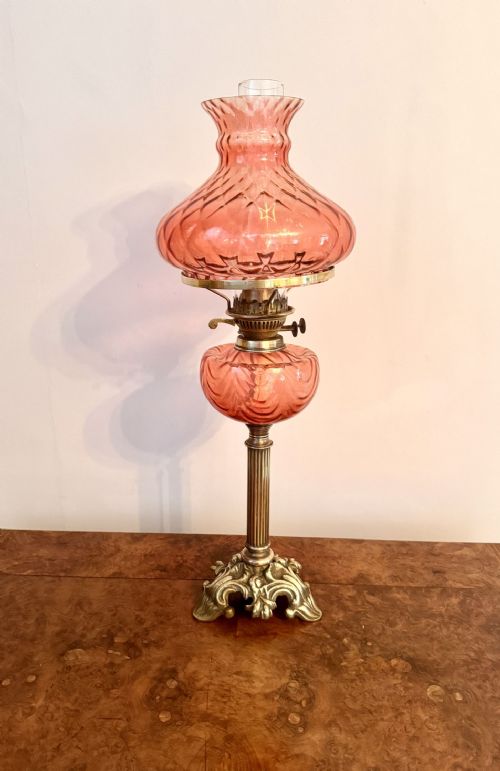
Many antique oil lamps and candlesticks found today have been adapted for modern electrical use to allow safe daily operation in contemporary homes. This conversion process often preserves the original burners, reservoirs, and decorative columns.
Buyers should inspect the wiring and fittings to ensure professional installation while appreciating the retained historical body of the lamp.
What is the difference between a sconce and a girandole?
A wall sconce is a bracket fixture attached directly to a wall to hold candles or electric bulbs, functioning primarily as directed wall illumination. A girandole specifically incorporates a reflective mirror plate behind the candles to bounce light further into the room.
Both forms appear frequently in nineteenth-century and early twentieth-century decorative schemes.
How do I care for antique bronze and brass?
Maintenance of antique metal lighting involves dusting with a soft, dry cloth to prevent the accumulation of grime on intricate chased surfaces and patinated details. Avoid abrasive cleaning agents that strip historical patination or damage original gilding.
Preserving the natural ageing of brass and bronze maintains the visual integrity and character of the object.