





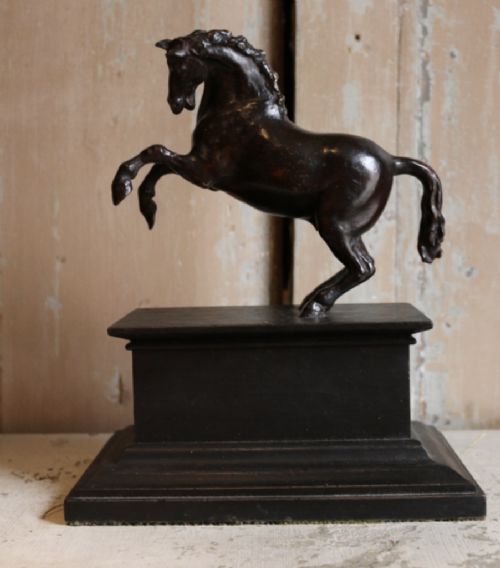


Equestrian Fine Art
Equestrian fine art captures the strength and character of horses through oil paintings, watercolours, and needlework from past centuries.
Equestrian Fine Art
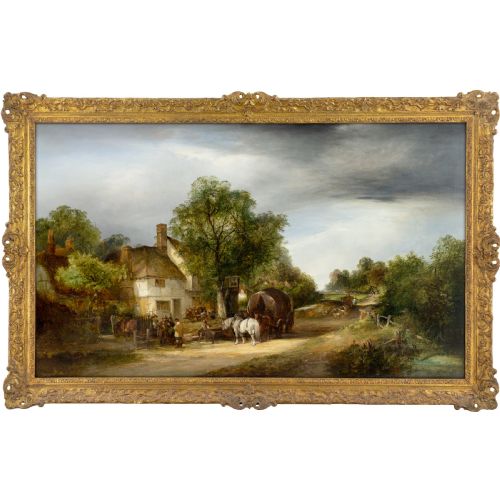
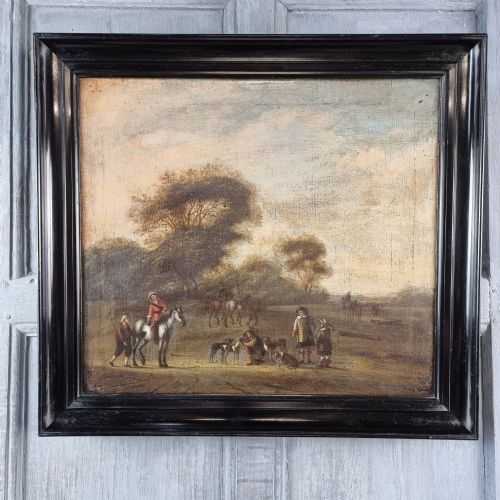
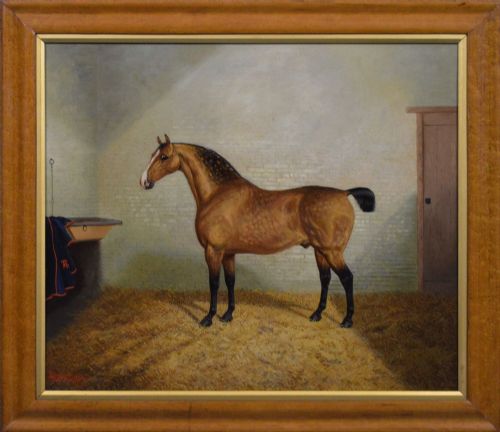
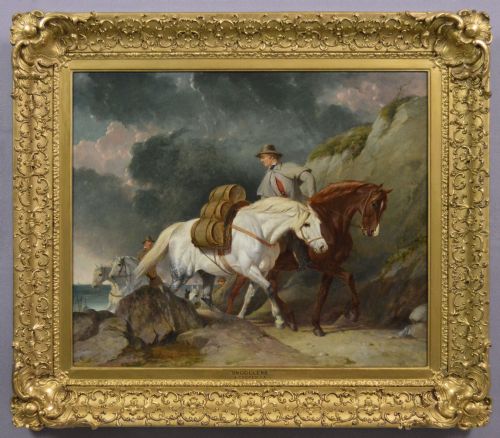
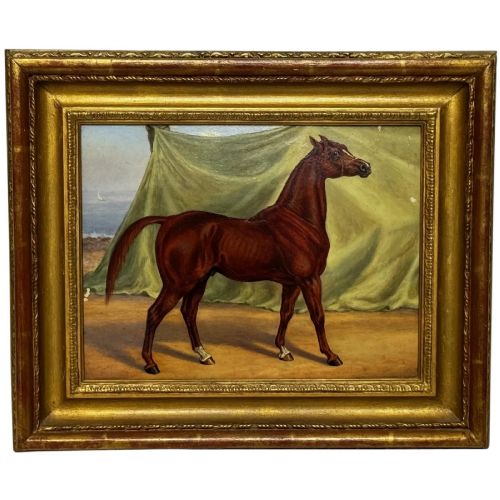
Equestrian fine art encompasses oil paintings, watercolours, and silk needlework focused on horses, riders, and rural scenes. Buyers searching this phrase will find works ranging from formal nineteenth-century portraits of individual hunters to lively depictions of country horse fairs and racing tracks.
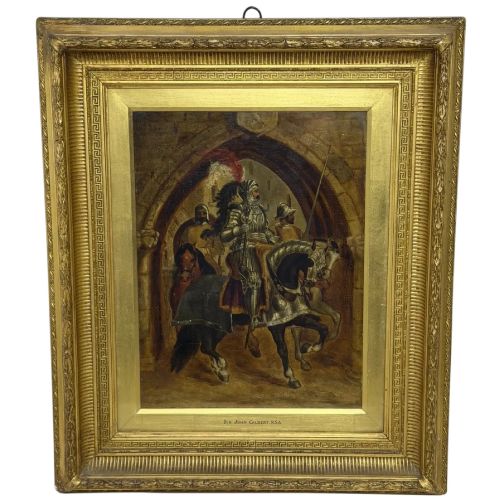
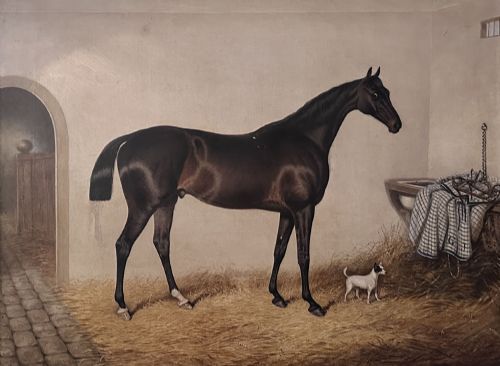
The selection on this page relies heavily on nineteenth-century and Victorian British pieces, alongside seventeenth-century Dutch master works and mid-twentieth-century examples. Common formats include framed oil paintings on canvas and paper works showing animals in stables, landscapes, and sporting environments.
How they were made
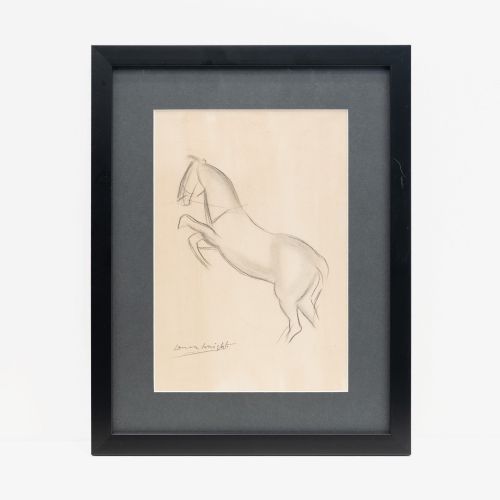
The majority of these works employ oil paint applied to canvas, capturing texture in the coats of horses and the surrounding landscapes. Artists utilised wood and giltwood frames to house the paintings, while paper supports and watercolours appear in smaller studies and detailed sketches.
Needlework pictures employ silk thread on fabric to render racing tracks and rural subjects with precise coloured detail. Traditional framing methods using glass and carved wood protect these delicate textile and paper surfaces from environmental damage.
Equestrian Fine Art Retail Price Guide 2026
Typical asking prices for equestrian fine art among the pieces listed under this phrase on Sellingantiques today, from the lower quarter to the upper quarter. They describe what is for sale here now, not the wider market.
Several horses in these paintings share stable yards with surprisingly attentive pigs and goats.
What varies in quality
Quality in equestrian fine art rests upon the anatomical accuracy of the horse and the fluidity of movement captured by the artist. Master works demonstrate a precise understanding of equine muscle structure and light reflecting on a coat, whereas lesser pieces rely on stiff outlines and repetitive background details.
The handling of the surrounding landscape and human figures also distinguishes finer examples from standard decorative works. Superior paintings integrate the animal naturally into its environment, balancing the composition between the principal subject and the atmospheric backdrop.
Albert Clark·Sir John Gilbert·Abraham Cooper·Dame Laura Knight·John Sanderson Wells·Léon Joseph Voirin·Valentine Thomas Garland·John Frederick Herring·Edward Brice Stanley Montefiore·Alexander Maclean·John Atkinson·Heywood Hardy·John Frederick Herring Jnr·Edward Lloyd·George Cattermole·Maurice Wagermans·George Cole·Philips Wouwerman·John Parker Davis
The Equestrian Fine Art Glossary
- Giltwood
- Wood carved and coated with a thin layer of gold leaf. This material appears frequently on the ornate frames surrounding nineteenth-century oil paintings.
- Needlework
- Pictures created by stitching thread onto a canvas or fabric backing. Silk thread versions depict complex sporting scenes and horse racing tracks.
- Sporting art
- Genre of painting dedicated to rural sports, hunting, and horses. These works document the specific breeds and activities popular during the Victorian period.
- Provenance
- The documented history of ownership attached to a work of art. Collectors use this record to verify the authenticity and origin of older paintings.
- Oil paint
- Pigment mixed with drying oil such as linseed. This medium allows for rich colour depth and subtle blending when rendering animal coats and landscapes.
Equestrian Fine Art: Frequently Asked Questions
What subjects appear in equestrian fine art?
These works feature individual horse portraits, hunting scenes, racing tracks, and rural farmyard settings with horses and carts.
Artists also recorded military cavalry skirmishes, horse fairs, and everyday roadside stagecoach journeys across various historical periods.
How do I identify a Victorian horse painting?
Victorian pieces frequently display deep oil pigments on canvas, often housed within swept giltwood frames. The subjects tend to focus on named hunters, stable yards, and romanticised rural landscapes.
Signatures, framing styles, and the specific clothing of accompanying human figures help confirm the nineteenth-century origin.
Were these works always painted on canvas?
While canvas is the most common support for oil paintings, creators also utilised paper for pencil studies and watercolours.
Textile pieces use silk needlework on fabric to recreate racing scenes without the application of paint.
How should I display antique oil paintings?
Hang these pieces away from direct sunlight and excessive moisture to protect the oil paint and canvas from cracking or fading.
Keep them in stable room temperatures and avoid placing them near active heat sources that might damage the wood and gilt frames.