



Epstein Walnut Cabinet
An epstein walnut cabinet delivers the bold geometric energy of the Art Deco period through figured timbers and substantial proportions.

Epstein Walnut Cabinet
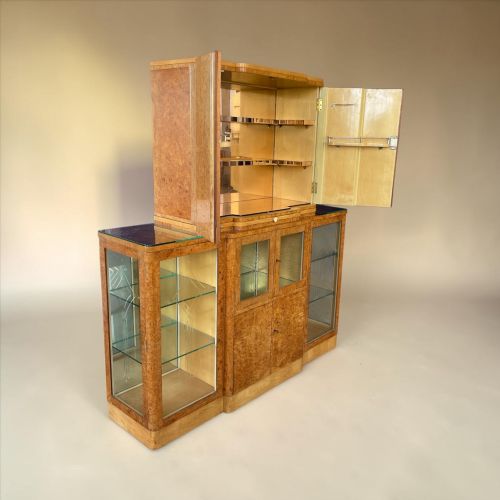
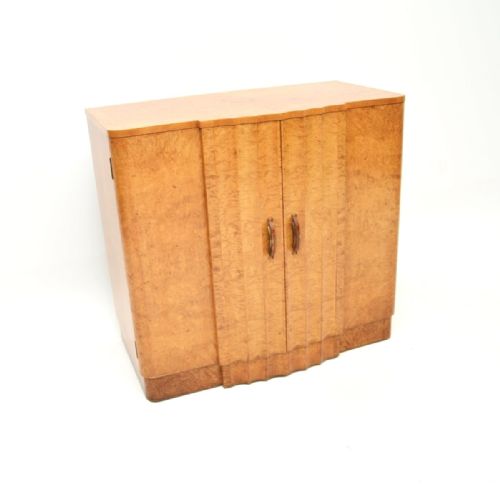
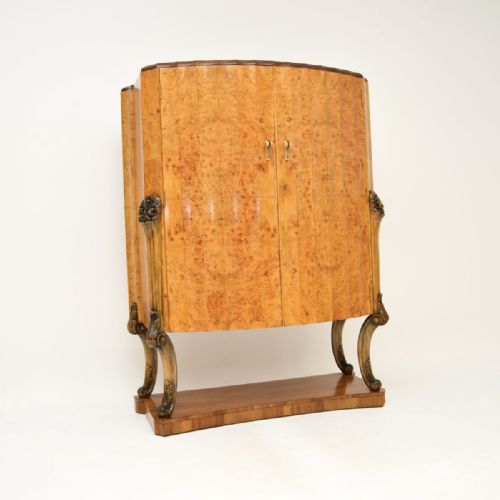
An epstein walnut cabinet encompasses forms designed for entertaining and storage during the interwar decades, taking shape as cocktail cabinets, sideboards, and drinks chests. These pieces emerge predominantly from the Art Deco style, capturing the distinct aesthetic of nineteen-twenty and nineteen-thirty British cabinet making.
The selection ranges from fitted cocktail bars and dry bars to display cabinets, bookcases, and sideboards. Cocktail cabinets and drinks chests dominate the forms, frequently combining drop-down serving surfaces with illuminated interiors and internal storage for glassware.
How they were made
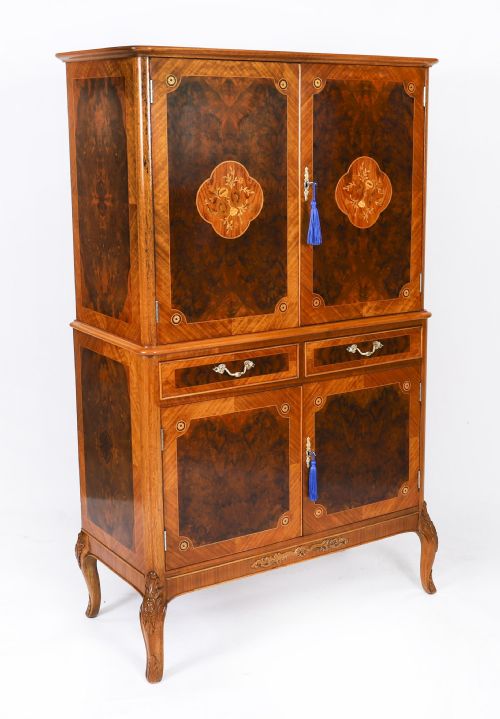
Maker workshops utilised solid wood frames overlaid with walnut veneer and burr walnut, selecting timber cuts to display rich grain patterns across large flat surfaces. Sycamore appears as a contrasting secondary timber in internal compartments and secondary details, while marquetry provides decorative surface patterns.
Hardware and functional elements incorporate brass, glass, mirror panels, and bakelite fittings. Electrical components are integrated into drinks cabinets to illuminate internal compartments when doors open.
Epstein Walnut Cabinet Retail Price Guide 2026
Typical asking prices for epstein walnut cabinet among the pieces listed under this phrase on Sellingantiques today, from the lower quarter to the upper quarter. They describe what is for sale here now, not the wider market.
Many cocktail cabinets retain original internal mirror glass and working electrical lights designed to illuminate your gin upon opening the doors.
What varies in quality
The grade of an epstein walnut cabinet rests upon the selection and matching of the burr walnut veneer across the primary doors and panels. Elaborate grain alignment and symmetrical book-matching separate standard production from exceptional examples.
Structural complexity also defines the piece, distinguishing simpler rectangular sideboards from elaborate cocktail cabinets featuring internal lighting, fitted mirror backs, and specialised shelving for glassware.
Harry and Lou Epstein·Epstein and Co
The Epstein Walnut Cabinet Glossary
- Burr walnut
- A wood cut from a tree growth that produces intricate, swirling grain patterns. This highly decorative veneer forms the primary exterior surface of Art Deco cabinets.
- Art Deco
- A design style spanning the nineteen-twenties and nineteen-thirties that emphasises streamlined geometric forms and modern materials. Cabinets from this period often display bold silhouettes and curved lines.
- Cocktail cabinet
- A specialised piece of furniture designed for mixing and storing drinks. These units typically include a drop-down flap for a mixing shelf alongside bottle storage and glassware racks.
- Marquetry
- The art of applying pieces of veneer to a structure to form decorative patterns and pictures. Craftsmen utilise this technique on cabinet doors to create geometric or pictorial compositions.
Epstein Walnut Cabinet: Frequently Asked Questions
What is an Epstein cabinet?
An Epstein cabinet is a piece of furniture produced by the Epstein firm during the Art Deco period. These items utilise walnut and burr walnut veneer across forms like cocktail cabinets, sideboards, and bookcases.
Production centres largely on the nineteen-twenties and nineteen-thirties, reflecting the distinct modernist design movements of those decades.
How do I use a cocktail cabinet?
Cocktail cabinets function as dedicated stations for storing and serving drinks. The typical design incorporates a drop-down front that serves as a preparation shelf, accompanied by glass shelving and bottle storage.
Internal mirrors and electrical lighting often assist with the presentation of glassware and bottles during evening entertaining.
What materials are used?
Construction relies heavily on walnut timber and burr walnut veneer applied over a sturdy wood carcass. Sycamore appears frequently as an internal contrasting wood for compartments and drawers.
Additional elements include brass handles, mirror glass panels, and bakelite details, which together define the material palette of the period.
How do I date these cabinets?
Dating relies upon stylistic markers from the Art Deco period alongside maker attribution and material combinations. Pieces date primarily to the nineteen-twenties and nineteen-thirties.
Construction techniques, such as the application of walnut veneer and the presence of period electrical fittings for internal illumination, assist in placing the item within this era.