



Engraved Silver Serving Flatware
These engraved silver serving flatware pieces are functional table implements bearing period decoration, prized for historic crests and craftsmanship.
Engraved Silver Serving Flatware
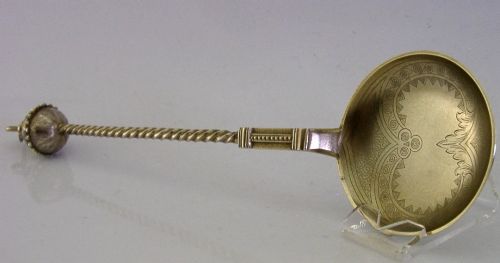
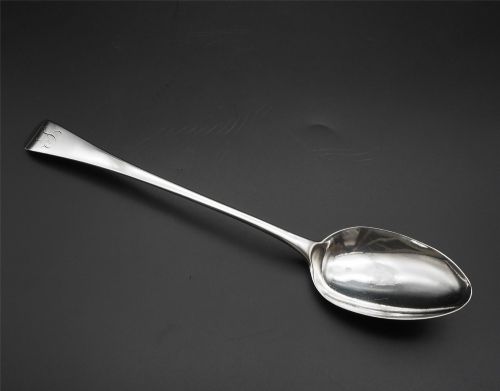
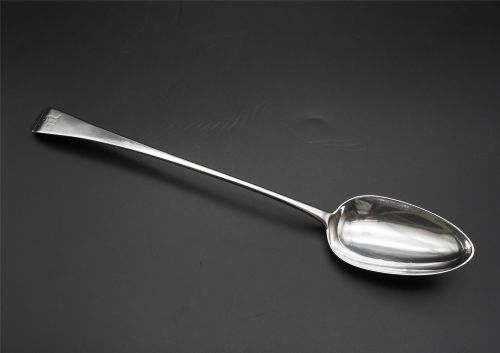
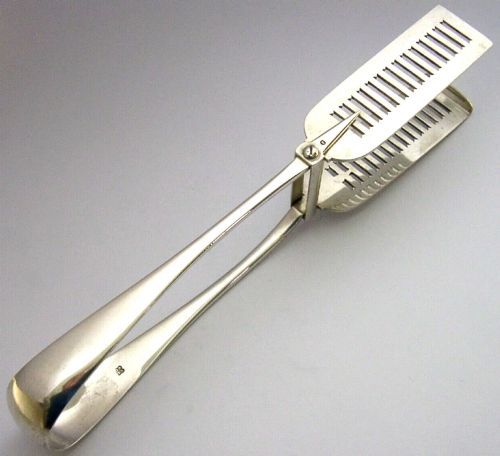
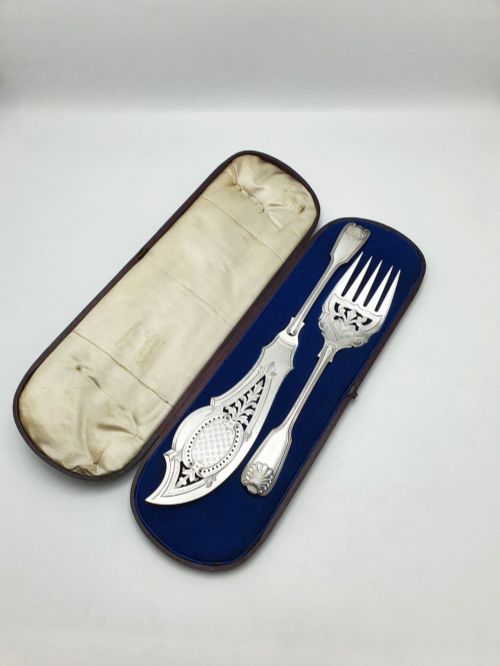
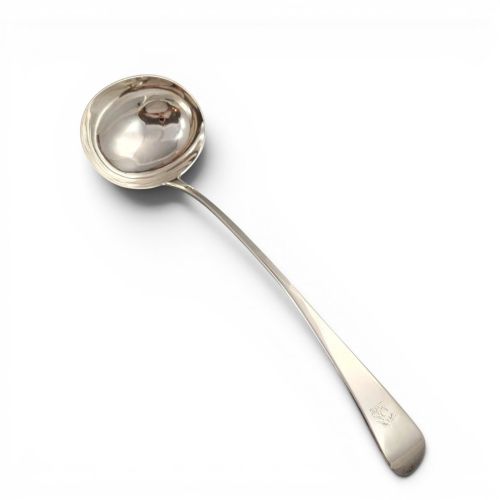
When you examine engraved silver serving flatware, you encounter utensils designed for presentation and division at the table, spanning periods from the eighteenth century through the Victorian era. These pieces include large serving spoons, basting spoons, soup ladles, fish slices, and serving tongs.
The objects appearing here originate from British regional and London workshops, alongside continental European and colonial makers, reflecting diverse stylistic movements such as Georgian, Victorian, and Edwardian. The selection leans heavily toward sterling silver and solid silver constructions, often carrying familial crests or intricate surface engraving.
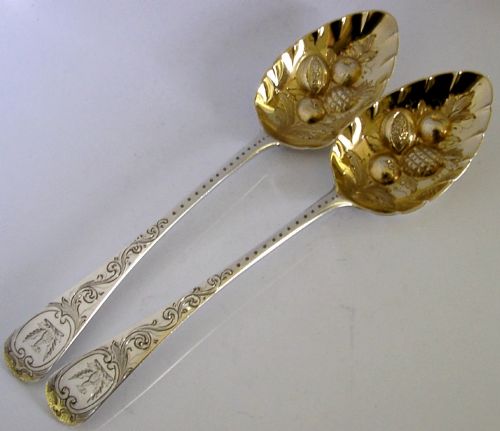
Buyers look for these items to connect with historical dining traditions while acquiring functional silver that displays period hallmarks and decorative motifs. Each utensil type fulfills a specific culinary role, from straining gravies to serving fish or berries.
Materials and Techniques
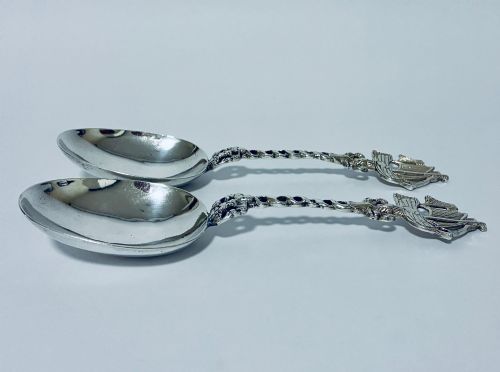
Makers utilised sterling silver, solid silver, and silver plate as the foundational metals, occasionally incorporating silver gilt, niello, or organic elements like antler handles. Metals were cast, hammered, and pierced to form blades, bowls, and tongs.
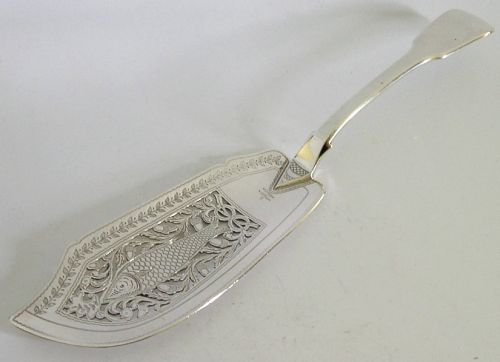
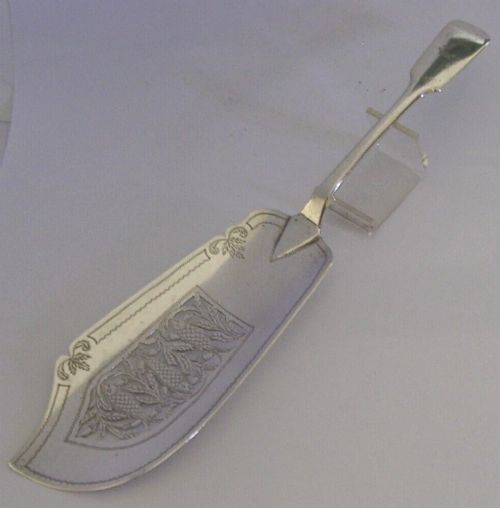
Surface decoration relies on manual engraving techniques, such as family crests inscribed into the metal, chased fruit motifs, and piercing work found on fish slices and berry spoons. Hallmark stamps were subsequently struck to record the metal standard, assay office, and year of manufacture.
Listings feature pieces spanning the Georgian, Victorian, and Edwardian periods, constructed from sterling silver, solid silver, and silver-plate.
Differentiating Quality
The distinction between standard examples and superior pieces rests upon the crispness of the hand engraving and the weight of the metal utilised. Heavy gauge sterling silver retains structural integrity and preserves deep, legible crests and hallmarks over centuries of use.
Design complexity also separates pieces, with finely pierced blades, cast figural handles, and matched boxed sets representing higher tiers of craftsmanship. Regional provenance and maker attribution add historical depth that elevates specific items above standard production.
William Chawner II·Michael Smith·Wilkes Booth·James Tookey·Richard Rae
The Engraved Silver Serving Flatware Glossary
- Sterling silver
- A silver alloy containing 92.5 percent pure silver and 7.5 percent other metals, typically copper, used to ensure durability in flatware.
- Basting spoon
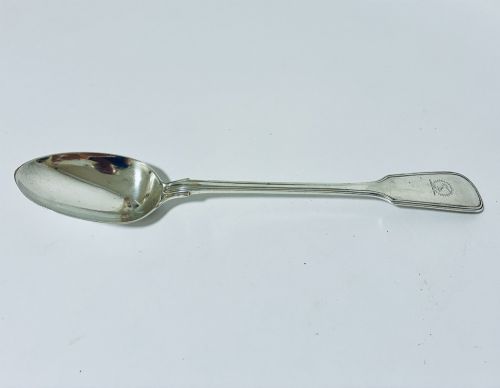
- A large spoon traditionally used to scoop and pour pan juices over roasting meat, frequently featuring engraved family crests.
- Fish slice
- A wide, often pierced flatware implement designed for serving fish portions cleanly at the dining table.
- Hallmark
- A series of official marks stamped onto silver items to indicate the assay office, metal purity, and date of manufacture.
- Niello
- A black metallic alloy used as an inlay on engraved silver surfaces to create contrasting decorative patterns.
Engraved Silver Serving Flatware: Frequently Asked Questions
What is engraved silver serving flatware used for?
These utensils serve specific culinary tasks at the dining table, such as transferring large portions of meat, fish, soup, or vegetables. They were manufactured to handle heavier items than standard individual cutlery.
Historically, they formed part of formal dining services where presentation matched the status of the household. Today, collectors utilise them for traditional dining or display them for their historical crests and craftsmanship.
How can I tell the period of a piece?
Dating relies primarily on the stamped hallmarks, which record the assay office and the exact year of production. Stylistic indicators, such as Old English patterns or Rococo Revival motifs, also point toward specific eras.
Examining the depth of the hand engraving and the construction techniques helps corroborate the period suggested by the marks. Comparing the crest style to known heraldic records provides further chronological context.
Are these items made of solid silver or plated?
The materials vary between solid sterling silver, silver-gilt, and silver-plate over a base metal. Listings specify the exact composition based on hallmarks or testing results.
Solid silver pieces typically bear standard hallmarks indicating the silver content, whereas plated items display alternative manufacturer marks. Weight often serves as an initial indicator of solid metal construction.
How do I care for antique silver flatware?
Maintenance involves gentle cleaning with appropriate silver polishes designed to preserve the original patina and engraving. Avoid harsh abrasives that can wear away thin silver plating or soften crisp hand-engraved details.
Storage in tarnish-resistant cloth or lined boxes protects the metal from atmospheric oxidation when not in use. Regular, careful handling prevents undue stress on delicate joints in tongs and pierced blades.