




Engraved Silver Bowl
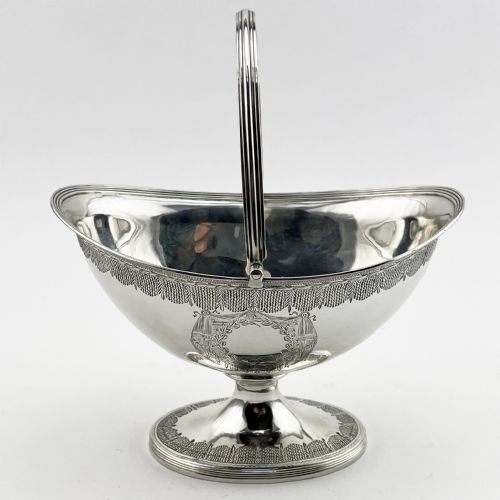
When you search for an engraved silver bowl, you are looking at metalwork transformed by the cutter's hand, from Georgian sugar baskets to Middle Eastern inlaid vessels.
Engraved Silver Bowl
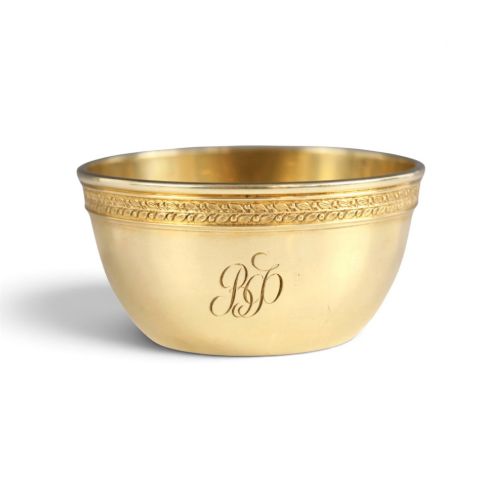
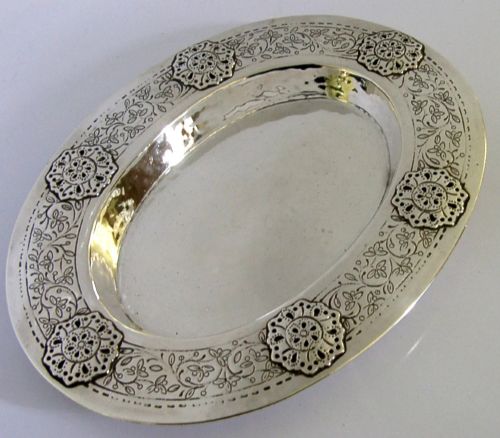
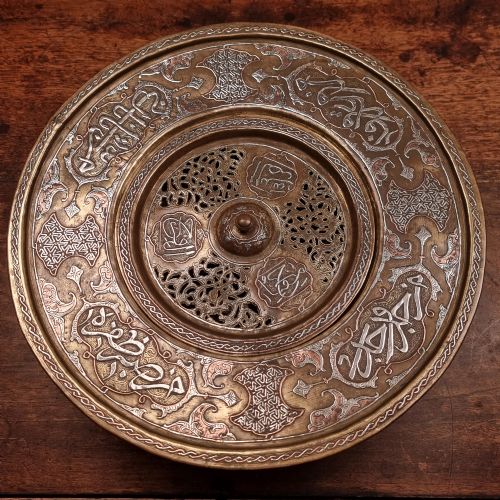
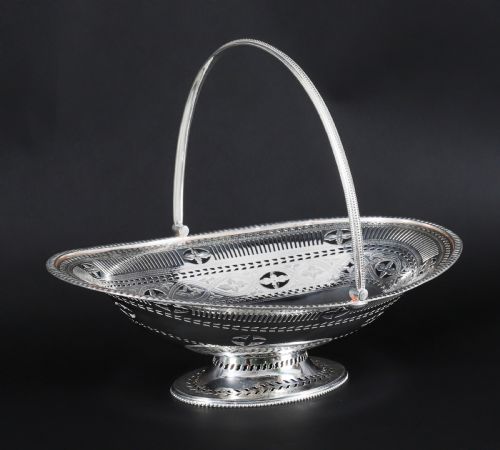
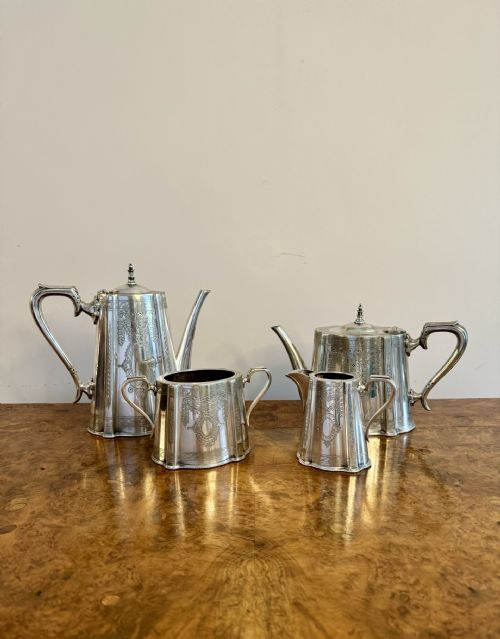
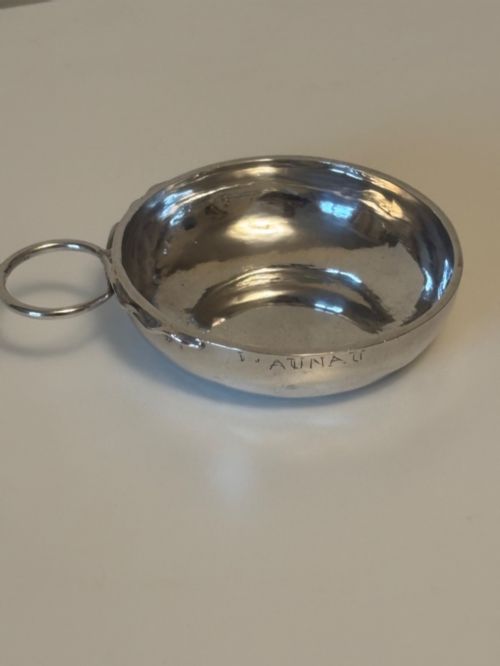
An engraved silver bowl spans utilitarian tableware and decorative display pieces, encompassing sugar baskets, fruit baskets, and small table bowls. You will frequently encounter items originating from Georgian, Victorian, and Edwardian periods, alongside pieces displaying Middle Eastern and Islamic influences.
The selection ranges from sterling silver to silver plate, copper, brass, and silver gilt. Forms vary from simple circular vessels to elaborate neo-classical shapes and revival designs.
Materials and methods
Items are formed from sterling silver, silver plate, copper, and brass, often employing silver gilt or mixed metals to achieve tonal contrast. Surface enrichment relies on manual engraving, chasing, and metal inlay techniques.
Makers utilised precise hand tools to incise floral motifs, scrolls, leaf patterns, and family crests directly into the metal body.
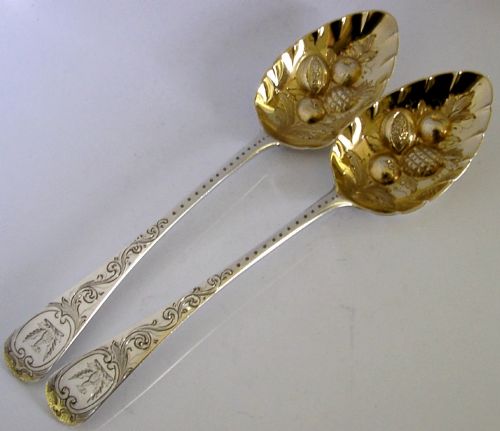
Some nineteenth-century bowls arrive with unexpected companions, including matching sifter spoons, berry forks, or secret compartments for hidden treasures.
Evaluating craftsmanship
Quality rests upon the depth, clarity, and precision of the engraved decoration. Crisp, well-defined lines that flow naturally across the surface distinguish finer examples from simpler work.
The weight of the metal, the balance of the form, and the integration of handles or mounts further separate standard production pieces from masterwork items.
Stephan Wekeva·Walker and Hall·Henry Chawner·Pierre Fournerot·William Chawner II·Michael Smith·Thomas Smily
The Engraved Silver Bowl Glossary
- Sterling silver
- A silver alloy containing 92.5 percent pure silver by mass, with the remainder consisting of other metals, usually copper. This standard forms the basis for British tablewares and hollowware.
- Silver gilt
- Sterling silver that has been coated with a thin layer of gold on its surface. This technique produces a rich, two-tone golden sheen.
- Old Sheffield plate
- An early fused plating method where a sheet of silver is fused to a thicker base of copper. This process creates durable tableware that predates modern electroplating.
- Neo-classical
- A style drawing inspiration from the classical art and architecture of ancient Greece and Rome. It frequently incorporates symmetrical lines, urn motifs, and restrained floral garlands.
- Comport
- A decorative stand or elevated dish used for serving fruit or sweetmeats at the table. These pieces often feature an engraved bowl raised on a central foot.
Engraved Silver Bowl: Frequently Asked Questions
How do I clean an engraved silver bowl?
Clean your piece gently using a soft cloth and a specialised silver cleaner to avoid wearing down the engraved details. Wash away residue with warm soapy water and dry thoroughly.
Avoid abrasive pastes or harsh dipping solutions that can strip patination from the recesses of the engraving. Regular, gentle dusting preserves the surface finish without harming the metal.
Are these bowls safe for food?
Many solid sterling silver and silver-plated vessels were originally designed for sugar, fruit, or dry foodstuffs. You can use them for similar dry presentations today.
Exercise caution with acidic foods, particularly in older silver-plated or copper pieces where the base metal might be exposed. Modern usage is often best directed toward display or holding trinkets.
How can I date an antique silver bowl?
British pieces typically bear hallmarks that indicate the assay office, the maker, and a specific date letter. Examining these stamped marks provides the most accurate chronological placement.
Where hallmarks are absent, stylistic clues such as neo-classical forms, Edwardian proportions, or specific engraving patterns help narrow down the period of manufacture.
What is the difference between silver and silver plate?
Solid silver objects consist of the same precious metal throughout their entire structure, maintaining their material composition even if worn. Silver plate involves a thin layer of silver bonded over a base metal like copper or nickel.
Examining the rim or underside often reveals where the underlying base metal shows through through wear, distinguishing plated items from solid silver.