






Georgian Silver Basin
These georgian silver basin pieces span fine sterling silver and plate, offering robust forms designed for sugar and salt that anchor a serious table.
Georgian Silver Basin
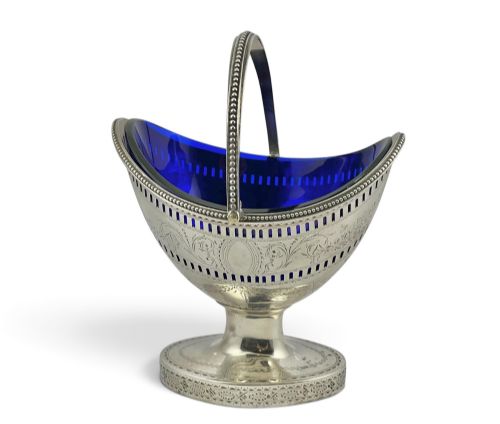
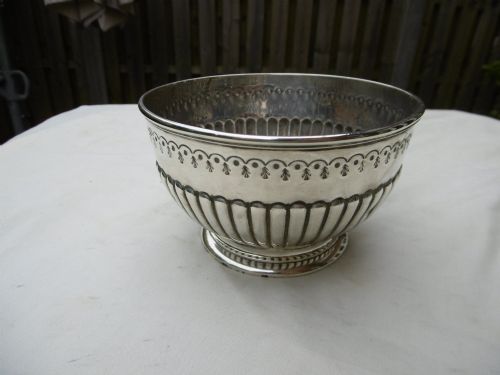
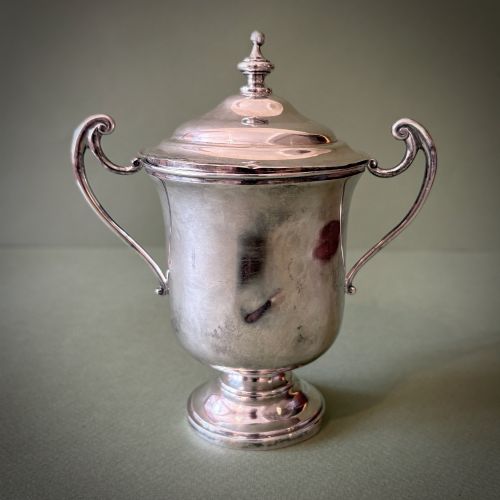
When you search for georgian silver basin items, you encounter forms centred on sugar baskets, sugar bowls, and salt cellars rather than simple wash basins. The listings bring together eighteenth century and nineteenth century pieces, taking in George III, George II, and Edwardian revivals alongside early American and Irish smithwork.
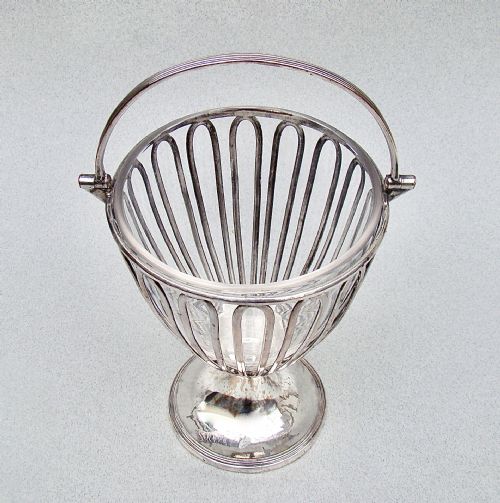
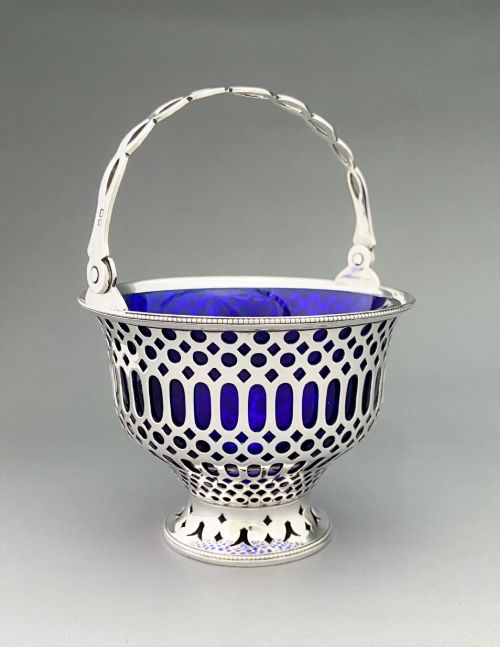
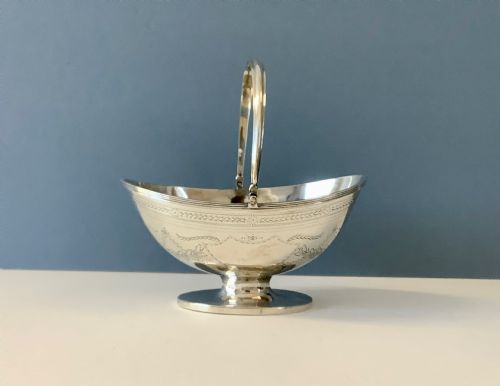
Most examples you meet on this page are sugar baskets with swing handles or open bowls, fashioned in sterling silver or silver plate. Makers applied styles ranging from restrained Georgian lines to elaborate Adam and rococo ornament, creating vessels that held pride of place on the dining table.
The objects cross several decades and incorporate materials like ruby glass and gold gilt alongside solid sterling silver. Regional centres such as London, Chester, Dublin, and Edinburgh each contributed distinct regional traits to these domestic vessels.
How they were made
Silversmiths formed these vessels from sterling silver or copper covered in silver plate, employing hammering, piercing, and casting techniques. Master smiths raised bowls from sheet metal or cast heavier mounts and handles before soldering the components together.
Interiors often received a layer of gold gilt or gold vermeil to protect the silver from acidic contents like sugar or fruit. Pierced decoration required careful hand-sawing to create openwork patterns on swing handled baskets, while glass liners in ruby glass provided contrasting colour and practical containment.
Georgian Silver Basin Retail Price Guide 2026
Typical asking prices for georgian silver basin among the pieces listed under this phrase on Sellingantiques today, from the lower quarter to the upper quarter. They describe what is for sale here now, not the wider market.
Some swing handled baskets retain their original ruby glass bowls, surviving centuries of tea service without a single chip.
What varies in quality
Quality rests upon the crispness of the hand-pierced work and the weight of the metal utilised in the body and handle. Heavier gauge silver retains its structural integrity and resists distortion along the rim and swing handle mechanisms.
The reputation of the maker and the clarity of the town marks, date letters, and maker's stamps elevate an example significantly. Finer pieces demonstrate precise chasing and balanced proportions that distinguish master workshops from standard commercial production.
Peter and William Bateman·Paul Storr·John Kincard·George Fox·Walter Brind
The Georgian Silver Basin Glossary
- Sterling silver
- A silver alloy containing 92.5 percent pure silver and 7.5 percent other metals, usually copper. This standard ensures the metal is durable enough for functional tableware.
- Swing handled
- A movable arched handle attached to the rim of a basket by pivots. This feature allows the handle to drop flat against the vessel when not in use.
- Silver gilt
- Silver objects that have been coated with a thin layer of gold on the surface. This technique provides a rich appearance and protects the underlying silver from tarnishing.
- Sheffield plated
- An early method of fusing a thin sheet of silver to a thicker copper base before rolling them into sheets. This process produced accessible tableware before electroplating became common.
- Sugar basket
- A small footed vessel designed to hold loose sugar cubes or crystals on the tea or dessert table. They frequently feature pierced bodies and fixed or swing handles.
Georgian Silver Basin: Frequently Asked Questions
What were georgian silver basin pieces used for?
These vessels served primarily as sugar baskets or bowls on the tea table, holding refined sugar before the advent of granulated sugar blocks. Salt cellars performed a similar function for dining tables, holding coarse salt.
They sat centrally among teaware services or dinner settings, combining functional utility with social display during formal meals.
How do I identify a Georgian piece?
Look for hallmarks stamped into the metal, which include a maker's mark, a standard mark like the lion passant, and a date letter corresponding to the reigns of the Georges. stylistic clues like neoclassical Adam ornamentation also point to the period.
Weight, construction methods, and period-specific engraving styles help separate genuine eighteenth century items from later Edwardian revivals.
Why do some baskets have glass liners?
Glass liners were inserted into pierced or openwork silver baskets to contain moist or loose contents without spilling through the decorative gaps. Ruby glass was a popular choice for its rich colour.
These liners protected the silver metal from direct contact with acidic substances, preserving the interior finish over decades of use.