
Engraved Drinking Glass
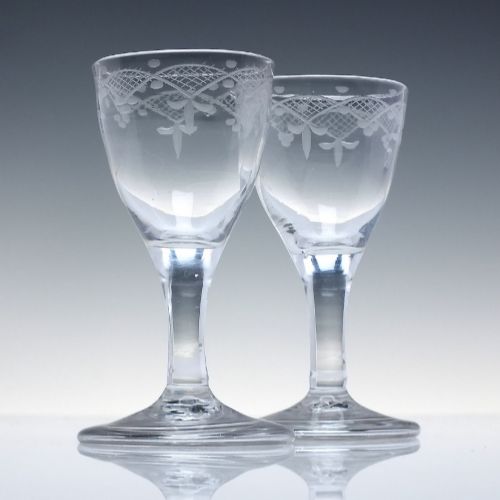
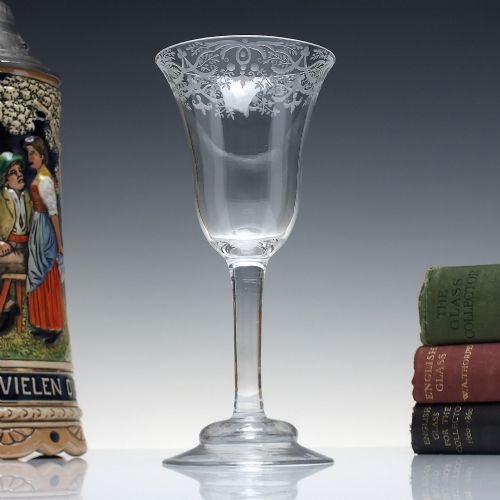
These engraved drinking glass examples range from delicate eighteenth-century wine stems to robust Victorian tumblers, prized for their surface detail and heavy metal weight.
Engraved Drinking Glass
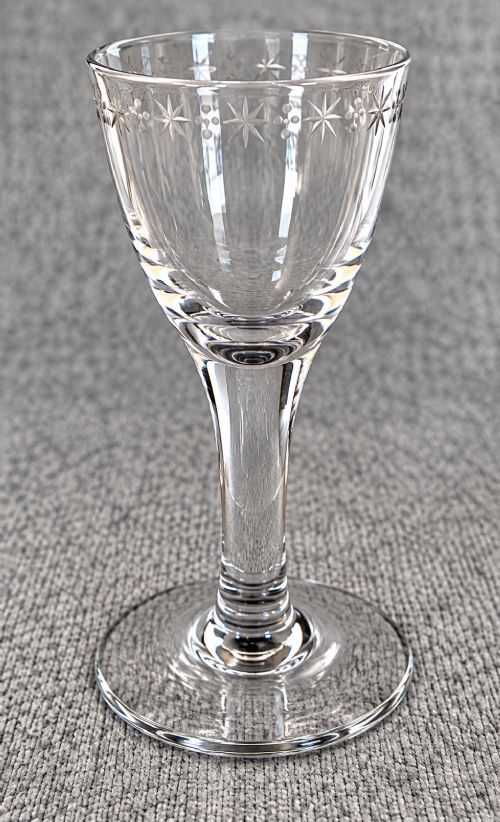
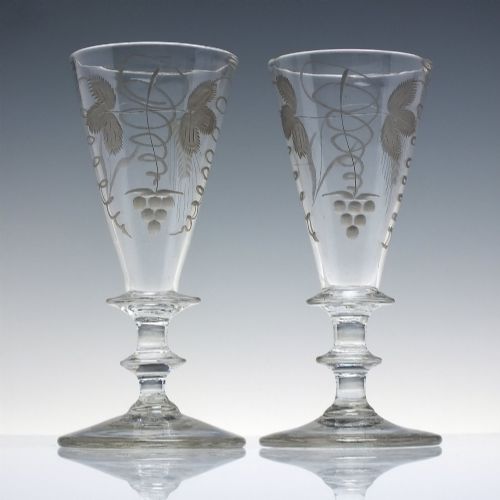
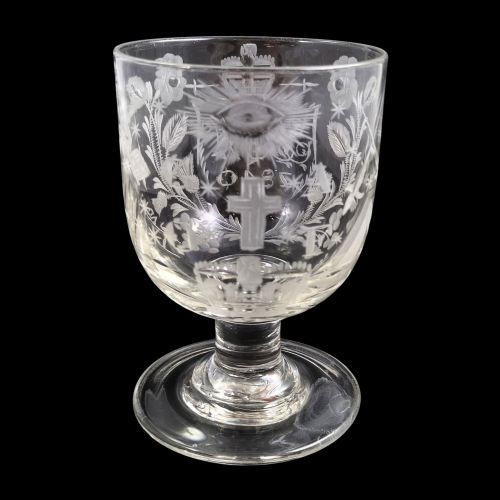
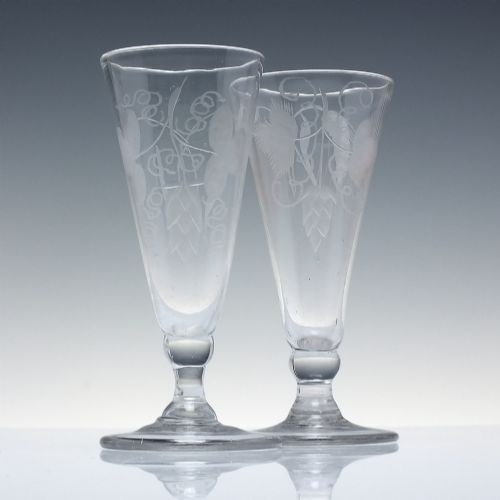
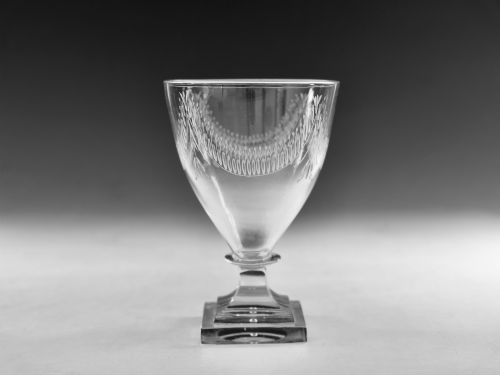
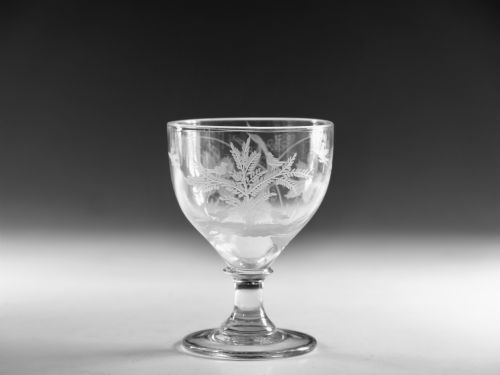
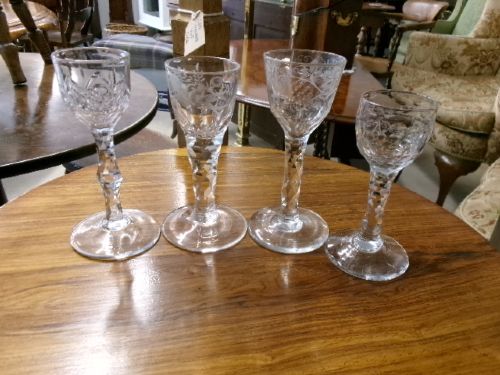
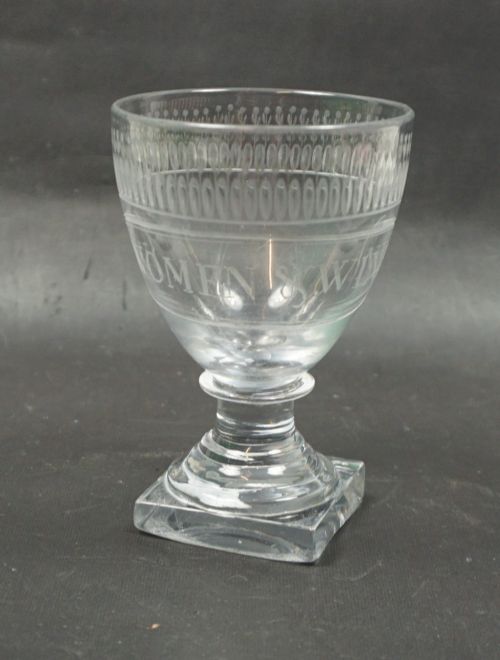
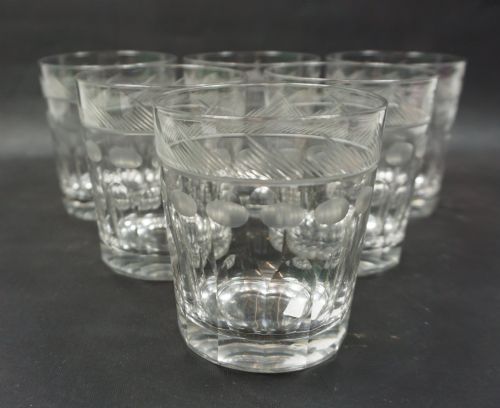
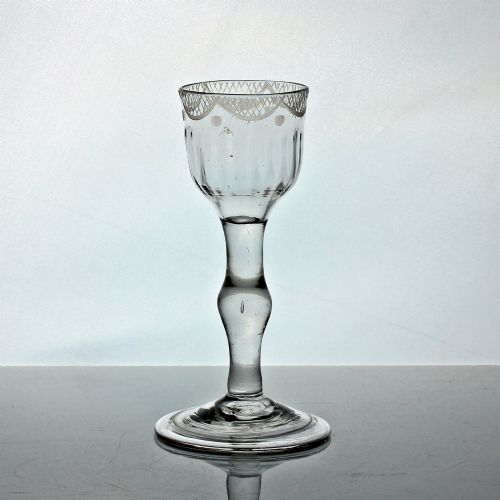
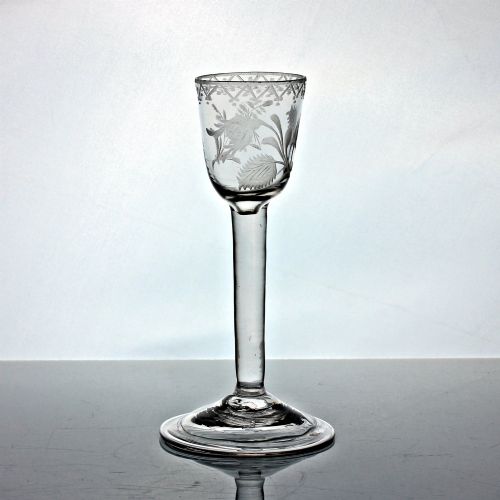
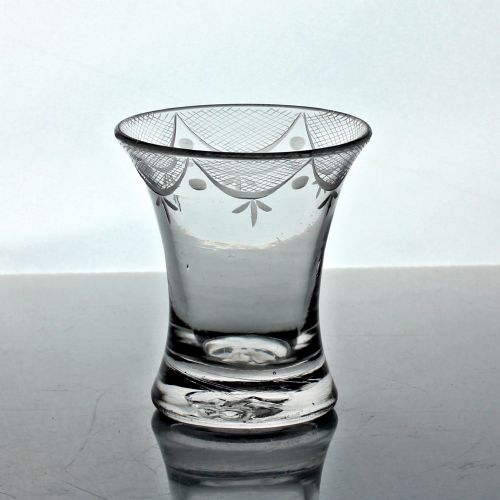
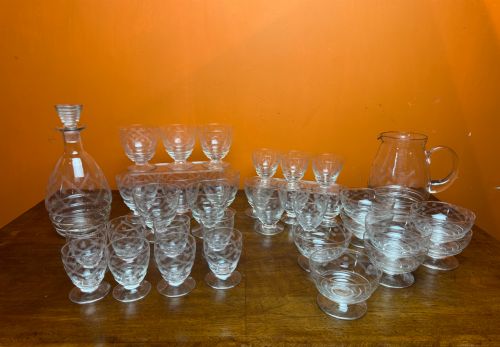
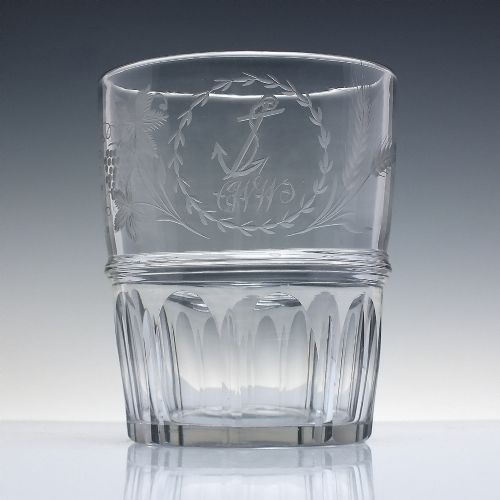
When you search for an engraved drinking glass, you are looking at functional vessels transformed by wheel-cut or diamond-point decoration into social statements or commemorative objects. The pieces appearing here span from eighteenth-century dram glasses and wine stems with air twists to nineteenth-century Masonic tumblers and hefty Edwardian ale services.
The most common forms you will meet on this page are Georgian wine glasses, heavy rummers, and tall ale flutes. These vessels record past toasts, political allegiances, and social clubs through botanical motifs, coats of arms, and detailed inscriptions.
Originating largely from English glasshouses alongside French and Bohemian workshops, these items survive as evidence of historical drinking customs. They bridge the gap between utilitarian tableware and cabinet pieces, offering tactile engagement with centuries of social history.
How they were made
Makers relied primarily on lead glass, lead crystal, and flint glass to achieve the clarity and heavy refractive quality required for deep wheel-cutting and fine engraving. The addition of lead oxide to the metal made the material softer and easier to work under a small copper wheel.
Decoration was applied using abrasive wheels of varying sizes or diamond points, cutting directly into the cooled surface of the bowl, stem, or foot. Certain vessels also incorporate enamel or coloured twists within the stem to add visual complexity to the clear body.
Early drinkers could slam heavy firing glasses onto tavern tables without shattering them, thanks to bases thick enough to survive a toast to the regiment.
What varies in quality
The clarity of the metal itself sets the baseline, with high-lead crystal offering a brilliant, refractive surface that elevates the engraved motifs. Poorer material often shows cloudiness, bubbles, or dull grey tones.
The execution of the engraving separates ordinary productionware from exceptional studio work. Crisp lines, deep relief, and precise composition in the cutting indicate an artisan who understood how light interacts with the vessel wall.
The Engraved Drinking Glass Glossary
- Rummer
- A large, sturdy English drinking glass popular from the late eighteenth through the nineteenth centuries, typically used for ale, wine, or punch. They often feature bucket bowls and thick, short stems.
- Air twist
- A decorative stem formation containing elongated spiral bubbles trapped within the glass. This was achieved by drawing out a rod containing air capsules while the metal was hot.
- Ogee
- A bell-shaped bowl with an 'S' curve profile, swelling outwards at the rim and curving inwards towards the base. This form appeared frequently on eighteenth-century wine and ale glasses.
- Firing glass
- A stout drinking vessel with a remarkably thick, heavy foot designed to be banged on a tavern or lodge table instead of set down gently. The impact made a sound like a musket shot.
- Intaglio
- A technique where the design is carved into the surface of the glass rather than raised above it, creating a sunken relief. This method requires considerable skill with a cutting wheel.
Engraved Drinking Glass: Frequently Asked Questions
How do I date an old drinking glass?
Look closely at the form of the bowl, the construction of the stem, and the shape of the foot. Pontil marks on the underside and the presence of lead in the glass can also help narrow down the period.
Changes in glass technology and prevailing social fashions dictated these forms across the eighteenth and nineteenth centuries. Comparing specific stem twists and bowl shapes against documented examples provides the clearest chronological anchor.
Were these engraved glasses used daily?
Many sturdy rummers and heavy tumblers were designed for regular tavern or household use, handling daily toasts and gatherings. Others, particularly delicate air twists or commemorative pieces, served primarily as display or ceremonial objects.
The durability of lead crystal allowed robust pieces to survive centuries of washing and handling, while more fragile stems were kept safely in cabinets.
What does a Jacobite engraving mean?
Jacobite glasses feature secret symbols and coded Latin phrases supporting the exiled Stuart claim to the British throne. Common motifs include the oak leaf, the rose, and hovering butterflies.
These symbols allowed sympathizers to toast the king over the water during clandestine political gatherings without risking immediate arrest for treason.
Can I safely drink from antique glassware?
Most antique lead glass is stable enough for occasional use, though acidic liquids should not be left sitting in older crystal for extended periods. Hand washing in lukewarm water without harsh detergents protects the fragile material.
Inspect the rim and foot for old chips before use, as thermal shock from hot liquids can crack fragile historical vessels.
Why do some glasses have folded feet?
A folded foot was created by turning the outer edge of the glass back underneath itself while hot, creating a smooth, reinforced rim. This technique provided extra weight and strength to the base of eighteenth-century stems.
It was a mark of careful craftsmanship that prevented the delicate foot from chipping easily during tavern use or storage.