




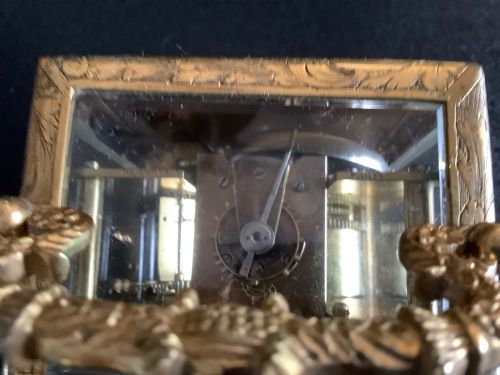


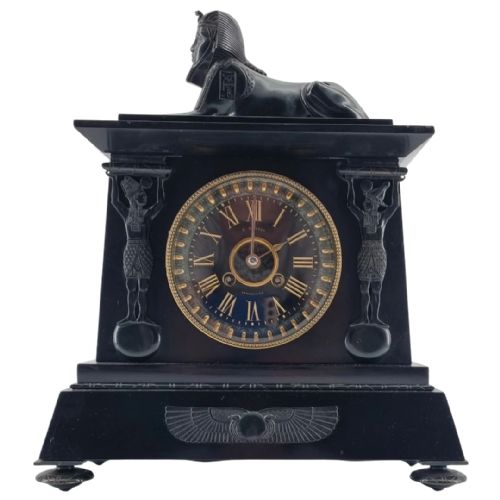
Engraved Brass Table Clock
An engraved brass table clock brings mechanical precision and fine metalwork together, forming a functional centrepiece for a desk or mantel.
Engraved Brass Table Clock
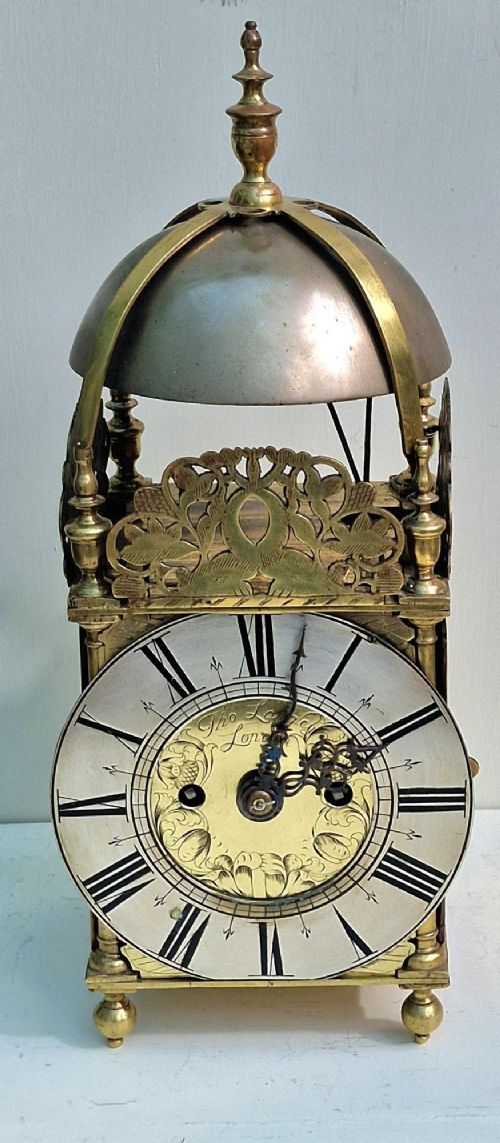
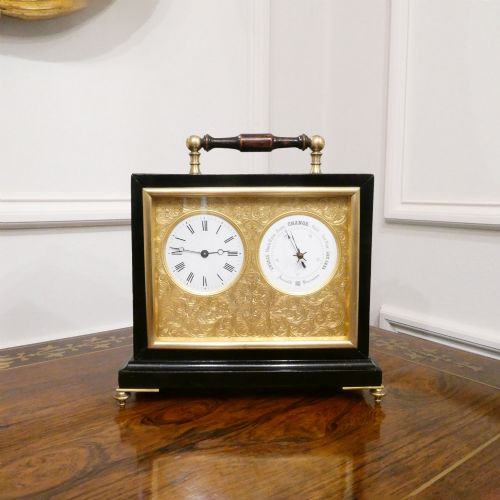
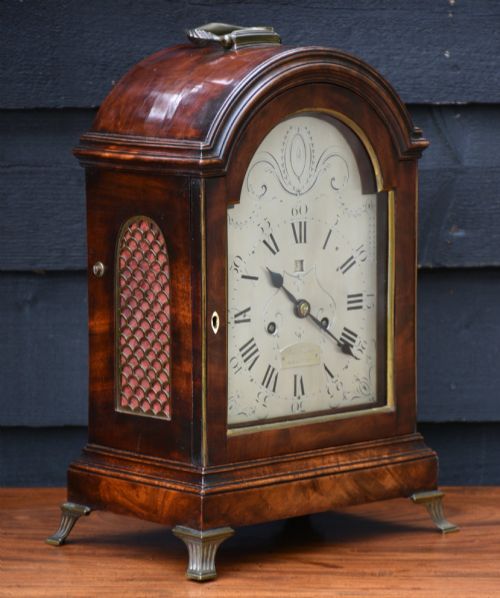
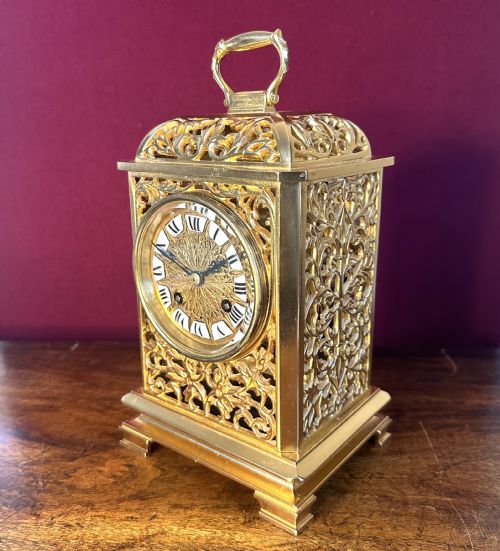
An engraved brass table clock encompasses a varied selection of timepieces designed for domestic interiors, spanning mantel clocks, bracket clocks, lantern clocks, and carriage clocks. These objects emerge across multiple periods, including the seventeenth century, Victorian era, and Edwardian years, with nineteenth-century French and English examples appearing frequently on this page.
Buyers seeking an engraved brass table clock encounter diverse forms, ranging from miniature carriage clocks and library clocks to substantial lantern clocks and striking bracket clocks. The selection includes specific housing designs such as gilt brass cases, glass panels, and mahogany or rosewood surrounds.
Distinctions in Quality
Quality varies according to the depth and precision of the hand engraving across the brass case and dial, alongside the complexity of the internal movement, such as quarter striking or year-running mechanisms. Superior examples display refined metalwork and integrated complications executed by recognised makers or retailers.
Engraved Brass Table Clock Retail Price Guide 2026
Typical asking prices for engraved brass table clock among the pieces listed under this phrase on Sellingantiques today, from the lower quarter to the upper quarter. They describe what is for sale here now, not the wider market.
Some library clocks run for an entire year on a single wind, saving owners from weekly maintenance.
Thomas Langley·Mappin & Webb·Howell & James·Arnold and Frodsham·Thomas Cole·James Cole·Hunt And Roskell·Charles Frodsham·Holingue Frères·Drocourt·Tiffany·William Clement·Mathias Bauerle·L Epee·John Massey
The Engraved Brass Table Clock Glossary
- Fusee
- A conical pulley used in mechanical clocks to maintain an even pull on the movement as the mainspring unwinds. This mechanism helps ensure consistent timekeeping.
- Lantern clock
- An early form of brass chamber clock, typically weight or spring-driven, featuring a square brass frame designed to stand on a bracket or table. These clocks often display prominent bell tops and engraved chapter rings.
- Carriage clock
- A small, spring-driven clock developed for travelling, usually housed in a brass frame with glass panels and a carrying handle on top. Many examples feature engraved gilt brass cases.
- Bracket clock
- A portable table clock originally built with a sturdy bracket for support, featuring mechanical movements housed in wooden or metal cases. These timepieces frequently incorporate striking mechanisms.
- Library clock
- A table clock designed for domestic study or library spaces, often featuring glass panels that reveal the internal movement. Examples frequently utilise single fusee brass movements.
- Enamel dial
- A clock face made by fusing powdered glass to a metal substrate at high temperatures, providing a durable and smooth surface for painted numerals.
Engraved Brass Table Clock: Frequently Asked Questions
What is an engraved brass table clock?
An engraved brass table clock is a portable or stationary timekeeper housed in a brass case decorated with surface incisions. These clocks take forms such as carriage clocks, lantern clocks, and library clocks.
They rely on mechanical movements, including fusee and spring-driven mechanisms, and date from the seventeenth century through to the twentieth century.
How do I wind an antique carriage clock?
Winding requires a matching key inserted into the winding squares located on the backplate or dial plate of the movement. Care must be taken not to over-wind the mainspring.
Many antique carriage clocks are eight-day timepieces, meaning they require attention roughly once a week to maintain continuous operation.
Where were these clocks placed?
These clocks were designed for placement on desks, tables, brackets, and mantelpieces in domestic rooms and studies. Their portable nature allowed owners to move them between rooms as needed.
Carriage clocks were originally built for travel, while heavy lantern clocks and library clocks remained stationary on wooden furniture.
How do I tell a French carriage clock from an English one?
French carriage clocks frequently feature exposed platform escapements visible through glass panels and often utilise gilt brass framing. English table clocks more commonly appear as fusee timepieces within wooden cases or brass lantern formats.
Examining the internal movement plates and signature styles helps identify the regional origin of the piece.