
French Brass Travel Clock
A french brass travel clock is a portable timepiece housed in gilt brass and glass, prized for bringing mechanical precision to the road.
What they are
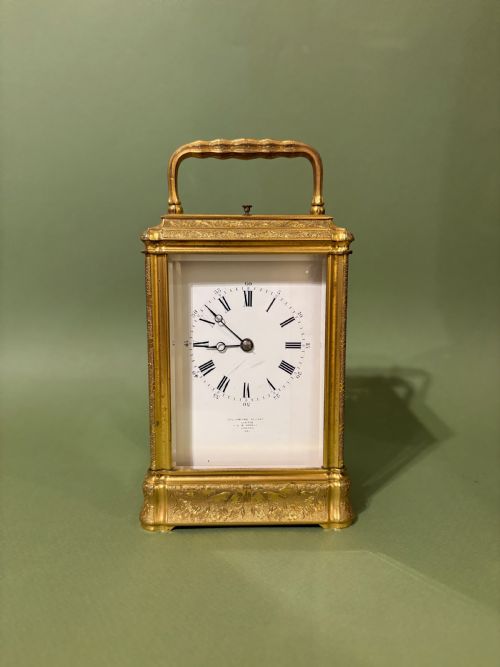
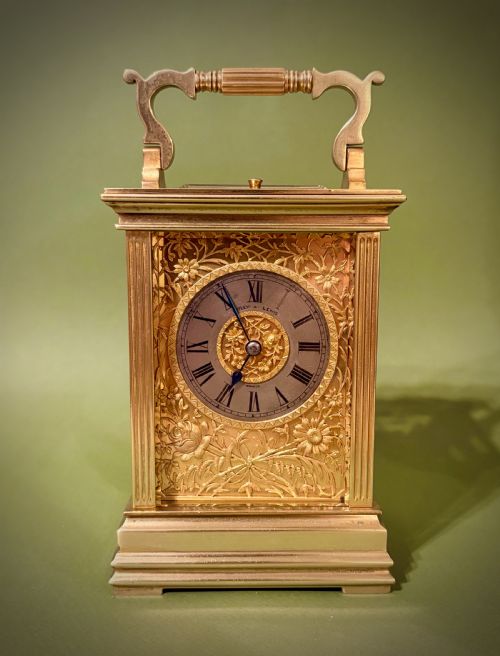
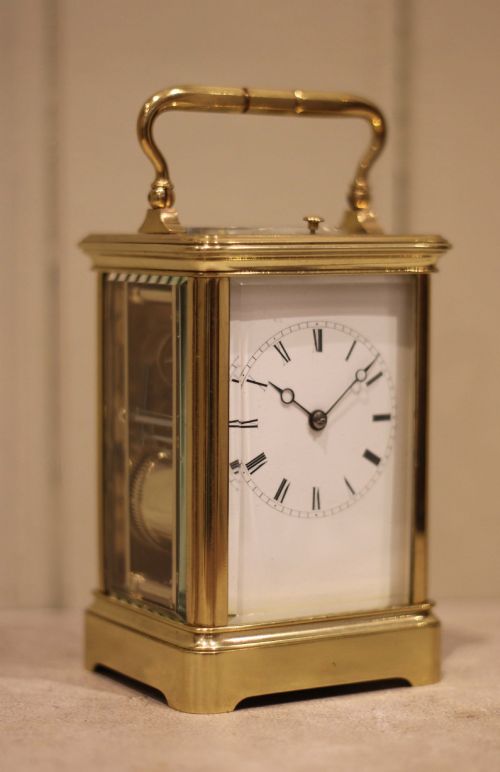
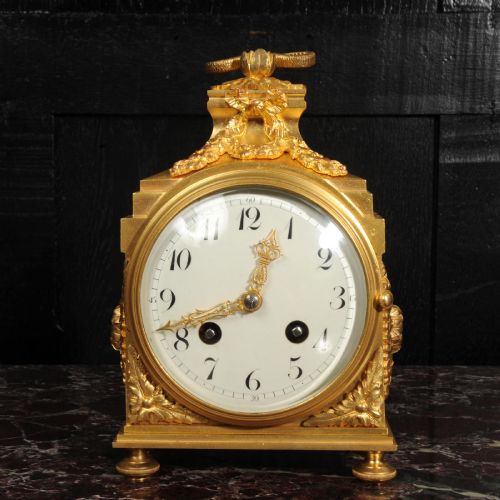
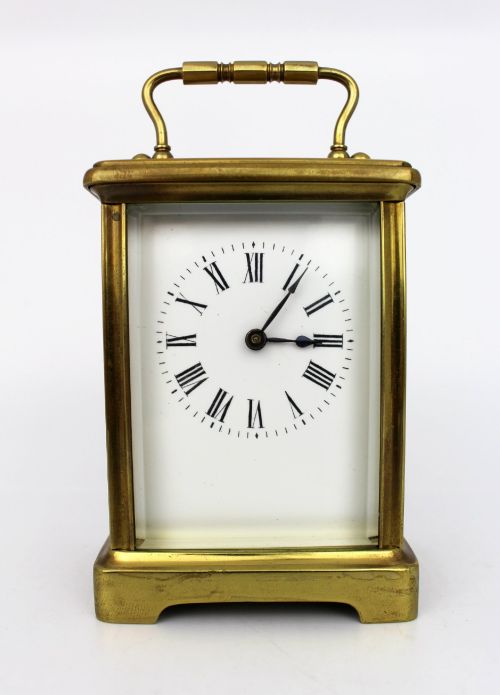
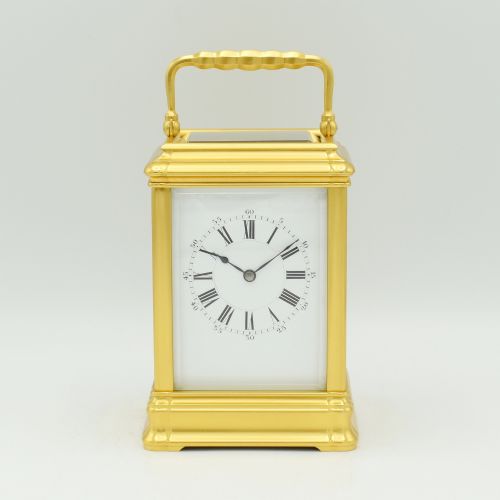
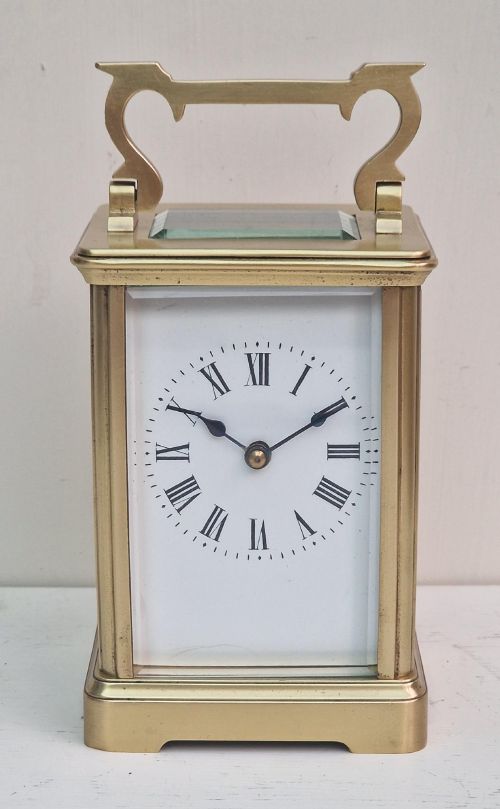
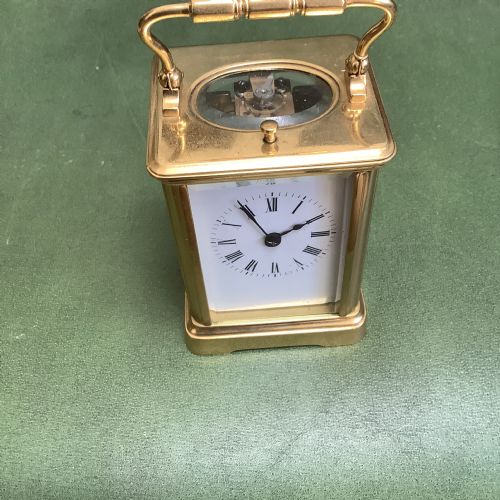
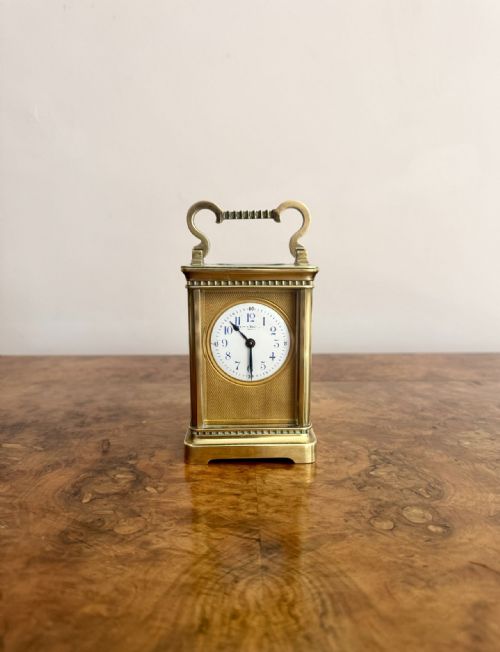
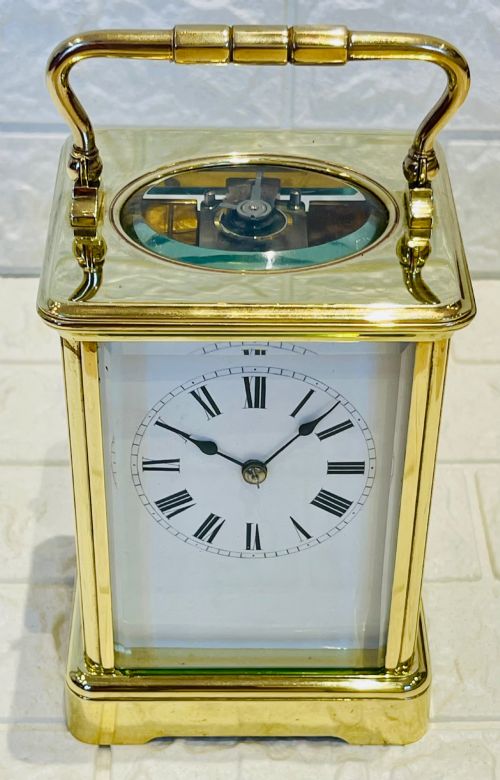
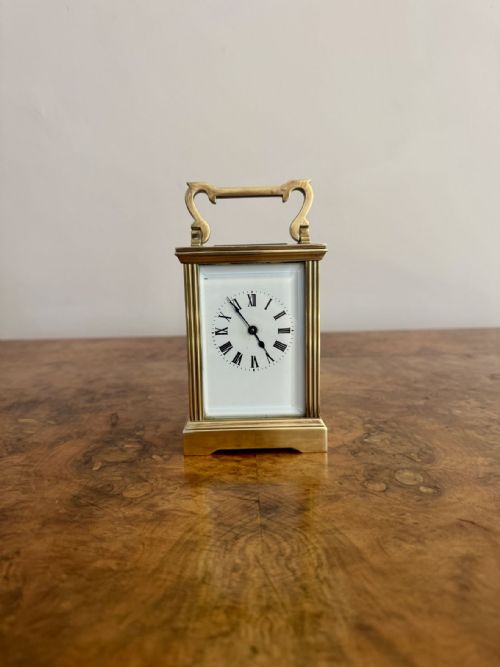
When you search for french brass travel clock, you are looking at carriage clocks originating in France during the nineteenth century. The examples on this page span from the eighteen-sixties to the eighteen-nineties, encompassing Victorian and late nineteenth century French styles.
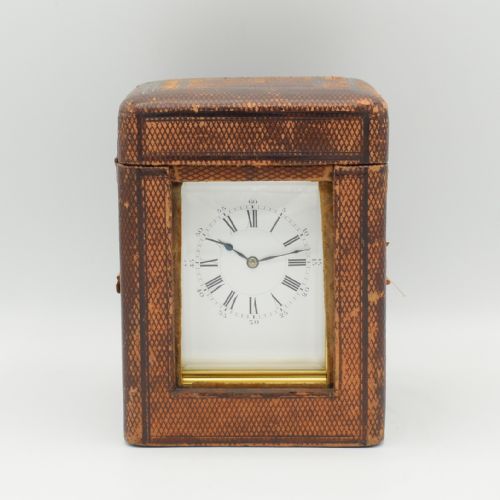
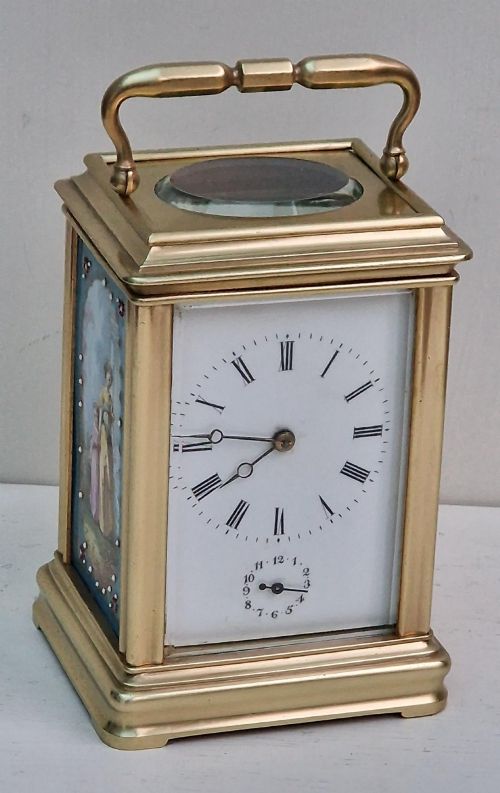
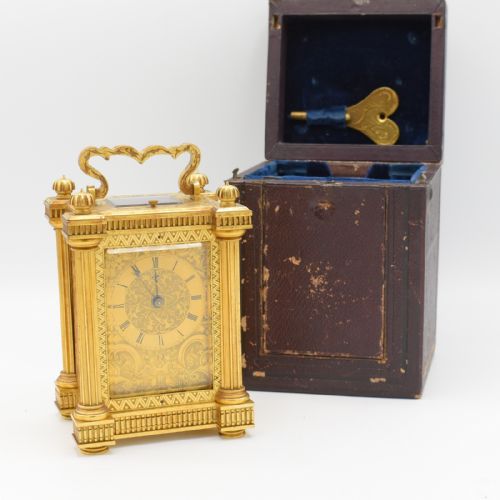
These items take the form of carriage clocks and repeating carriage clocks, often constructed with glass panels that reveal the movement within. Surviving pieces sometimes retain their travelling box, completing the portable setup intended for nineteenth century journeys.
How they were made
The internal mechanisms require precise assembly to maintain timekeeping while portable. Engraving often decorates the metal cases, showing ornamental detail across the brass surfaces.
Retail Price Guide 2026
Typical UK retail prices for french brass travel clock, calculated from the Sellingantiques database of over a million retail prices indexed since 2003. This retail price guide relies exclusively on Sellingantiques data; no external sources or auction records are used, so the figures do not describe the wider market.
Listings span the periods from eighteen-sixty to eighteen-ninety, using materials such as brass, gilt brass, glass, and enamel.
What varies in quality
Quality reveals itself in the complexity of the movement, such as the inclusion of repeating mechanisms or alarm functions. Simpler time-only pieces sit at one end, while complicated repeating carriage clocks with multiple functions represent the higher tier.
The finish of the metalwork and the presence of fine engraving also distinguish individual pieces. Fully restored examples demonstrate careful attention to both mechanical reliability and exterior presentation.
Tiffany·Drocourt
The French Brass Travel Clock Glossary
- Carriage clock
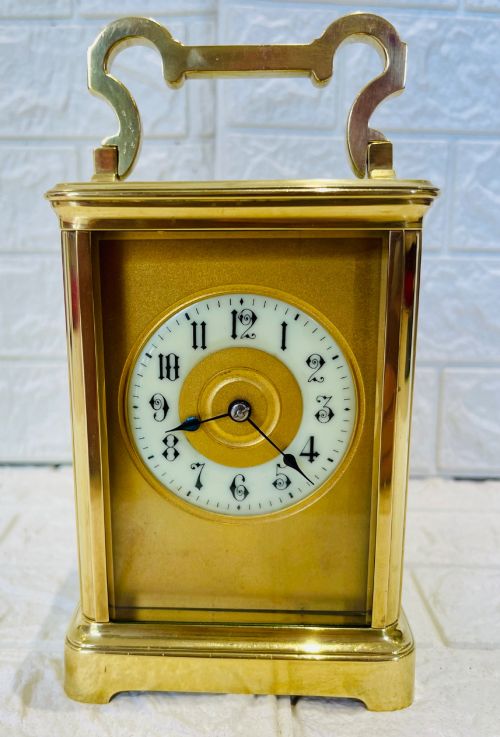
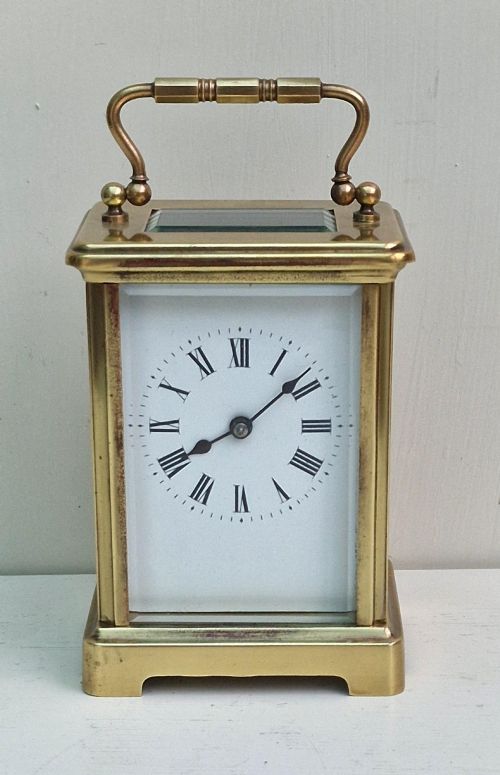
- A portable spring-driven clock designed for travellers in the nineteenth century. These clocks typically feature a rectangular brass case with glass sides.
- Repeating carriage clock
- A sophisticated variation that chimes the hours and quarters upon demand when a lever is pressed. This complication added considerable utility for checking time in the dark.
- Gilt brass
- Brass coated with a thin layer of gold to improve appearance and prevent tarnishing. This material forms the primary structure of many French examples.
- Enamel dial
- A fused glass surface applied to a metal backing, usually bearing painted numerals. It offers a smooth, durable face for reading the time.
- Travelling box
- A fitted protective case designed to hold a clock during transit. These enclosures helped safeguard delicate glass panels and brass fittings on the road.
Frequently Asked Questions
What is a french brass travel clock?
A french brass travel clock is a portable timepiece encased in brass and glass, produced in France during the nineteenth century. These objects were originally designed to travel with owners on journeys.
They combine mechanical timekeeping with sturdy metal frames, often featuring glass panels to display the internal movement.
How do repeating clocks work?
Repeating mechanisms allow the clock to strike the last hour or quarter when a button or lever on the case is activated. This function was particularly useful for checking the time at night without a lamp.
Such complications require intricate gear trains alongside the standard timekeeping movement.
Where were these clocks made?
These clocks originated in France during the nineteenth century, encompassing periods from the eighteen-sixties to the eighteen-nineties. French workshops produced numerous variations for domestic and international markets.
Retailers such as Tiffany also retailed these pieces, connecting French makers with buyers abroad.
How should I care for one?
Handle the clock with care, especially when winding the movement or adjusting the hands. Keep the glass panels clean with a soft dry cloth.
Store or transport the clock securely, ideally within a suitable travelling box to protect the brass and glass exterior.