





English Textile Picture
An english textile picture brings historic needlework and embroidered craft into a room, offering tactile depth that painted art lacks.
English Textile Picture
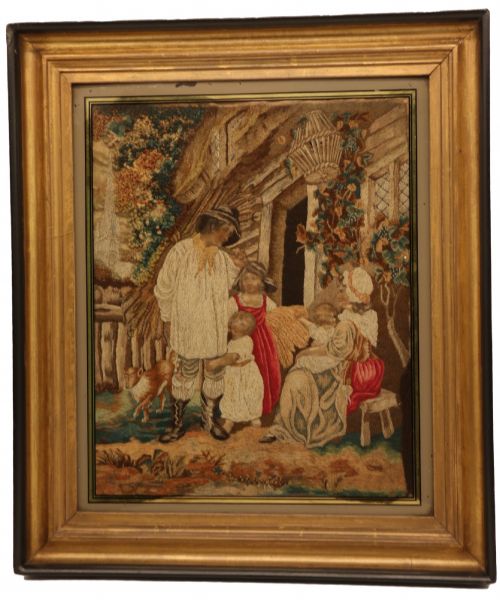
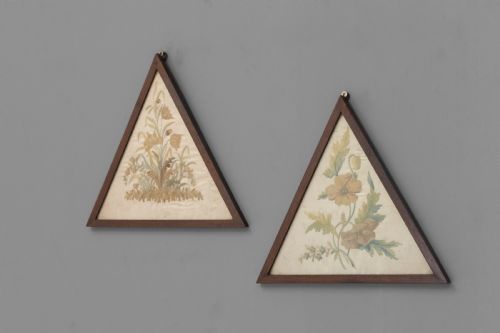
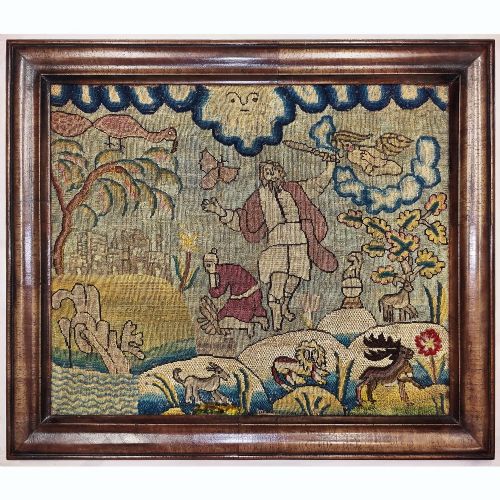
An english textile picture comprises historic needlework and embroidered compositions, spanning periods from the seventeenth century through to the twentieth century. These works capture pastoral scenes, literary narratives, and horse racing tracks within framed wall art displays.
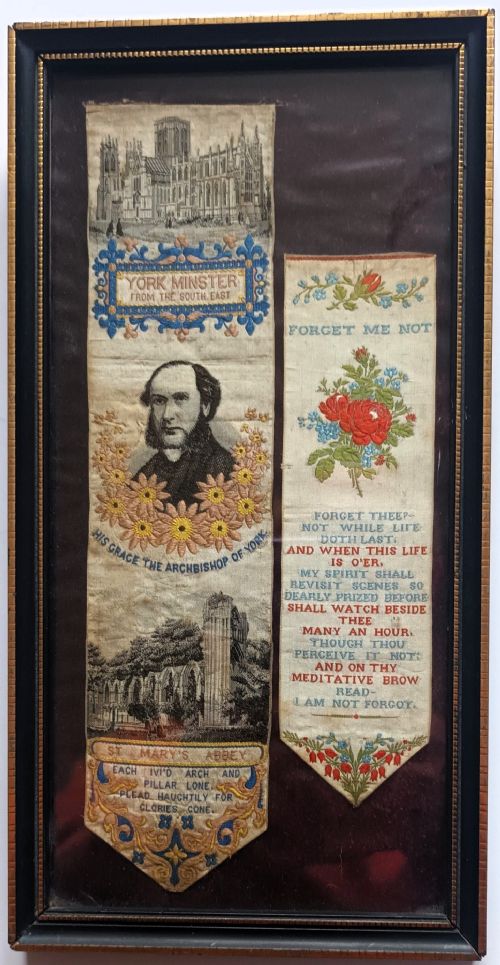
The pieces on this page appear in various styles including Stuart, Georgian, and Victorian Baroque Revival. Buyers frequently encounter framed silkwork panels, embroidered samplers, and woven bookmarkers mounted behind glass.
Makers utilised linen, wool, and silk threads, often combining hand painting with fine needlepoint stitches. Each english textile picture reflects the domestic artistry and decorative tastes of its specific period.
How they were made
Workshops housed these delicate fabrics within wood frames, frequently incorporating gilded wood and gold leaf mouldings. Glass glazing protected the fragile textile fibres from environmental dust and handling over the centuries.
Listings feature works spanning the seventeenth to the twentieth centuries, utilising silk, wool, and linen framed in wood and gilded wood.
What varies in quality
The standard of an english textile picture depends on the fineness of the needlework and the complexity of the pictorial composition. Dense, varied stitchwork distinguishes superior historical panels from simpler decorative items.
Preservation of original materials heavily influences the overall quality of surviving examples. Intact silk grounds and well-maintained gilded wood frames retain historical integrity more successfully than heavily restored pieces.
Stevens of Coventry
The English Textile Picture Glossary
- Needlework picture
- A framed decorative composition created using thread and various stitching techniques on a fabric ground. These works often depict figures, animals, or narrative scenes.
- Silkwork
- Embroidery executed primarily using silk threads, prized for its lustrous sheen and capacity for fine detail. It appears frequently in Georgian and Victorian framed panels.
- Sampler
- A piece of fabric showcasing a collection of stitches, alphabets, or decorative motifs, often produced by embroiderers to demonstrate skill. Historic examples record domestic education and technical proficiency.
- Bookmarker
- A narrow woven textile strip, such as those produced by Stevens of Coventry, featuring intricate pictorial designs. Collectors sometimes display these framed behind glass as miniature textile pictures.
English Textile Picture: Frequently Asked Questions
How should I hang an english textile picture?
Position the piece away from direct sunlight to prevent silk and wool threads from fading over time. Stable indoor humidity levels protect the historic fabric and wood frames from warping.
Secure the artwork using appropriate wall fixings that match the weight of the wood and glass frame. Professional framing techniques ensure the textile remains suspended safely without pressing directly against the glass.
What periods do these textile pictures cover?
The inventory spans multiple centuries, beginning with seventeenth-century Stuart works and extending through Georgian and Victorian pieces. Later examples reach into the early twentieth century.
Each era brings distinct aesthetic choices, from seventeenth-century Stuart embroidery to Victorian Baroque Revival framing styles. Comparing stitch density and materials helps identify the period of origin.
Are these works made entirely of silk?
Materials vary across the selection, with makers utilising linen, wool, and silk within a single composition. Silk often provides the fine ground or lustrous detail elements.
Backgrounds and structural supports commonly employ linen or canvas foundations housed within wood or gilded wood frames. Some nineteenth-century examples also incorporate hand-painted silk alongside traditional embroidery.
How do I identify a Victorian piece?
Victorian examples frequently display ornate framing choices, including gilded wood and styles influenced by the Baroque Revival taste. The subject matter often expands to include industrial machinery or literary narratives.
Needlework from this era utilises a diverse palette of silk and wool threads on varied fabric grounds. Examining the framing materials and style provides clear clues to its nineteenth-century origin.