


English Stoneware Jug
An english stoneware jug is a sturdy vessel built for daily tavern or parlour use, prized for its dense body and enduring salt glaze.
English Stoneware Jug
An english stoneware jug represents a durable category of ceramic vessels designed primarily for serving ale, water, or spirits in domestic and commercial settings. These pieces range from utilitarian tavern measures to ornate parlour ornaments, reflecting the shifting tastes of households across the nineteenth century.
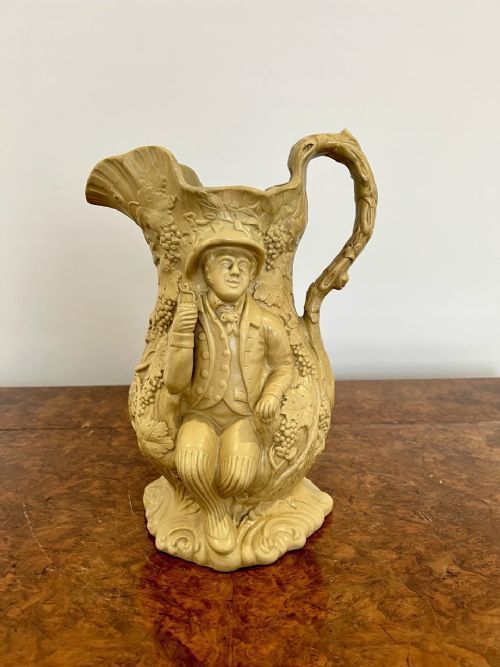
The version most commonly encountered in these listings is the Victorian salt glazed container, frequently associated with London potteries. These functional vessels combine heavy-duty clay bodies with textured surfaces, often decorated with relief moulding, harvest motifs, or commemorative figures.
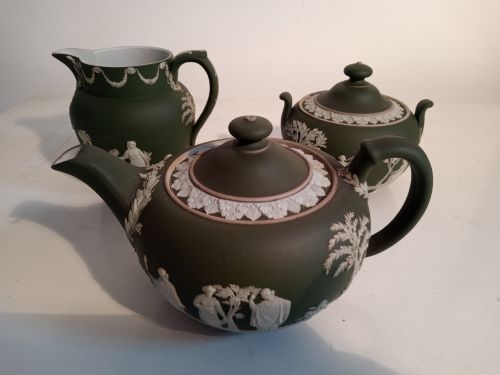
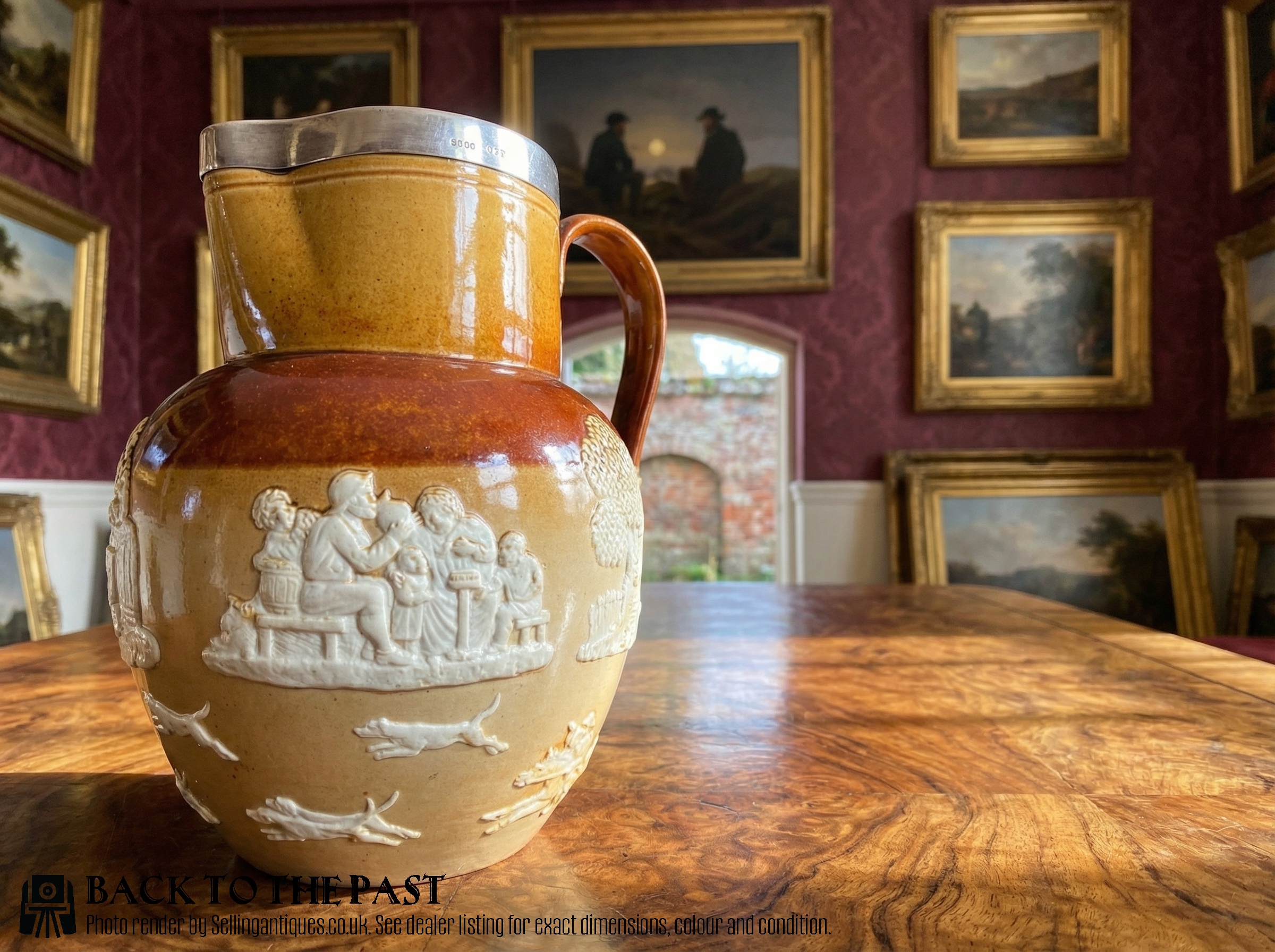
Beyond plain storage vessels, the selection encompasses specialised forms such as puzzle jugs, harvest jugs with silver rims, and matching tea sets. Collectors encounter various regional styles, from rustic country pieces to sophisticated art pottery expressions.
Materials and Techniques
Makers shaped these vessels using dense, vitrified clay bodies fired at high temperatures until the material became impermeable to liquids. This high-heat process produced a rugged structure that required no internal glaze to hold ale or water safely.
The distinctive finish often relied on salt glazing, where common salt thrown into the kiln during firing vaporised and bonded with the silica in the clay. This method created a characteristic pitted texture resembling orange peel, highly resistant to acids and wear.
Many examples incorporated relief moulding, pressing damp clay into carved plaster moulds to raise crisp decorative scenes, hunting motifs, or classical dances directly onto the wall of the vessel. Artisans then applied secondary glazes, slip, or metallic rims to finish the piece.
Listings feature salt glaze stoneware, Parian porcelain, and relief moulded earthenware across the nineteenth century.
Judging Quality
Quality rests upon the crispness of the relief moulding and the depth of the salt glaze texture across the surface. Finer examples display sharply defined figural scenes and botanical sprigs without blurring or distortion from worn moulds.
The expertise of the potter shows in the balance of the handle, the clean execution of applied pewter or silver rims, and the control of colour during kiln firing. Superior pieces maintain straight vertical walls and stable bases despite the shrinkage inherent in high-temperature stoneware production.
Wedgwood·Doulton Lambeth·Charles Meigh·Minton·Copeland Spode
The English Stoneware Jug Glossary
- Salt Glaze
- A glossy, slightly pitted finish created by throwing common salt into the kiln at the peak temperature of firing. This technique produces a durable surface resembling orange peel.
- Relief Moulding
- A decorative technique where designs are pressed in low relief onto the surface of the vessel using carved moulds. This method creates the detailed hunting scenes and classical figures seen on nineteenth-century pieces.
- Puzzle Jug
- A drinking vessel featuring a perforated neck and multiple spouts designed to confound the drinker who fails to cover hidden holes with their fingers. These items served as tavern novelties.
- Harvest Jug
- A large storage vessel traditionally decorated with hunting scenes, hounds, or agricultural motifs for communal use during seasonal celebrations. They frequently feature applied stoneware sprigs and brown slip accents.
- Parian Ware
- A fine-grained bisque porcelain developed to imitate marble, often utilised for sculptural jugs and tea sets. The material fires to a smooth, matte finish that highlights neoclassical contours.
English Stoneware Jug: Frequently Asked Questions
What is an english stoneware jug?
An english stoneware jug is a heavy ceramic container fired at high temperatures to create an impermeable, durable vessel for liquids.
These pieces include tavern measures, harvest pitchers, and ornate parlour jugs produced across the nineteenth century.
How were salt glazed jugs used?
These jugs served practical roles in homes and taverns for pouring ale, water, or spirits during meals and social gatherings.
Larger versions held liquids for communal service, while smaller vessels functioned at the tea table or sideboard.
How do I date a stoneware jug?
Dating relies on stylistic markers, such as Victorian relief moulding, Art Nouveau floral motifs, or specific commemorative inscriptions like jubilee dates.
Potter marks and registration numbers stamped into the clay provide further clues to the manufacturing decade.