


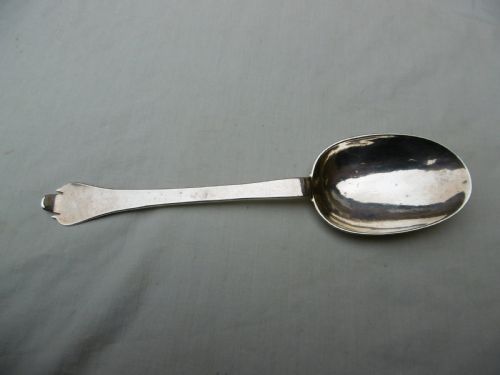


English Sterling Silver Bowl
An English sterling silver bowl brings centuries of silversmithing tradition straight to your table, combining solid metal weight with enduring utility.
English Sterling Silver Bowl
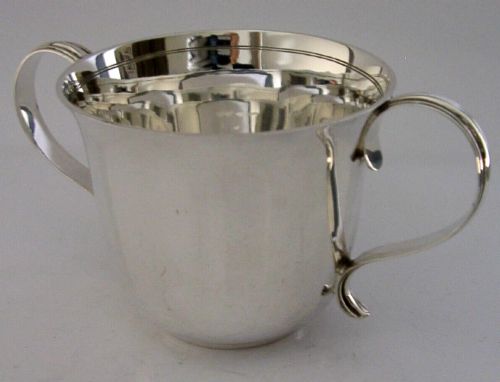
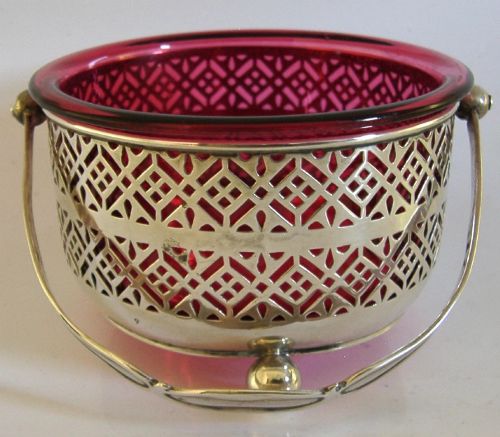
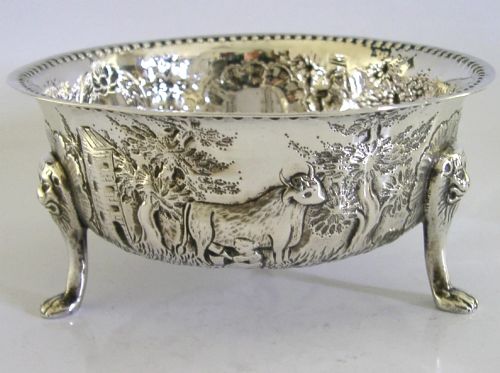
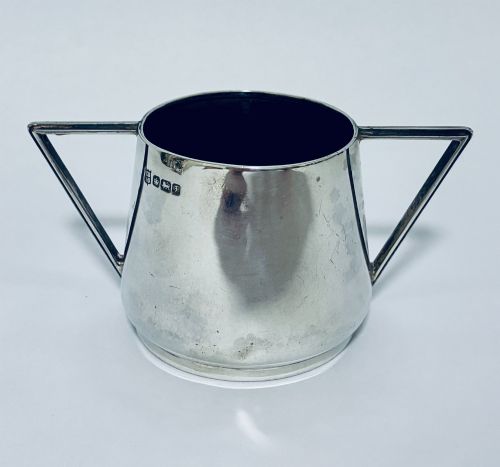
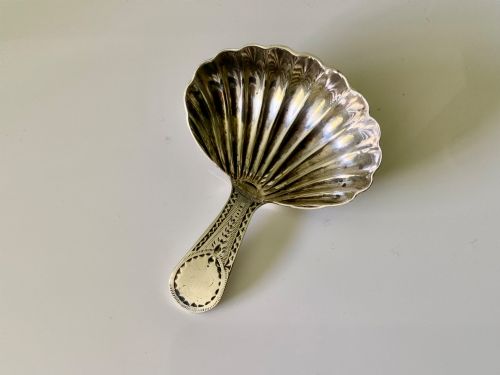
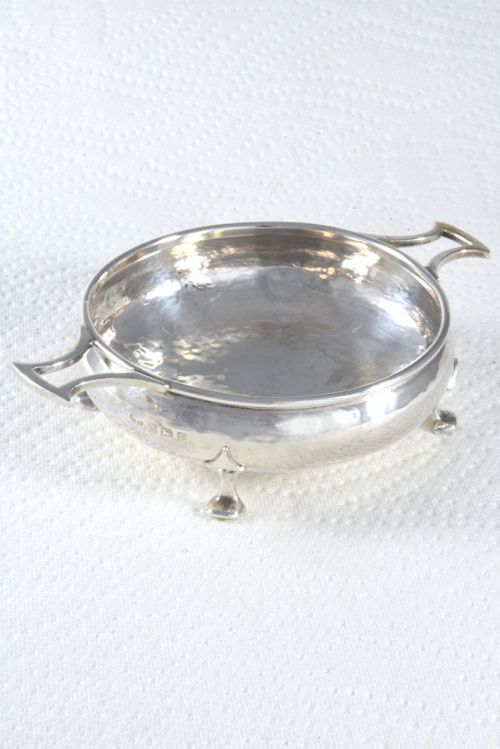
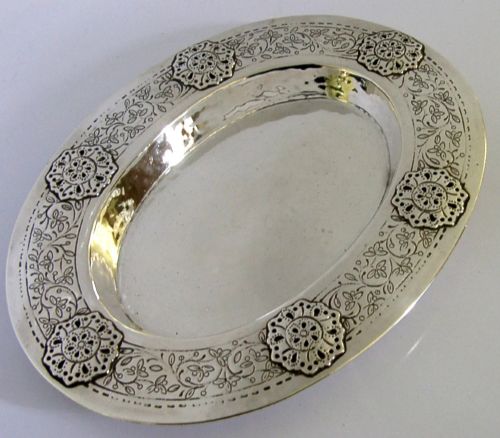
When searching for an english sterling silver bowl, collectors encounter a diverse array of vessels spanning from seventeenth-century porringers to mid-twentieth-century fruit dishes. The selection on this page ranges through decorative bowls, sugar baskets, tazze, and tea strainer stands shaped by shifting design movements.
The most common examples date from the late Victorian, Edwardian, and Art Deco eras. These domestic pieces reflect changing dining habits and interior ornamentation across generations of British makers.
How they were made
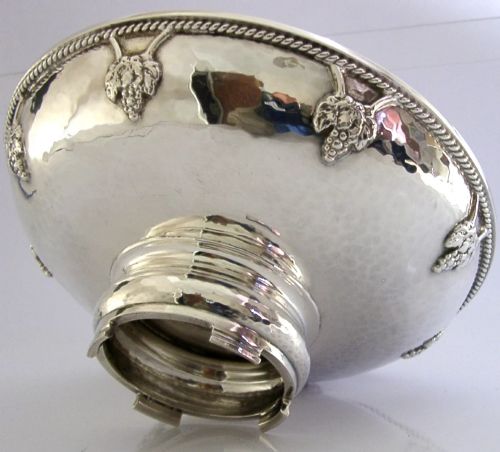
Silversmiths formed these vessels from solid sterling silver, often employing hammering, planishing, or piercing techniques to shape and decorate the metal. Certain pieces incorporate supplementary materials such as cranberry glass inserts, tortoiseshell panels, or wooden bases.
Many examples utilise cast components like swing handles, decorative feet, or applied borders soldered directly to the main body. Guild hallmarks stamped into the metal record the assay office, standard, and date of manufacture.
Silver fish swim silently through the centuries, resting quietly on sideboards until someone polishes away the dust of decades.
What varies in quality
The distinction between standard production and exceptional work lies in the gauge of the silver and the precision of the hand-finishing. Heavier metal weight and crisp, deep hammering or piercing indicate superior craftsmanship.
Maker attribution also dictates standing, with documented studios and guilds commanding greater attention. The preservation of clear hallmarks and original structural integrity elevates an item's standing among collectors.
A E Jones·Liberty And Co·Walker And Hall·Alexander Clarke And Co·Benjamin Smith·George Fox·Gillian Packard
The English Sterling Silver Bowl Glossary
- Sterling silver
- A silver alloy containing 92.5 percent pure silver and 7.5 percent other metals, usually copper, chosen for durability.
- Porringer
- A small, shallow, two-handled vessel used historically for porridges or broths, frequently rendered in solid silver.
- Tazza
- An ornate shallow cup or bowl mounted on a stem and foot, designed for serving fruit or sweetmeats.
- Planishing
- A hammering technique utilising a polished hammer to smooth metal surfaces while leaving a subtle, faceted texture.
- Hallmark
- A series of official marks stamped on precious metals indicating the standard, maker, assay office, and year of testing.
English Sterling Silver Bowl: Frequently Asked Questions
How do I clean an antique silver bowl?
Use a soft microfiber cloth and a mild, specialised silver cleaner to remove tarnish gently. Avoid harsh abrasive dips that strip away the original surface character.
Wash the vessel in warm soapy water afterwards and dry it completely with a soft towel to prevent water spots.
Can I use these bowls for serving food?
Most solid silver vessels are safe for serving dry or acidic foods, provided they do not feature fragile glass or tortoiseshell inserts. Proper cleaning immediately after use prevents staining from sugary or salty contents.
Modern acidic foods should not remain in contact with older silver for extended periods to protect the metal.
What do the hallmarks tell me?
British hallmarks provide a reliable timeline by identifying the specific assay office, the silver standard, and a date letter corresponding to the year of production. Additional maker's marks reveal the workshop or silversmith responsible for the piece.
Learning to read these tiny stamped symbols unlocks the precise geographic and historical origin of the object.
How do I date an unmarked piece?
Dating unmarked items requires careful study of the manufacturing style, weight distribution, and assembly techniques compared against documented examples. Form and decorative motifs often point to specific periods like Art Deco or Victorian revivalism.
Without official hallmarks, the physical characteristics of the metal and construction methods remain the primary clues.