



Vintage Sterling Sugar Bowl
These vintage sterling sugar bowl pieces range from Georgian cast silver to mid-century Irish work, offering genuine period character for the table.
Vintage Sterling Sugar Bowl
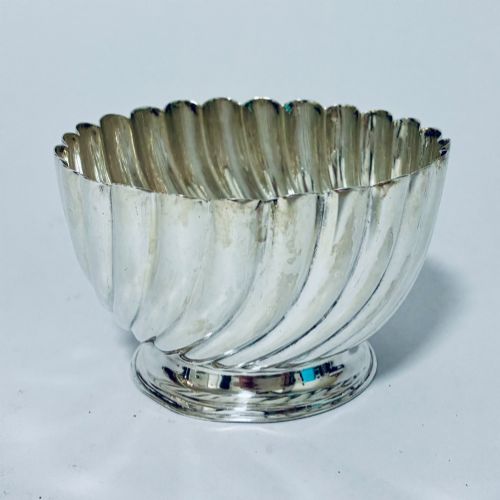
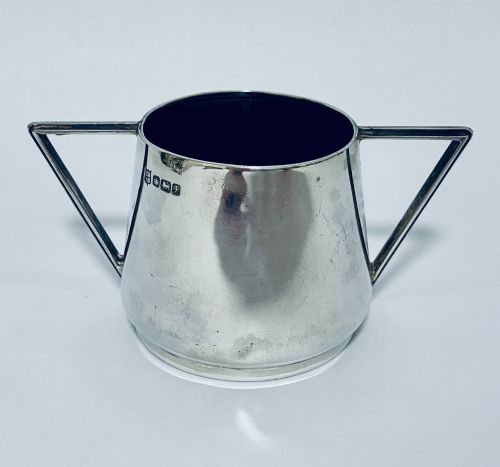
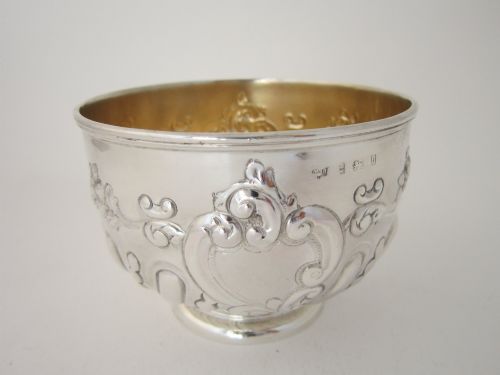
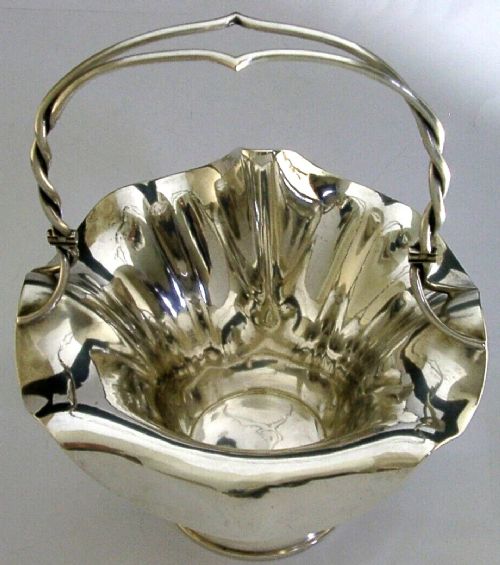
When you search for vintage sterling sugar bowl, you are looking at hollowware and related serving pieces produced across several centuries. The selection spans distinct eras including Georgian, Victorian, Edwardian, and Art Deco designs. Most examples found here take the form of bowls, baskets, or dishes fashioned for domestic use.
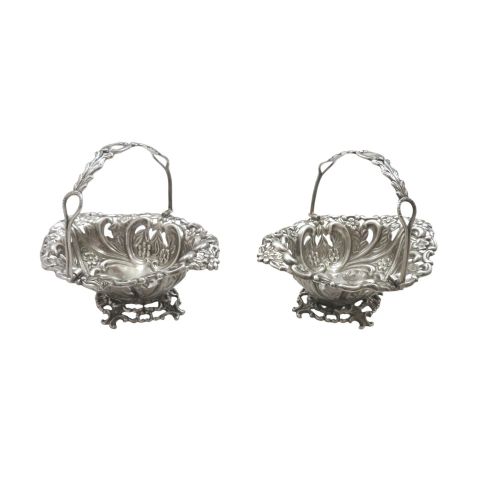
The inventory includes specialised items alongside standard bowls, such as sugar tongs, sugar sifter spoons, and bonbon dishes. Pieces originate from diverse workshops, covering English, Scottish, Irish, and Anglo-Indian traditions. Buyers encounter everything from pierced lattice bowls to heavy gauge commemorative pieces.
How They Were Made
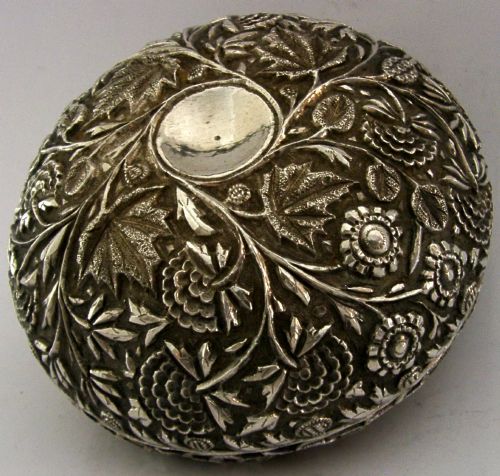
Items are constructed primarily from solid sterling silver or silver gilt, with occasional pieces executed in silver plate. Metalsmiths utilised traditional techniques such as casting, hammering, and planishing to shape the metal. Surface decoration often involves piercing and lattice work.
Makers employed specific fabrication methods suited to each stylistic period, from early cast silver tongs to hammered Arts and Crafts surfaces. Weight varies considerably across the selection, ranging from lighter serving spoons to heavy gauge bowls exceeding two hundred grams.
Vintage Sterling Sugar Bowl Retail Price Guide 2026
Typical asking prices for vintage sterling sugar bowl among the pieces listed under this phrase on Sellingantiques today, from the lower quarter to the upper quarter. They describe what is for sale here now, not the wider market.
One standout piece celebrates an anniversary with a sword of light.
What Varies in Quality
Quality differences appear in the weight of the metal gauge and the complexity of the craftsmanship. Substantial weight and hand-worked surface textures distinguish superior items from standard production.
The intricacy of decorative details, such as pierced lattice patterns and cast elements, marks the distinction between ordinary and finer examples.
Fenton·Elkington and Co
The Vintage Sterling Sugar Bowl Glossary
- Sterling silver
- A silver alloy containing 92.5 percent pure silver by mass and 7.5 percent other metals, usually copper. This standard defines the primary material used across these listings.
- Silver gilt
- Silver that has been coated with a thin layer of gold on its surface. This technique provides a rich interior finish for bowls and serving pieces.
- Planished
- A metal surface finish achieved by hammering with a polished round-faced hammer. This technique leaves small, controlled facet marks across the silver.
- Sugar tongs
- Small hinged implements designed for lifting sugar lumps or granules. Georgian and later examples often match the design of tea and sugar services.
- Bonbon dish
- A small ornamental vessel intended for holding sweets or small confectionery. These pieces frequently feature decorative pierced work or basket handles.
Vintage Sterling Sugar Bowl: Frequently Asked Questions
How do I identify a Georgian sugar bowl?
Georgian silver pieces date from the reigns of the Hanoverian kings, typically displaying classic proportions and hand-wrought construction techniques. They often feature hallmarks that indicate the assay office and year of production.
Associated serving pieces from this era include cast sugar tongs and sifter spoons.
What is the difference between sterling and silver plate?
Sterling silver consists of solid metal conforming to the official purity standard throughout the entire piece. Silver plate involves a thin layer of silver bonded to a base metal core.
Listings specify whether an object is solid silver or plated.
How do I care for a silver bowl?
Solid silver requires periodic cleaning with appropriate polish to remove tarnish and maintain its finish. Storing pieces in dry environments prevents rapid oxidation.
Gentle washing with warm soapy water and a soft cloth suffices for routine maintenance.