



Sterling Silver Nut Bowl
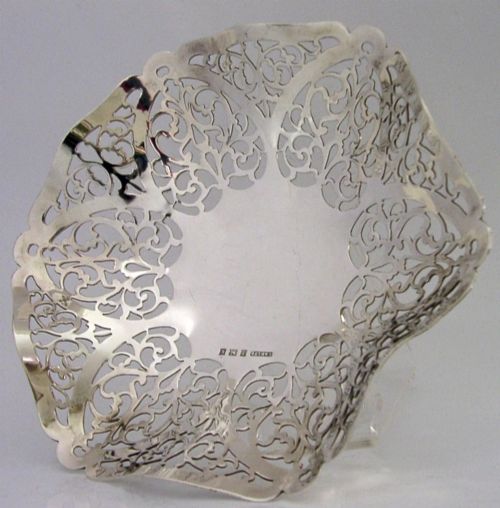
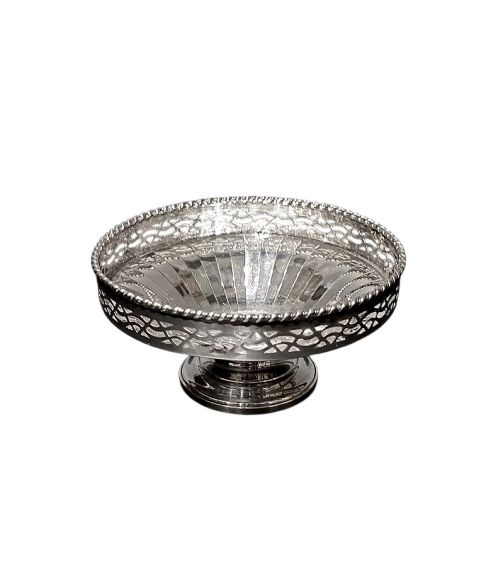
These sterling silver nut bowl examples span from Georgian pedestal forms to Art Deco designs, offering polished utility for the table.
Sterling Silver Nut Bowl
A sterling silver nut bowl serves as a small, elegant vessel designed for presenting shelled nuts, sweets, or bonbons during formal dining and tea service. When you search for this phrase, you encounter pieces that overlap functionally with bonbon dishes, sweet bowls, and small trinket trays.
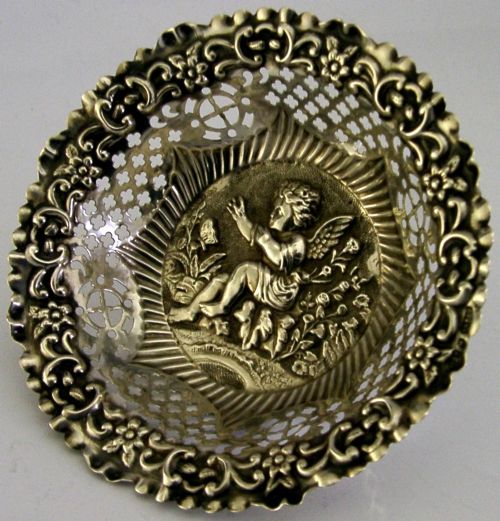
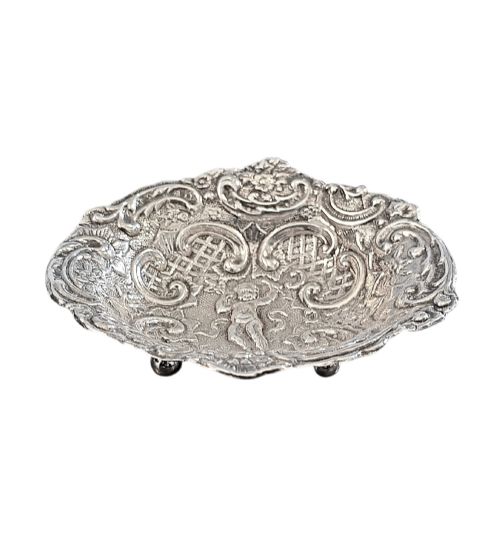
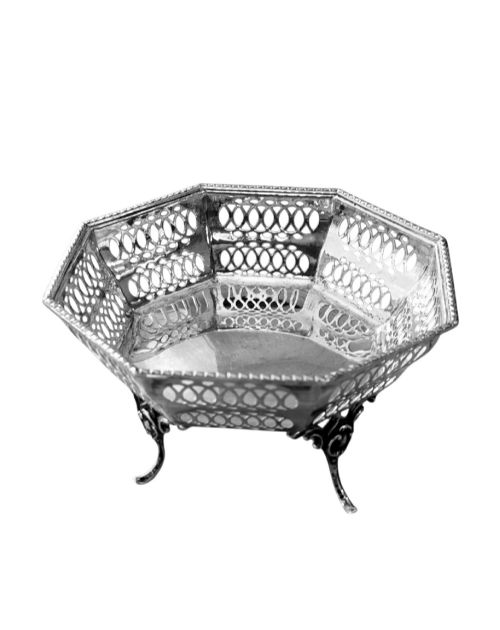
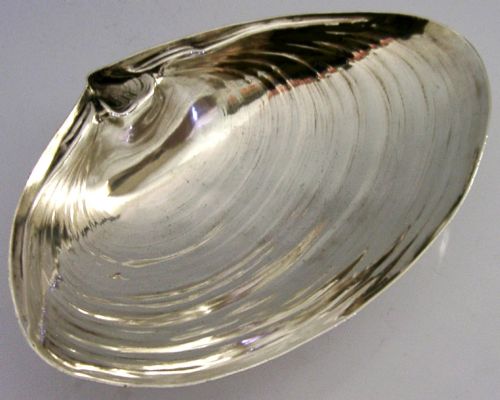
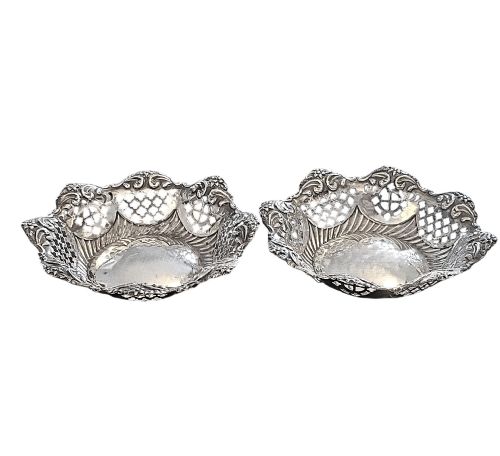
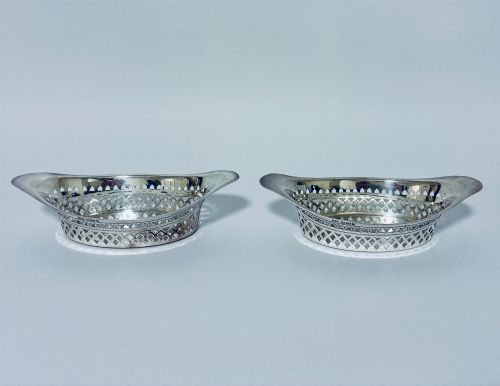
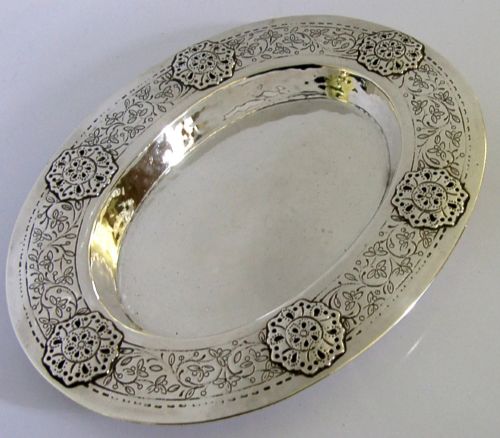
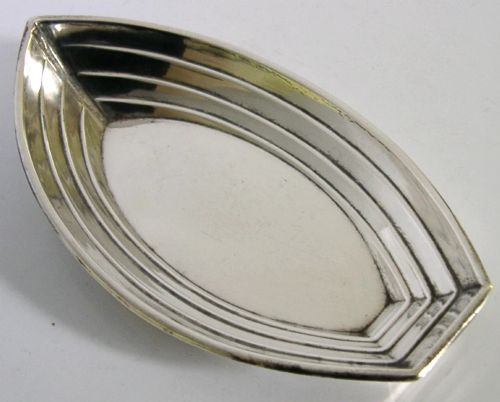
The selections on this page range from Victorian and Edwardian examples to 1930s Art Deco and Arts & Crafts designs. You are most likely to meet circular or shell-shaped bowls, alongside paired dishes housed in fitted cases or raised on pedestal feet.
Materials and Construction
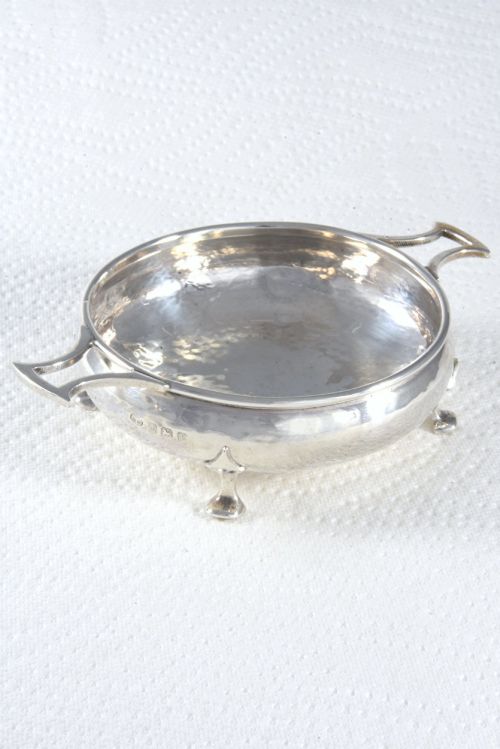
Silversmiths constructed these bowls primarily from solid sterling silver, occasionally incorporating vermeil interiors, tortoiseshell panels, or delicate velvet and satin linings within presentation cases. Hammered surfaces and applied decoration appear frequently, particularly on Arts & Crafts and modernist pieces.
Pedestal bases, swing handles, and cast feet provide structural elevation and distinct silhouettes. Makers utilised traditional silversmithing techniques such as spinning, hammering, and hand-piercing to shape the metal.
Sterling Silver Nut Bowl Retail Price Guide 2026
Typical asking prices for sterling silver nut bowl among the pieces listed under this phrase on Sellingantiques today, from the lower quarter to the upper quarter. They describe what is for sale here now, not the wider market.
Some silversmiths literally translated the nautical theme by shaping sweet bowls into miniature rowing complete with tiny oars.
Judging Quality and Craftsmanship
Quality rests on the heaviness of the silver gauge and the crispness of any hand-hammered or applied decoration. Thicker metal resists denting and provides a substantial feel in the hand, elevating the piece above lighter, mass-produced alternatives.
The integration of contrasting materials, such as genuine tortoiseshell or a rich gilt vermeil wash, distinguishes finer examples. Furthermore, clear hallmarks and documented maker marks secure the provenance and historical value of the silver.
Liberty & Co·Wallace·A E Jones
The Sterling Silver Nut Bowl Glossary
- Sterling silver
- An alloy containing ninety-two point five percent silver by mass, with the remainder being other metals, usually copper. This standard ensures durability while maintaining the lustre of pure silver.
- Vermeil
- Sterling silver plated with a thin layer of gold. This technique provides a rich two-tone appearance, often seen on the interior of Georgian and Victorian pedestal dishes.
- Bonbon dish
- A small ornamental bowl specifically created to hold small sweets, nuts, or sugar confect. These pieces share similar dimensions and shallow depths with standard nut bowls.
- Pedestal dish
- A vessel raised on a central foot or elevated base. This form lifts the bowl above the tabletop surface for better visibility during service.
- Hallmark
- A series of official marks stamped on items made of precious metals in the United Kingdom. These symbols verify the metal purity, assay office, and year of manufacture.
Sterling Silver Nut Bowl: Frequently Asked Questions
What is a sterling silver nut bowl used for?
These small bowls were traditionally placed on dining tables to hold shelled nuts, olives, or small sweets during or after meals. Their compact size made them versatile for serving condiments or displaying decorative items.
Over time, many of these vessels transitioned into general decorative tableware, often utilised on sideboards or coffee tables to hold small trinkets and keys.
How do I identify a Victorian nut bowl?
Victorian examples frequently display ornate floral repoussé work, heavy casting, or pierced borders. Examining the hallmarks provides the exact year of assay and confirms the nineteenth-century origin.
Many Victorian pieces also arrive in velvet-lined presentation cases, reflecting the period's preference for elaborate gift-giving and formal dining accessories.
What is the difference between a nut bowl and a bonbon dish?
While both terms describe small open vessels, nut bowls tend to have slightly heavier gauges to withstand the weight of nuts. Bonbon dishes often feature more delicate, pierced, or shallower forms suited for lighter sweets.
In practice, makers and retailers frequently used both terms interchangeably for the same physical objects.