

English Silver Table Accessories
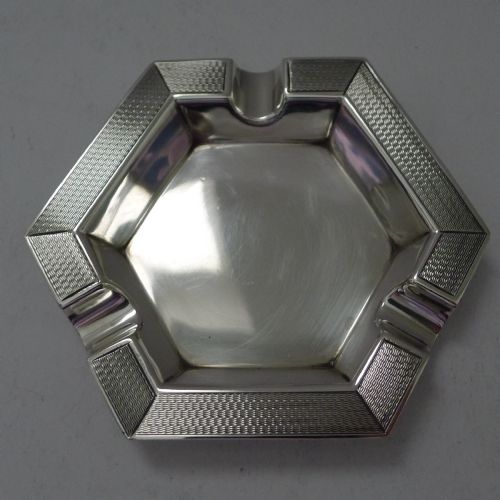
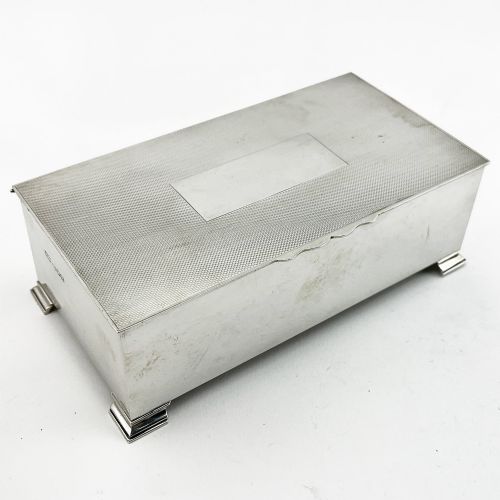
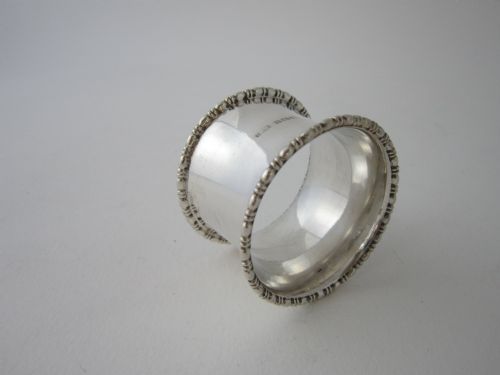
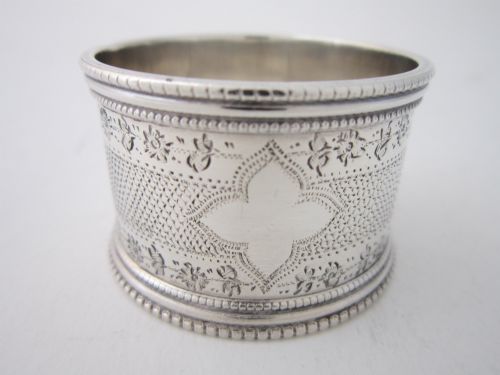
English silver table accessories bring distinct period craft to the dining room and desk, offering functional metalwork from Georgian to Mid-Century Modern eras.
English Silver Table Accessories
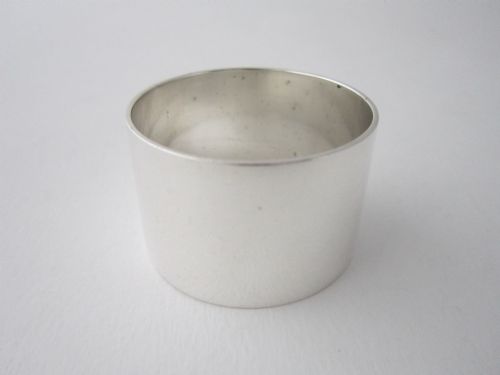
English silver table accessories encompass a wide variety of items designed for dining, smoking, and display, ranging from napkin rings and menu holders to sauce boats and biscuit boxes. When exploring English silver table accessories, a buyer encounters pieces originating from Georgian, Victorian, Edwardian, and mid-twentieth-century periods.
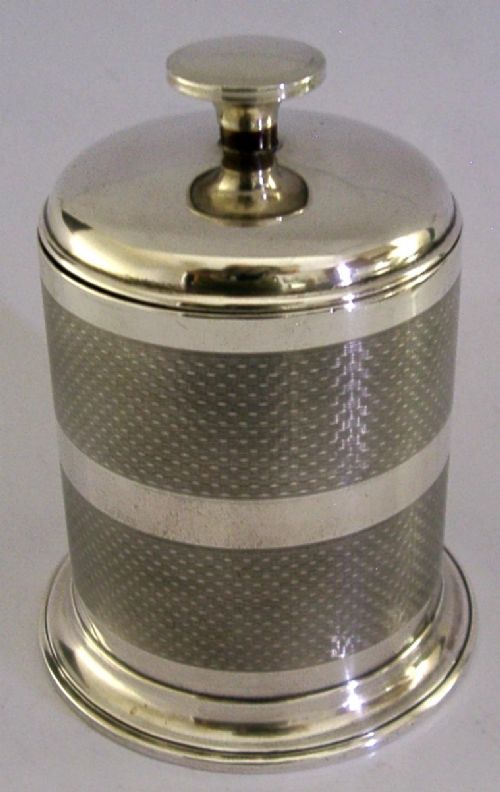
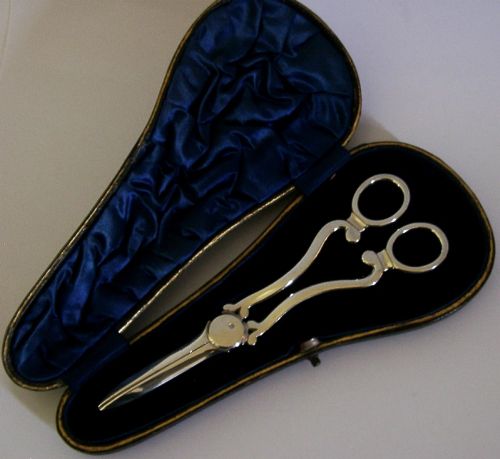
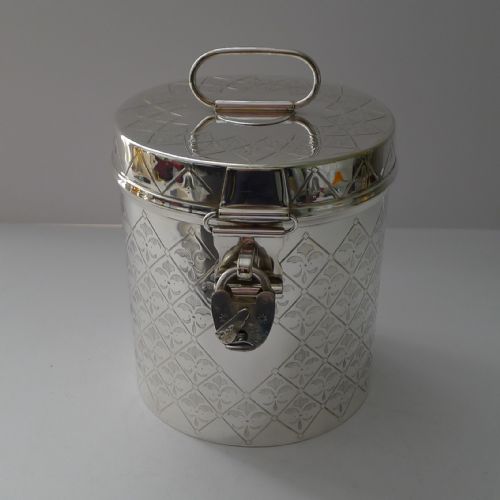
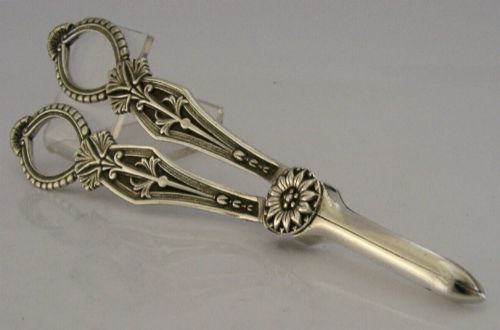
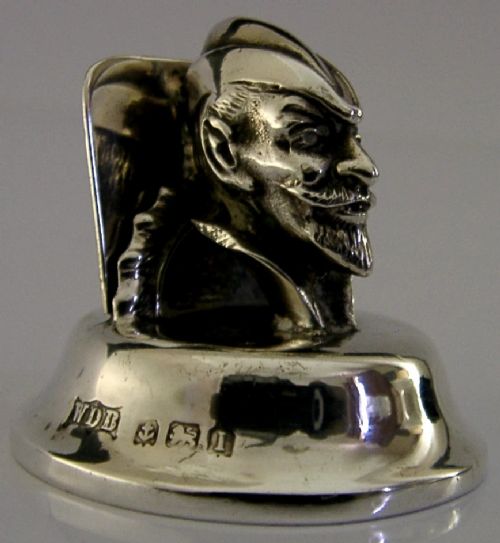
The selection includes practical tableware alongside novelty items like mechanical desk bells, grape shears, and figural menu holders depicting animals and characters. Most items are constructed from sterling silver, with occasional examples in silver plate combined with materials such as glass, onyx, and lapis lazuli.
Materials and Construction
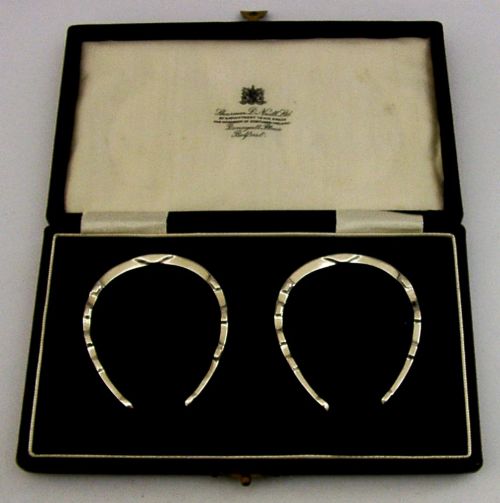
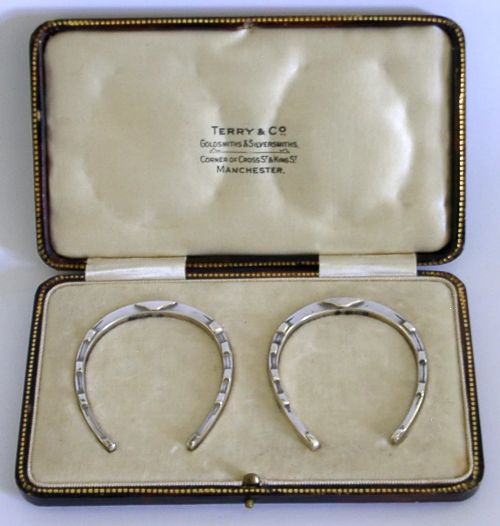
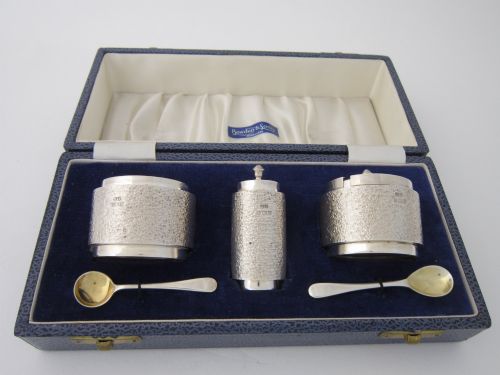
Makers utilised solid sterling silver and silver plate as primary metallic bases, often incorporating secondary materials like glass for scent bottles and cruet sets. Linings and cases frequently utilise velvet, silk, satin, or leatherette to house delicate items securely.
Techniques range from smooth casting and heavy forging for napkin rings and skewers to detailed embossing, enamelling, and mechanical construction seen in novelty desk bells and locking biscuit boxes.
Listings span from the 1750s George II period through Victorian, Edwardian, and Art Deco eras up to the 1960s.
Craftsmanship and Weight
Quality separates through the heft of the metalwork, distinguishing heavy cast pieces from thinner stamped alternatives. Superior examples display crisp chasing, clear hallmarks, and intricate figural detailing rather than flat or uniform pressing.
The integration of secondary materials, such as well-fitted glass inserts and original fitted cases lined with silk or velvet, elevates the standard of a piece.
William Neale·Mappin and Webb·Paul Storr·Henry Perkins·Charles Fox II·Sampson Mordan·George Betjemann·Adie Brothers
The English Silver Table Accessories Glossary
- Sterling silver
- A silver alloy containing 92.5 percent pure silver and 7.5 percent other metals, usually copper, ensuring durability for functional items. This standard is marked by the lion passant on English pieces.
- Hallmark
- An official stamp applied to precious metals indicating the maker, standard of purity, assay office, and year of production. These marks allow precise dating of antique silver.
- Cruet set
- A matched group of small containers used for holding condiments, vinegar, oil, salt, or pepper at the table. They frequently sit within a dedicated metal frame or stand.
- Sauce boat
- A small pitcher designed for serving gravies or sauces, traditionally featuring an oval body, a distinct spout, and a looped handle. Georgian and later examples often rest upon three small feet.
- Vesta
- A small pocket or table box designed for holding matches, often fitted with a striking surface on the base. Table versions frequently incorporate decorative stones like onyx or lapis lazuli.
English Silver Table Accessories: Frequently Asked Questions
What are english silver table accessories?
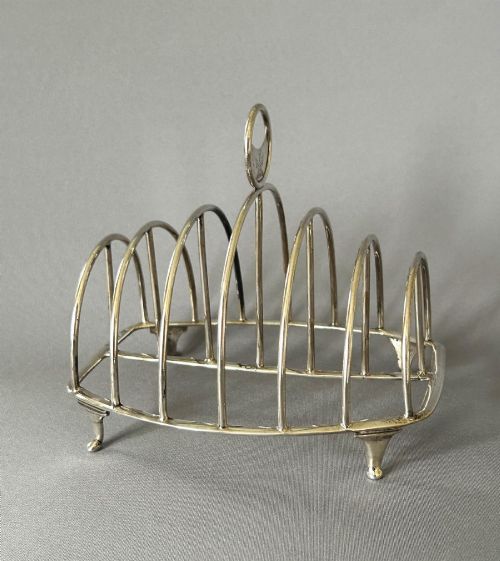
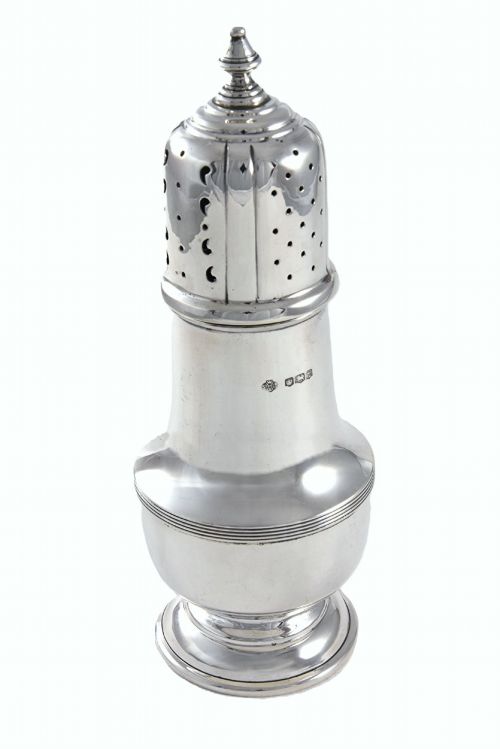
These items comprise functional and decorative metalware created for dining, writing desks, and smoking rooms in British households. They include practical forms like toast racks, sugar shakers, and napkin rings.
Production spans several centuries, capturing shifting design movements from ornate Georgian forms to clean Art Deco geometry.
How do I identify the date?
British pieces typically feature a series of stamped hallmarks that indicate the assay office, the standard of the metal, and a specific date letter. These tiny impressions provide a reliable record of the exact year of manufacture.
Stylistic cues, such as the geometric lines of the 1930s or the heavy ornamentation of the Victorian era, offer immediate visual context before checking the marks.
Were these pieces used daily?
Many items served practical daily functions in middle and upper-class dining rooms, from holding table linens in napkin rings to serving condiments and sauces. Novelty items like menu holders and desk bells fulfilled specific social requirements of formal dining and domestic management.
Over time, many objects transitioned from active dining service into display pieces or collections.
How should I clean silver?
Maintenance requires gentle cleaning with dedicated silver polish and a soft cloth to remove tarnish without scratching the metal surface. Harsh abrasives must be avoided, particularly on embossed areas or pieces with added enamel.
Stored items benefit from anti-tarnish cloths or dry environments to preserve the finish.