


English Regency Writing Desk
An English regency writing desk brings architectural proportion and figured timbers together into a sophisticated workspace designed for the elegant correspondence of the early nineteenth century.
English Regency Writing Desk
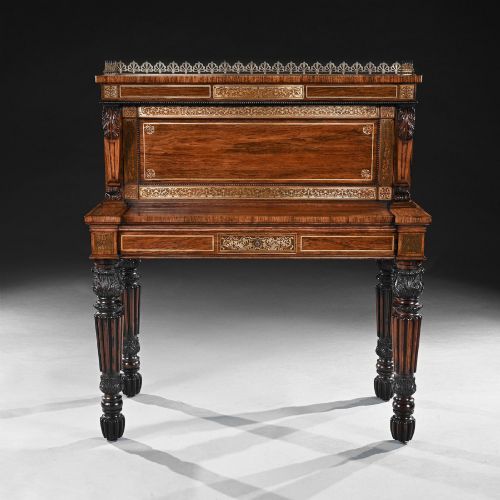
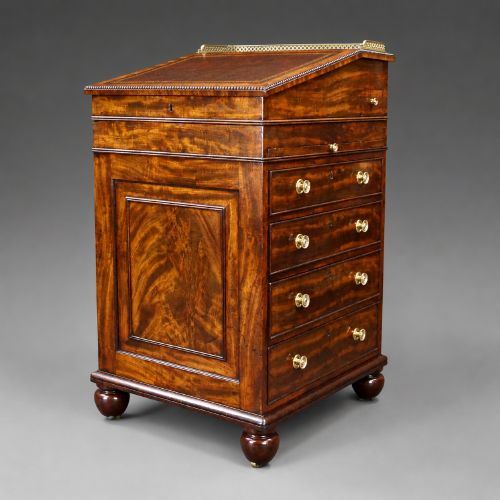
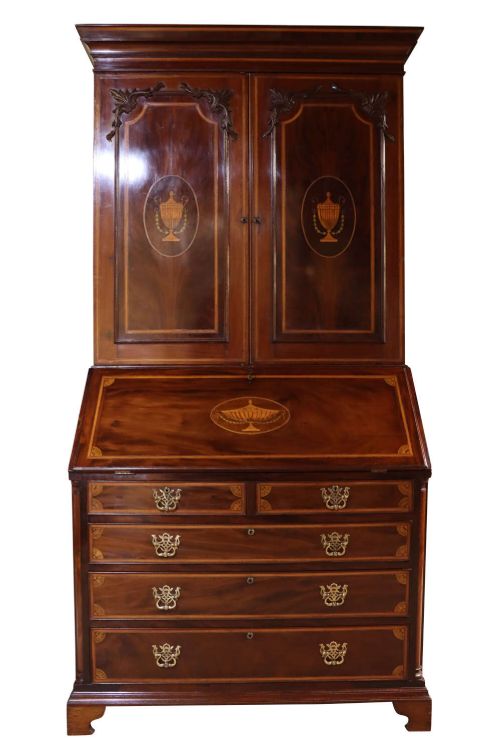
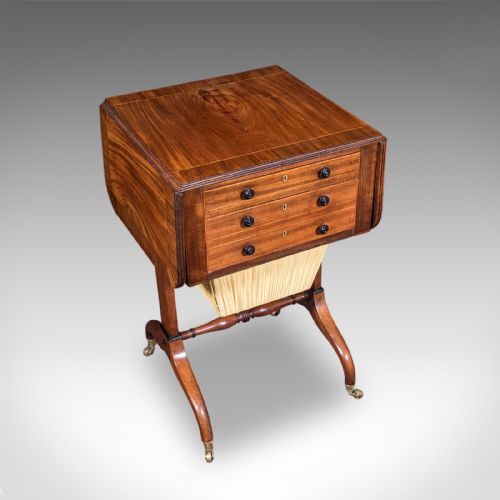
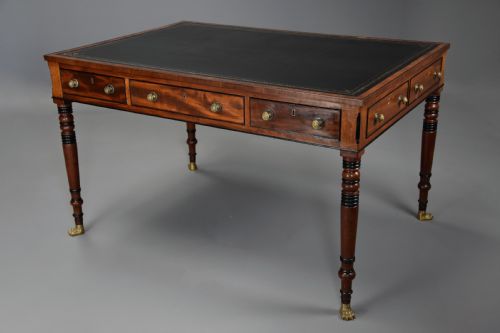
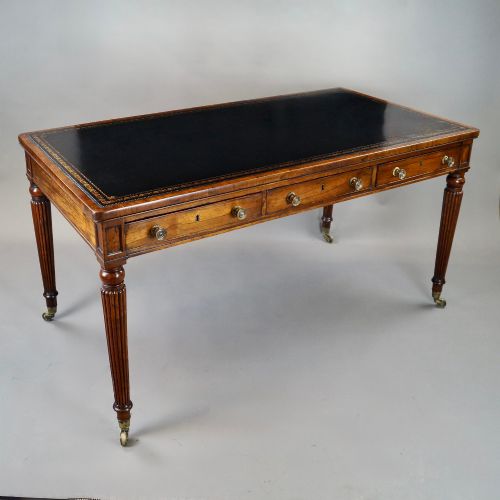
An English regency writing desk encompasses freestanding library tables, compact Davenports, and substantial secretaire bookcases produced during the Regency and William IV periods. The pieces appearing most frequently range from smaller rosewood and mahogany writing tables to larger library desks featuring drawers and leather inserts.
Makers and workshops of the era utilised classical revival forms influenced by English Empire and Grand Regency styles, often incorporating drop leaves, brass stringing, and elaborate stationery fittings. These functional items served domestic libraries, studies, and drawing rooms across the early nineteenth century.
Materials and Construction
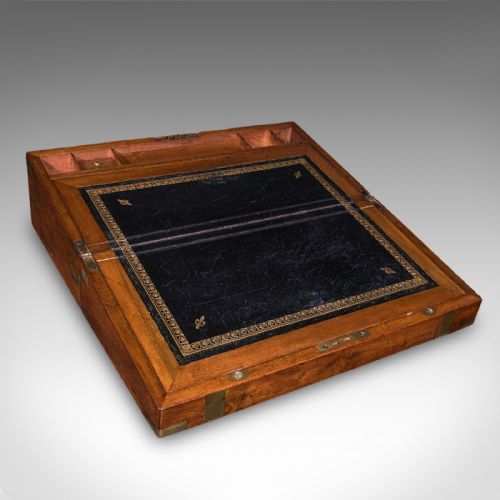
Cabinetmakers constructed these desks using dense foundational timbers like mahogany and rosewood, frequently enhanced by flame veneers, pollard oak, or amboyna. Surfaces destined for writing were lined with tooled leather, whilst structural details often integrated cast brass mounts, inlay, and occasional gold leaf accents.
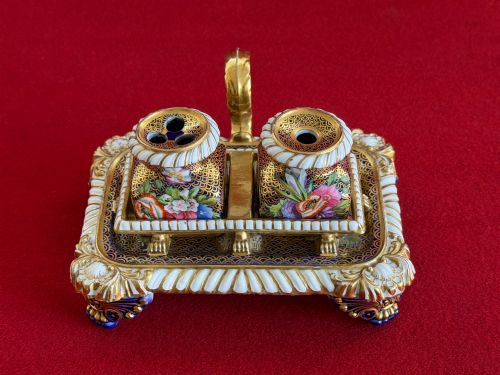
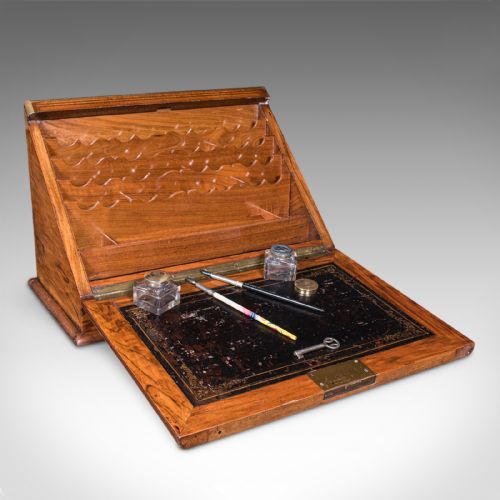
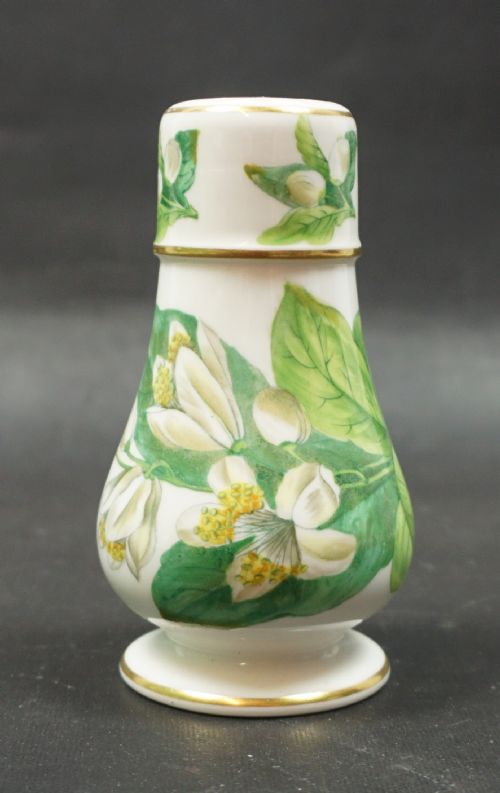
Advanced joinery accommodated complex metamorphic functions, allowing architects' risers, sliding panels, and concealed compartments to operate smoothly within domestic furniture. Porcelain inkstands and enamel fittings accompanied these wooden structures, alongside fine glass inserts and Sheffield plate accessories.
Listings feature diverse forms including Davenport desks, secretaire bookcases, pembroke tables, and library tables spanning the Regency and William IV periods.
Evaluating Craftsmanship
The distinction between ordinary production and superior workshop output rests upon the selection of figured timbers and the precision of brass inlay. Exemplary pieces display harmonious grain matching across expansive surfaces and meticulous execution in secondary woods.
Attribution to documented workshops like Gillows or makers such as John McLean elevates a piece through the sophistication of its mechanical fittings and carving. The integrity of original surfaces, such as faded patination on mahogany, determines the visual depth achieved over time.
Gillows·John McLean·Flight Barr And Barr·John Gregory
The English Regency Writing Desk Glossary
- Davenport
- A compact desk featuring a sloping writing surface above a pedestal of drawers, originating in the early nineteenth century. It typically includes side drawers and a compartment for stationery.
- Secretaire
- A cabinet or desk incorporating a pull-down writing flap that conceals a collection of small drawers and pigeonholes. This form allows a large bookcase or cabinet to double as a functional writing station.
- Library Table
- A freestanding table designed for central placement in a room, finished on all sides with multiple working drawers. These large pieces accommodated heavy volumes and general study.
- Writing Slope
- A portable box with a hinged, slanted writing surface that folds flat for travel or storage. Inside compartments house inkwells, pens, and paper.
- Pounce Pot
- A small perforated container used to sprinkle powdered resin or cuttlefish bone onto rough paper. This preparation created a smooth surface for ink writing.
English Regency Writing Desk: Frequently Asked Questions
What is a regency writing desk?
An English regency writing desk is a piece of furniture produced during the early nineteenth century, characterised by classical proportions and fine timber veneers. These desks range from portable writing slopes to large freestanding library tables.
They reflect the design sensibilities of the Regency and William IV eras, utilising materials such as mahogany, rosewood, and brass inlay to combine workspace functionality with decorative elegance.
How do I identify a Gillows desk?
Attribution to Gillows often relies on specific structural characteristics, secondary wood choices, and occasional stamped signatures found on drawer framing. Their pieces demonstrate exceptional cabinetmaking standards and thoughtful integration of mechanical elements.
Documented workshops in Lancaster and London produced robust yet refined furniture, frequently utilising flame mahogany, brass stringing, and well-organized internal stationery fittings.
Where were these desks placed?
These desks were designed for domestic studies, libraries, and withdrawing rooms, often positioned away from walls as freestanding centre tables. Freestanding library tables allowed access from multiple sides during scholarly work.
Smaller forms like Davenports and pembroke tables served in ladies' boudoirs or private drawing rooms, providing designated spaces for correspondence without dominating the apartment.
What is the difference between a Davenport and a pedestal desk?
A Davenport is a compact desk featuring a sloping, often leather-lined top positioned over a single pedestal of drawers opening to one side. They are smaller and typically incorporate a stationery compartment at the rear.
A standard pedestal desk provides a flat writing surface supported by two distinct pedestals of drawers with a central kneehole. Pedestal desks are larger and built for sustained administrative work.
How should I care for antique mahogany?
Antique mahogany benefits from stable environmental conditions with minimal humidity fluctuations and protection from direct sunlight. Consistent conditions prevent timber shrinkage and veneer separation.
Applying microcrystalline wax periodically helps preserve the original polished finish and aged patina without introducing moisture or harmful silicones to the wood surface.