
English Porcelain Wall Plate
An English porcelain wall plate brings centuries of hand-painted artistry, transfer printing and cabinet display into the home.
English Porcelain Wall Plate
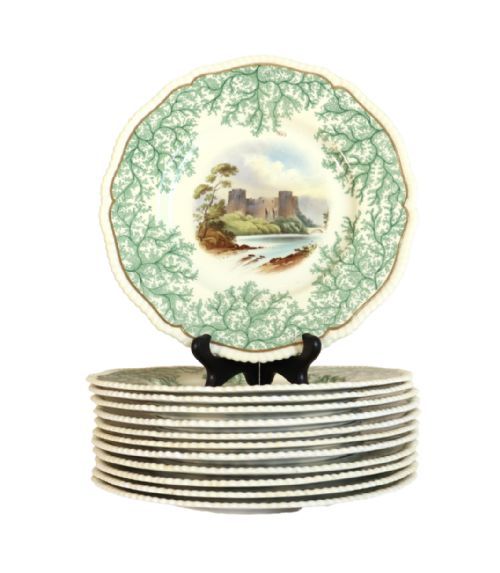
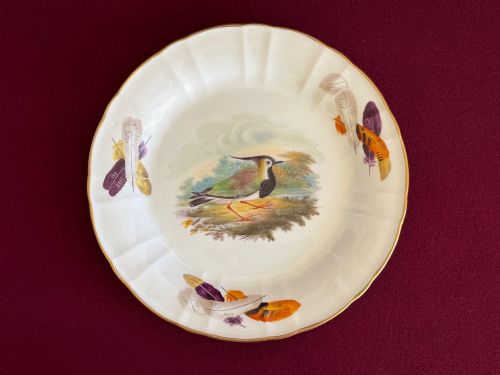
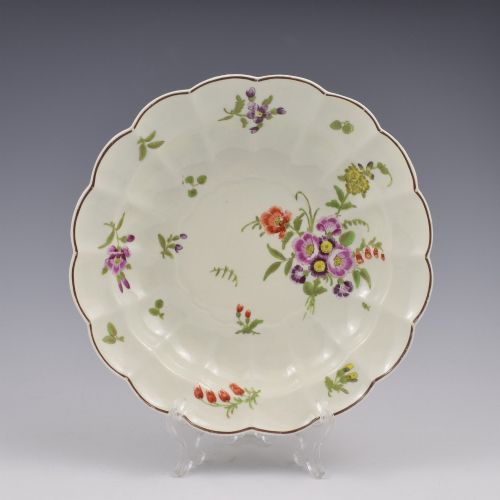
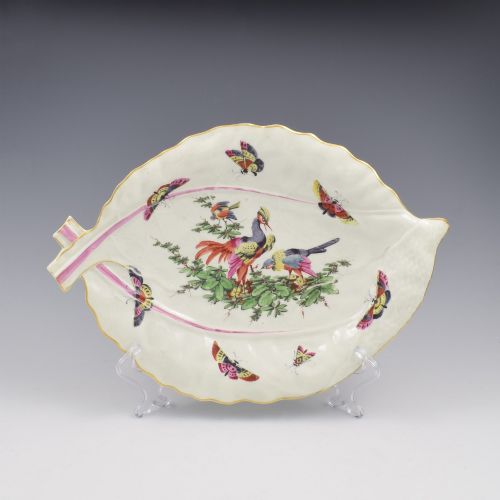
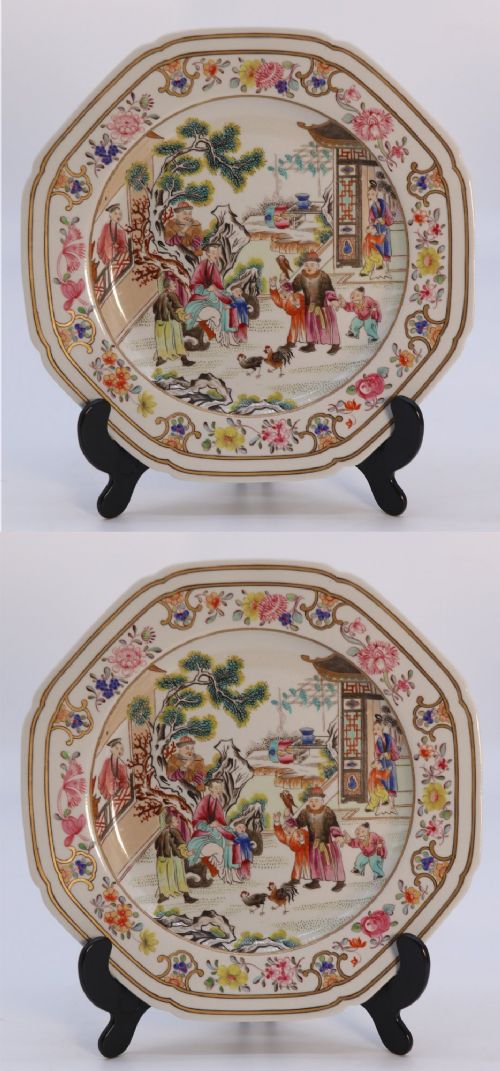
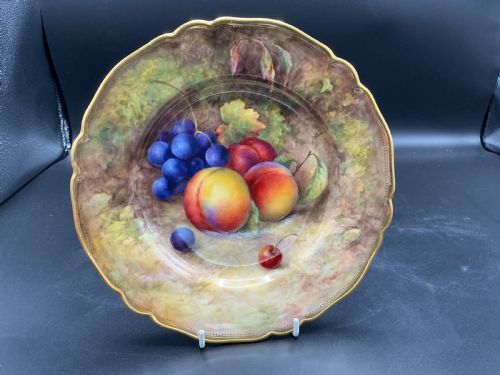
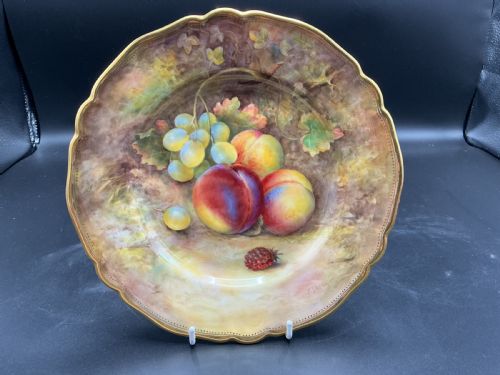
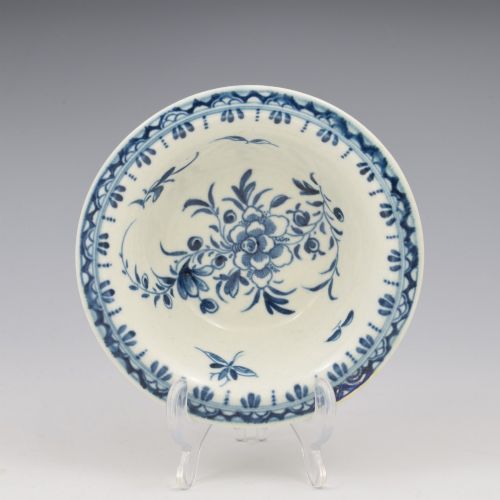
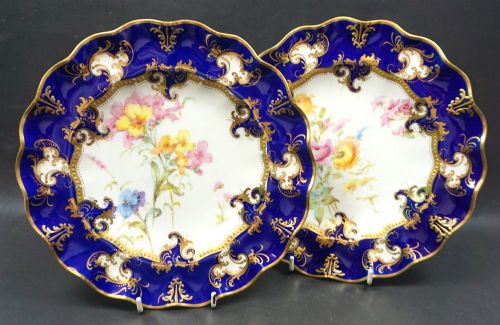
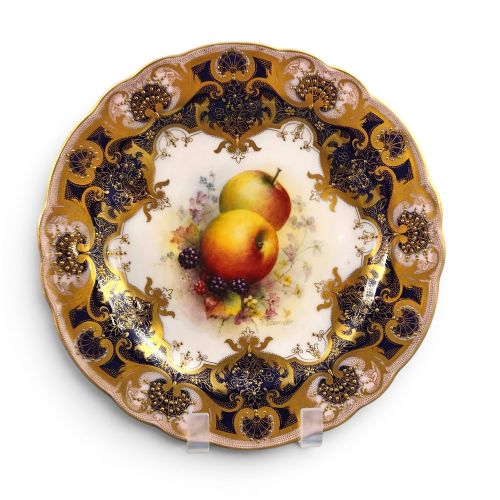
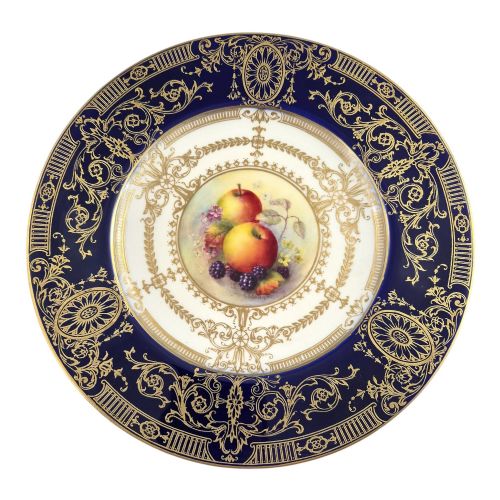
When you search for an English porcelain wall plate, you meet decorative dishes and cabinet pieces produced across the eighteenth, nineteenth and twentieth centuries. These items range from eighteenth-century soft-paste porcelain dishes featuring hand-painted botanical sprays and bird motifs to later Victorian and twentieth-century bone china and porcelain works painted with fruit or armorial crests.
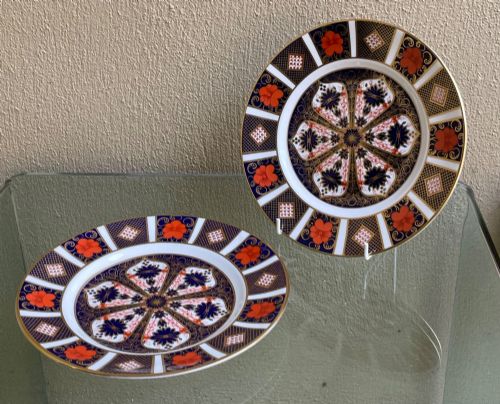
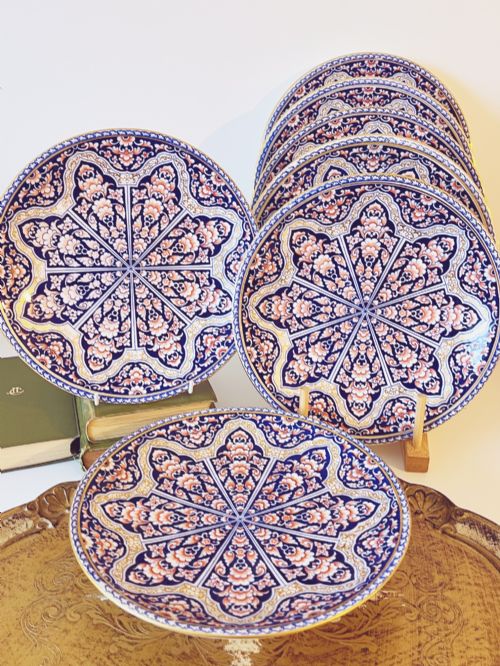
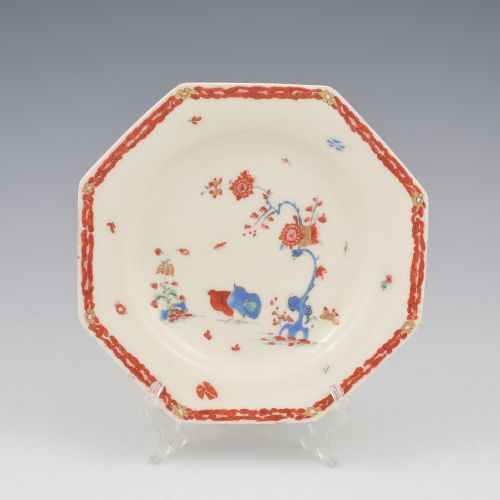
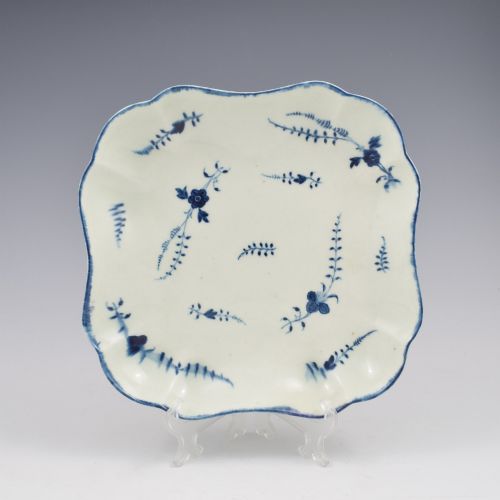
The selections available include named factory pieces originating from historic kilns such as Worcester, Royal Crown Derby, Spode and Royal Worcester. Forms vary from standard round dinner plates and octagonal cabinet plates to lobed dessert dishes, leaf-shaped dishes and square serving pieces designed for display.
The periods represented span the Georgian, Regency, Victorian and Edwardian eras, extending into mid-twentieth-century productions. Each piece records the shifting aesthetic tastes of English ceramic design, moving from blue and white transfer prints and Kakiemon patterns to lavish gilt-tooled fruit studies.
Materials and Manufacture
Potters utilised soft-paste porcelain, bone china, ironstone and pearlware as body materials, shaping them into plates, dishes and chargers before applying underglaze blue, enamel colours or transfer-printed scenes. Soft-paste porcelain from the eighteenth century provides a creamy translucent body suited to delicate brushwork, whereas later nineteenth-century bone china offers a whiter, denser ground for dense gilding and enamel painting.
Decoration relied on skilled hand-painting with enamel pigments, gold leaf and gilding, often combined with blue and white transfer printing. Surface enrichment frequently involved hand-tooled gold borders, raised paste gilding and polychrome motifs executed by named artists and factory workshops.
Early eighteenth-century Worcester painters occasionally hid tiny crescent marks inside leafy scrolls just to confuse future collectors.
Assessing Quality
Quality depends upon the fineness of the porcelain body, the precision of the potting, and the artistry of the hand-painted or transfer-printed decoration. Pieces featuring detailed hand-painted fruit, birds or armorial crests by known artists stand apart from standard transfer-printed wares.
The sophistication of the gilding, the complexity of moulded shapes such as lobed rims or basketweave textures, and the presence of documented factory marks or historical provenance elevate a piece within its period.
Royal Crown Derby·Royal Worcester·Spode·Minton·C.J. Mason·Coalport·Bow Porcelain
The English Porcelain Wall Plate Glossary
- Soft-paste porcelain
- An early ceramic composition fired at lower temperatures than hard-paste porcelain, resulting in a characteristic warm, translucent body popular in eighteenth-century factories.
- Bone china
- A type of porcelain incorporating animal bone ash, invented to increase strength and whiteness while allowing thin, elegant forming.
- Ironstone
- A durable heavy earthenware body patented in the nineteenth century to imitate Chinese porcelain for utilitarian and decorative tableware.
- Transfer printing
- A mechanical method of applying complex blue and white or polychrome designs to ceramic surfaces from engraved copper plates.
- Armorial plate
- A decorative dish painted with a specific family crest, coat of arms or heraldic insignia, often commissioned for aristocratic dining.
English Porcelain Wall Plate: Frequently Asked Questions
How do I hang a porcelain plate on the wall?
Displaying antique plates securely requires using coated spring-loaded hangers that grip the rim without scratching the glaze or putting undue stress on the ceramic body. Alternatively, specialised flat-backed wall mounts designed for cabinet plates offer a secure hold.
Ensure the wall fixing is anchored firmly into plaster or studwork, particularly for heavier ironstone chargers or bone china cabinet plates. Position the plates away from direct sunlight and heat sources to protect delicate enamel colours and gilding.
How do I tell eighteenth-century Worcester from later copies?
Eighteenth-century Worcester porcelain, particularly from the Dr Wall period, is distinguished by soft-paste bodies showing characteristic potting flaws, translucent greenish or warm tones under transmitted light, and underglaze blue crescent or square marks.
Later nineteenth-century and modern reproductions often feature harder, whiter bone china bodies and printed factory ciphers rather than hand-painted workmen's marks.
What is the difference between a cabinet plate and a dinner plate?
Cabinet plates were created specifically for display in glass-fronted furniture or on walls rather than for everyday dining. They frequently feature elaborate hand-painted scenes, extensive gilding, and moulded borders that would prove impractical for food service.
Dinner plates, while still decorative, were built to withstand regular use at the table, utilising sturdier bodies like ironstone or heavier bone china.