


English Porcelain Cabinet Dishes
English porcelain cabinet dishes are decorative plates and serving pieces created for display rather than dining, prized for their hand-painted detail and rich gilding.
English Porcelain Cabinet Dishes
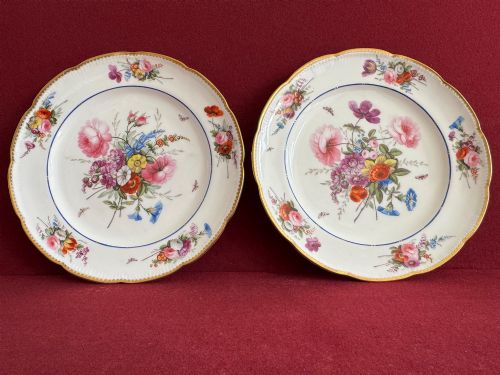
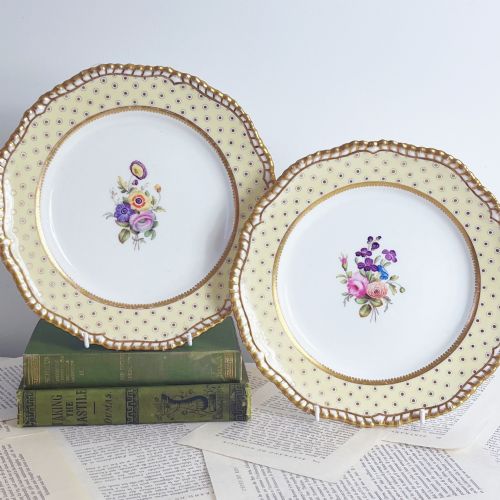
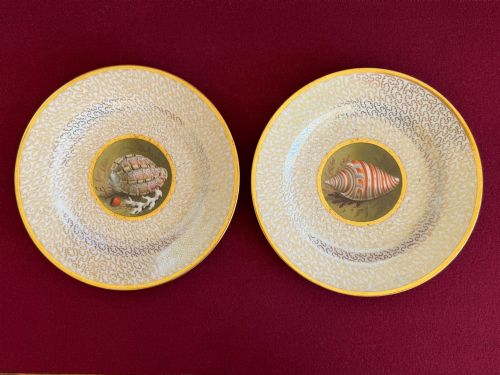
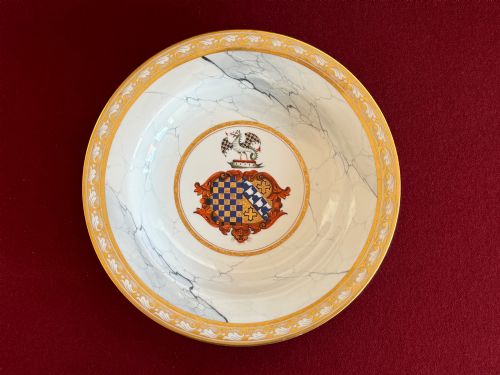
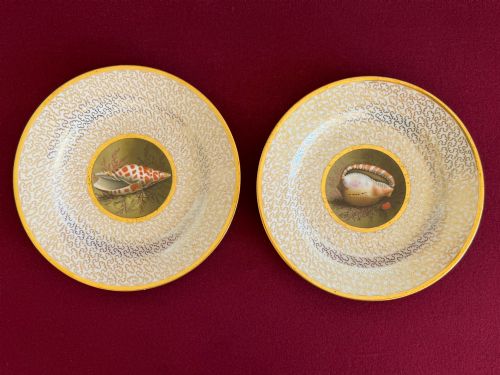
English porcelain cabinet dishes include cabinet plates, dessert plates, armorial soup plates, and oval serving dishes produced across the Georgian, Victorian, and later periods. These items were designed to be showcased on sideboards, walls, or in glass-fronted cabinets rather than used for everyday meals.
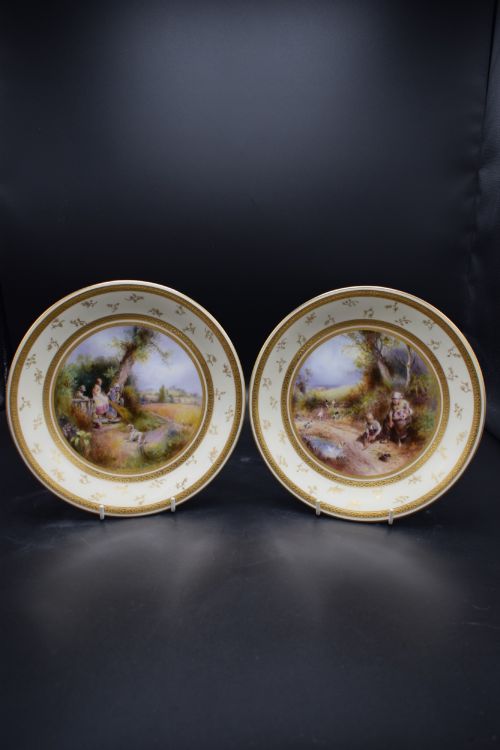
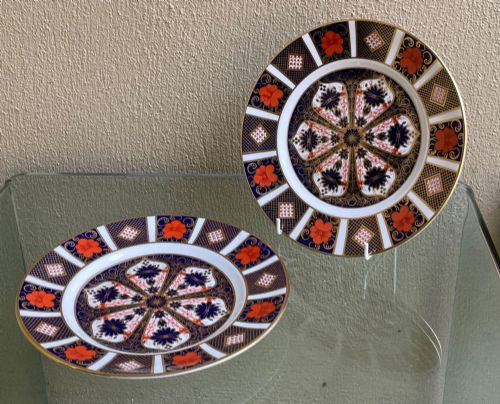
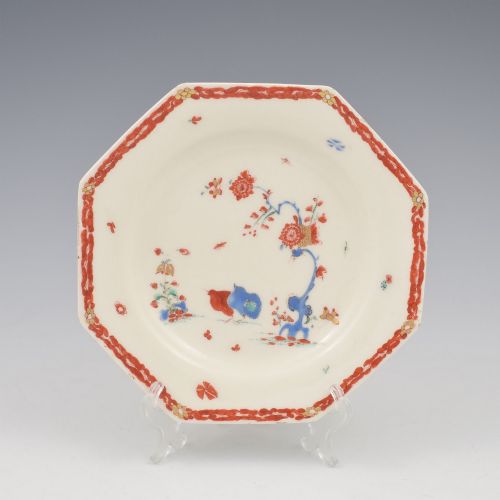
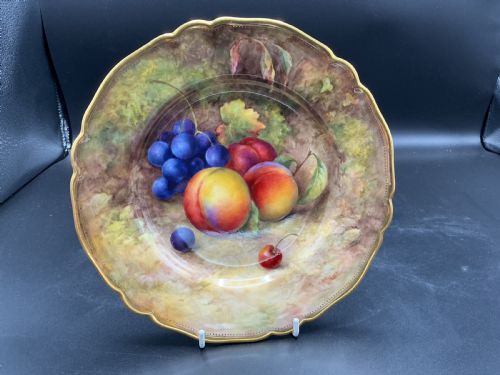
The selections available range from 18th-century soft-paste porcelain decorated in Kakiemon and Imari patterns to 19th-century botanical and topographical hand-painted works. Later examples often feature naturalistic fruit painting by known artists.
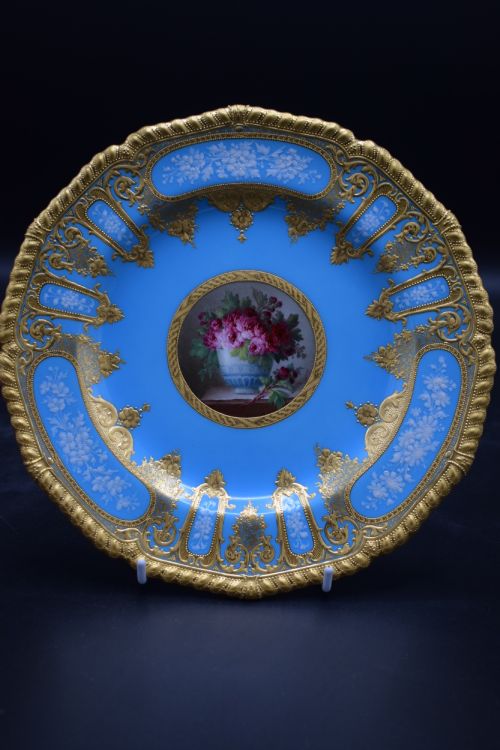
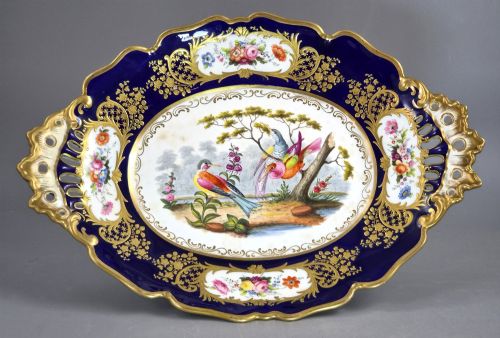
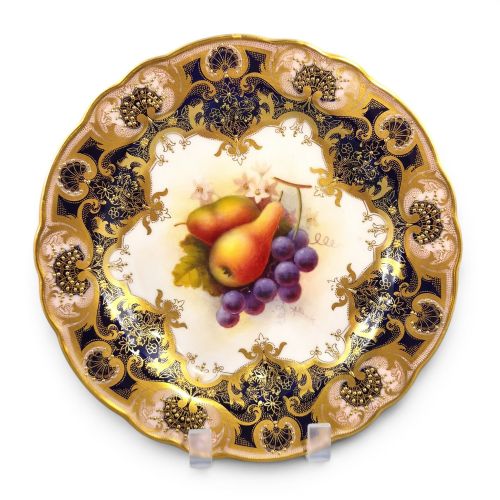
The most common formats met on this page are circular cabinet plates and dessert plates, frequently decorated with rich cobalt blue and gold leaf highlights in the Regency and Victorian styles.
How they were made
These pieces are fashioned from porcelain or bone china, utilising soft-paste or hard-paste ceramic bodies shaped into plates, trays, and deep lobed dishes. Artisans applied hand-painted enamels directly to the glazed surface before secondary firing.
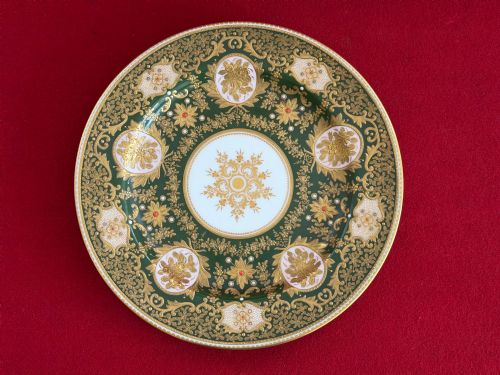
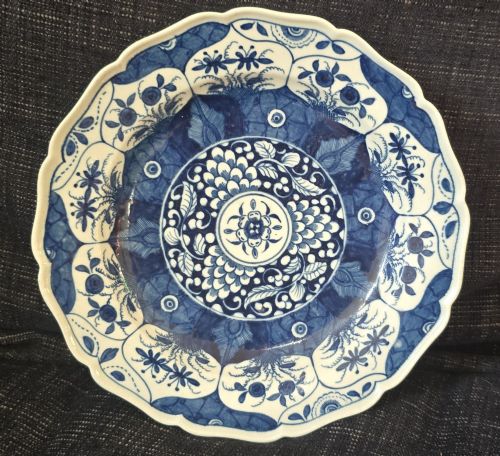
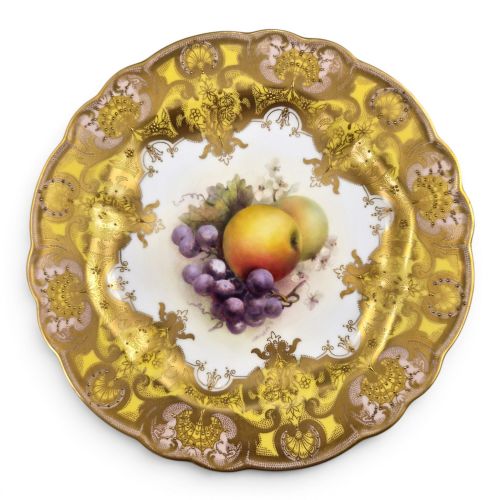
Gilding was a central technique, employing gold leaf, gilt, and gold paint to frame painted centres, accent borders, and create raised decorative motifs. Many factories also incorporated cobalt blue underglaze printing or hand painting beneath the glaze layers.
English Porcelain Cabinet Dishes Retail Price Guide 2026
Typical asking prices for english porcelain cabinet dishes among the pieces listed under this phrase on Sellingantiques today, from the lower quarter to the upper quarter. They describe what is for sale here now, not the wider market.
Materials recorded across the inventory include bone china, soft-paste porcelain, enamel, and gold leaf.
What varies in quality
Quality rests principally on the skill of the painter and the richness of the gilding, with master artists producing signed botanical or fruit studies that elevate a simple plate to a work of fine art. Factory provenance also dictates standing, as works from premier Worcester, Nantgarw, or Royal Crown Derby workshops display superior ceramic bodies and more complex enamelling.
The crispness of the transfer printing where used, the depth and burnishing of the gold leaf, and the refinement of the porcelain paste itself mark the distinction between standard commercial output and exceptional cabinet pieces.
Barr Flight and Barr·Royal Crown Derby·H and R Daniel·Royal Worcester·John Davenport
The English Porcelain Cabinet Dishes Glossary
- Soft-paste porcelain
- An early ceramic composition fired at lower temperatures than true porcelain, creating a warm, slightly translucent body popular in 18th-century factories like Bow.
- Armorial
- A term describing ceramics painted with a family crest, coat of arms, or heraldic motto, often commissioned for wealthy households.
- Imari
- A decorative style inspired by Japanese export wares featuring a palette of iron red, cobalt blue, and gold leaf, widely adopted by English potteries.
- Gilding
- The application of gold leaf or powdered gold to ceramics, used to outline panels and highlight moulded rims.
- Cabinet plate
- A decorative plate intended solely for display in a cabinet or on a wall rather than for dining use.
English Porcelain Cabinet Dishes: Frequently Asked Questions
What are English porcelain cabinet dishes?
These are decorative plates and serving dishes made for display in cabinets or on walls rather than for serving food.
They showcase fine hand-painted landscapes, birds, fruit, and armorial crests alongside rich gilding.
How were cabinet dishes used?
Cabinet dishes were collected by wealthy households to demonstrate taste and status, displayed on sideboards or mounted on walls.
They formed part of dessert services or stood alone as ornamental cabinet pieces.
How do you date English porcelain?
Dating relies on factory marks, painter signatures, ceramic body composition, and stylistic shifts such as Regency armorials or Victorian aesthetic motifs.
Changes in porcelain paste and gilding techniques also help place pieces within the Georgian or Victorian eras.