

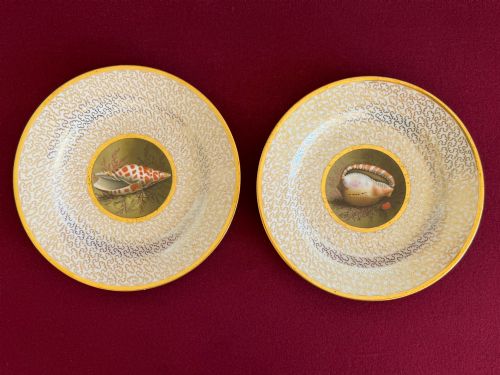


Antique Worcester Shell Dish
An antique worcester shell dish brings delicate rococo forms and hand-painted botanical or bird scenes straight to a cabinet or side table.
Antique Worcester Shell Dish
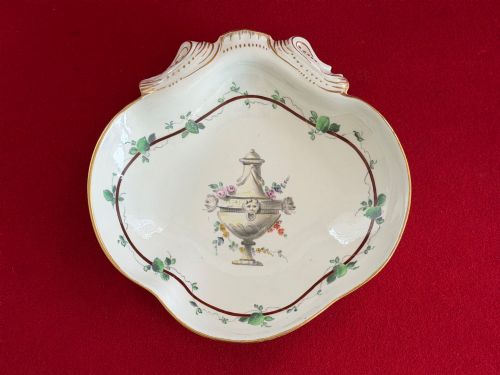
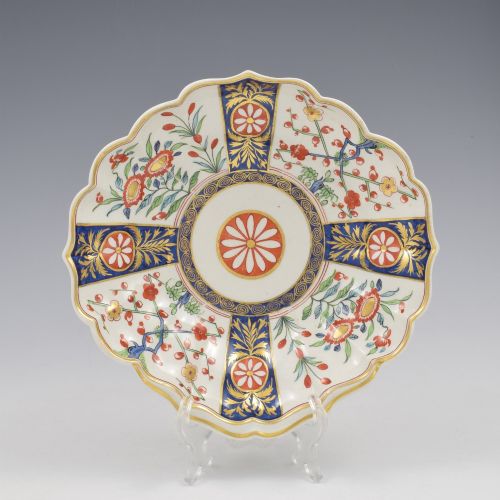
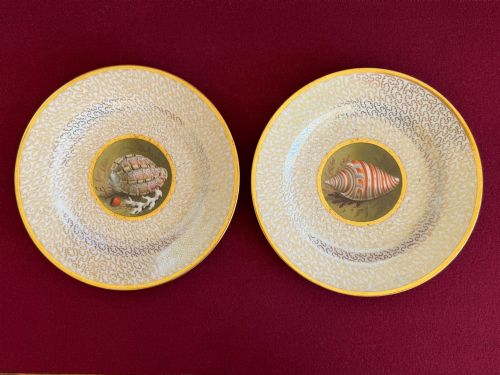
An antique worcester shell dish takes the natural fluted form of a marine shell and renders it in porcelain. These pieces range from eighteenth-century pickle dishes and sweetmeat stands to later nineteenth-century centrepieces and decorative plates.
The versions most commonly met on this page span the First Period of Worcester manufacture through to the Georgian and Victorian eras. Makers utilised soft-paste and hard-paste porcelain to shape these marine motifs, often applying hand-painted designs or rich gilding.
How they were made
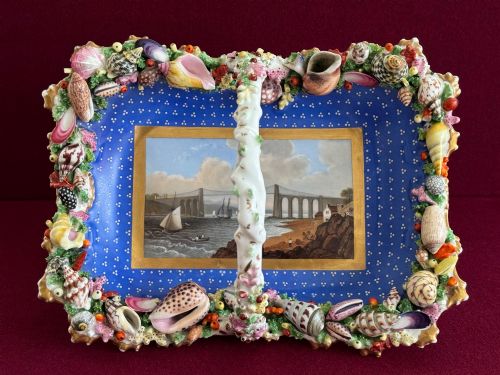
Potters shaped soft-paste and standard porcelain into ribbed, fluted shell moulds before applying smooth glaze and enamel pigments. Artisans painted detailed floral sprays, birds, and architectural views directly onto the unfired or biscuit surfaces.
Gilders added gold leaf and gold gilt highlights along the scalloped rims and handles. Kiln firing fused the enamel colours and metallic leaf to the porcelain body, creating a durable and lustrous finish.
Antique Worcester Shell Dish Retail Price Guide 2026
Typical asking prices for worcester shell dish among the pieces listed under this phrase on Sellingantiques today, from the lower quarter to the upper quarter. They describe what is for sale here now, not the wider market.
Georgian potters occasionally added tiny, perfectly formed porcelain snails clinging to the undersides of these shell dishes just for fun.
What varies in quality
The refinement of the hand-painted brushwork distinguishes standard output from finer cabinet pieces. Detailed multi-colour bird motifs or hand-rendered topographical scenes require greater artistic skill than simple floral sprays.
The crispness of the moulded ribbing and the preservation of the gold leaf significantly influence the overall standard. Pieces with intact, unrubbed gilding and deeply defined shell contours represent the higher tier of production.
Barr Flight And Barr·Chamberlain Worcester·Royal Worcester
The Antique Worcester Shell Dish Glossary
- First Period Worcester
- The earliest phase of Worcester porcelain production, running from approximately 1751 to 1783. Pieces from this era often feature delicate soft-paste bodies and hand-painted oriental or botanical motifs.
- Sweetmeat stand
- A small tiered or pedestal dish designed to hold confectionery, nuts, or dried fruits. These vessels frequently took naturalistic shell forms during the eighteenth century.
- Pickle dish
- A small, shallow serving vessel shaped for condiments at the dining table. They were commonly moulded into leaf or shell shapes during the Georgian period.
- Soft-paste porcelain
- A ceramic composition made from clay, glass, and ground minerals rather than true kaolin and petuntse. It creates a warm, creamy translucent body common in early English wares.
- Gilt
- A thin layer of gold applied to the surface of the porcelain for decoration. It frames the edges and highlights the moulded ribs of shell dishes.
Antique Worcester Shell Dish: Frequently Asked Questions
What were shell dishes used for originally?
These pieces served practical dining functions on Georgian and Victorian tables, holding small quantities of sweetmeats, pickles, or dessert fruits. Their ornate moulded shapes also allowed them to double as decorative cabinet display items.
Over time, wealthier households transitioned them entirely into decorative centrepieces and dessert dishes. Their marine forms added a touch of natural philosophy and elegance to formal dining rooms.
How do I identify First Period Worcester?
First Period pieces typically display soft-paste porcelain bodies that show a warm, creamy translucency when held to the light. They often feature hand-painted underglaze blue designs or finely executed polychrome enamels.
Look for early Worcester factory marks on the base, such as open crescents, simulated Chinese characters, or script letters. The potting tends to be lighter and more delicate than nineteenth-century equivalents.
Can I use antique porcelain for serving food?
While these dishes were originally made for dining, modern usage is generally discouraged for eighteenth and nineteenth-century soft-paste porcelain. Acids in modern foods and repeated washing can harm the historic glaze and delicate enamel decorations.
It is best to treat these items as display pieces or collection items rather than functional tableware. This preserves the hand-painted details and fragile gold leaf from accidental wear.
How should I display my shell dish?
Display these items in a secure cabinet or on a stable side table away from direct, harsh sunlight and heavy foot traffic. Using a dedicated porcelain stand allows the fluted shell shape and painted interior to be viewed properly.
Ensure the display surface is level, as these curved vessels can rock if placed on uneven wood or glass. Minimal handling helps protect the fragile porcelain edges from chips.