



Gold White Porcelain Saucers
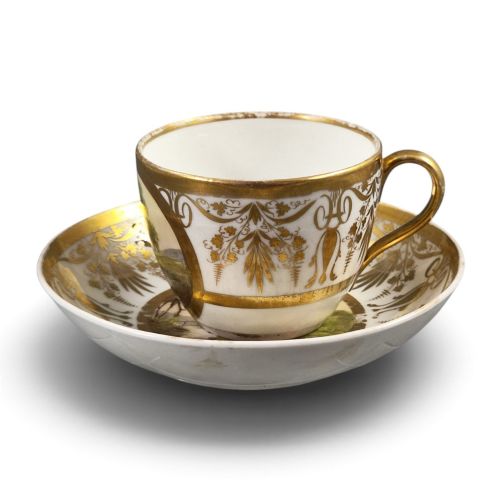
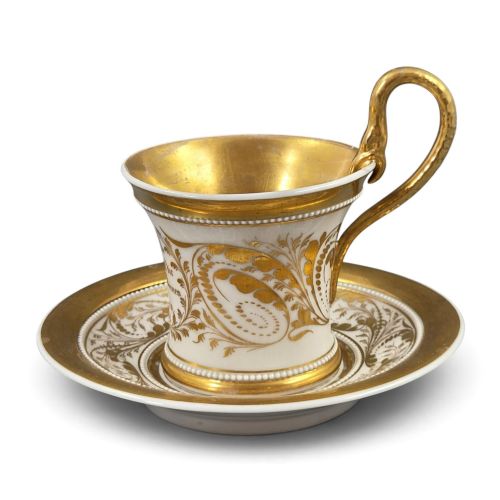
Gold white porcelain saucers are delicate tablewares combining bright porcelain with gleaming gilding, prized by collectors for their refined historical craftsmanship.
Gold White Porcelain Saucers
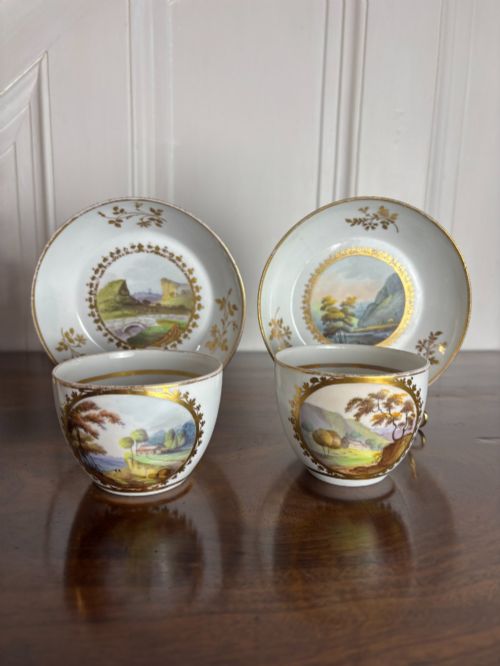
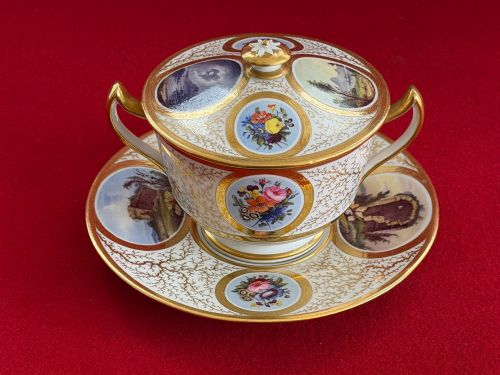
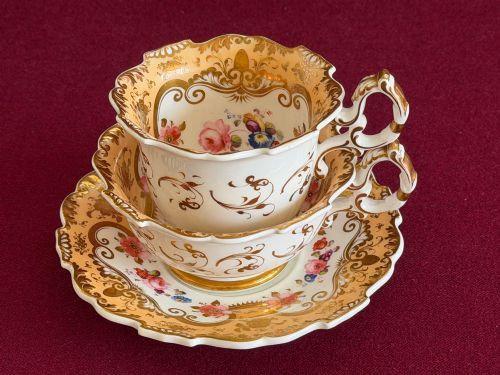
Gold white porcelain saucers include individual saucer duos, full tea sets, and cabinet pieces originating from periods ranging from the eighteenth century through to the twentieth century.
The objects frequently appear paired with matching teacups or as part of larger breakfast and tea services produced by notable European manufactories.
Makers represented span English factories like Worcester, Coalport, and Spode alongside continental producers such as KPM Berlin and Hirsch Dresden.
Assessing Quality and Execution
The fineness of the porcelain body and the precision of the white glaze set the foundational standard for each piece.
Handpainted details, such as botanical illustrations or landscape miniatures, combined with the thickness and brilliance of the applied gilding distinguish superior examples from standard production.
Gold White Porcelain Saucers Retail Price Guide 2026
Typical asking prices for gold white porcelain saucers among the pieces listed under this phrase on Sellingantiques today, from the lower quarter to the upper quarter. They describe what is for sale here now, not the wider market.
Some nineteenth-century decorators squeezed gold leaf through paper cones with such enthusiasm that the rims weigh almost as much as the tea.
A H & R Daniel·KPM Berlin·Barr Flight and Barr·Royal Albert Crown China·Hirsch Dresden
The Gold White Porcelain Saucers Glossary
- Bone china
- A type of soft-paste porcelain incorporating animal bone ash to increase strength and whiteness.
- Gilding
- The application of gold leaf or gold powder onto the ceramic surface for decorative accent.
- Hard-paste porcelain
- A true porcelain made from kaolin and petuntse fired at very high temperatures.
- Tea bowl
- A handleless vessel used for drinking tea before the widespread adoption of teacups with handles.
- Demitasse
- A small cup used for serving espresso or strong black coffee, frequently found alongside matching saucers.
Gold White Porcelain Saucers: Frequently Asked Questions
How do I date a gold white porcelain saucer?
Dating relies upon factory marks, stylistic indicators such as Regency or Rococo Revival forms, and the specific composition of the ceramic body.
Comparing the handpainted motifs and gilding style with documented pieces from makers like Worcester or KPM Berlin helps narrow the period of manufacture.
Are these saucers safe to use daily?
These historical items are generally intended for display or careful occasional use rather than modern heavy-duty service.
Handwashing in lukewarm water without abrasive detergents preserves the delicate enamel work and fragile gold leaf.
What is the difference between bone china and hard-paste porcelain?
Bone china includes bone ash in its mixture, yielding a slightly warmer white tone and remarkable translucency.
Hard-paste porcelain uses traditional mineral ingredients fired at extreme heat, producing a denser and colder white material.
Why do some saucers lack matching cups?
Many surviving saucers lost their companion cups through centuries of separate handling, breakage, or individual dispersal.
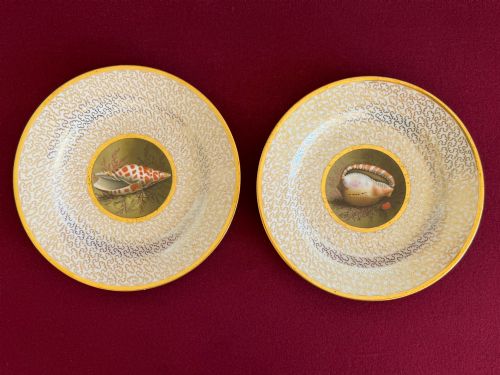
Cabinet plates and isolated saucers were also sometimes produced or collected as decorative cabinet items rather than functional tableware.