

Gold Ceramic Dishes
These gold antique ceramic dishes bring hand-painted artistry and fine porcelain or earthenware into the home through decorative plates, bowls, and tureens.
Gold Ceramic Dishes
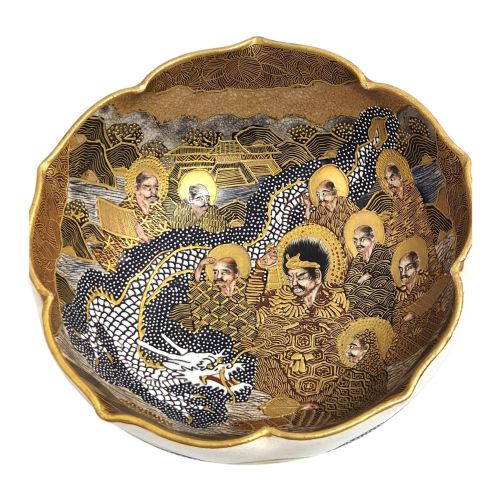
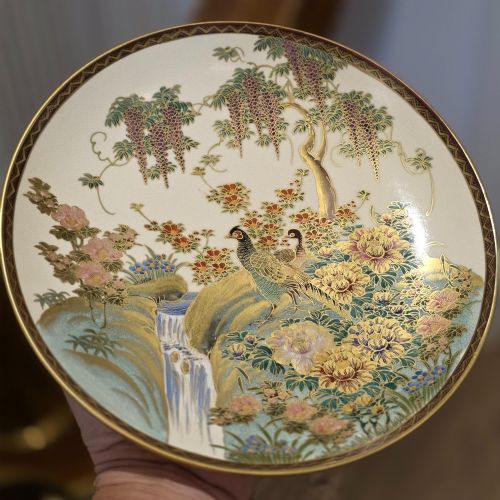
Gold antique ceramic dishes encompass a range of decorative vessels, cabinet plates, and serving dishes created from the Georgian period through the early twentieth century. Buyers seeking these items will find English porcelain and bone china alongside Japanese Satsuma earthenware and French porcelain.
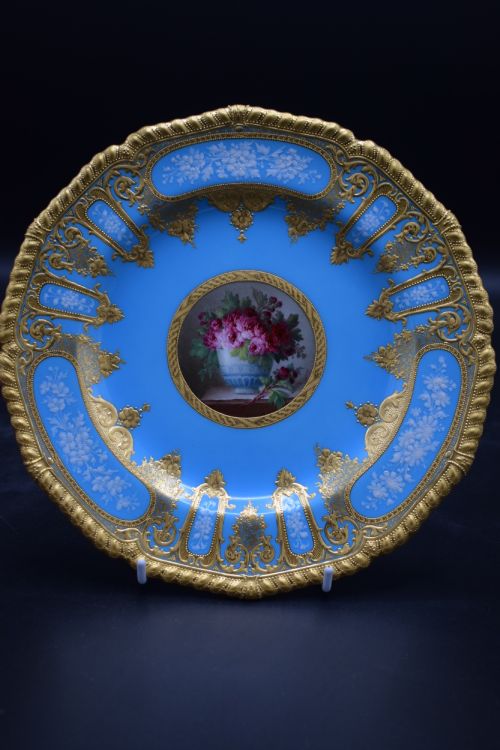
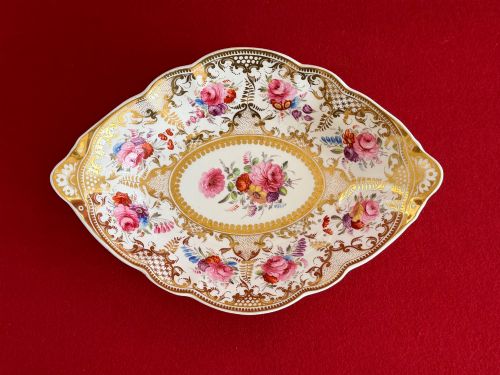
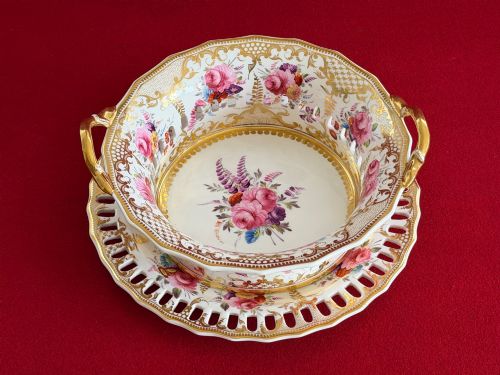
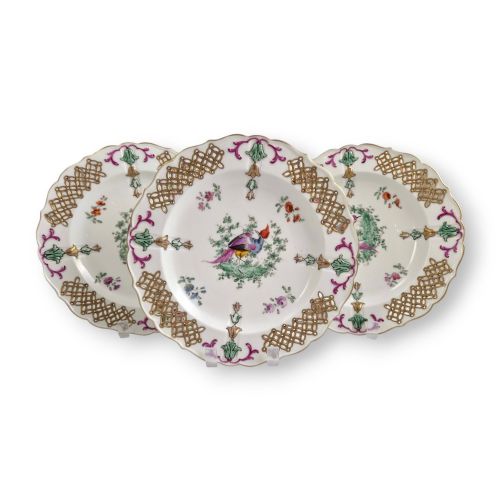
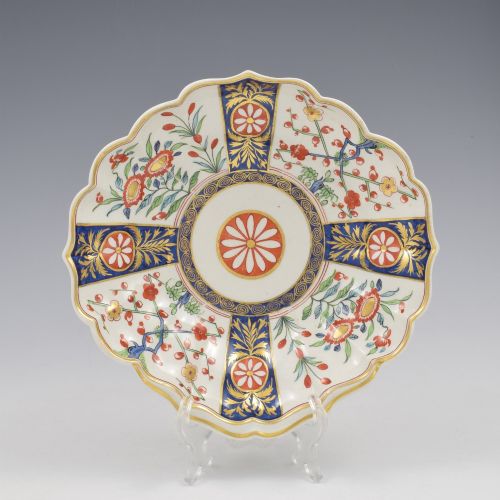
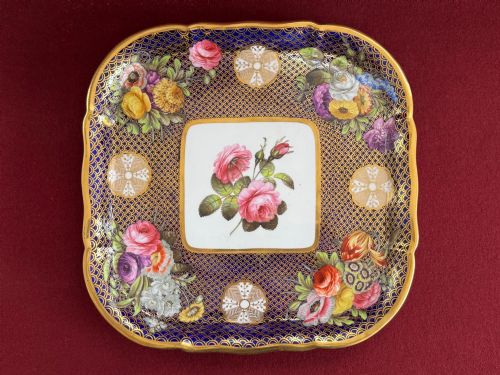
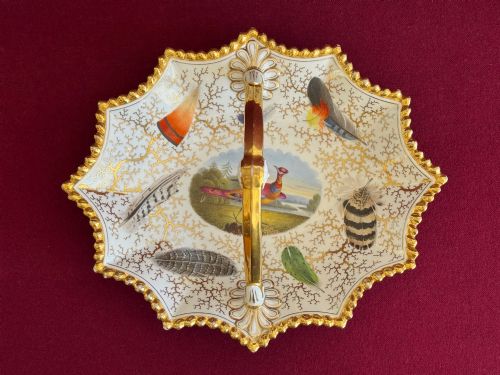
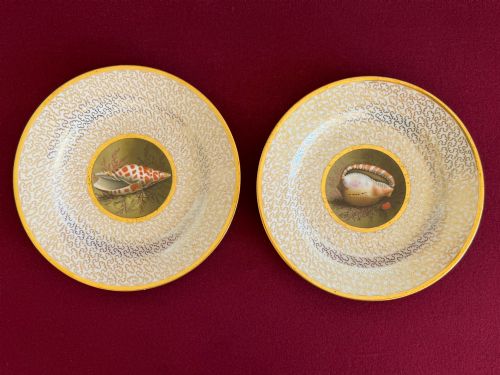
The pieces appearing on this page span several decades, featuring works from Worcester, Derby, Royal Doulton, and Minton factories. Forms include cabinet plates designed for display, botanical serving dishes, and intricate bowls decorated with gilding.
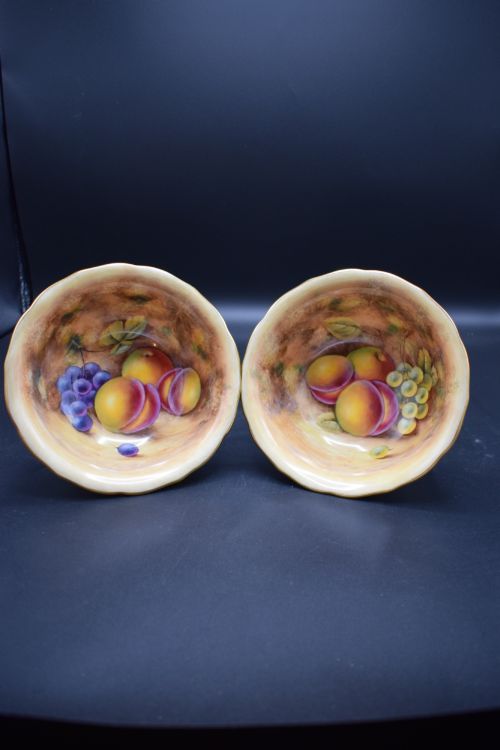
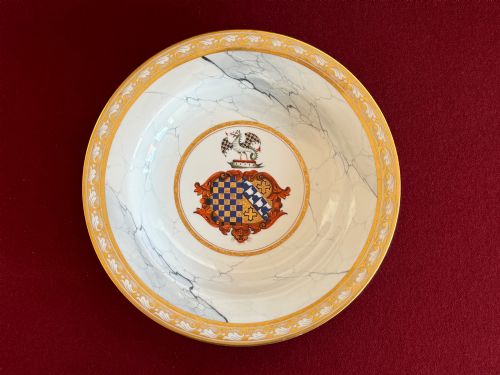
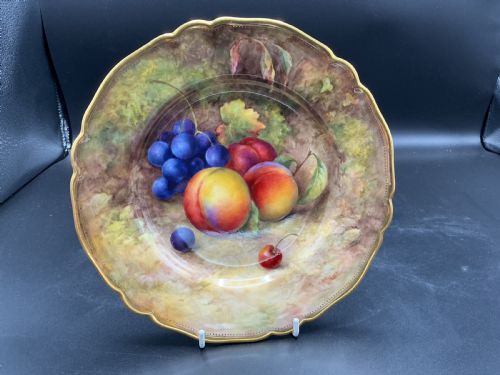
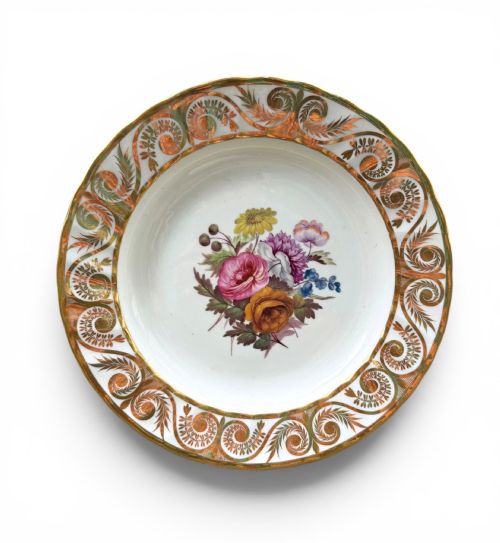
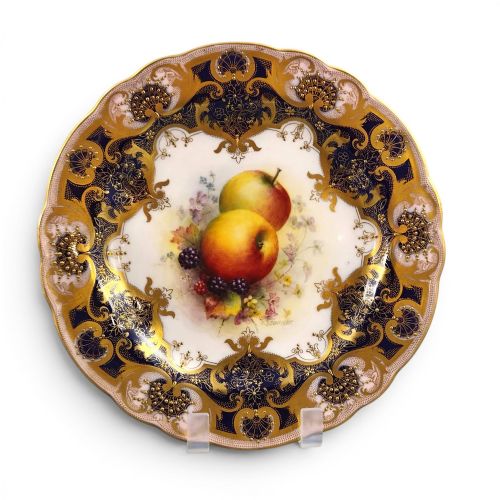
Makers utilised gold leaf, gilt, and enamel to embellish floral motifs, armorial bearings, and hand-painted fruit scenes. These ceramics represent both traditional British tableware and imported Japanese Satsuma and Kutani wares from the Meiji period.
Materials and Manufacture
Potters shaped porcelain, bone china, and earthenware bodies before applying glazes and hand-painted designs. Enamel colours and metallic accents were fused to the ceramic surface during kiln firing.
Gilding and gold leaf were applied by hand to rims, handles, and intricate patterns, requiring skilled brushwork and precise temperature control. Many pieces feature raised paste gilding or elaborate gilt borders alongside hand-painted botanical or figurative subjects.
Gold Ceramic Dishes Retail Price Guide 2026
Typical asking prices for gold ceramic dishes among the pieces listed under this phrase on Sellingantiques today, from the lower quarter to the upper quarter. They describe what is for sale here now, not the wider market.
Cupid and Psyche gaze eternally across a pierced porcelain plate while botanical dishes display the Isle of Wight.
Quality Variations
The standard of painting distinguishes the finest cabinet plates and decorative dishes from standard production pieces. Hand-painted fruit studies, armorial crests, and detailed botanical illustrations executed by named artists indicate superior craftsmanship.
The application and preservation of the gold leaf or gilding also determine the calibre of a piece. Intricate raised gilding, well-preserved enamels, and crisp porcelain bodies reflect higher standards of production across English and Japanese manufactories.
Flight Barr and Barr·Royal Worcester·Royal Crown Derby·Royal Doulton·Wedgwood·Minton·Chamberlains Worcester
The Gold Ceramic Dishes Glossary
- Cabinet plate
- A decorative plate intended for display rather than dining. These pieces often feature elaborate hand-painted scenes and heavy gilding.
- Bone china
- A type of soft-paste porcelain containing bone ash, developed in England to create a strong, translucent ceramic body.
- Gilt
- A thin layer of gold applied to the surface of the ceramic. It is used extensively on borders, handles, and motifs.
- Satsuma ware
- A type of Japanese earthenware originating from Satsuma Province, typically featuring a crackle glaze decorated with polychrome enamels and gold.
- Tureen
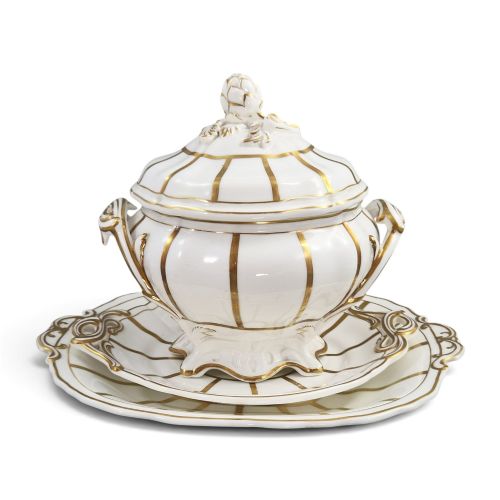
- A deep covered bowl used for serving soups or sauces. Antique examples often include matching stands or platters.
Gold Ceramic Dishes: Frequently Asked Questions
How do I care for gold antique ceramic dishes?
These delicate ceramics require gentle hand washing in warm water with mild soap. Avoid abrasive sponges and dishwashers to protect the hand-painted enamels and gold leaf.
Store them securely on padded surfaces or in display cabinets where temperature fluctuations remain minimal.
Were these decorative plates used for dining?
Cabinet plates and heavily gilded dessert plates were primarily created for display in drawing rooms or formal dining spaces. Other forms, such as serving dishes and tureens, served practical functions at the table during formal meals.
Many surviving pieces retain pristine surfaces because owners preserved them as decorative works of art rather than everyday tableware.
How can I identify the date of a porcelain dish?
Makers often incorporated factory marks, pattern numbers, or artist signatures on the underside of the ceramic body. Comparing these marks with established factory records helps narrow down the period of manufacture.
Stylistic indicators such as Aesthetic Period designs or Regency border patterns also provide clear chronological reference points.
What is the difference between porcelain and earthenware?
Porcelain is fired at extremely high temperatures, resulting in a dense, vitrified, and often translucent white body. Earthenware is softer, more porous, and requires an opaque glaze to seal the clay body.
Japanese Satsuma pieces on this page are notable examples of fine earthenware featuring distinct crackle glazes.