


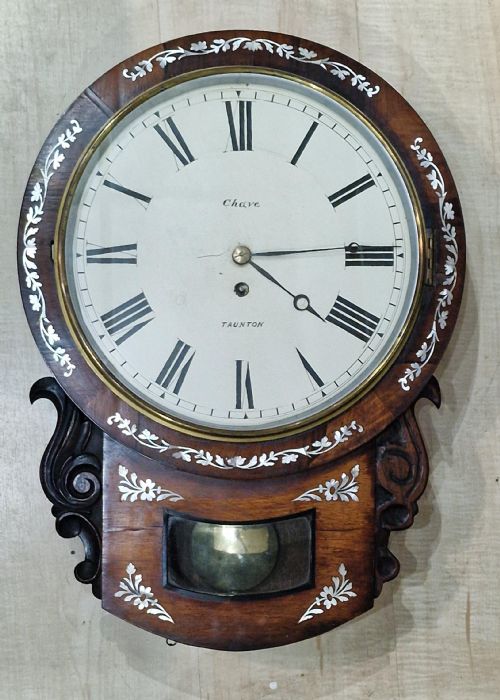

English Pendulum Wall Clock
An english pendulum wall clock brings precision timekeeping and handsome timber cabinetry into domestic and public spaces alike.
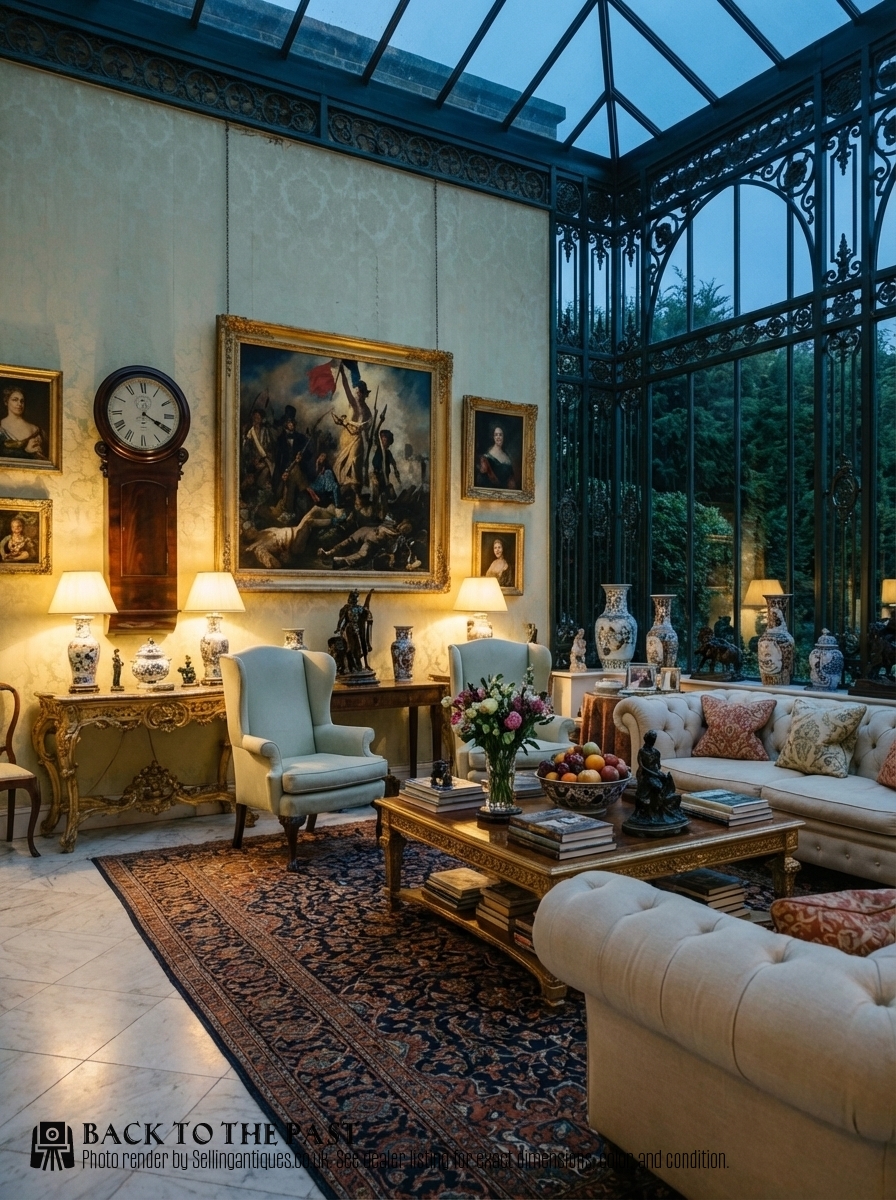
English Pendulum Wall Clock
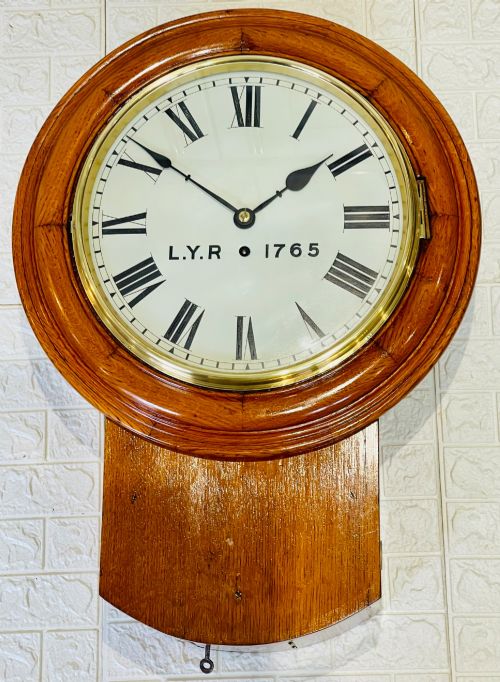
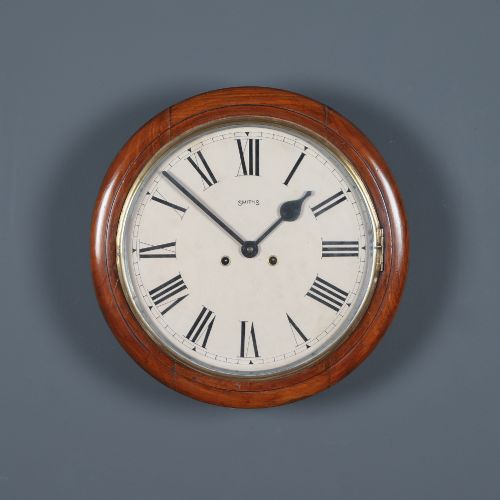
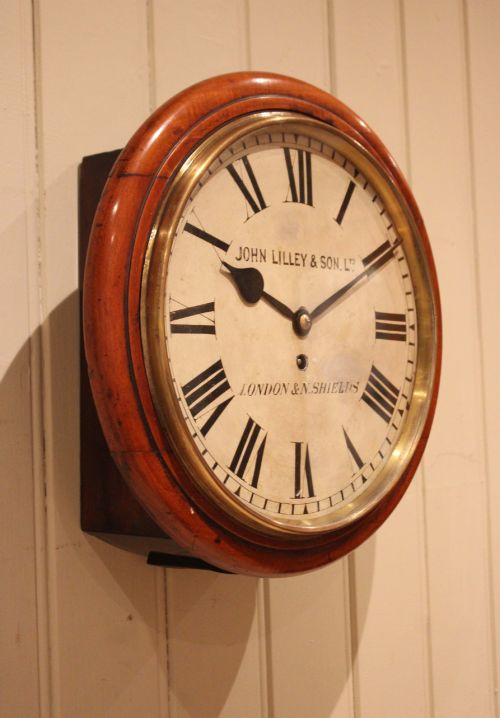
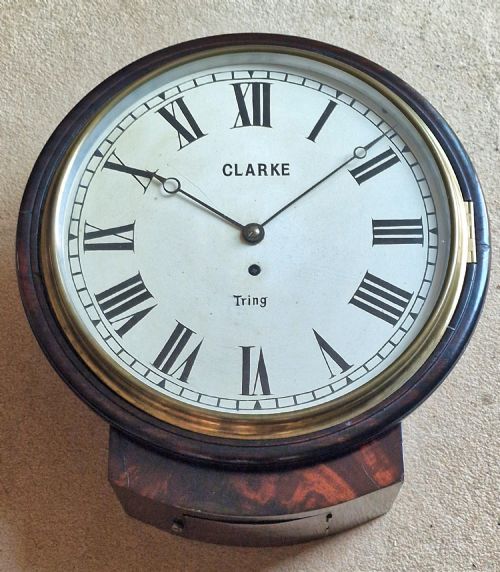
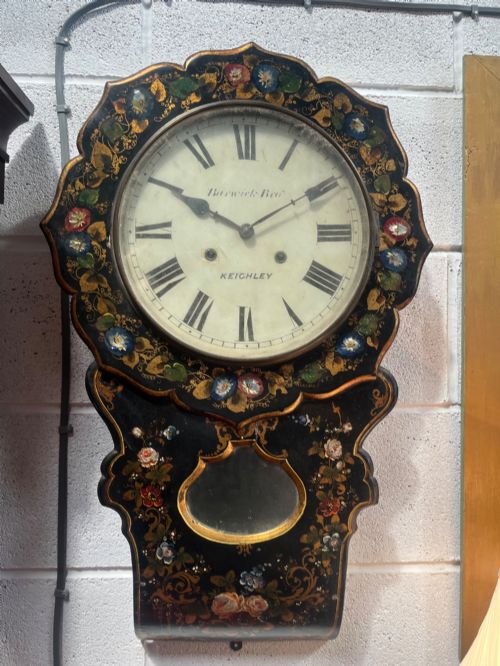
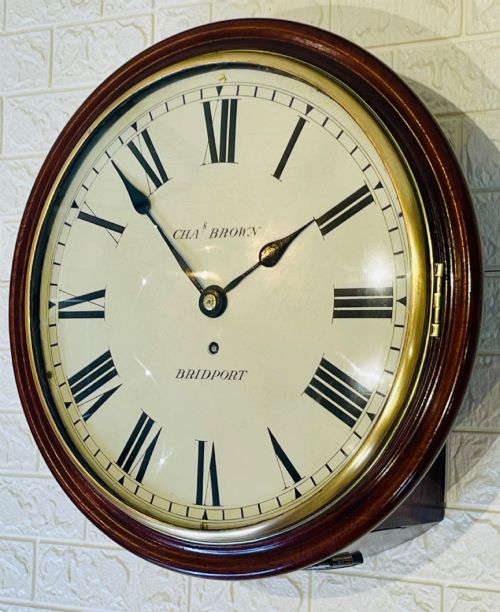
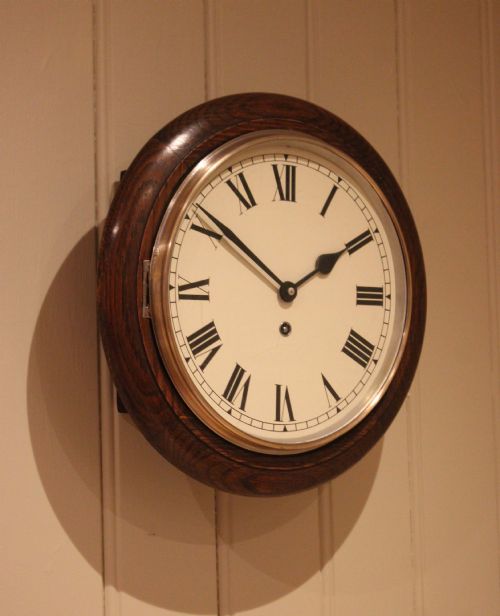
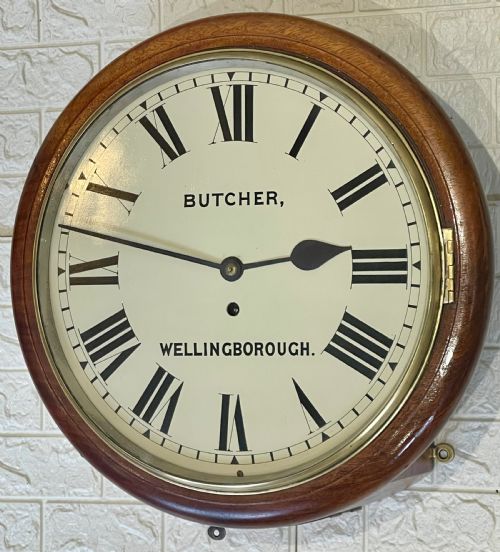
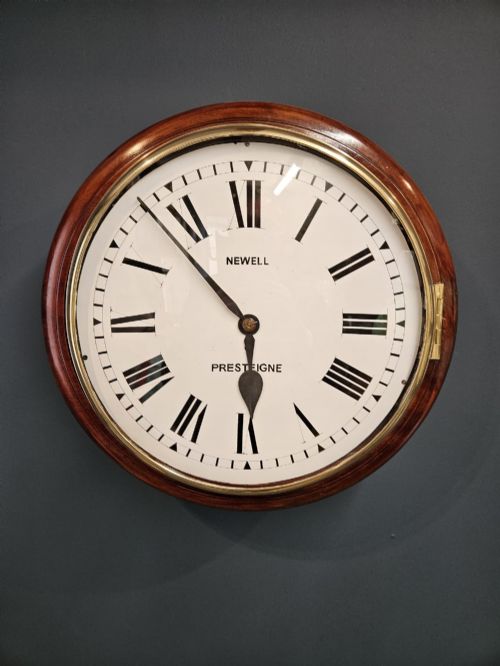
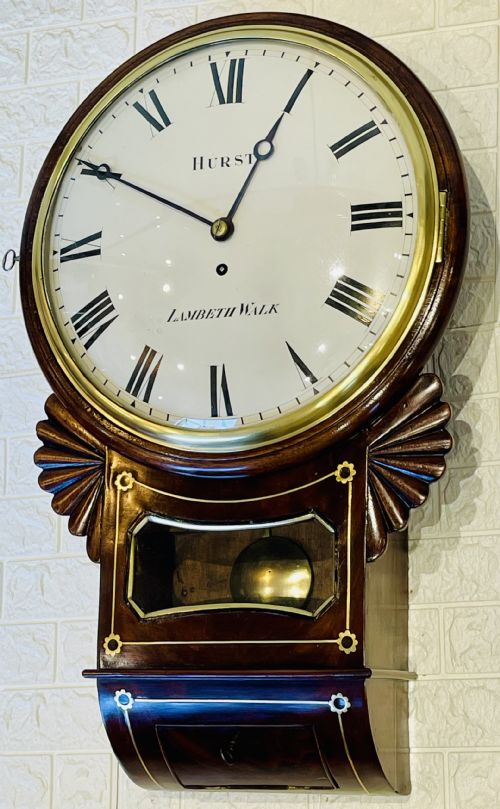
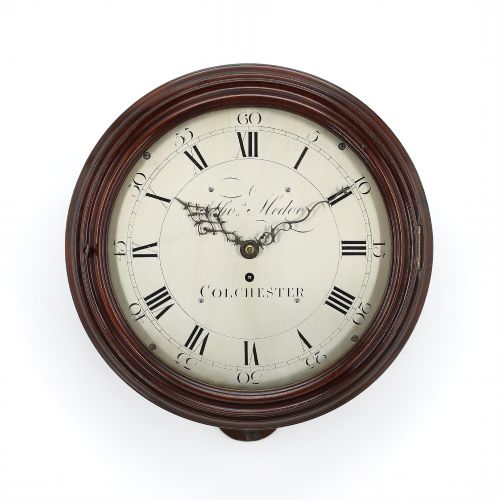
An english pendulum wall clock comprises wall-mounted timepieces spanning the Georgian, Regency, and Victorian eras, alongside later pieces up to the twentieth century. The selection leans heavily towards round dial clocks and drop-dial wall clocks designed to hang securely in offices, hallways, and railway stations.
Most examples rely on fusee movements housed in timber cases, offering clean circular faces that remain easy to read from across a room. Buyers encounter sturdy oak and rich mahogany encasements frequently, while rosewood and mother-of-pearl inlay appear on more decorative examples.
Originating from makers across London and regional towns, these pieces combine utilitarian function with traditional cabinet-making skills. Whether mounted in a compact hallway or a grand reception room, they serve as both reliable timekeepers and historical furnishings.
How They Were Made
Cabinet makers utilised dense hardwoods such as mahogany, oak, and rosewood to construct robust circular surrounds and extended drop cases. These timbers were often steam-bent, carved, or inlaid with brass and mother-of-pearl to catch the light.
Clockmakers fitted brass movements driven by fusee chains or twin-fusee mechanisms, pairing them with wooden or painted convex dials protected by glass panels. The internal pendulum regulated each swing to maintain steady accuracy across hours of operation.
English Pendulum Wall Clock Retail Price Guide 2026
Typical asking prices for english pendulum wall clock among the pieces listed under this phrase on Sellingantiques today, from the lower quarter to the upper quarter. They describe what is for sale here now, not the wider market.
Some railway station clocks endured decades of locomotive soot and hurried commuters before finding a peaceful retirement on a domestic wall.
What Varies in Quality
The standard of a timepiece rests in the crispness of its timber joinery and the complexity of its movement, such as twin-fusee bell-striking mechanisms versus simpler single-chain setups. Fine specimens display well-figured mahogany or rosewood grain that has aged gracefully over generations.
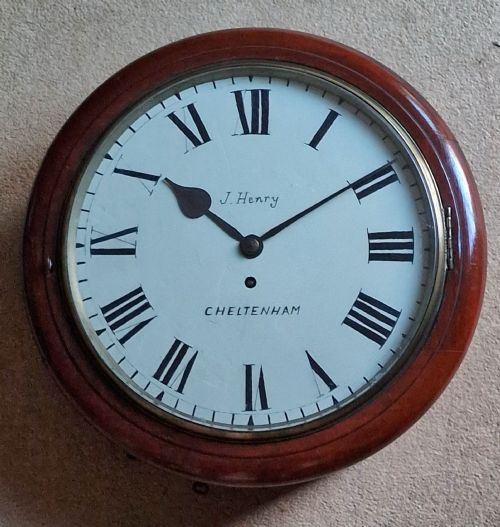
Attention to detail on the dial, including hand-painted lettering, convex glass bezels, and signed maker plaques, elevates a piece from a standard utility clock to a superior example of regional craftsmanship.
J Henry Cheltenham·George Clarke Tring·Joseph Bird Stroud·Thomas Hedge Colchester·Samuel Chave Taunton·Halliday and Rich Bridgwater·Henry Lamb Windsor·Henry Deykin Worcester
The English Pendulum Wall Clock Glossary
- Fusee
- A conical pulley used with a cord or chain to equalise the torque of the mainspring as it unwinds. This mechanism ensures consistent power delivery to the escapement for better accuracy.
- Drop-dial
- A clock style featuring a circular dial mounted above an extended wooden box that houses the pendulum. The lower case often includes a side or front access door.
- Verge
- An early escapement type utilising a crown wheel and pallets to control the rotation of the gear train. It is commonly found in older seventeenth and eighteenth-century wall clocks.
- Convex dial
- A clock face that curves outward toward the viewer, designed to reduce glare from windows and improve legibility from various angles in a room.
- Twin-fusee
- A movement featuring two separate fusee cones to power both the timekeeping train and the striking train independently. This setup often drives a bell or gong mechanism.
English Pendulum Wall Clock: Frequently Asked Questions
How do I wind an english pendulum wall clock?
Use the provided winding key to turn the arbour slowly until you feel resistance, taking care not to over-wind the mechanism. Ensure the pendulum hangs straight and free to swing without catching against the back of the case.
Allow the clock to settle after winding, listening for a steady, even beat. Adjust the small regulation nut on the pendulum rod up or down if the timekeeping gains or loses minutes.
Where should I hang a wall clock?
Select an interior wall that remains free from excessive vibrations, heavy door slams, and direct dampness or sunlight. Solid brick or well-stud-backed walls provide the secure support necessary for heavy hardwood cases.
Mount the clock at a comfortable eye level so that winding and reading the dial require no straining. Using proper heavy-duty fixings matched to your wall type is essential for safety.
How do I identify the period of a clock?
Examine the timber choice, dial construction, and case silhouette, comparing them against known design markers from the Georgian, Regency, and Victorian eras. Earlier pieces often feature painted wooden dials or verge escapements, while later Victorian models frequently utilise brassbezels and fusee chains.
Maker signatures inscribed on the dial or backplate often point to specific regional workshops and active operational dates. Consulting historical trade records helps narrow down the exact decade of manufacture.
Why does my clock keep stopping?
Stoppages frequently occur if the clock case is not hung perfectly plumb against the wall, causing the pendulum to swing unevenly. Check that the beat sounds symmetrical, adjusting the case position if the tick sounds irregular.
Accumulated dust or dried oil within the brass movement can also impede the gear train over time. Professional cleaning and adjustment will restore smooth operation to older mechanisms.