




English Painted Porcelain Urn
An english painted porcelain urn brings together hand-painted detail and ceramic form across periods from Georgian to mid-century production.
English Painted Porcelain Urn
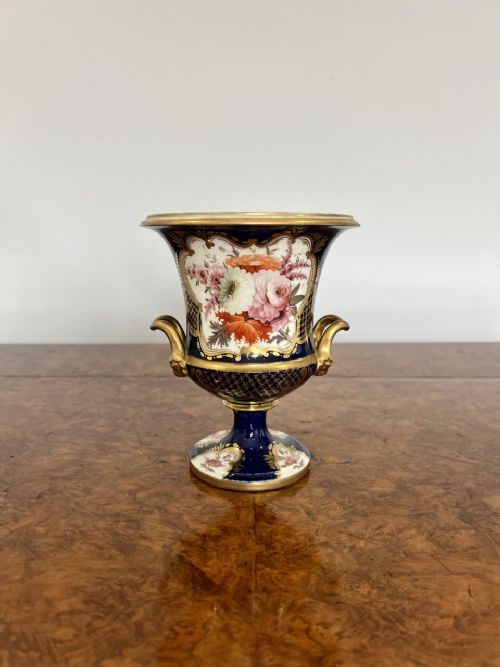
An english painted porcelain urn encompasses decorative vessels, lidded potpourri pots, and campagna urns created by historical potteries and factories. The selection spans Georgian, Regency, Victorian, and Edwardian eras, extending into early and mid-twentieth century output.
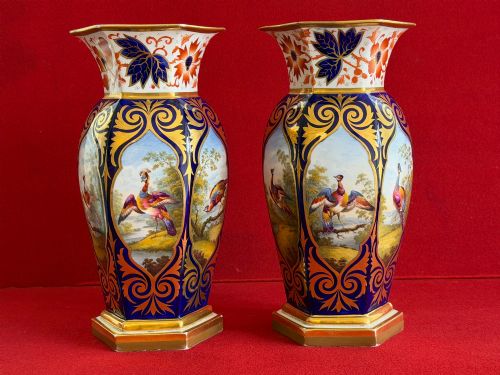
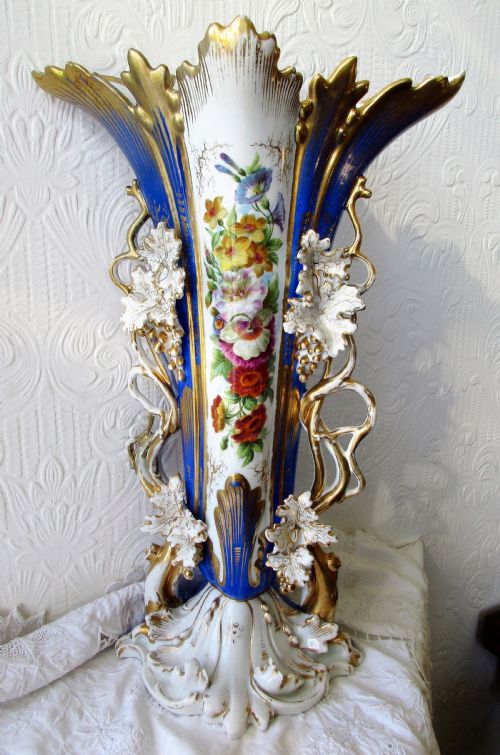
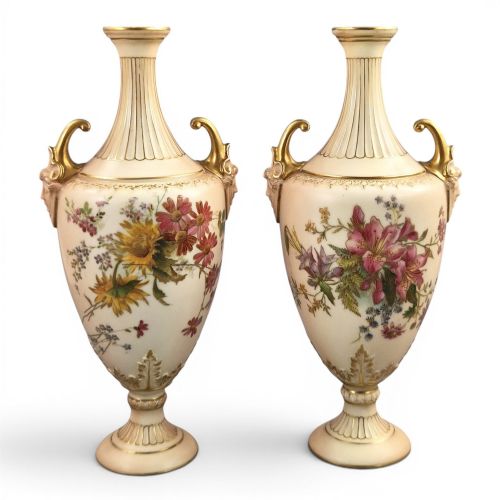
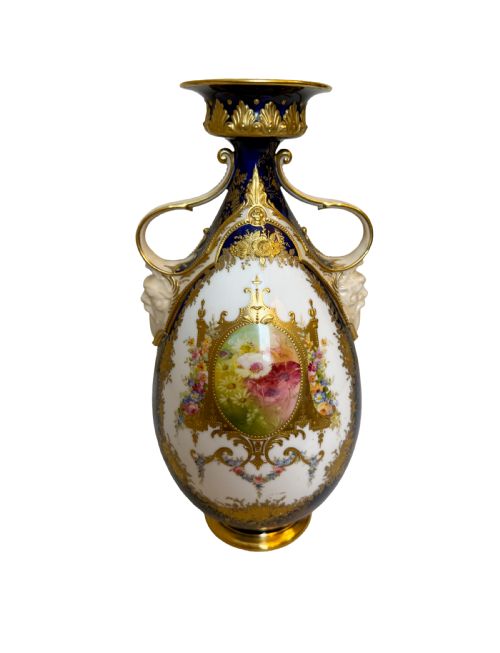
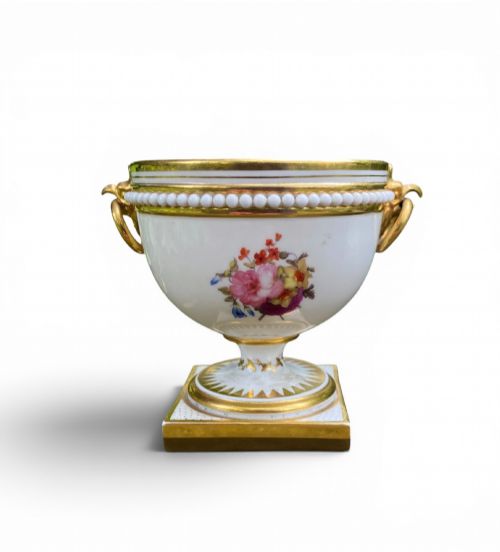
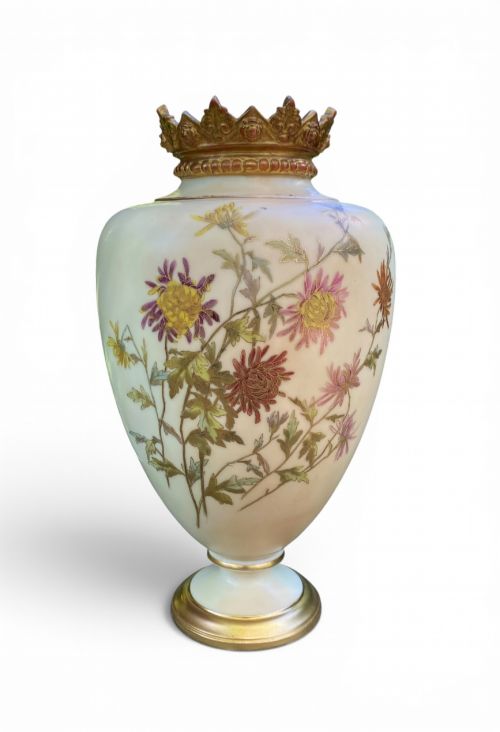
Most items you encounter on this page date from the nineteenth century, with strong representation from Regency-period Worcester manufactories and later Victorian and Edwardian Royal Worcester productions. Forms range from miniature cabinet pieces to large lidded garnitures decorated with landscapes, botanical studies, and bird scenes.
How they were made
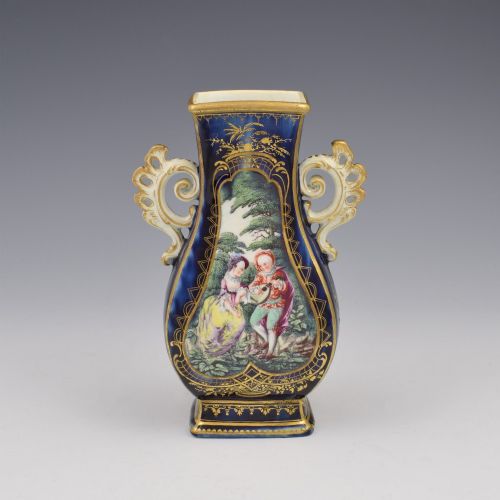
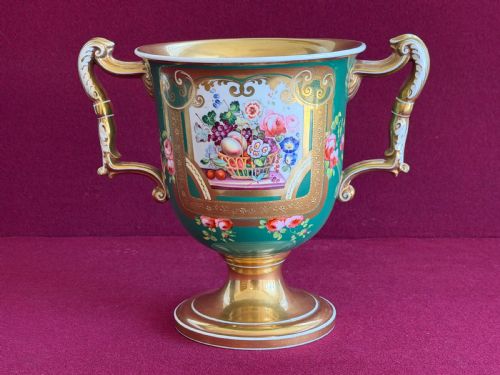
Manufacturing relies on fine porcelain and bone china bodies shaped into vessels, then finished with glaze, enamel colours, and hand-applied gold leaf or gilding. Potters formed bodies through throwing or moulding before applying detailed brushwork.
Painted decoration was fixed through kiln firing, often combining polychrome enamels with raised gilt ornamentation or lustre glazes to accentuate the ceramic contours.
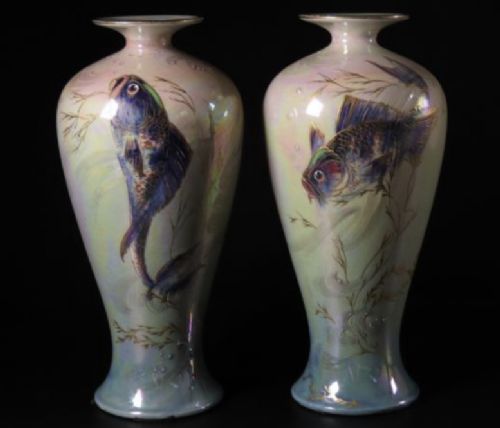
Swans, storks, and fish occasionally take over the porcelain, proving that Victorian birds had very sophisticated taste.
What varies in quality
Quality rests in the precision of the hand-painted brushwork and the clarity of the porcelain body, with named artists commanding greater attention for signed bird, fruit, or topographical scenes. Finer examples display intricate gilding and well-balanced proportions that mark out specialised factory output from standard commercial ware.
The sophistication of the ceramic form, whether a campagna shape or an ovoid vase with cover, distinguishes standard decorative objects from superior examples produced by leading makers.
Flight Barr and Barr·Royal Worcester·Chamberlain Worcester·Coalport·Royal Crown Derby·Spode·Doulton Burslem
The English Painted Porcelain Urn Glossary
- Campagna urn
- A bell-shaped vessel with a footed base, frequently decorated with classical scenes or topographical views during the Regency and Victorian periods.
- Potpourri pot
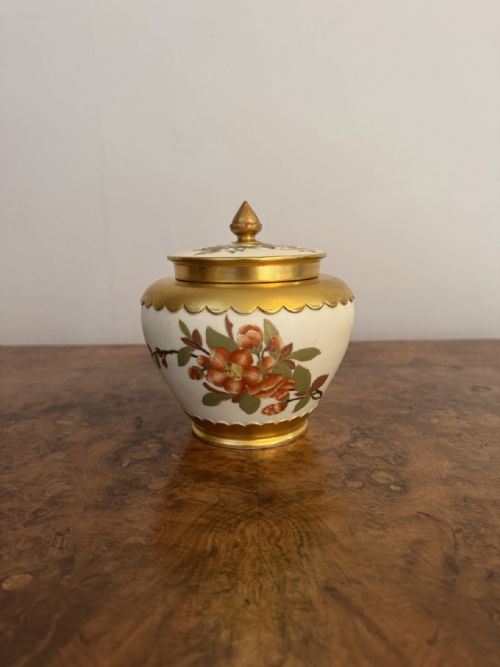
- A lidded ceramic jar perforated to diffuse scents from dried flower petals and spices contained within the body.
- Bone china
- A type of soft-paste porcelain incorporating bone ash, developed to produce a strong, translucent white ceramic body.
- Gilding
- The application of gold leaf or powdered gold paint to ceramic surfaces, used to highlight handles, rims, and painted panels.
- Enamel
- Opaque glass-based pigment fused to the porcelain surface through high-temperature firing to create permanent coloured decoration.
English Painted Porcelain Urn: Frequently Asked Questions
How do I date an english painted porcelain urn?
Dating relies on factory backstamps, shape characteristics, and stylistic conventions associated with specific periods like the Regency or Edwardian eras. Painter signatures and pattern numbers recorded in factory archives also help narrow down the year of production.
Changes in ceramic bodies, from early bone china to later nineteenth-century pastes, provide further clues for placing an item within a specific decade.
Were these urns used for flowers?
Many urns and vases were designed purely as decorative garnitures for mantelpieces and cabinet displays rather than for holding water and fresh stems.
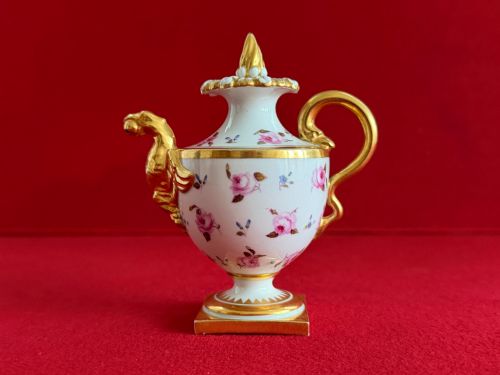
Specialised forms like rose water sprinklers and jardinieres served specific functional roles within period interiors, while lidded vessels held scented mixtures.
How should I clean painted porcelain?
Dusting gently with a soft, dry brush is the safest method for maintaining painted and gilt ceramic surfaces over time. Moisture and commercial cleaning agents can damage delicate enamel colours and wear away historical gilding.
Keeping pieces away from direct sunlight protects enamel pigments from fading across the decades.
What distinguishes cabinet pieces from larger urns?
Cabinet pieces are typically smaller vessels intended for close inspection within display cases, featuring highly detailed miniatures of birds, fruit, or landscapes by named artists. Larger urns and garnitures were designed for visual impact at a distance on side tables or mantelpieces.
Both categories reflect the decorative priorities of their respective periods of manufacture.