




English Oak Settle
An English oak settle brings centuries of sturdy craft into a hallway or kitchen, offering high-backed seating with deep roots in domestic history.
English Oak Settle
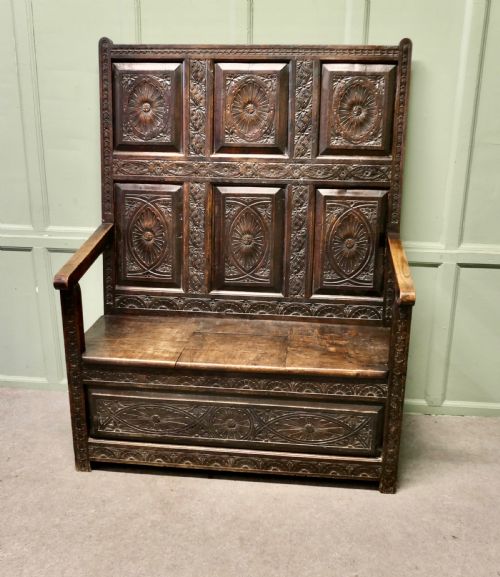
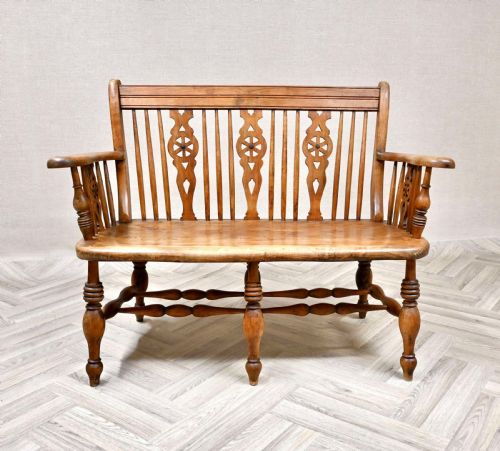
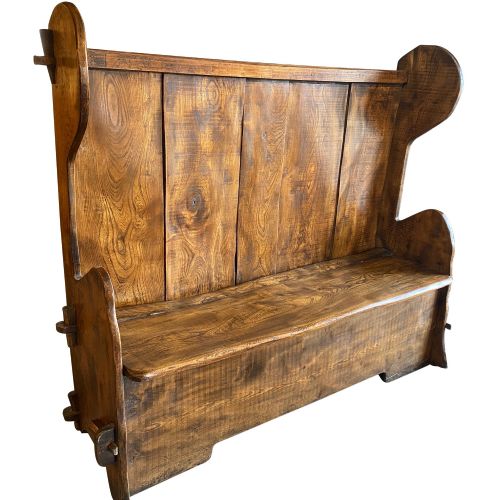
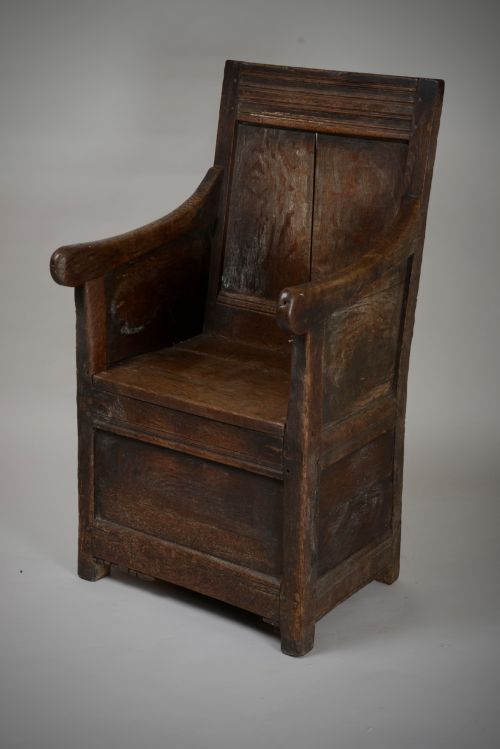
An English oak settle is a solid wooden bench designed to block draughts in older rooms, usually featuring a high panelled back and armrests. The versions most commonly seen across these listings date from the seventeenth and eighteenth centuries, often built with box bases or integrated storage.
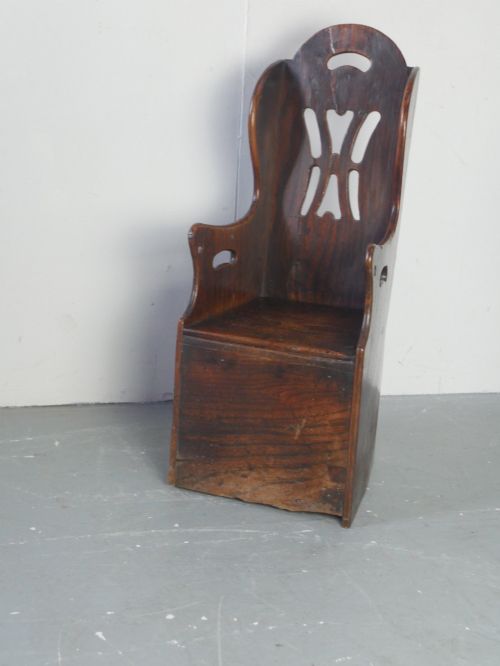
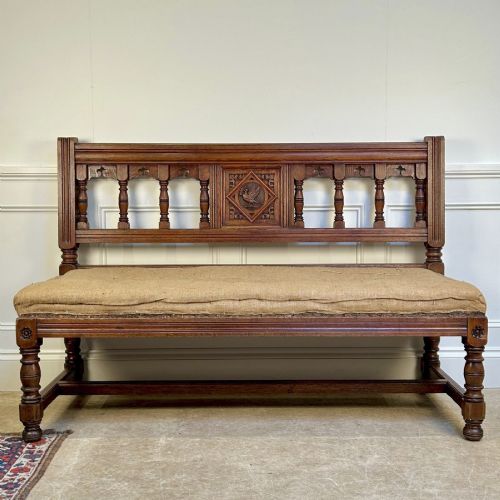
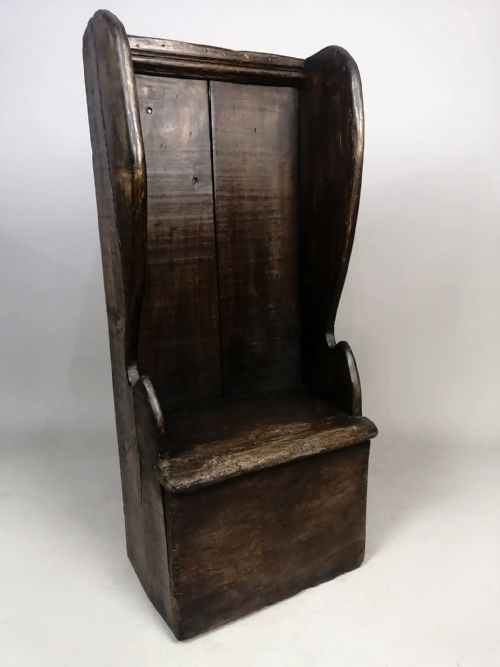
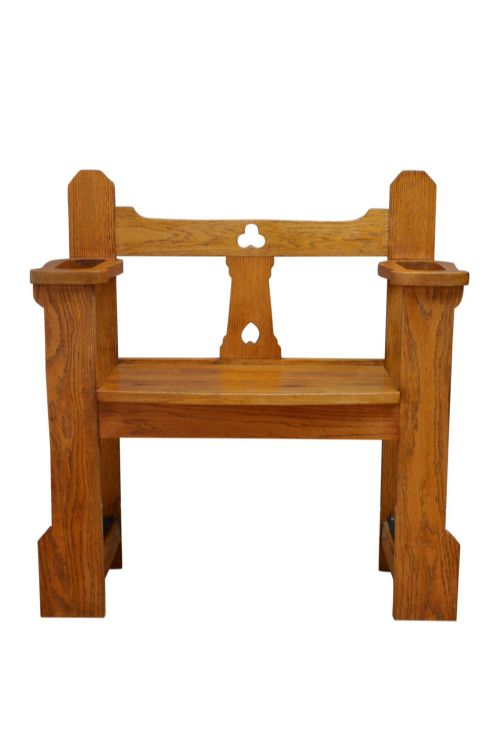
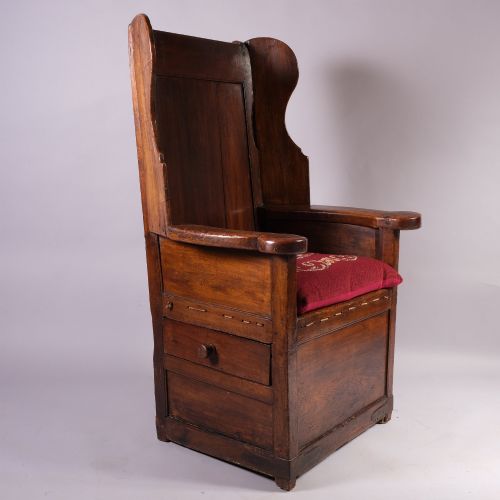
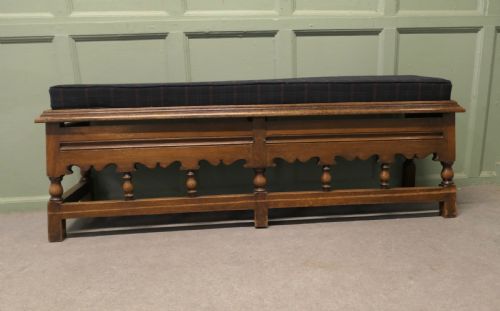
Beyond the standard high-backed seat, the selection includes related forms such as lambing chairs with hooded wings, monks benches that convert into tables, and narrow hall benches suited to smaller spaces. These pieces span vernacular country workshops and more formal periods, including Gothic Revival and Arts and Crafts interpretations.
The materials reflect practical domestic needs, pairing heavy timber structures with occasional additions of elm, fruitwood, iron hardware, and upholstered elements like leather or fabric. They function today much as they did originally, serving as anchor seating in hallways, kitchens, and living areas.
Materials and Joinery
Carpenters built these frames predominantly from native oak, sometimes supplementing structural parts with elm, ash, fruitwood, or yew for specific components like spindles and curved seats. Timber was quarter-sawn or plain-sawn depending on the period, yielding dense boards that handled heavy daily wear.
Joinery relied on traditional pegged mortise and tenon joints, panelled construction for the tall backs to prevent warping, and substantial box compartments joined with dovetails. Hardware such as iron hinges and fixings provided functional strength to storage lids and movable arms.
Some provincial examples double as storage chests, proving that ancestors hid household clutter inside the living room sofa long before modern storage ottomans existed.
Evaluating the Build
Quality rests in the integrity of the timber and the depth of the surviving surface patina, where dry or heavily restored boards differ markedly from untouched surfaces. Original panels, uncompromised joints, and minimal timber replacement elevate a piece far above heavily adapted examples.
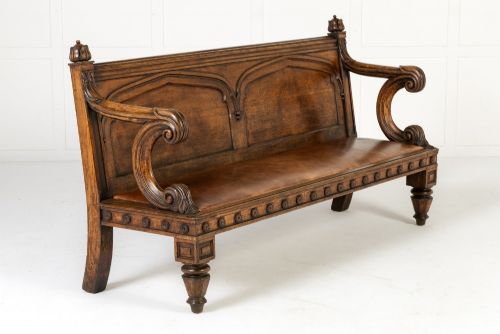
Proportion and carved detail set individual pieces apart, ranging from plain country workshop utilitarian forms to crisply executed Jacobean panelling or Gothic Revival tracery. The presence of original storage bases, untouched feet, and balanced structural weight defines the upper tier of the range.
GIllows
The English Oak Settle Glossary
- Settle
- A wooden bench with a high back and solid arms designed to keep out cold draughts. Most examples feature storage beneath the seat or enclosed panel work.
- Wainscot
- A type of wooden panelling used on walls and furniture backs. In early seating, it denotes pieces constructed with framed wooden panels rather than boards.
- Box Settle
- A variant incorporating a chest or storage compartment beneath the seat accessed via a hinged lid. They were common in farmhouses and taverns for storing textiles and household goods.
- Lambing Chair
- An armchair with a high hooded back and enclosed sides to shield the occupant from drafts. These typically feature wooden seats and occasional drawer attachments.
- Patina
- The surface sheen and colour developed by wood over decades of handling, light, and polishing. A desirable finish shows genuine age without artificial darkening.
English Oak Settle: Frequently Asked Questions
What is an English oak settle used for?
These benches were originally positioned near hearths to shield occupants from cold air currents while providing daytime seating and concealed storage. Modern homes utilise them in hallways and kitchens as statement seating with practical internal space.
Their substantial height and solid backs also serve to divide open-plan spaces or anchor large empty walls.
How do I tell a seventeenth-century settle from a nineteenth-century copy?
Seventeenth-century examples display tool marks, pegged joinery, and natural timber movement consistent with early hand-cleaved conversion methods. Nineteenth-century Gothic Revival and Victorian interpretations often feature machine-sawn backing, crisper mechanical carving, and cleaner internal box construction.
Examining the underside and the wear around the feet reveals the true age of the timber frame.
Are these benches comfortable for daily sitting?
Most historic versions feature upright wooden backs and solid plank seats designed for support rather than lounging. Adding loose squab cushions or sheepskins softens the firm seat for contemporary living spaces.
Their ergonomic posture encourages upright sitting, making them well-suited for dining tables and entrance halls.
How do I clean and care for antique oak furniture?
Regular dusting with a dry, soft cloth prevents particulate accumulation on carved panels and mouldings. Periodic application of quality beeswax feeds the dry timber and maintains the natural surface sheen without forming a sticky film.
Keep these pieces away from direct heat sources and severe humidity fluctuations to prevent wood splitting.