
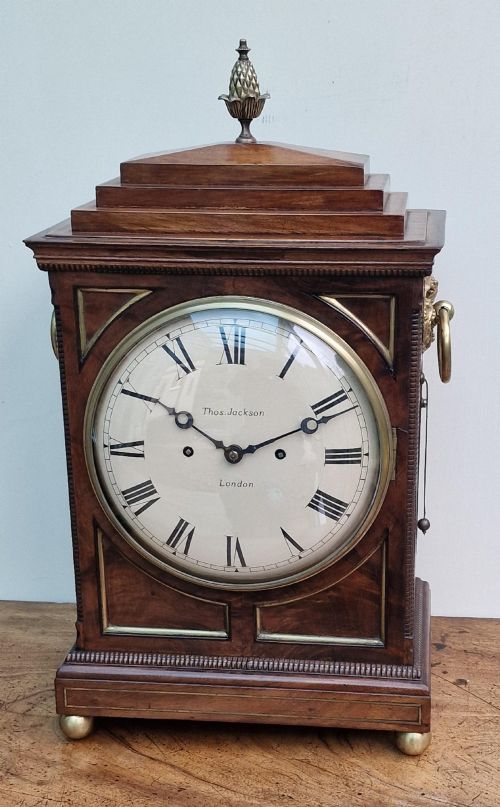

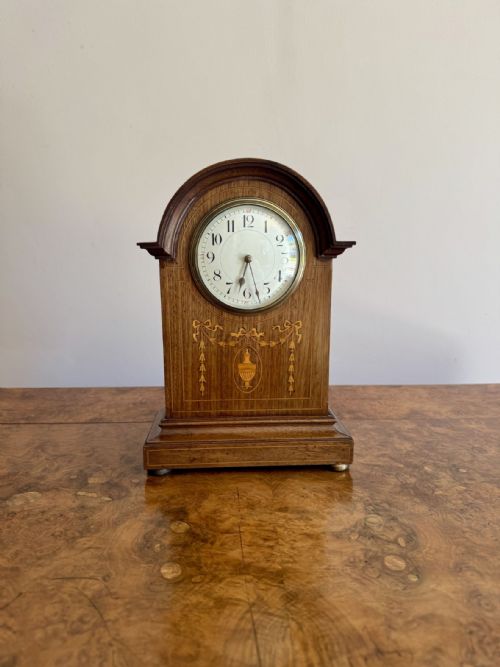

English Mahogany Mantel Clock
An English mahogany mantel clock brings mechanical precision and rich timber grain to a room, anchoring the space with steady movement.
English Mahogany Mantel Clock
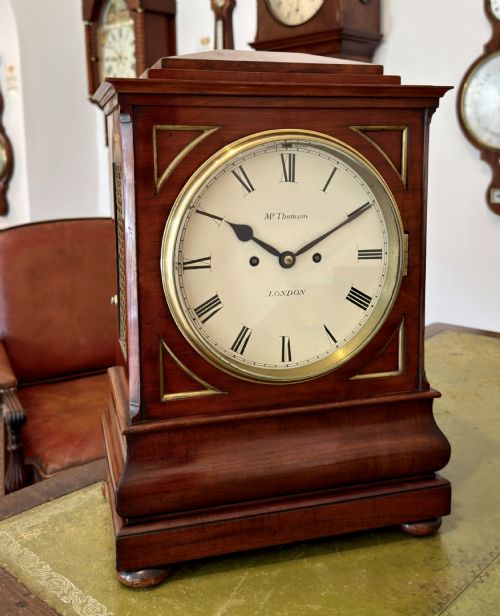
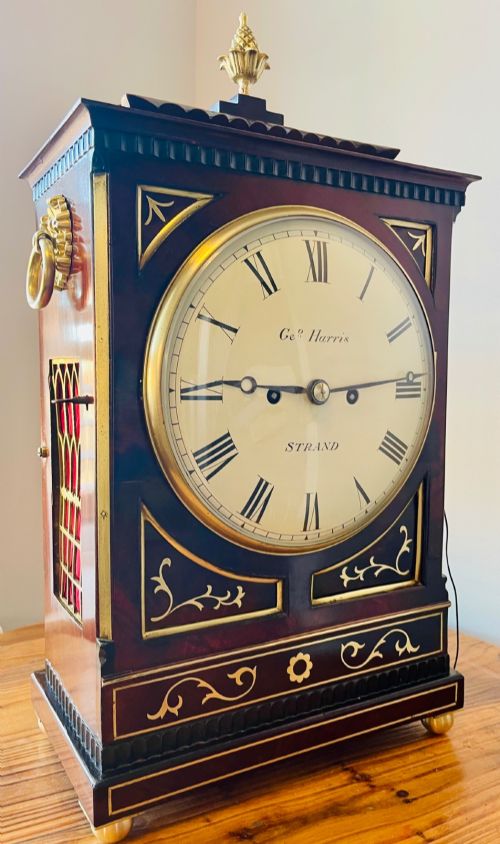
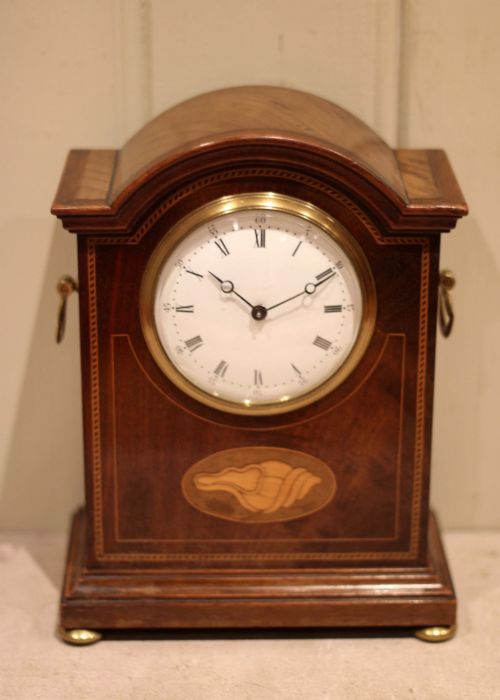
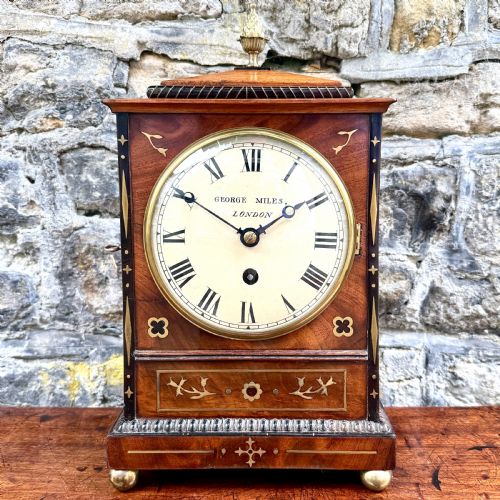
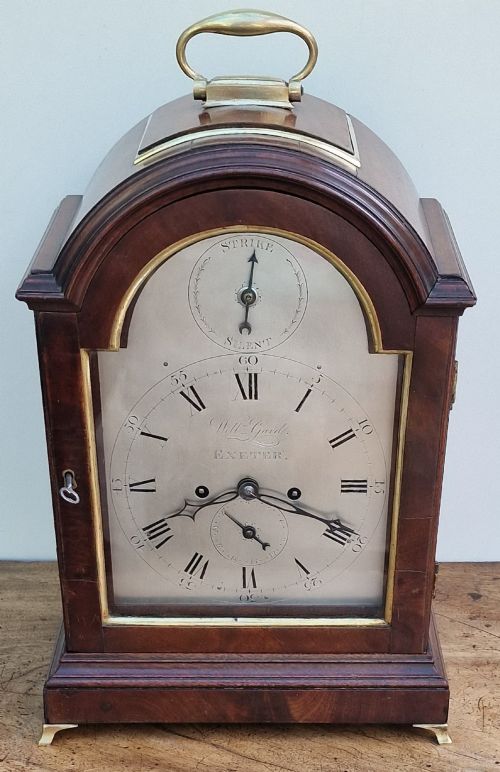
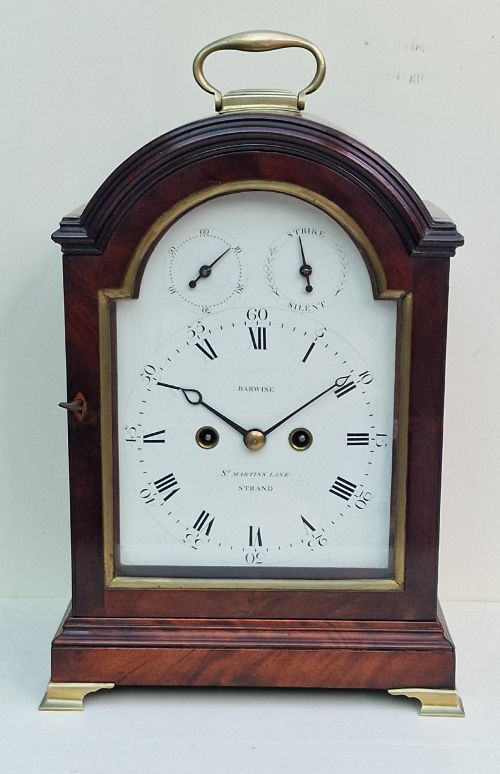
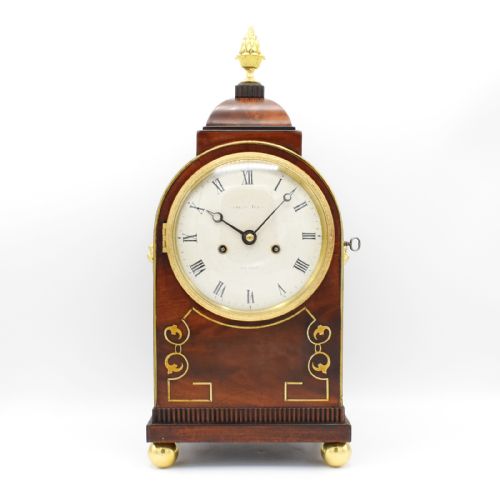
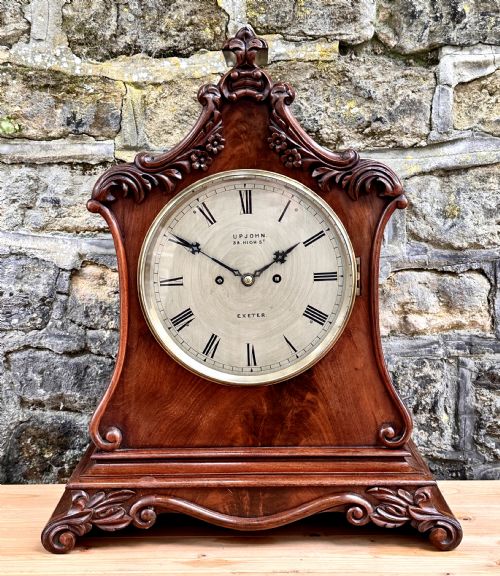
When you search for an English mahogany mantel clock, you examine timepieces housed in dark tropical timber cases designed to sit upon furniture surfaces or fireplace surrounds. The selection ranges widely across stylistic eras, encompassing compact Regency designs, architectural Victorian forms, and lighter Edwardian interpretations.
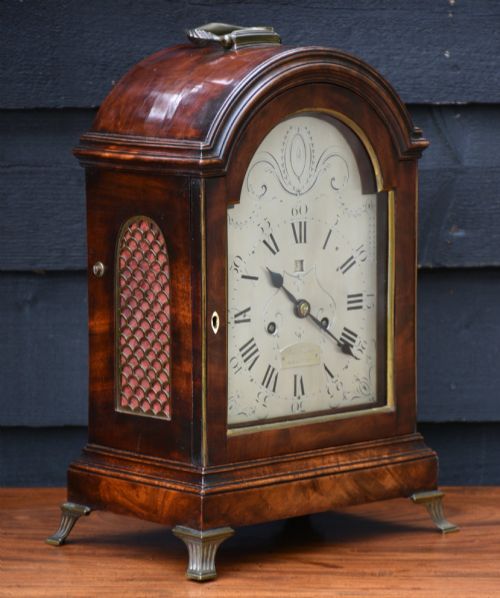
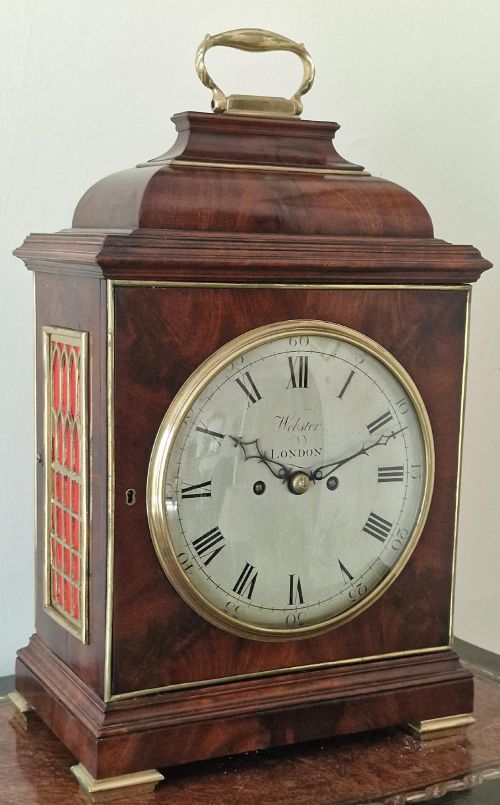
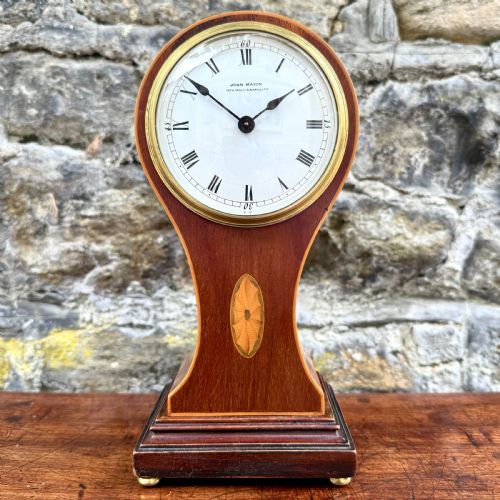
The objects take several structural shapes, including bracket clocks with carrying handles, library clocks, and balloon-shaped cases. Most examples encountered here date from the Georgian and Victorian periods, reflecting the heavy output of British horological workshops during those centuries.
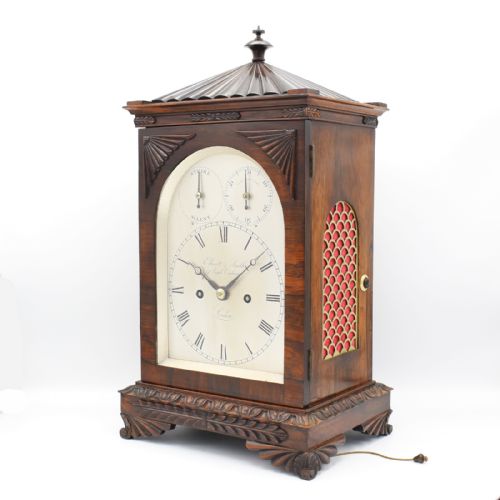
Makers utilised the dense grain of mahogany to create clean architectural lines, often incorporating glass panels to reveal the dial or brass movement within. Regional makers from provincial towns sit alongside prominent London horologists, offering both simple timepieces and complex striking mechanisms.
Materials and Construction
Cabinet makers built the structural carcasses from solid mahogany, frequently applying figured veneers to the exterior surfaces to catch the light. Brass elements, including bracket feet, side frets for sound egress, and bezel surrounds, provide structural reinforcement and visual contrast against the dark timber.
Dial faces are constructed from white enamel, painted convex metal, or engraved brass, protected behind bevelled or flat glass windows. Delicate boxwood and satinwood stringing or inlay frequently outlines the case borders, while silk suspension threads or steel chains regulate the interior fusee movements.
Several clocks still retain their original winding keys, tucked safely inside the mahogany case for decades.
Judging Quality and Execution
Quality rests upon the crispness of the cabinet work and the sophistication of the internal movement. Finer examples display perfectly fitted joints, restrained brass inlay, and casework carved with sharp architectural profiles rather than soft, rounded edges.
The integrity of the movement dictates long-term value, with twin-fusee or triple-fusee mechanisms representing superior horological ambition compared to basic spring-driven timepieces. Signed dials by established makers add historical weight, whereas later replacements or poorly matched components diminish the piece.
Thomson of London·William Gard·Webster of London·Ellicott and Smith·George Orpwood·Bush of London·L. Vick of Stroud·Spurge Dunmow·Mappin and Webb·Francis Perigal·Thomas Moss·Dent·Cording of London·Geo Carter·Barrett London·J Kingerley Manchester·Paul Philip Barraud·Thomas Connold·Hyde of Salisbury·Taylor of London·Astral
The English Mahogany Mantel Clock Glossary
- Fusee
- A conical pulley used in spring-driven clocks to maintain equal power as the mainspring unwinds. This mechanism ensures consistent timekeeping across the duration of the wind.
- Bracket clock
- A portable timekeeper originally designed to sit on a wall bracket or table surface. These pieces often feature swinging carrying handles on top.
- Library clock
- A sturdy table timepiece designed for domestic studies, typically featuring a clear dial and a clean mahogany case without complicated striking trains.
- Pad top
- A raised, domed upper section characteristic of certain Georgian and Regency bracket clock cases. It provides a distinct architectural silhouette.
- Enamel dial
- A fused glass surface fired onto a metal plate to create a smooth, white face for the numerals. These faces require careful handling to prevent hairline fractures.
English Mahogany Mantel Clock: Frequently Asked Questions
What is a fusee movement?
A fusee is a conical gear that equalises the pull of the mainspring as it unwinds. This mechanical device ensures the clock maintains steady accuracy throughout its running cycle.
You will find this system inside many of the better table and bracket clocks listed here, visible when you open the back door of the mahogany case.
How do I wind my mantel clock?
Most mechanical pieces require a specific winding key inserted into holes on the dial face. You turn the key gently until you feel resistance, taking care not to overwind the mainspring.
Different models run for varying durations, ranging from standard eight-day movements to simple timepieces that require more frequent attention.
Where should I place a mahogany clock?
Position your clock on a stable, level surface away from direct sunlight and damp environments. Mantelpieces, side tables, and sturdy bookshelves provide ideal settings if they do not experience heavy vibrations.
Keeping the case level ensures the pendulum or balance wheel swings evenly, allowing the escapement to maintain an even beat.
How do I tell a Regency clock from a Victorian one?
Regency cases often rely on clean architectural lines, brass inlay, and restrained classical proportions. Victorian examples frequently introduce heavier carving, more ornate bracket feet, and varied regional signatures.
Examining the internal movement and the style of the dial lettering helps confirm the period of manufacture alongside the exterior timber treatment.