
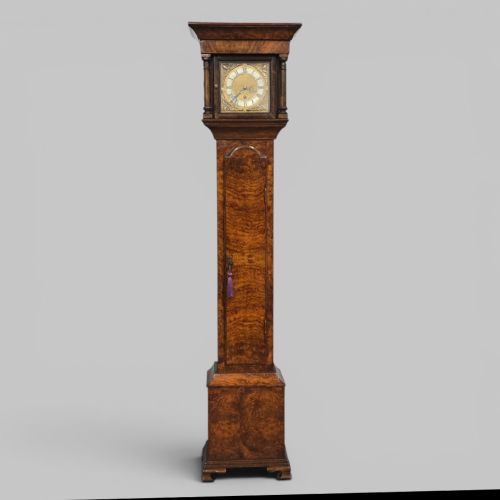


Georgian Chiming Clock
A georgian chiming clock brings precision engineering and traditional cabinet-making together into a single functional piece for the home.

Georgian Chiming Clock
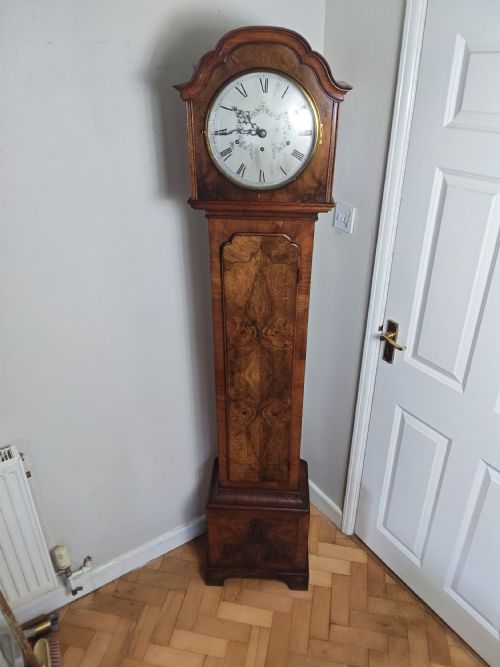
A georgian chiming clock encompasses tall longcase clocks and compact bracket or mantel clocks designed to mark the hours and quarters with tuned bells or gongs. The pieces available range from authentic 18th-century longcase and bracket clocks by named London makers to later revivals and smaller grandmother clocks produced in the 20th century.
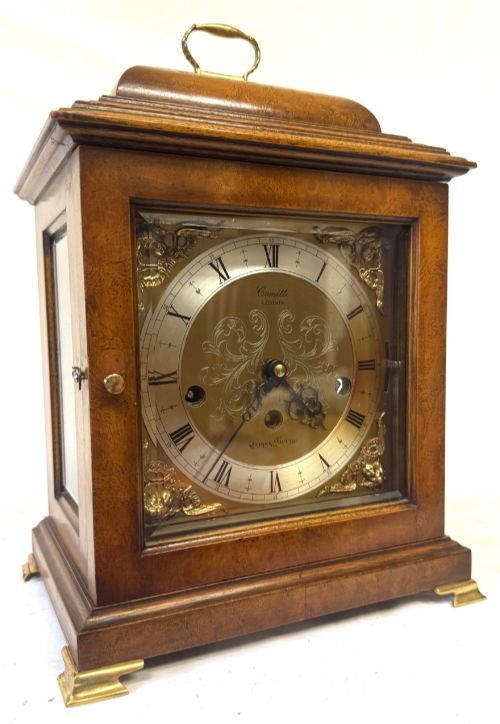
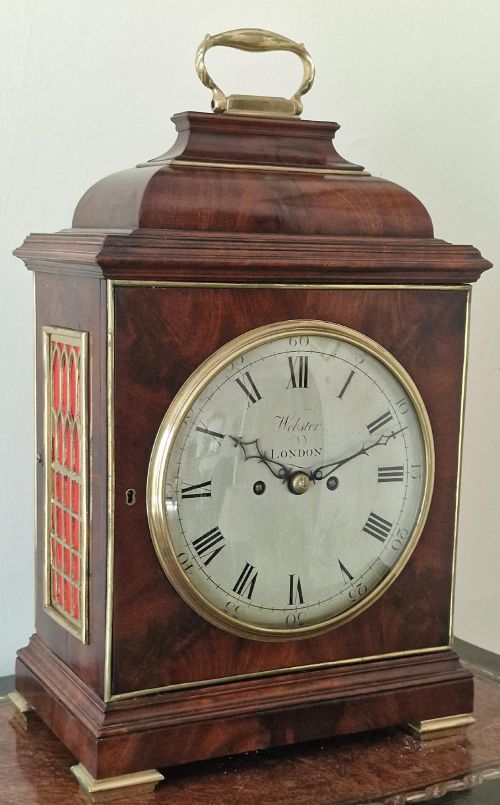
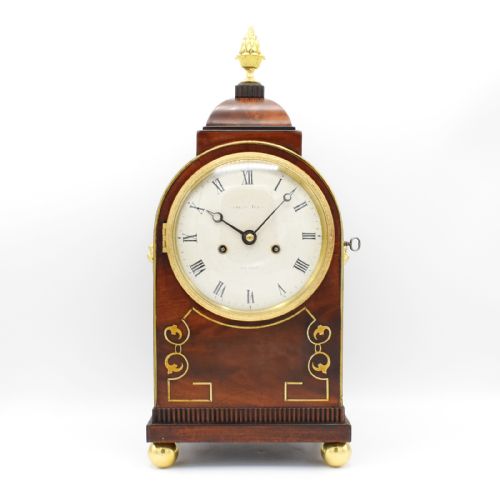
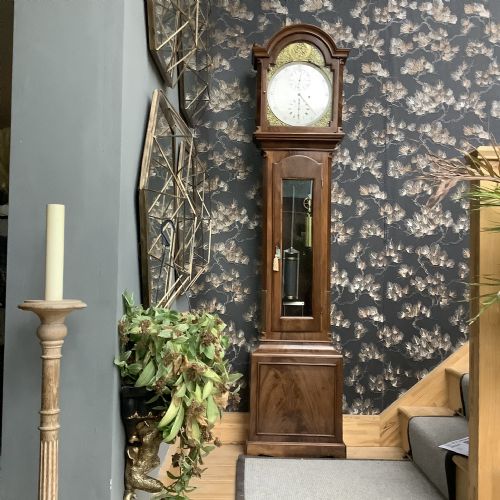
The dominant forms found in these listings are bracket clocks housed in mahogany, walnut, or ebonised wood, alongside grander longcase clocks featuring musical movements and detailed dial work. Buyers encounter varying proportions, from tall floor-standing grandfather clocks to miniature table and mantel clocks intended for domestic spaces.
How They Were Made
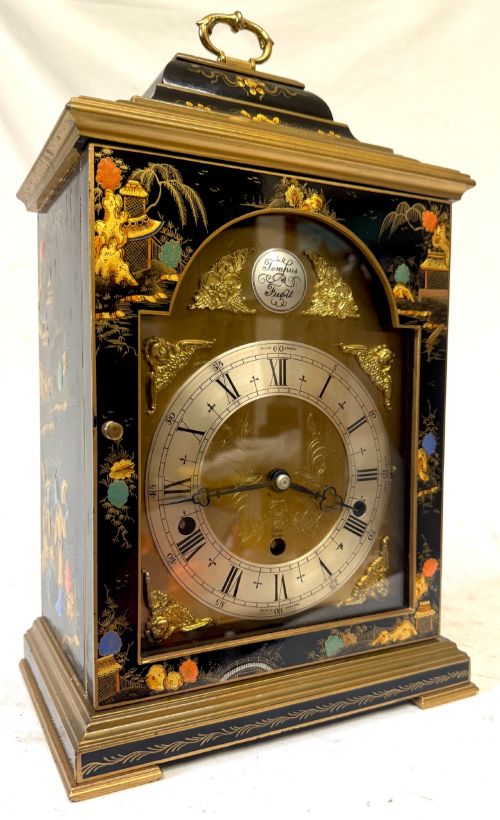
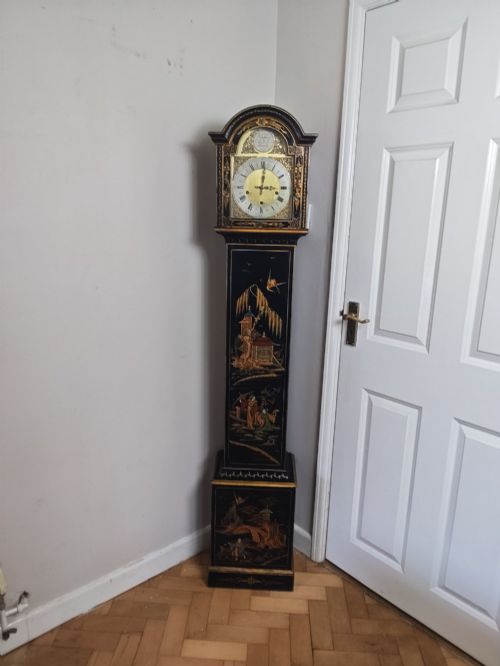
Cabinet makers utilised dense hardwoods such as mahogany, walnut, and burr walnut, alongside ebonised wood and applied brass details, building cases to house intricate brass movements. Decorative techniques such as chinoiserie lacquering and brass inlay appear frequently across the period and revival pieces.
Dial construction combined painted enamel or brass faces with fine hands, driven by weight-driven or spring-driven mechanisms that powered multiple trains for striking and chiming tunes on bells or gongs.
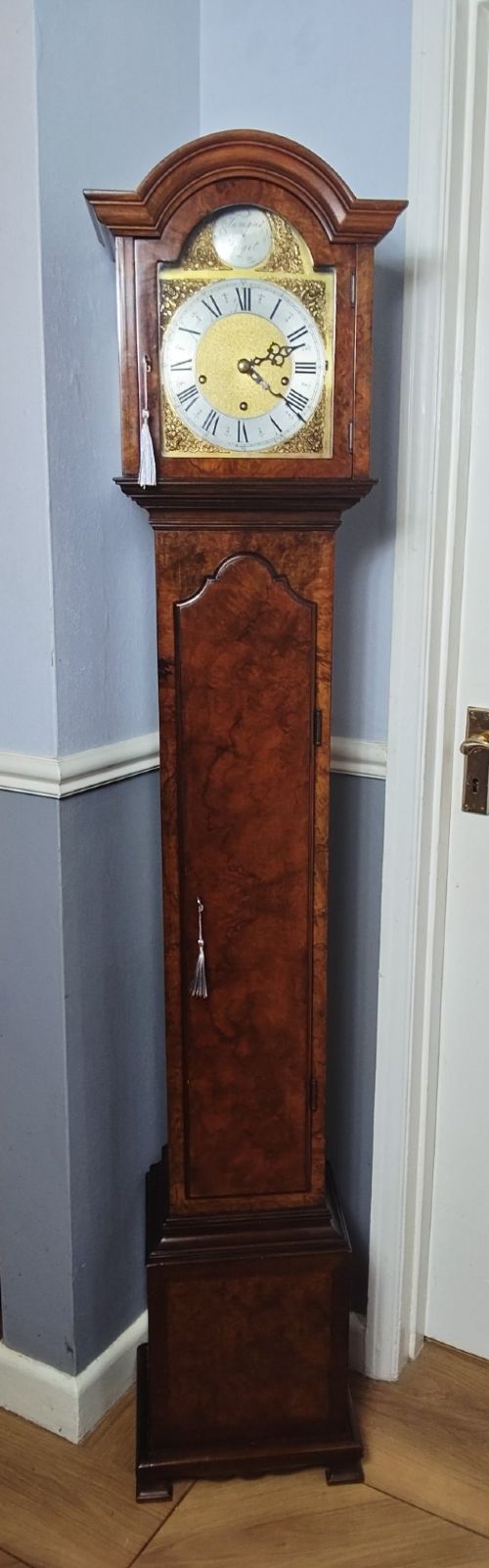
Some miniature longcase clocks were built in reduced proportions specifically to fit low-ceilinged rooms without sacrificing the grandeur of a full-size grandfather clock.
What Varies in Quality
The distinction between standard production and the finest work lies in the execution of the movement and the depth of the cabinet craftsmanship. Signed movements by notable makers, intricate quarter-chiming or musical capability, and well-figured burr walnut or mahogany veneers elevate the piece.
Proportion and cabinet detailing, such as clean break-arch mouldings, crisp brass inlay, and well-preserved lacquered finishes, determine the visual harmony and overall standard of the clock.
Francis Perigal·Cording of London·Taylor of London·J Condliff Liverpool·William Withers·John Taylor·Chater And Son·Gravell And Tolkien
The Georgian Chiming Clock Glossary
- Bracket clock
- A portable table or mantel clock originally designed to sit on a wall bracket. These clocks feature carrying handles and glazed side panels to reveal the movement.
- Longcase clock
- A tall floor-standing clock enclosed in a wooden case with a weighted pendulum. Often referred to as grandfather or grandmother clocks depending on their height.
- Verge escapement
- An early type of clock escapement mechanism that controls the release of the gear train. It works with a balance wheel or pendulum to regulate timekeeping.
- Chinoiserie
- A decorative style employing European interpretations of Chinese motifs and techniques. It is seen here in green, black, and gold lacquered clock cases.
- Three train clock
- A clock movement driven by three separate gear trains. They manage timekeeping, hour striking, and a secondary function such as chiming quarters or playing tunes.
Georgian Chiming Clock: Frequently Asked Questions
Where should a longcase clock be placed?
Position your longcase clock on a firm, level floor against a secure interior wall away from direct sunlight and heavy foot traffic. A stable environment helps protect the wooden case and keeps the pendulum swinging evenly.
Ensure the floor is sufficiently solid so that walking nearby does not disrupt the delicate balance of the escapement mechanism inside.
How do bracket clocks differ from mantel clocks?
Bracket clocks are traditionally smaller, portable timepieces fitted with brass carrying handles on top and glazed side panels designed to show off the complex movement. They earned their name from the wooden wall brackets they once rested upon.
Mantel clocks are generally intended to sit directly on a fireplace mantel or shelf without a carrying handle, though the terms often overlap in later listings.
How do I identify a revival piece?
Revival pieces, such as those built in the Georgian style during the early decades of the 20th century, exhibit machine-finished internal components and modern fastening methods alongside traditional veneer choices like burr walnut. Examining the wood patination and the wear patterns on the movement plates reveals the true age.
Consulting the maker signature or movement style helps distinguish an 18th-century original from an Edwardian or 1930s interpretation.
What is a ting tang strike?
A ting tang strike is a two-bell mechanism that sounds the quarters using two different notes before the main hour strike. It provides an audible marker for the passage of time without playing a full musical tune.
This movement type is commonly encountered in mid-to-late 19th-century bracket and table clocks.