

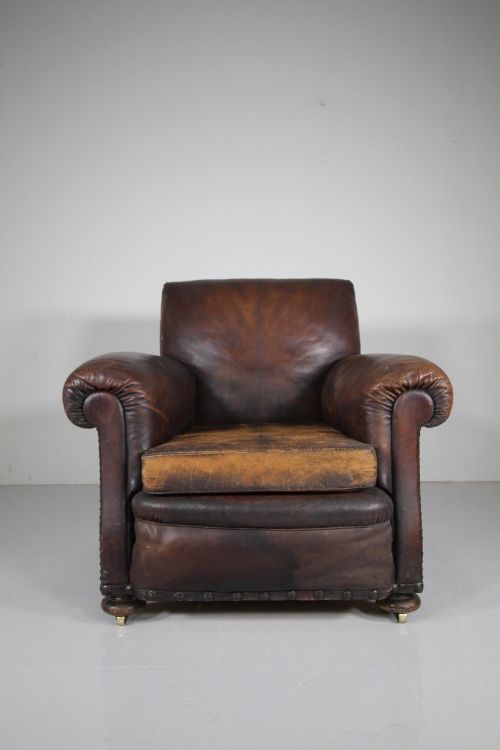


English Leather Armchair
An english leather armchair brings rich hide and sturdy timber together, offering solid comfort and enduring character for a study or drawing room.
English Leather Armchair
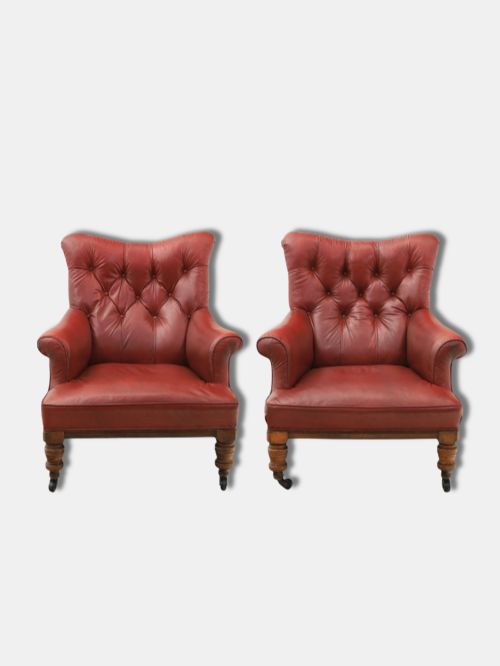
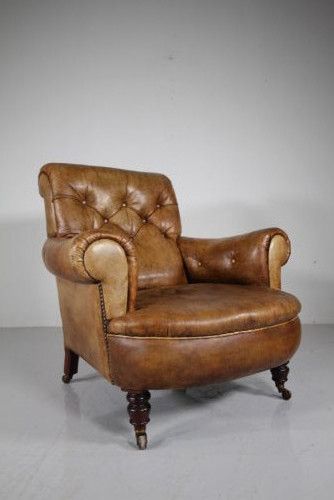
An english leather armchair spans centuries of seating design, ranging from formal 18th-century library chairs to robust 20th-century club chairs. Buyers find everything from upright mahogany desk seats with swivel bases to low, deep-sprung lounging suites built for relaxation.
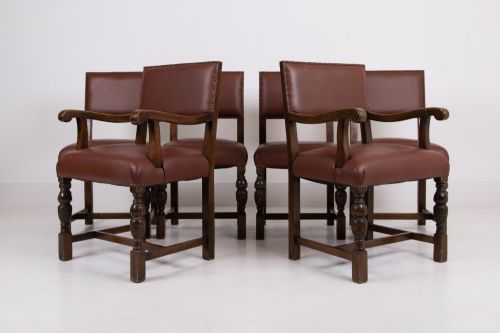
The selections on this page draw heavily on Victorian and Edwardian domestic styles alongside Georgian proportions and Art Deco forms. Oak, mahogany, and walnut provide the structural frames, upholstered in hand-dyed or hide leather.
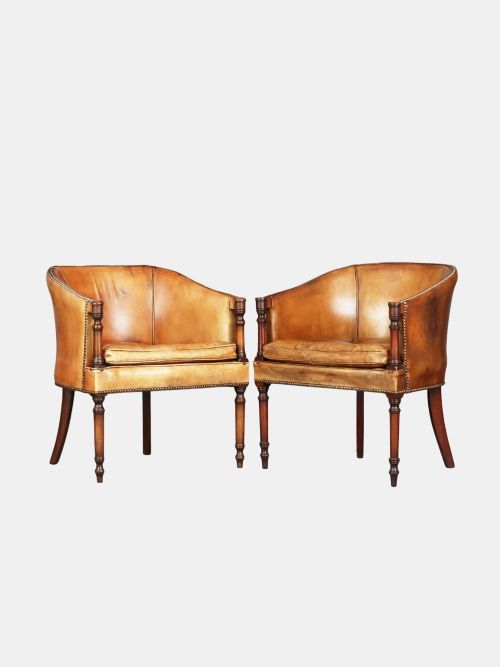
Library chairs, wingbacks, and revolving desk chairs appear frequently alongside low club chairs and matching sofas. Each type reflects the specific domestic habits of its period, from formal writing rooms to relaxed smoking dens.
How They Were Made
Makers built the structural frames of an english leather armchair using dense hardwoods like mahogany, oak, and walnut, frequently incorporating carved details or turned supports. Joinery relied on traditional methods to ensure stability under heavy daily use.
Upholstery combined durable leather hides with supportive internal stuffing, often secured with brass studs and deep buttoning. Woods such as rosewood and cane appeared in specific period pieces to add textural contrast to the primary leather surfaces.
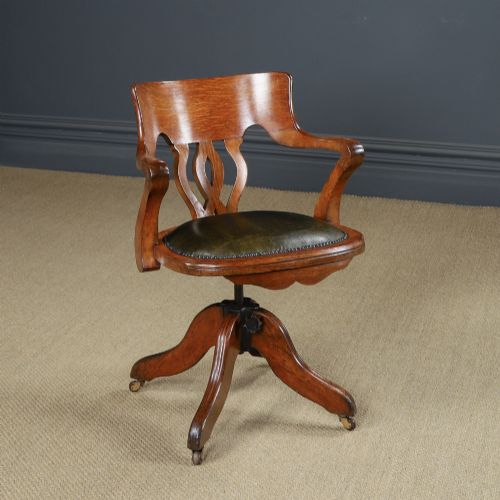
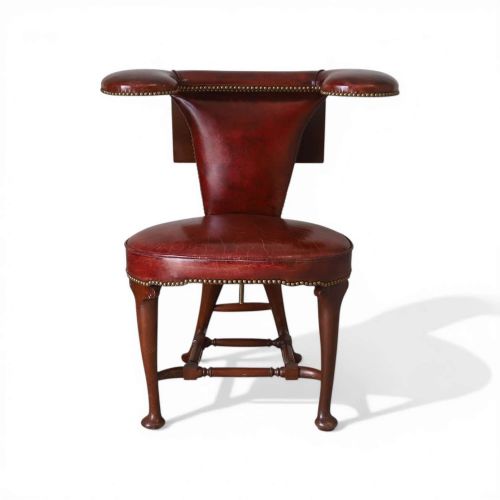
Some Edwardian desk chairs included revolving swivel mechanisms so librarians could spin effortlessly between towering bookshelves.
What Varies in Quality
The calibre of an english leather armchair rests on the depth of the timber carving, the choice of primary wood, and the integrity of the frame construction. Finer examples display hand-dyed hides and meticulous joinery that withstands generations of movement.
Proportion and execution distinguish standard utilitarian seating from bespoke library or drawing room pieces. Superior examples exhibit harmonious scale, balanced structural supports, and finely preserved leather surfaces that develop character with age.
Howard And Son·Robert Mouseman Thompson·Shoolbred·Henry Maxwell
The English Leather Armchair Glossary
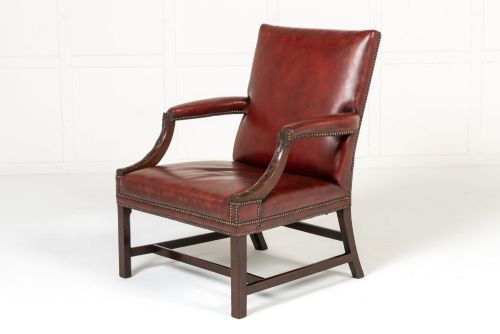
- Gainsborough chair
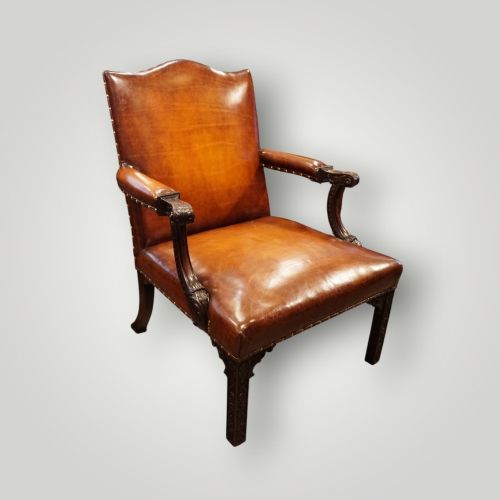
- A wide, upholstered armchair with open arms and a padded seat, originating in the mid-18th century for desk or library use.
- Wingback
- A fireside chair featuring protective side panels designed to shield the sitter from draughts while retaining heat from the hearth.
- Bergère
- An enclosed armchair with stuffed upholstery and cane or wooden sides, popular during the Regency and Georgian periods.
- Club chair
- A deep, low-slung lounge seat upholstered in thick leather, designed for comfort in studies and smoking rooms.
- Revolving chair
- A desk seat featuring a central swivel mechanism, commonly constructed in oak or mahogany during the Victorian and Edwardian eras.
English Leather Armchair: Frequently Asked Questions
How do I identify a Georgian armchair?
Georgian pieces typically feature solid mahogany frames, restrained carving, and generous proportions designed for formal rooms. They often display classical motifs such as blind fretwork or cabriole legs.
Later revival pieces frequently copy these lines, so examining the timber grain and internal construction helps confirm the period.
Were office chairs always made of leather?
Office seating from the Victorian and Edwardian periods frequently combined sturdy oak or mahogany frames with durable green or red leather upholstery. Revolving mechanisms and swivel bases appeared widely in desk chairs to assist working environments.
These functional pieces prioritized ergonomic support alongside the traditional appearance expected in professional libraries.
What defines a club chair?
Club chairs are characterised by low, deep seats and thick leather upholstery designed for maximum relaxation. They emerged strongly in the early 20th century, utilising walnut or heavy frames.
The style emphasises soft cushioning and robust proportions rather than formal architectural lines.
How should I care for antique leather?
Antique leather benefits from regular dusting and occasional conditioning to maintain suppleness in the hide. Avoiding direct sunlight and extreme temperature changes preserves the natural colour and finish.
Gentle maintenance protects the original surface patina built up over decades of use.