

English Gilded Frame Mirror
An english gilded frame mirror brings warmth and reflective depth to a room through centuries-old craftsmanship.
English Gilded Frame Mirror
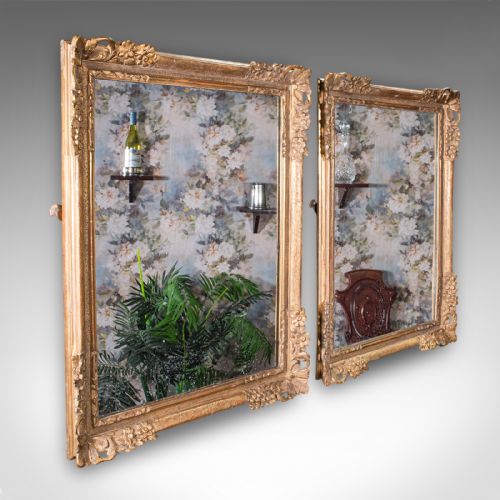
An english gilded frame mirror provides a traditional focal point for interiors, drawing the eye with metallic brilliance and historical proportion. These pieces span several centuries of design, reflecting the aesthetic shifts from Georgian restraint to Victorian exuberance.
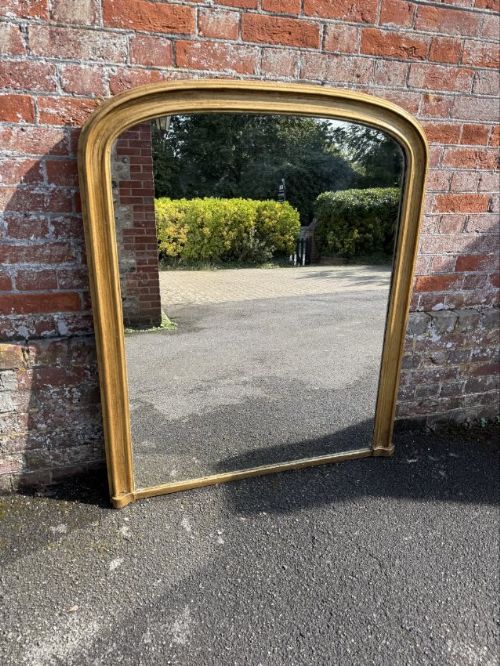
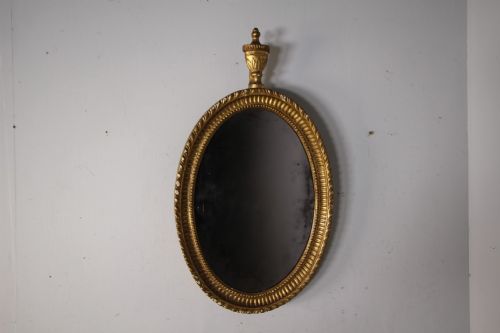
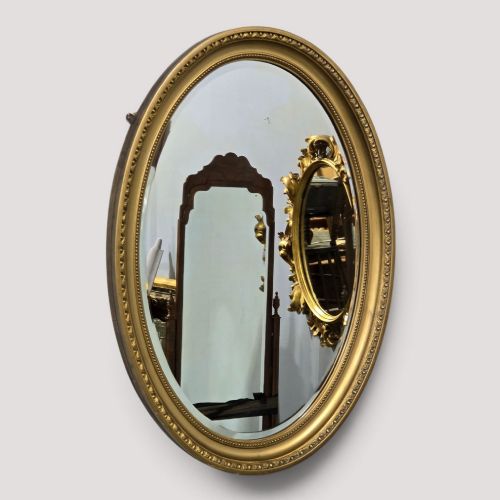
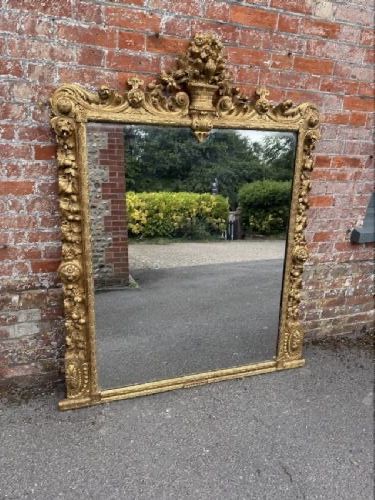
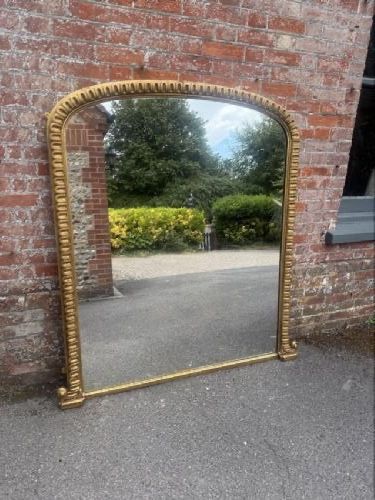
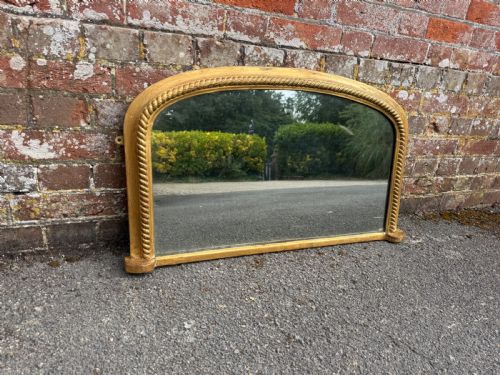
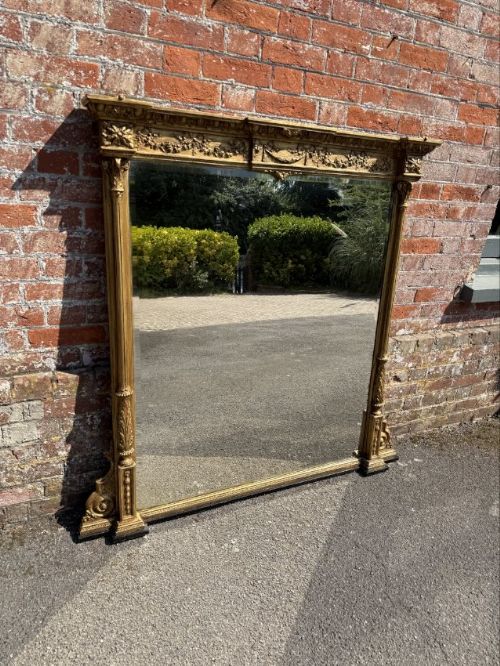
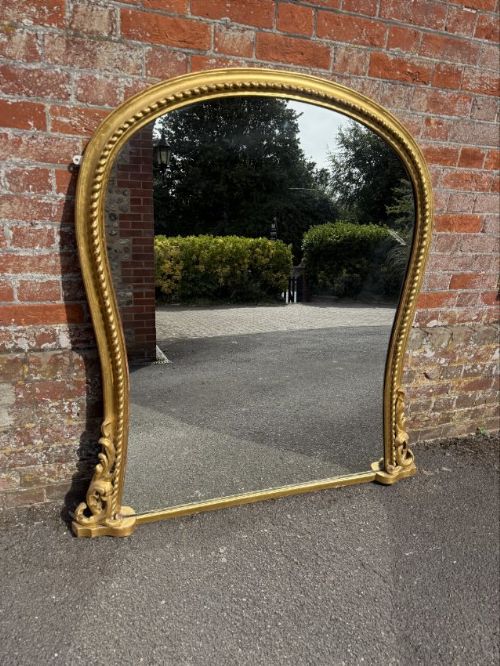
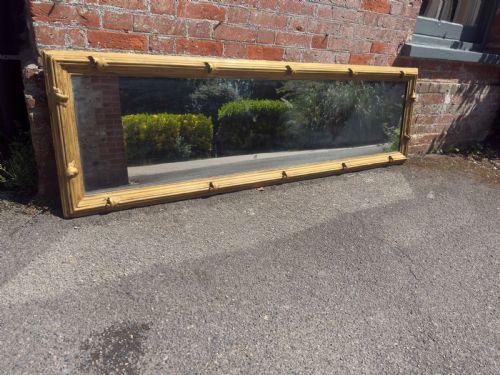
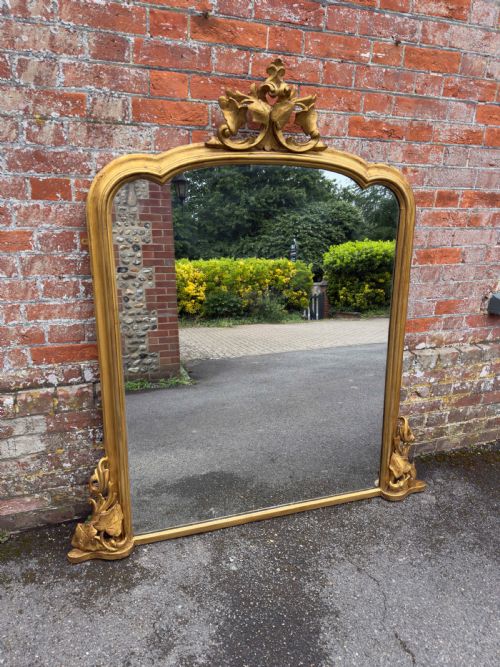
The version most commonly met on this page is the large nineteenth-century overmantel mirror, often shaped with an arched top to sit above a fireplace. Wall mirrors and pier mirrors also appear, taking vertical or oval forms designed for narrower wall spaces between windows.
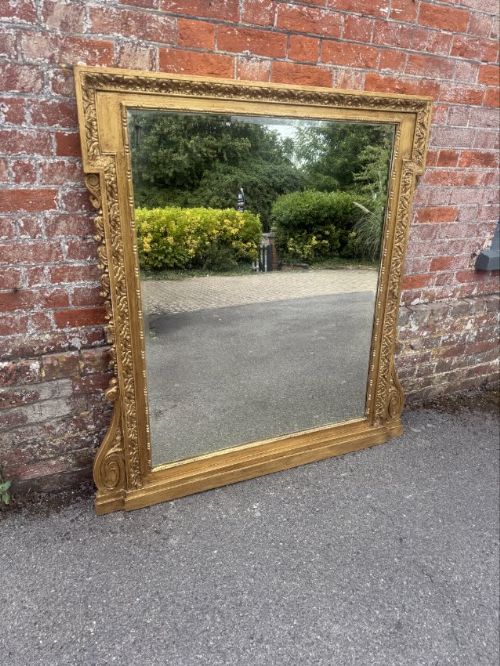
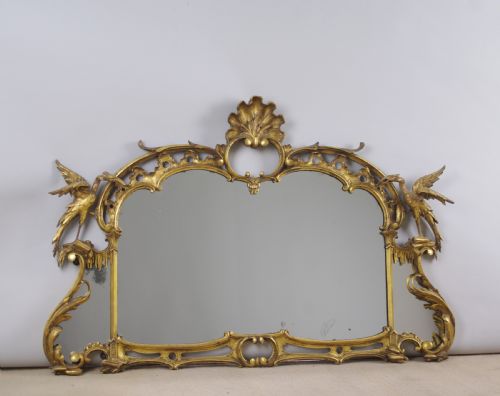
Originating from English workshops, these mirrors incorporate styles such as Regency, Rococo Revival, and Chinese Chippendale. The resulting objects combine practical reflection with sculptural presence, rooted firmly in domestic English architecture.
How They Were Made
Carved wood provides the structural skeleton for many frames, utilising timbers like oak or softer woods that accept intricate detailing. Artisans shaped these foundations by hand before applying decorative layers.
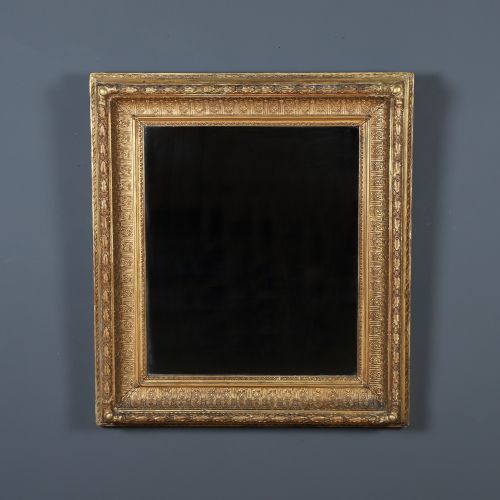
Gesso and composition ornaments were moulded or built up over the wood to create crisp relief work, from rope twists to classical columns. Gold leaf or oil gilt was then meticulously laid over the prepared surface to achieve a brilliant metallic finish.
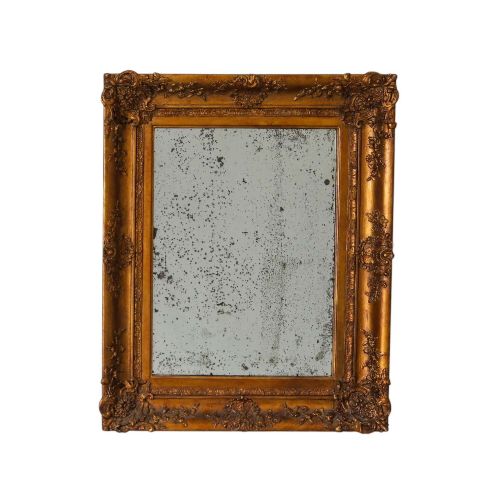
Mirror glass plates were set into the finished frames, sometimes exhibiting natural foxing from age. Paint and parcel gilt treatments occasionally accented the carved details, contrasting the gold with dark or coloured grounds.
Several mirrors retain foxed glass plates that offer a charmingly softened, hazy reflection of centuries past.
What Varies in Quality
The crispness of the carved wood and the depth of the gesso relief set the finer examples apart from simpler production. Superior frames display sharp, deeply undercut foliage and moulded ornament rather than soft, shallow contours.
The application of gold leaf demonstrates the maker's hand, with high-quality surfaces showing a rich, burnished lustre rather than a flat, metallic paint finish. The retention of the original mirror plate adds considerable integrity to the piece.
Proportion and scale dictate the visual success of the frame, where balanced architectural elements like columns or arched crests harmonize with the size of the glass. Substantial weight and solid timber construction indicate a higher grade of nineteenth-century workshop production.
The English Gilded Frame Mirror Glossary
- Gesso
- A plaster-like mixture applied to wood frames to create a smooth base for gilding and moulding. This compound allows artisans to carve intricate relief details before applying gold leaf.
- Overmantel Mirror
- A large mirror specifically designed to hang on the wall directly above a fireplace mantelpiece. These pieces frequently feature horizontal proportions or arched tops to match architectural chimney breasts.
- Giltwood
- Timber that has been coated with thin sheets of gold leaf. This material gives frames their characteristic bright, reflective metallic surface.
- Pier Mirror
- A tall, narrow mirror traditionally hung on the pier wall between two windows. Their vertical format maximised light reflection in period rooms.
- Foxing
- Age-related spots and discolouration within the silvering of mirror glass. This natural oxidation creates soft, dark patches across the reflective surface.
English Gilded Frame Mirror: Frequently Asked Questions
How do I hang a heavy overmantel mirror?
These substantial frames require secure anchorage directly into wall studs or masonry using heavy-duty brackets. Professional installation is strongly recommended due to the combined weight of timber, gesso, and thick glass.
Distributing the weight evenly across multiple fixing points protects both the wall structure and the antique frame from undue strain.
What is the difference between an overmantel and a pier mirror?
Overmantel mirrors are wide and low, proportioned to sit comfortably across the horizontal span of a fireplace breast. They often feature arched or shaped crests designed to draw the eye upward in a reception room.
Pier mirrors are tall and slender, built to occupy the narrow wall space between windows. Their vertical lines serve to bounce natural light back into the centre of the room.
How should I clean a gilded frame?
Dust the carved gesso and gold leaf gently with a soft, dry brush to prevent accumulation. Avoid all liquid cleaners, commercial polishes, and moisture, which can strip the delicate metallic leaf from the substrate.
Glass plates can be cleaned sparingly with a cloth dampened slightly with distilled water, taking care not to let any liquid seep behind the frame rebate.
Can I date these mirrors by their frame style?
Frame styles offer strong clues to the decade of manufacture, shifting from the architectural restraint of Georgian designs to the exuberant curves of Victorian Rococo Revival. Regency pieces often incorporate classical motifs like reeding and columns.
Examining the construction methods behind the gesso and the type of wood used helps confirm the period alongside stylistic markers.