



English Georgian Metalwork
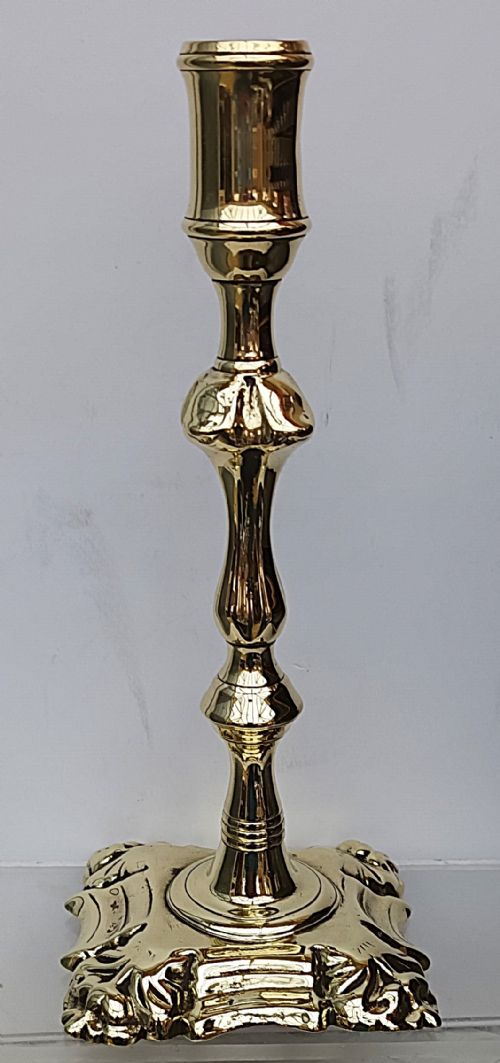
English Georgian metalwork brings durable utility and domestic warmth into a room, spanning brass candlesticks, iron rushlight holders, and pewter plates.
English Georgian Metalwork
English Georgian metalwork encompasses utilitarian household objects and lighting devices produced during the eighteenth and early nineteenth centuries. These pieces reflect the daily domestic habits of the period, from lighting a darkened room with iron rush nips to heating coffee in copper pots.
The selections available here lean heavily toward functional brass candlesticks and lighting accessories alongside pewter plates and heavy bronze mortars. Forms range from simple octagonal bases to ejector mechanisms designed to lift spent candles.
Makers such as Richard King and Dixon & Son anchor the pewter items in documented London workshops, while unassigned pieces demonstrate the widespread regional output of blacksmiths and braziers. Buyers encounter a mix of domestic brassware and hard-wearing iron utility items.
How english georgian metalwork was made
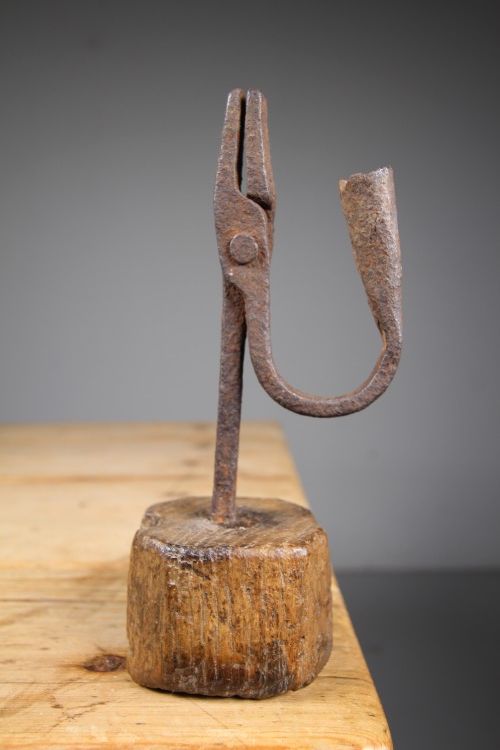
Blacksmiths hammered heated wrought iron into spring-loaded rushlight holders and rush nips, utilising the natural elasticity of the metal to secure burning rushes. Brass and bronze items relied on foundry casting, where molten metal poured into sand or loam moulds created candlesticks and mortars.
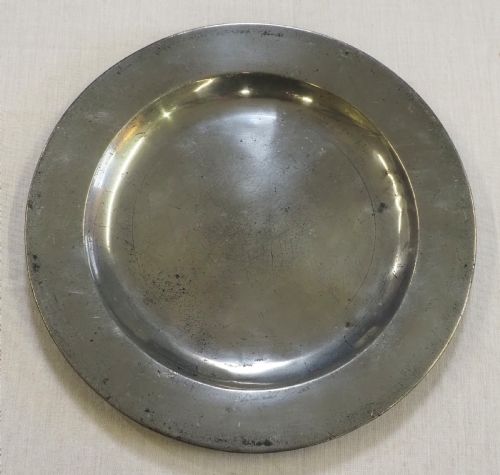
Pewterers cast tin alloys in metallic or stone moulds before turning the plates and ladles on lathes to achieve smooth rims and balanced shapes. Coppersmiths shaped sheet metal into vessels like coffee pots, joining seams with hard solder and hammering the surface for strength.
Object forms range from domestic lighting devices like candlesticks and rush nips to kitchenware including mortars and coffee pots.
What varies in quality
Quality in these objects rests upon the crispness of the casting and the retention of original form through centuries of use. Brass candlesticks with sharp mouldings and intact ejector mechanisms demonstrate superior initial manufacture compared to heavily worn examples.
For pewter plates and ladles, the clarity of touchmarks and the weight of the metal distinguish workshop standards. Iron rushlight holders rely on the integrity of the pivoting arm and the balance of the weighted base for their enduring function.
Richard King of London·Dixon and Son
The English Georgian Metalwork Glossary
- Rushlight
- A simple lighting device that used dried rushes dipped in animal fat to produce a dim flame. The rush was held tightly between the jaws of a wrought iron pincer.
- Ejector candlestick
- A candlestick fitted with an internal sliding stem that pushed out the remaining stub of a wax candle. This mechanism prevented melted wax from sticking inside the socket.
- Mortar and pestle
- A heavy bowl and club-shaped tool used in kitchens and apothecaries to grind spices or medicines. Bronze and brass examples survived decades of heavy percussion.
- Touchmark
- A stamped seal applied by a pewterer to guarantee the alloy standard of a plate or ladle. These marks often identify the maker and the town of origin.
- Rush nip
- A small spring-tensioned clip designed to hold a rushlight upright. They represent the most basic form of portable domestic lighting.
English Georgian Metalwork: Frequently Asked Questions
What is a rushlight holder?
A rushlight holder is a domestic lighting stand made from wrought iron during the seventeenth and eighteenth centuries. It used a spring-loaded clamp to hold a dried rush dipped in grease.
These pieces stood on heavy iron bases or incorporated wooden blocks to sit securely on tables. They provided the cheapest form of household lighting before tallow candles became common.
How do you clean antique brass?
Antique brass requires minimal intervention to preserve the natural oxidation and dark patination built up over centuries. Gentle dusting with a soft cloth removes surface grime without stripping the underlying metal.
Harsh chemical polishes destroy the aged surface that collectors value. Most dealers recommend leaving the metal untouched aside from occasional light cleaning.
Were pewter plates used daily?
Pewter plates formed the core of dining service in many middle-class households throughout the Georgian era. They offered a durable and cheaper alternative to porcelain or silver.
Regular use left subtle knife scratches across the surface of the metal. These marks are accepted as part of the history of individual chargers and plates.
Why use bronze for mortars?
Bronze provided the necessary weight and density to crush hard organic materials without cracking. Kitchens and apothecaries relied on these heavy vessels for grinding seeds, herbs, and minerals.
The metal withstood centuries of forceful impacts from matching pestles. Their solid construction ensured they survived generations of domestic work.