



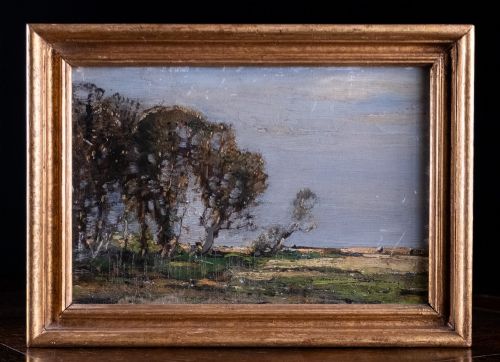
English Fine Art Painting
English fine art painting brings centuries of domestic portraiture and landscapes into your rooms through oil on canvas and watercolour.
English Fine Art Painting
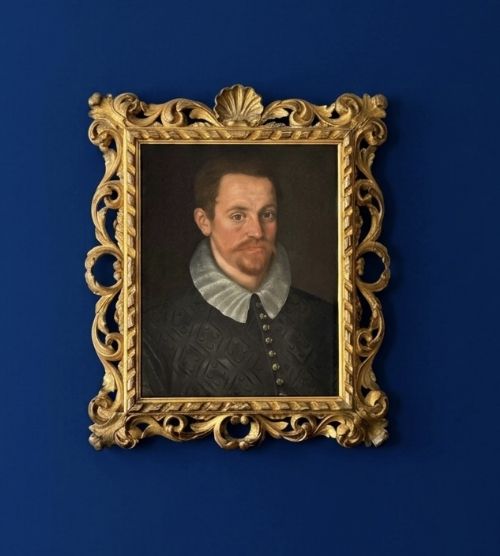
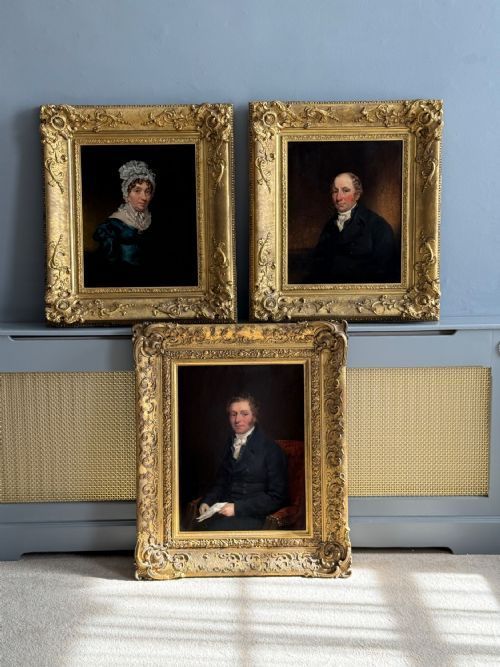
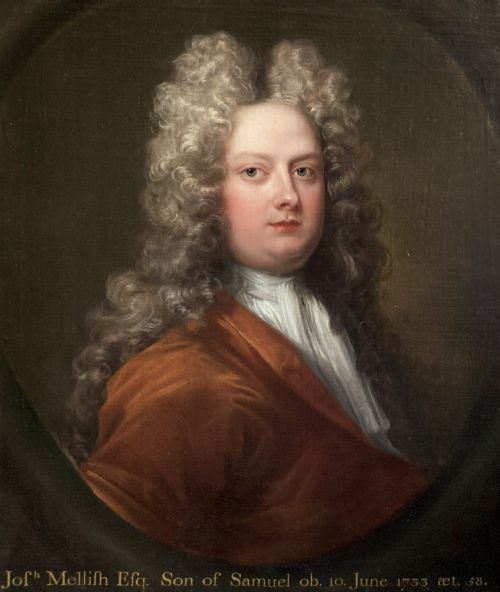
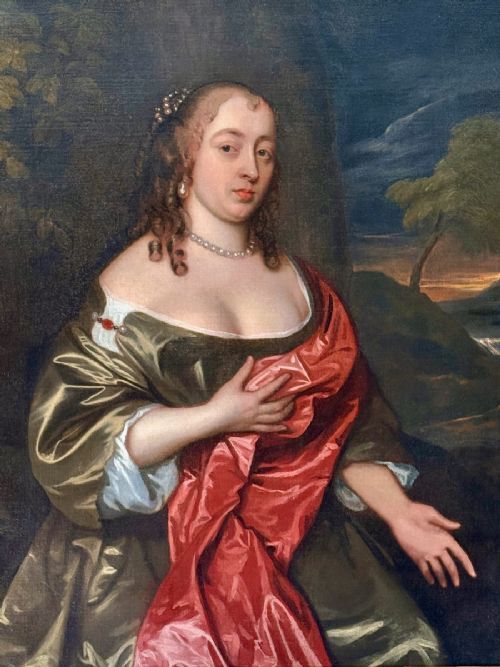
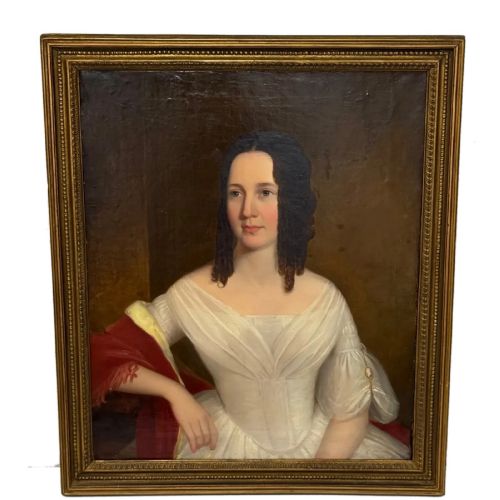
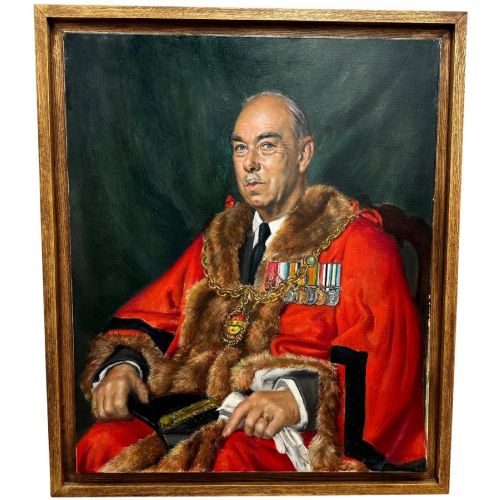
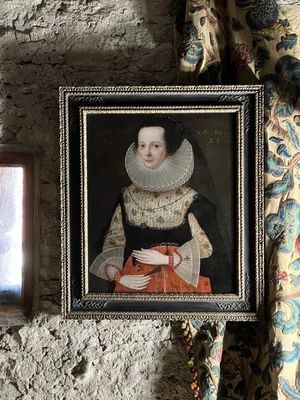
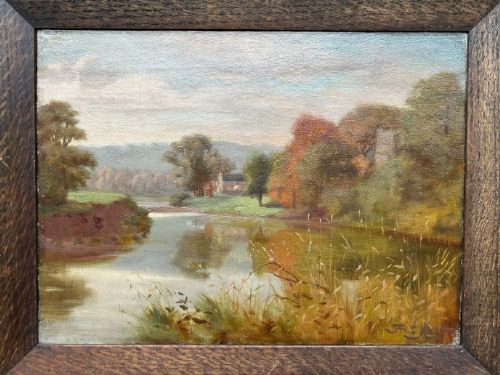
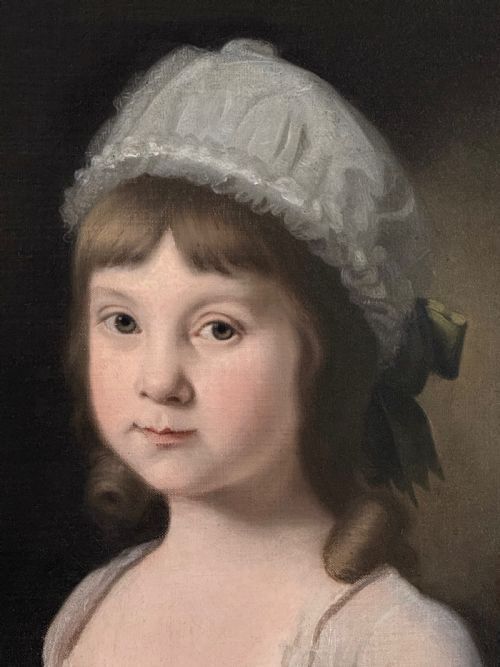
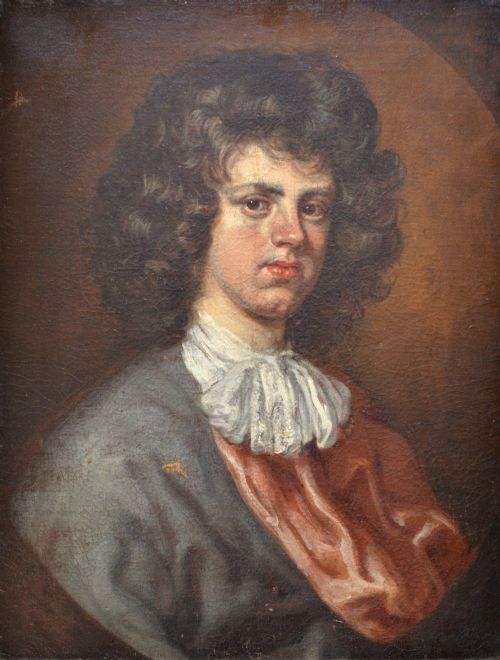
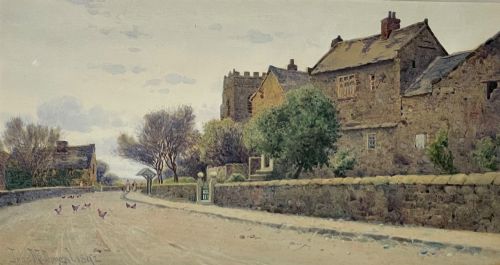
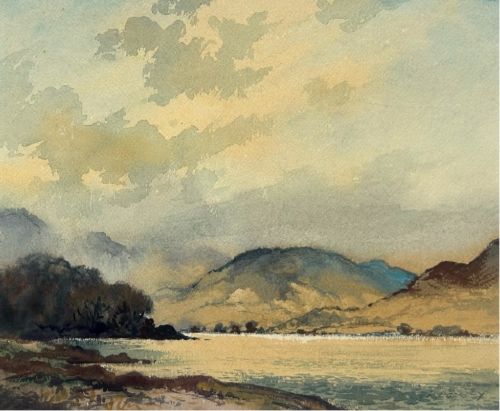
English fine art painting encompasses centuries of visual heritage, dominated by portraiture and landscape works on canvas, panel, board and paper. When you search for this phrase, you encounter depictions of figures from the seventeenth, eighteenth and nineteenth centuries alongside regional views and still lifes.
The versions most frequently met on this page are oil paintings and watercolours representing British portrait traditions and rural scenes. These pieces reflect the stylistic shifts from Baroque grandeur and Regency precision through to Victorian realism and later impressionistic landscapes.
Materials and Techniques
Painters relied principally on oil paint applied to stretched canvas, wooden panels or primed boards, creating durable surfaces that hold rich pigment layers over centuries. Watercolours on paper offered a lighter medium suited for botanical studies, topographical views and rapid outdoor sketches.
Giltwood frames frequently complete these works, providing decorative borders that complement the tones of the composition. Support structures range from traditional wooden stretchers to solid panels, each showing the physical characteristics of its period.
Current listings feature oil on canvas and watercolour works spanning from the seventeenth century through to the mid-twentieth century.
Assessing Quality and Execution
In landscape and still life works, quality emerges through the confident handling of atmospheric perspective and natural illumination. The preservation of the original paint layer without extensive modern intervention also defines the standing of a piece.
Charles Jervas·John Hayls·Joseph Clover·Joshua Reynolds·John Horace Hooper·Mary Beale·John McDougal·Robert Leslie Howey·Kershaw Schofield·John Russell·Herbert Royle·Thomas Beach·Thomas Lawrence·John Greenhill·John Closterman·Robert Byng·William Beechey·William Hogarth·Edward Ladell·Raymond Booth·James Fry·Gladys Marguerite Baker·William Blake Richmond·Peter Newcombe·Charles Hunt
The English Fine Art Painting Glossary
- Oil on Canvas
- Pigments suspended in a drying oil applied to a woven fabric support. This combination allowed artists to blend tones smoothly and build rich surface textures.
- Watercolour
- A paint consisting of colorants suspended in a water-soluble binder applied to paper. It produces translucent washes of colour favoured for landscapes and preparatory sketches.
- Giltwood
- Timber carved and coated with a thin layer of gold leaf. Frames made this way enhance the visual weight and period context of paintings.
- Portraiture
- The representation of a specific individual, focusing on likeness and social status. These works often include symbolic objects or landscape backgrounds.
- English School
- A designation for anonymous works created within Britain during a specific stylistic period. It groups together pieces sharing common regional and technical characteristics.
English Fine Art Painting: Frequently Asked Questions
What subjects appear in these paintings?
The works primarily feature portraits of named individuals, nobility and gentry alongside rural landscapes and still life arrangements. Artists recorded the likenesses of sitters from various centuries within domestic or outdoor settings.
Secondary subjects include architectural views, coastal scenes and botanical studies created in oil or watercolour across different periods.
How do I identify the period of a painting?
Period identification relies on costume details, hair styling and the prevailing artistic conventions visible in the brushwork. Portraits often carry inscriptions or sit within framing styles characteristic of their specific decades.
Material analysis of the canvas support, pigments and stretcher frames further assists in confirming the era of production.
Where were these artworks originally displayed?
These paintings hung principally in country houses, town residences and institutional reception rooms across Britain. Portraiture served to record family lineages and social standing in private drawing rooms and galleries.
Landscapes and still lifes were similarly integrated into domestic interior schemes to decorate panelled walls and living spaces.
How should I care for an antique painting?
Paintings require stable indoor humidity levels and protection from direct sunlight to prevent pigment fading and canvas degradation. Keeping works away from heat sources preserves the structural integrity of the wood and gilder's frames.
Routine maintenance involves gentle dusting of the frame surface using a soft brush while avoiding direct contact with the paint layer.