




English Equestrian Art
English equestrian art captures the spirit of the hunt, the racecourse and the stable through centuries of traditional craftsmanship.
English Equestrian Art
English equestrian art encompasses oil paintings, watercolours, lithographs, engravings and silver tableware depicting horses, riders and hounds.
The pieces on this page span the Georgian, Victorian and Edwardian periods, extending through the twentieth century.
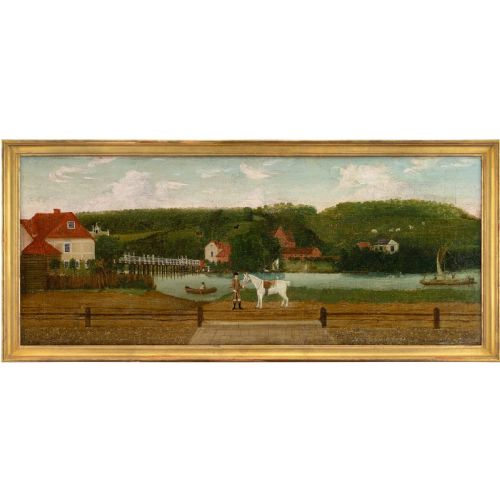
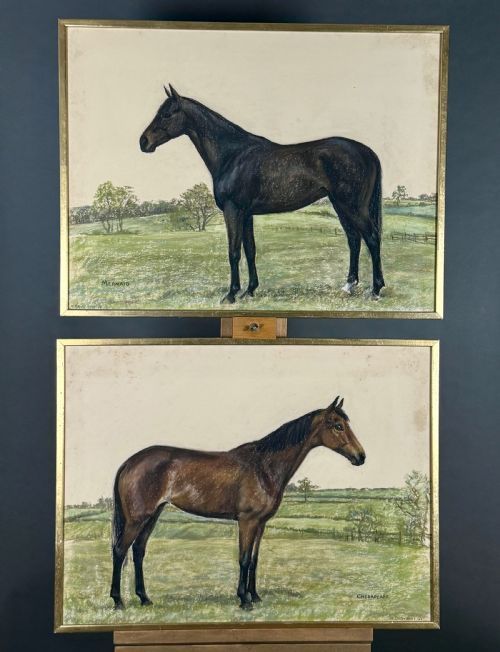
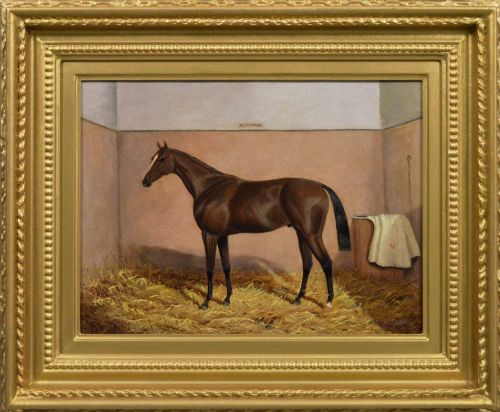
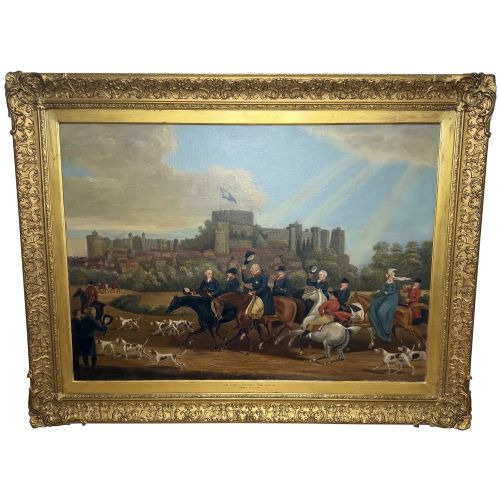
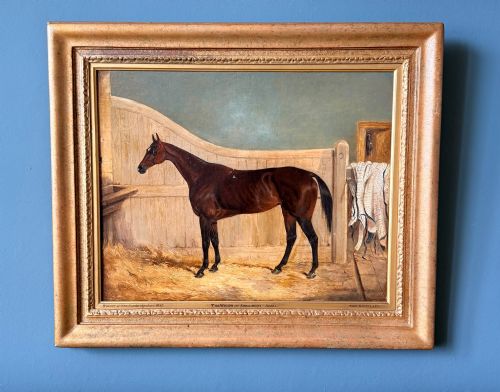
Buyers frequently encounter framed oil paintings of prize racehorses, hunting scenes in expansive landscapes and detailed pastel studies.
Materials and Technique
Artists relied primarily on oil paint applied to canvas or wood panels, alongside delicate watercolours and pastel on paper.
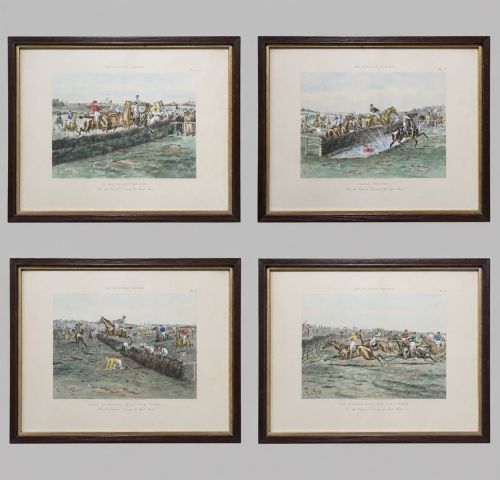
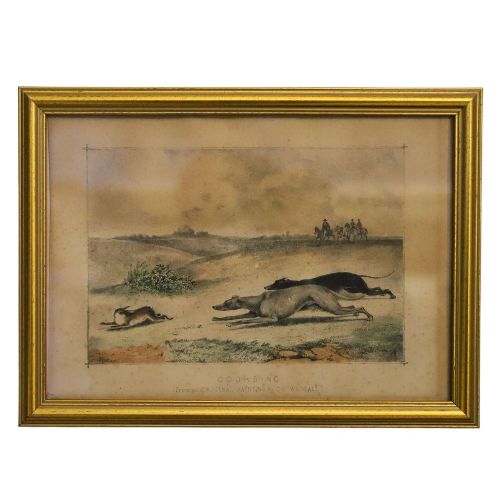
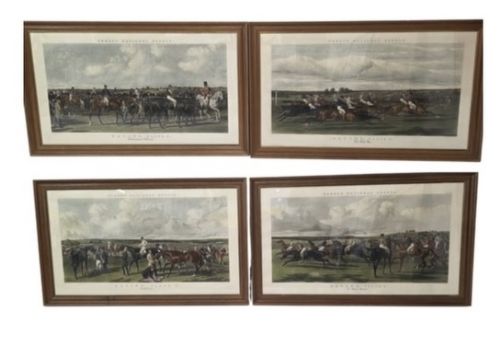
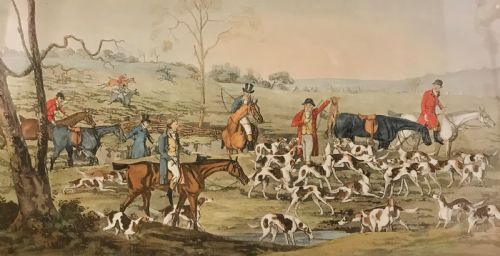
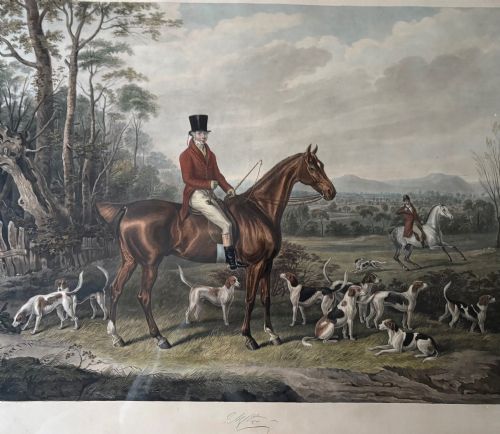
Printmakers utilised lithography and aquatint techniques to produce detailed multiplate sporting prints, often with hand colouring.
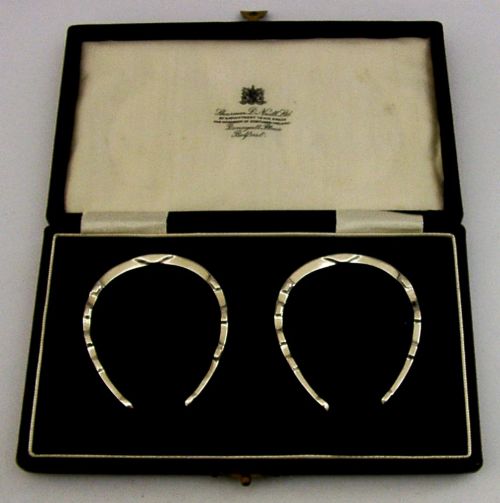
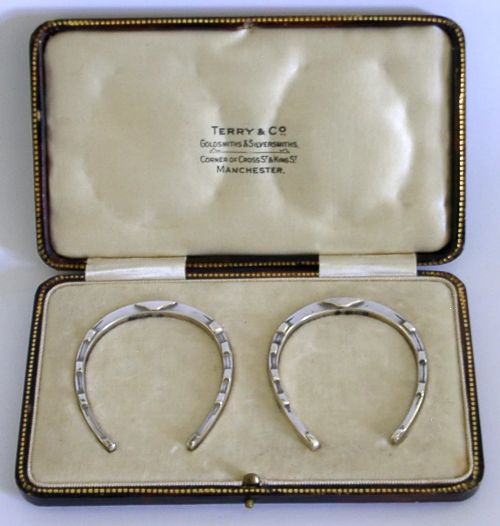
Silversmiths worked with solid sterling silver to shape dimensional napkin rings and novelty items reflecting equestrian motifs.
The selection includes depictions of famous nineteenth-century racehorses alongside anonymous country hunters and working ponies.
Evaluating Execution
Quality rests upon the artist's anatomical accuracy in rendering the muscle structure and movement of the horse.
Superior works demonstrate sophisticated handling of light and shadow within landscape settings rather than stiff, formulaic compositions.
The crispness of impression in early aquatints and the depth of pigment in oil paintings distinguish finer examples.
Albert Clark·George Finch Mason·C. H. Weigall·Thomas Walker Bretland·George Morland·John Rattenbury Skeaping·Charles Walter Simpson·Harry Freckleton·John Arthur Lomax·John Sanderson Wells·Edward Lloyd of Ellesmere·Michael Lyne·Arthur Longley Vernon·Helena Maguire·Samuel Spode·Charles Faulkner·John Alfred Wheeler·Clifton Tomson·Robert Cleminson·John Frederick Herring Jnr.·Gilbert Scott Wright·Samuel Henry Alken·Martin Hall
The English Equestrian Art Glossary
- Aquatint
- An intaglio printmaking technique that produces areas of tone resembling watercolour washes. It was widely used for reproducing sporting scenes.
- Lithography
- A planographic printing process based on the antipathy of oil and water. It allowed publishers to issue affordable coloured prints of field sports.
- Sporting Art
- A genre dedicated to depicting bloodsports, racing, coaching and the animals associated with them. It forms the core of this collecting field.
- Giltwood
- Wood that has been treated with gold leaf or gold paint. Frames of this material frequently accompany Victorian oil paintings.
English Equestrian Art: Frequently Asked Questions
What subjects appear most often?
Paintings and prints typically feature named racehorses, fox hunting meets, coaching scenes and portraits of family ponies with riders.
Artists also recorded agricultural work involving horses, alongside dogs and stableyard environments.
How do I date a print?
Publishers often inscribed publication dates directly onto the margins of aquatints and lithographs alongside the artist's name.
Paper quality, plate marks and the style of the framing provide additional clues for undated impressions.
Are silver items hallmarked?
Sterling silver pieces such as napkin rings usually carry clear hallmarks indicating the assay office, standard and year of production.
These marks help confirm whether an item dates to the Victorian era or later twentieth-century revivals.
Where should I hang these works?
Equestrian paintings suit traditional libraries, hallways and dining rooms where rich wood tones complement the warm palette.
Direct sunlight should be avoided to protect nineteenth-century watercolours and paper prints from fading.