


English Earthenware Ornaments
English earthenware ornaments bring the character of nineteenth century mantelpieces into modern rooms through figures, animals, and architectural models.
English Earthenware Ornaments
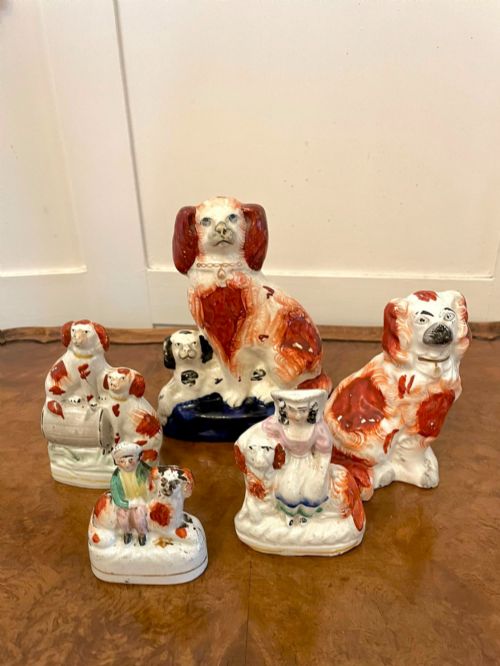
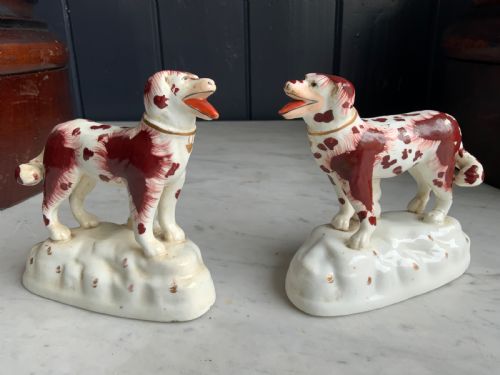
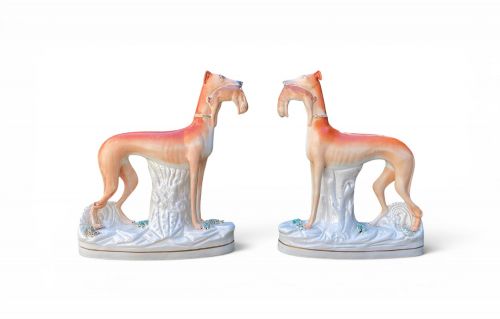
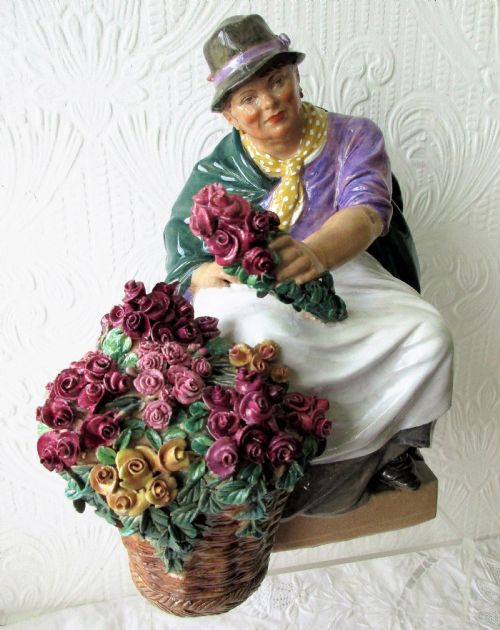
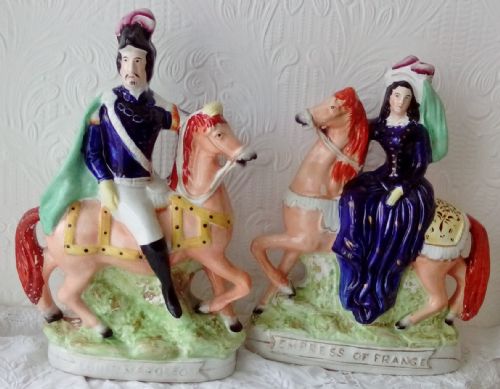
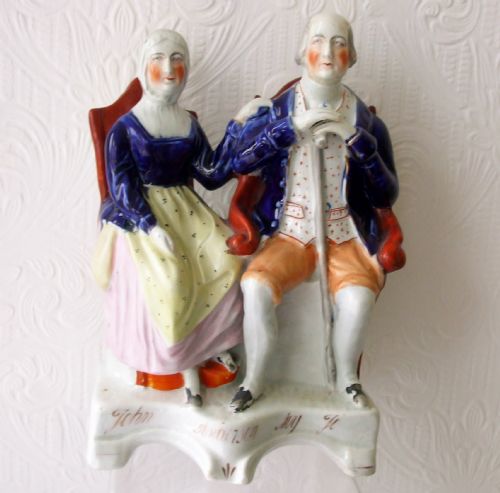
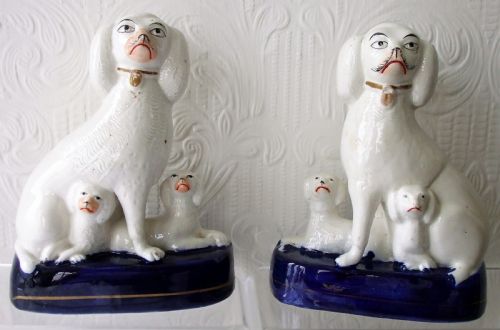
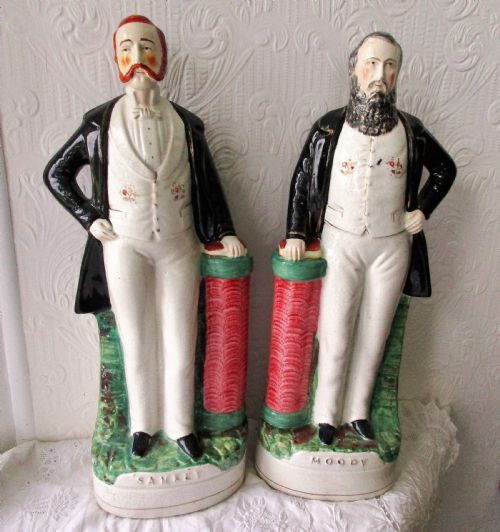
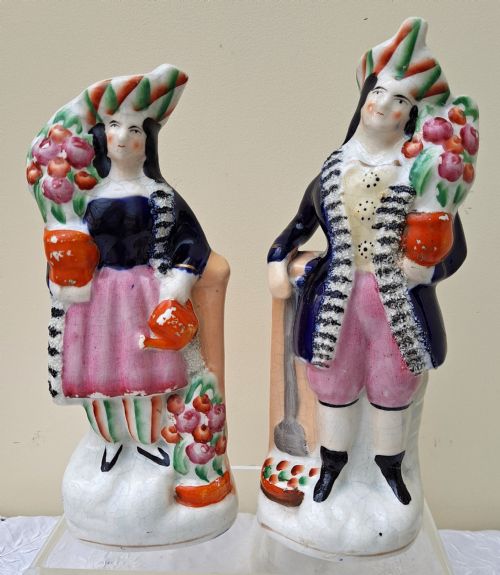
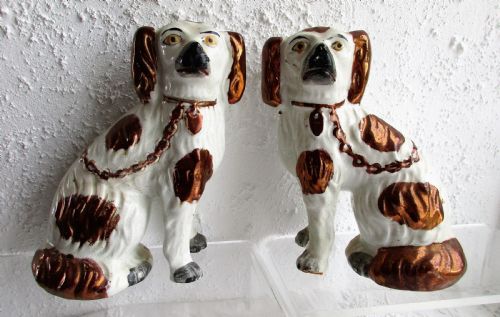
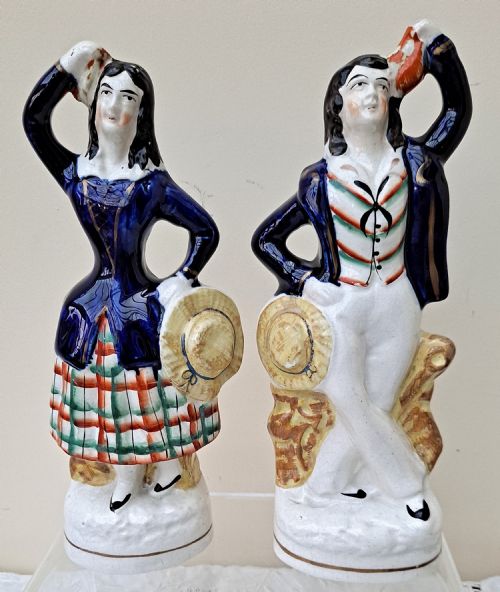
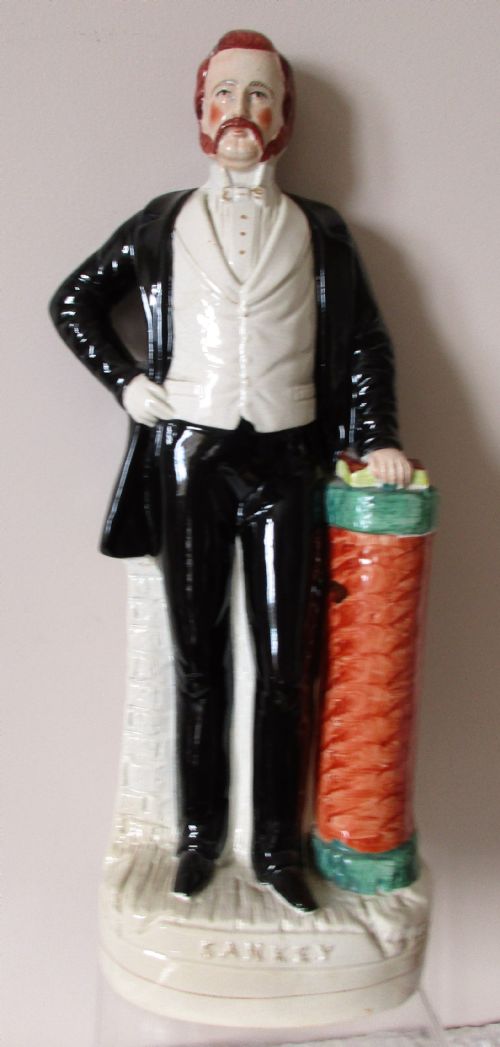
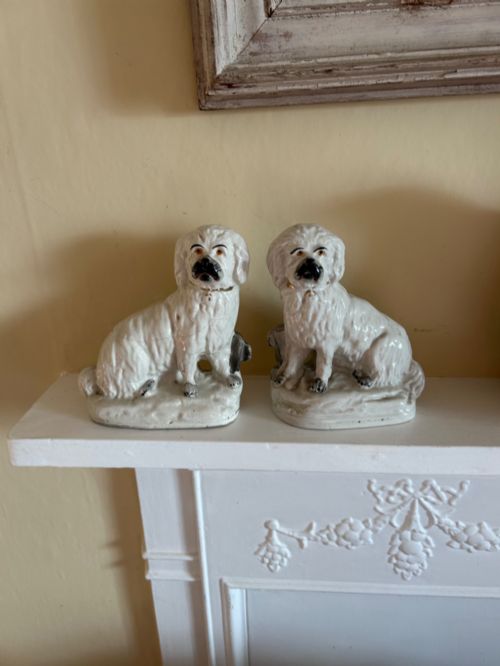
English earthenware ornaments encompass a diverse array of ceramic figures, spill vases, and decorative objects that populated British homes during the nineteenth and early twentieth centuries. When searching for english earthenware ornaments, collectors most frequently encounter Victorian Staffordshire pieces, which range from portrait figures and theatrical groups to pairs of spaniels and greyhounds.
The selection also extends to pearlware models, prattware cottages, and later studio pottery figurines from the twentieth century. These objects served primarily as mantelpiece decorations, designed to be viewed from the front as flat-backed figures intended for placement against a wall.
How they were made
The manufacture of these ornaments relied on earthenware bodies shaped in press-moulds or slip-moulds, allowing workshops to produce consistent forms efficiently. Artisans then applied lead glazes and hand-painted enamel colours before firing the ceramic bodies in kilns.
Certain pieces received specialised treatments such as treacle glazing to achieve a rich, dark brown finish, while others incorporated delicate gold leaf accents to highlight specific details of costume or design.
Listings feature 19th Century, Victorian, Regency, and 1920 periods alongside earthenware, pearlware, and ceramic materials.
What varies in quality
Weaker pieces often suffer from blurred moulded lines, hasty or crude painting, and uneven glaze pooling that obscures the underlying character of the pottery figure.
Charles Vyse·Rockingham Pottery·Mexborough
The English Earthenware Ornaments Glossary
- Earthenware
- Porous pottery fired at a relatively low temperature, forming the primary ceramic body for the majority of these nineteenth century decorative figures.
- Pearlware
- A refined type of earthenware featuring a bluish-white glaze, developed in the late eighteenth century as a precursor to harder whitewares.
- Spill Vase
- A hollow ceramic figure incorporating an attached cylindrical holder designed to store wooden spill matches for lighting fires.
- Treacle Glaze
- A dark, lustrous brown lead glaze that produces a glossy, molasses-like surface appearance on nineteenth century pottery.
- Flat Back
- A manufacturing style where the reverse of a ceramic figure is unglazed and flattened, intended for display on a mantelpiece or shelf against a wall.
English Earthenware Ornaments: Frequently Asked Questions
What are english earthenware ornaments?
These pieces are moulded ceramic figures and decorative objects produced primarily in British pottery towns during the nineteenth century. They include portrait subjects, animals, and architectural models made for domestic display.
The category spans simple folk art creations to detailed portrait figures representing contemporary historical events and theatrical personalities.
How were they used in homes?
Owners placed these ornaments predominantly on mantelpieces, sideboards, and brackets in the principal rooms of the house. Their flat-backed construction allowed them to sit flush against walls.
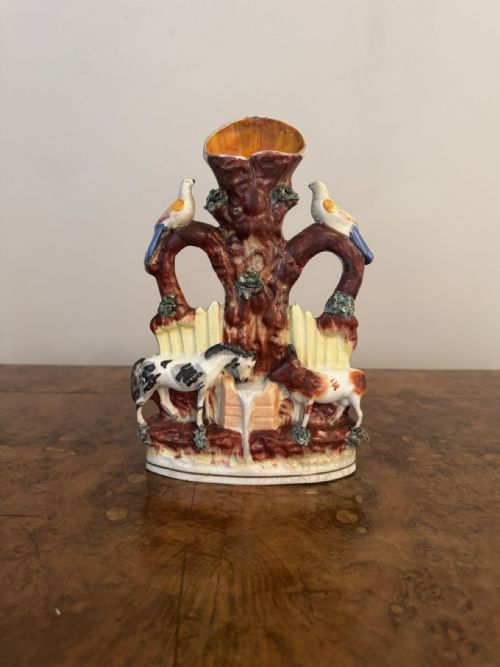
Certain hollow forms like spill vases combined decorative appeal with the practical domestic function of holding wooden matches for lighting coal fires.
How do I identify a Victorian piece?
Victorian examples typically exhibit moulded earthenware construction finished with hand-painted enamel colours under a clear lead glaze. Stylistic cues include subjects drawn from mid-nineteenth century events, literature, and popular animal forms.
Examining the unglazed base and the wear patterns on the ceramic body helps confirm the nineteenth century origins of the object.
What is the difference between pearlware and earthenware?
Pearlware is a specific, refined sub-type of earthenware developed to mimic the whiteness of porcelain by adding cobalt to the lead glaze, resulting in a faint bluish tint in recessed areas.
Standard earthenware generally utilises a warmer, buff-coloured or red-firing clay body beneath a transparent glaze without the characteristic blue pooling of pearlware.
Are all Staffordshire figures marked?
The vast majority of nineteenth century Staffordshire ornaments left the workshop unmarked, relying on recognizable forms, subjects, and decorative styles for identification.
When marks do appear, they usually take the form of impressed model numbers, initials, or registration diamonds rather than clear maker signatures.