



English Country Ornaments
English country ornaments bring character into a room, drawing on centuries of earthenware, cast stone and silver traditions.
English Country Ornaments
English country ornaments encompass a diverse selection of decorative figurines, garden statues, fireplace pieces and table ornaments that reflect rural life and domestic tastes. When you search for English country ornaments, you encounter nineteenth-century Staffordshire pottery figures alongside cast stone garden animals and silver depictions of wildlife.
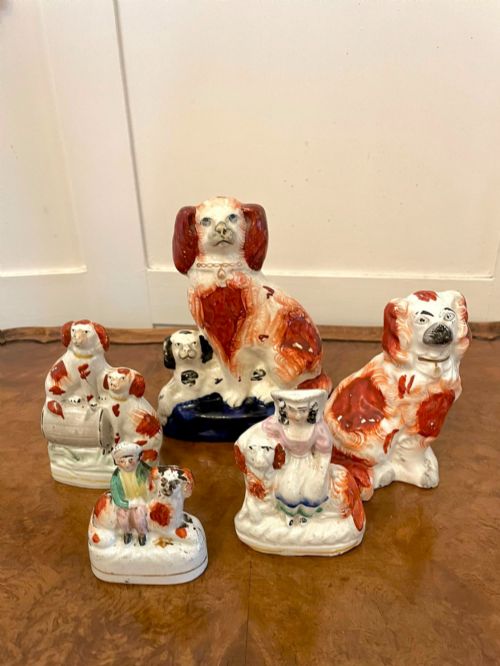
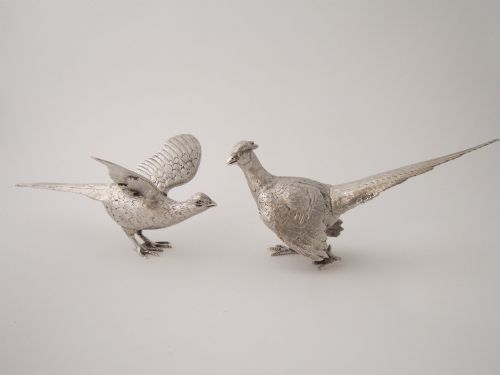
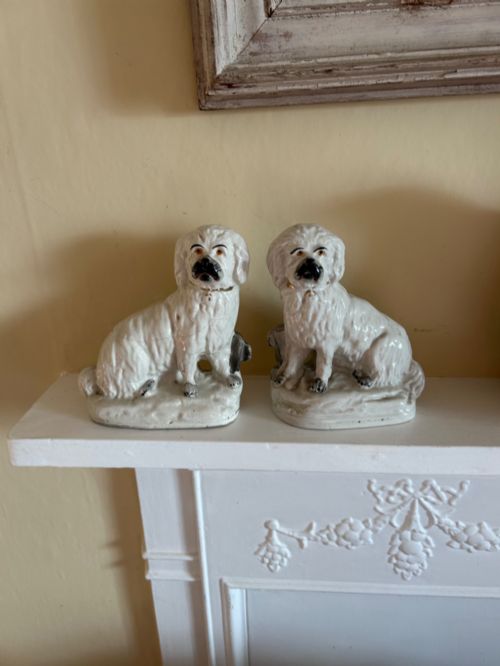
The Staffordshire pottery tradition dominates the selection, particularly Victorian spaniels, flatback figures, cottages and historical subjects like William Shakespeare. These ceramic items share shelf space with Edwardian cast iron doorstops, plaster cocker spaniels and mid-century sterling silver pheasants and foxes.
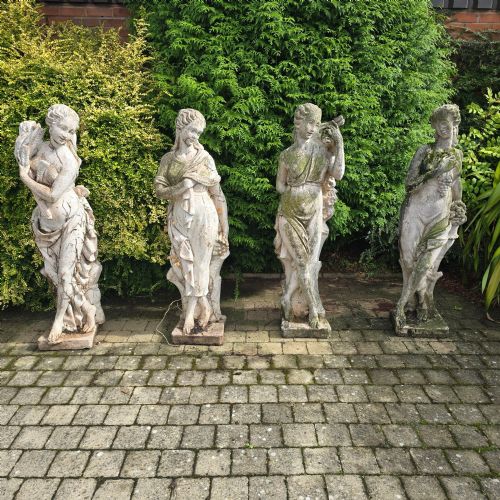
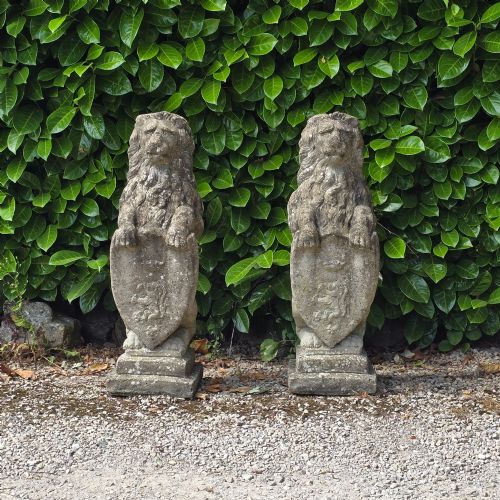
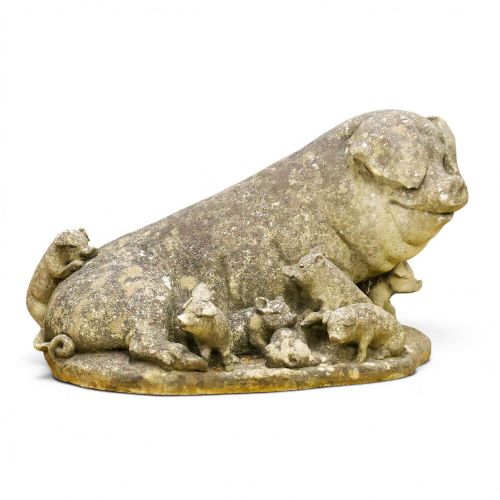
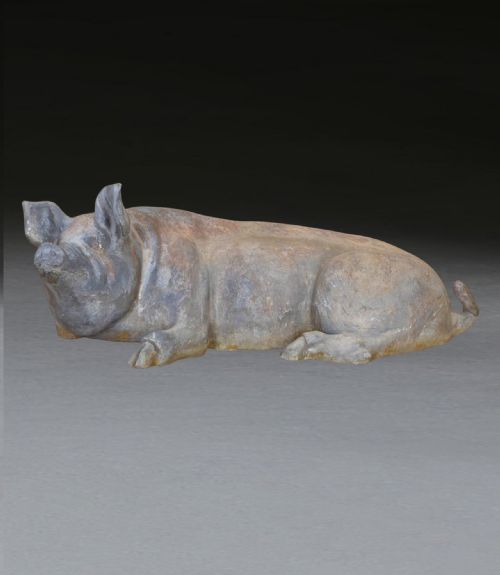
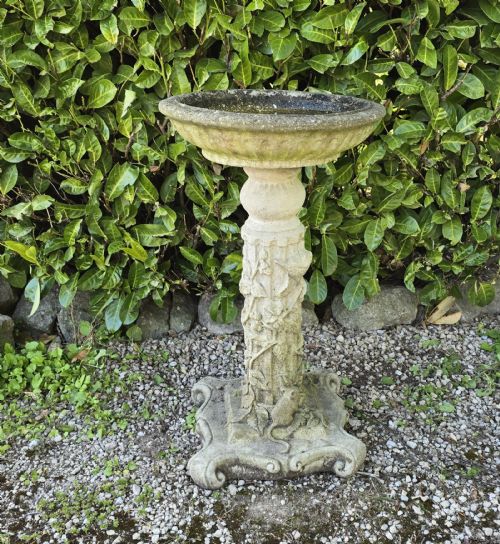
Garden ornaments also feature prominently in the material evidence, ranging from large weathered cast stone pigs and lions to four seasons figures and bird baths. These pieces transition easily between interior hearths and garden settings, unified by their traditional English subjects.
Materials and Construction
Pottery and earthenware form the core of these ornaments, shaped and finished with glaze, enamel and hand-painted details. Staffordshire figures utilise moulded clay bodies, often enhanced with underglaze colours and gilt highlights.
Metalwork provides robust alternatives for functional decor, as seen in cast iron doorstops and sterling silver animal figures. Cast stone and reconstituted stone serve outdoor purposes, acquiring natural weathering over decades in the garden.
A cast sow accompanied by seven piglets brings a permanent farmyard commotion to the garden.
Judging Quality and Execution
For garden statuary and cast metal items, the distinction lies in the depth of relief and the naturalistic ageing of the surface material. Well-weathered cast stone and heavy sterling silver demonstrate durable substance that holds its character over generations of use.
Walton
The English Country Ornaments Glossary
- Staffordshire flatback
- A pottery figure designed to be placed against a wall, meaning only the front and sides are painted and detailed. These pieces were popular mantlepiece ornaments during the nineteenth century.
- Pearlware
- An early form of refined earthenware developed by Josiah Wedgwood featuring a bluish-white glaze that pooled in crevices. It provides a distinct ceramic base for antique figures and sheep ornaments.
- Cast stone
- A durable masonry product made from aggregate and cement used to replicate natural carved stone. Garden statues and troughs utilise this material for outdoor longevity.
- Doorstop
- A heavy utilitarian object, often cast in iron or moulded in plaster in the shape of a dog or figure. These items double as interior decorative ornaments.
English Country Ornaments: Frequently Asked Questions
What periods do these ornaments come from?
The listings span from the Georgian and Victorian eras through the Edwardian period into the mid-twentieth century. Nineteenth-century Staffordshire pottery and Victorian fireplace ornaments are particularly common.
Later pieces include Edwardian cast iron doorstops and 1960s sterling silver animal figures. Each period brings distinct materials and manufacturing techniques to the selection.
Where were Staffordshire figures displayed?
Staffordshire figures and flatbacks were traditionally displayed on cottage mantelpieces and parlor shelves. Their flat backs allowed them to sit flush against the wall.
Larger groups, such as dogs and cottages, served as cheerful domestic displays for nineteenth-century households. Today they fulfill a similar decorative role in traditional interiors.
How do I care for cast stone garden ornaments?
Cast stone and reconstituted stone ornaments benefit from gentle cleaning with water and a soft brush to remove accumulated moss and dirt. Avoid harsh pressure washers that can erode the surface detail.
Allowing natural weathering to continue enhances the appearance of garden statues and bird baths over time. Protecting delicate pieces from severe freezing can prevent winter cracking.
Are metal ornaments solid silver?
Some animal figures and tabletop ornaments are fashioned from English sterling silver, bearing hallmarks for mid-century production. Other metal items, such as doorstops, utilise heavier cast iron.
Each metal type requires different maintenance, with silver needing occasional polishing and iron benefiting from dry indoor conditions. Checking the hallmarks and weight helps identify the composition.