
English Display Cupboard
An English display cupboard brings structured elegance to a room, holding cherished objects behind glass while anchoring the space with period timber.
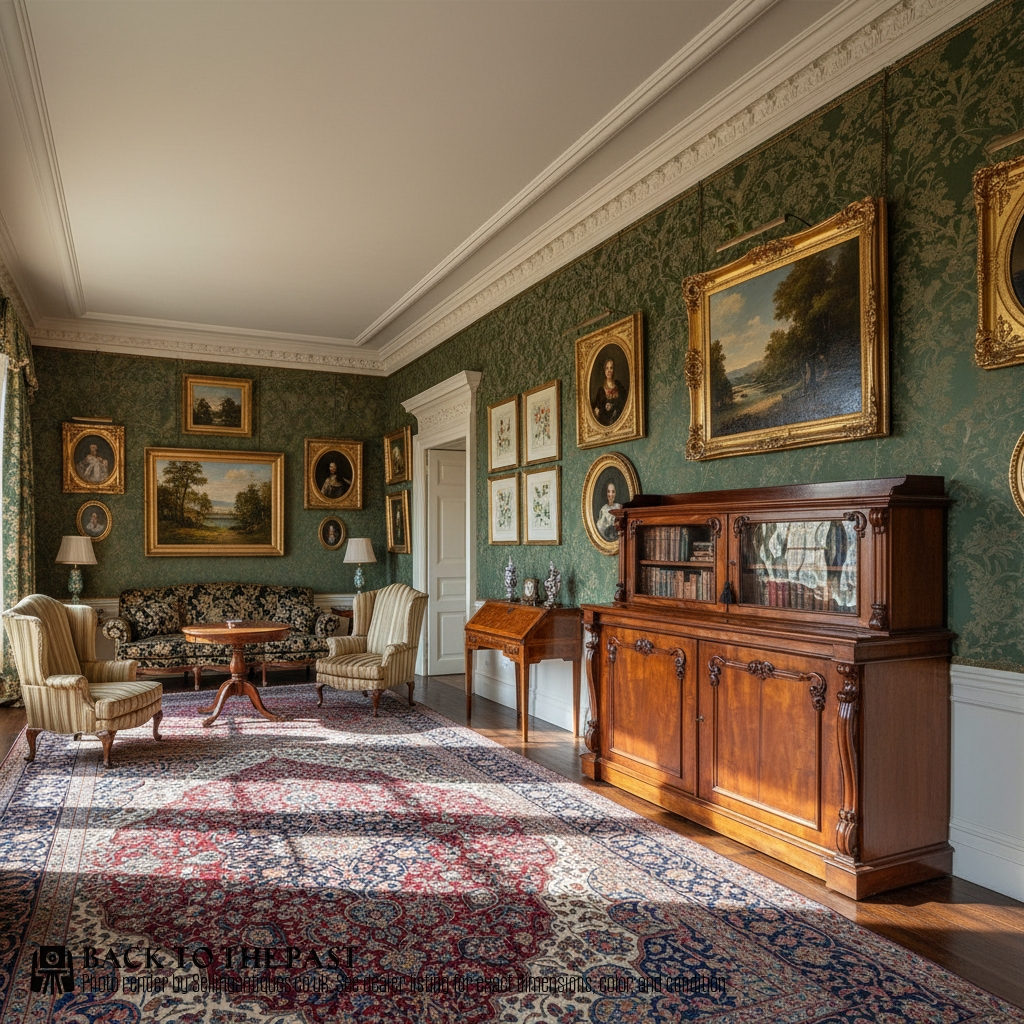
English Display Cupboard
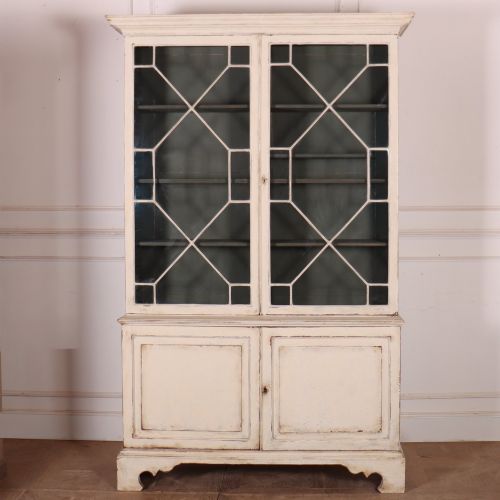
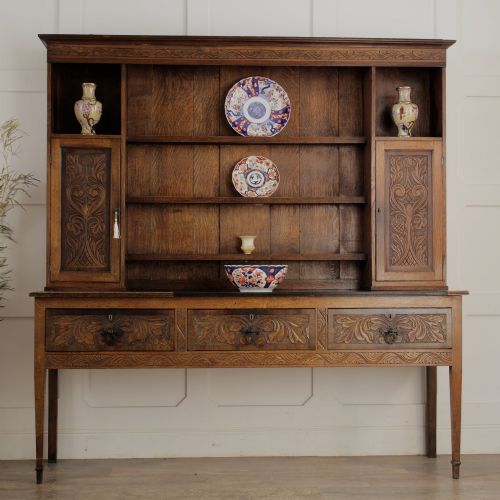
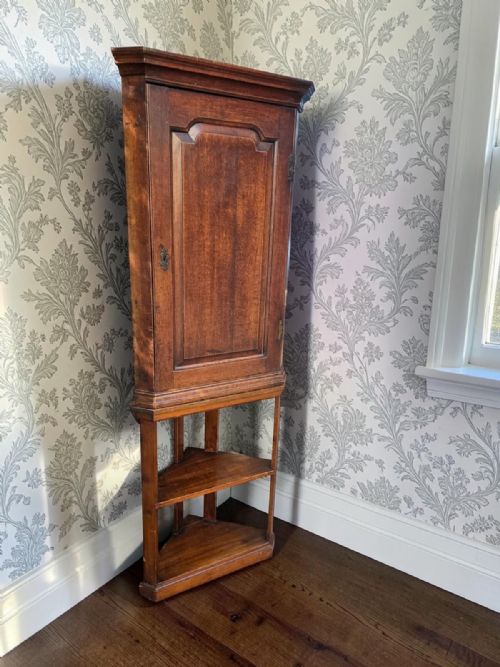
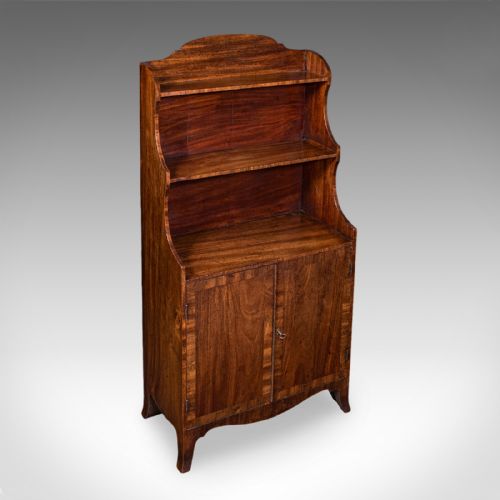
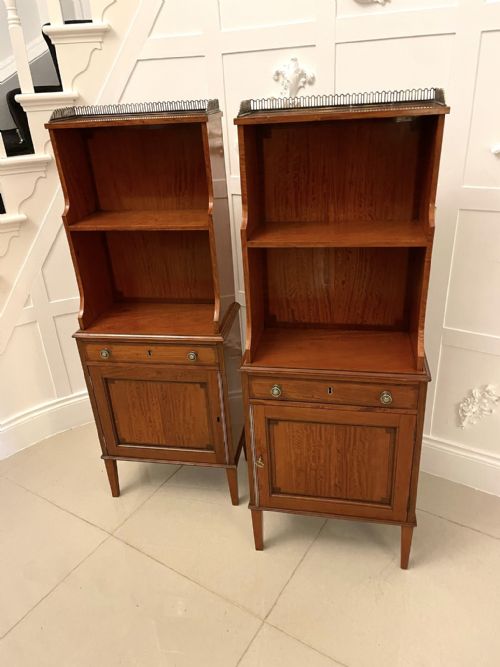
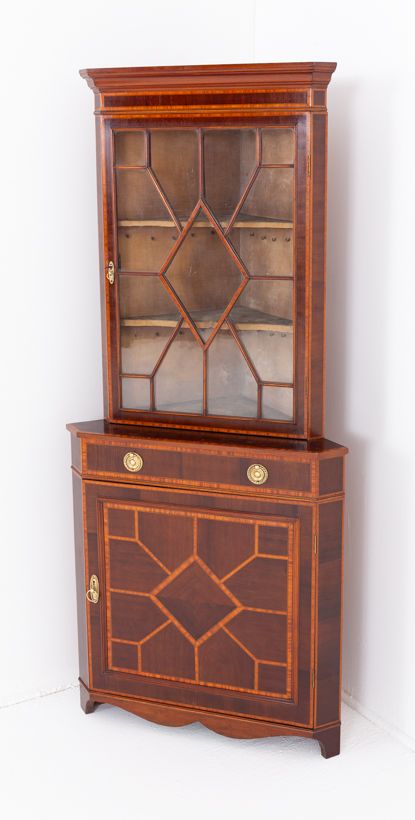
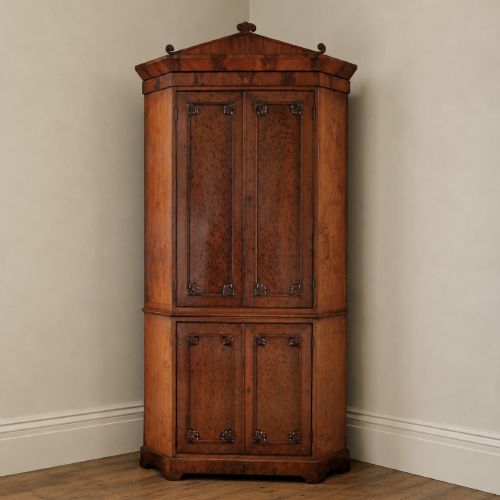
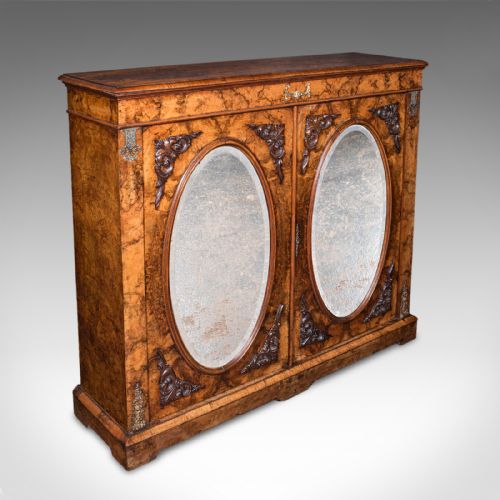
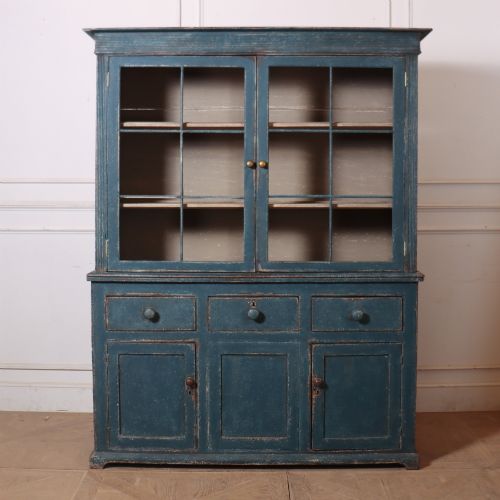
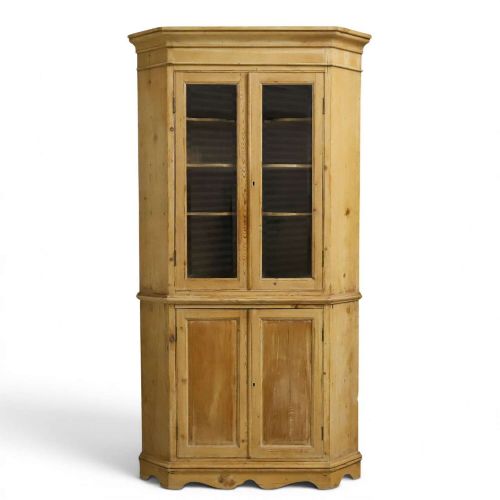
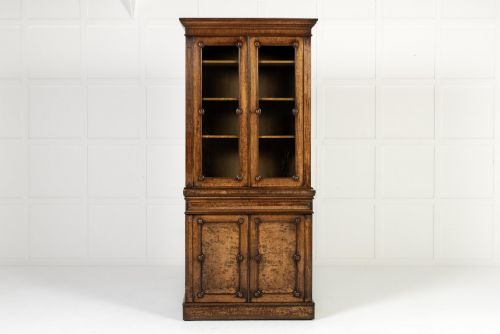
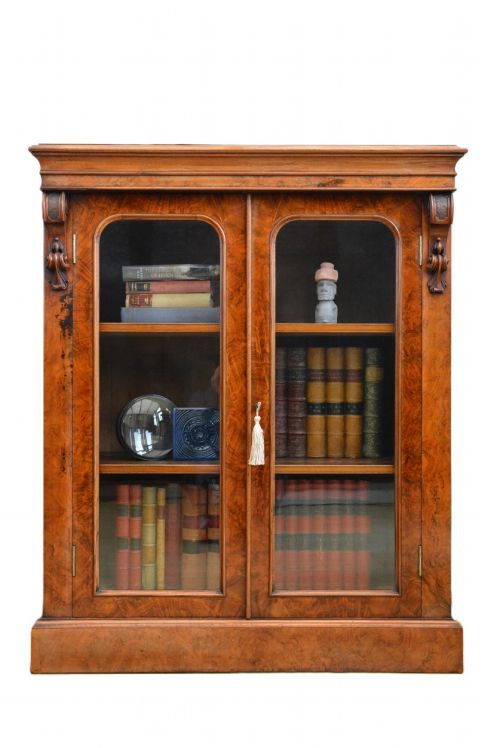
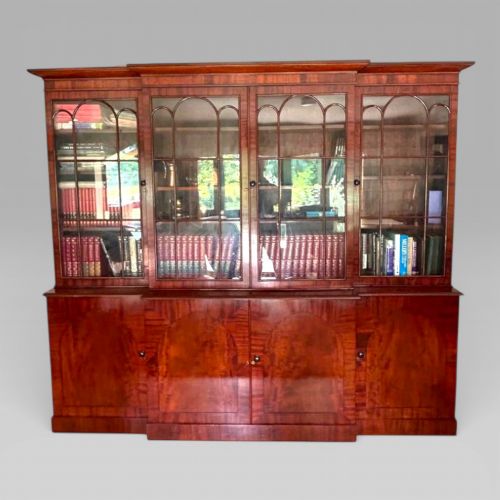
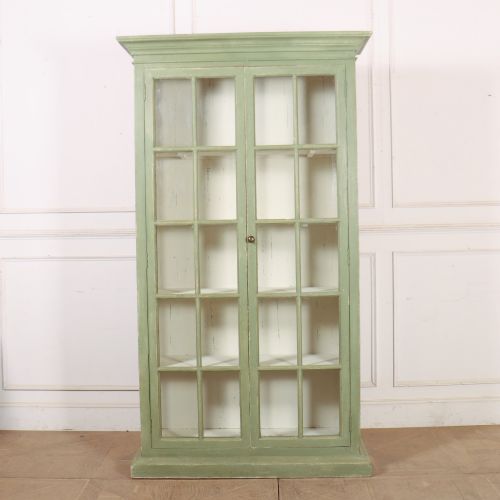
An english display cupboard encompasses various forms designed to showcase and protect ceramics, books, and curiosities. You will encounter grand breakfront library bookcases alongside compact wall-hanging corner cabinets and kitchen dressers fitted with glazed doors.
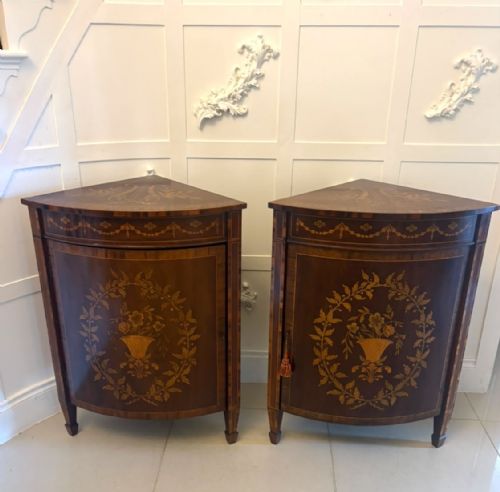
The pieces span several centuries, with Georgian and Regency examples favouring architectural mahogany and delicate astragal glazing. Victorian and Edwardian iterations bring walnut, rosewood, and lighter satinwood into domestic interiors, often utilising corner spaces efficiently.
Country variants in painted pine and oak offer a more robust domestic utility, bridging the gap between utilitarian storage and formal display. Whether standing tall on a plinth or hanging discreetly on a wall, these cabinets reveal the changing domestic habits of British households.
How they were made
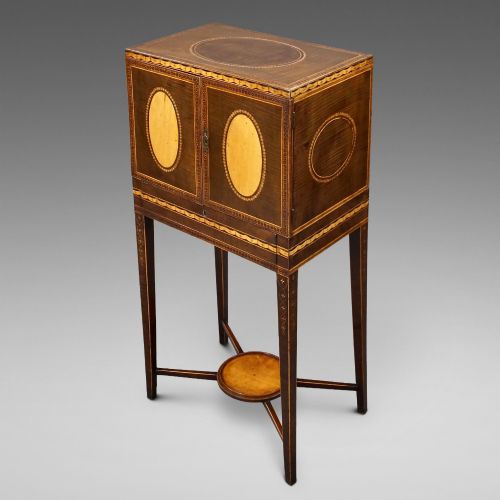
Cabinet makers relied primarily on solid mahogany, oak, and walnut, frequently enhancing surfaces with figured veneers such as plum pudding mahogany and burr walnut. Crossbanding and marquetry inlay provide subtle geometric or floral borders on finer Georgian and Victorian pieces.
Glazing bars, particularly astragal mouldings, require precise carpentry to hold individual panes of glass securely within the door frames. Brass hardware, including hinges, escutcheons, and working locks with keys, finishes the structural assembly.
Listings feature oak, mahogany, walnut, and pine across periods spanning the eighteenth, nineteenth, and early twentieth centuries.
What varies in quality
The selection of timber grain largely dictates the visual merit of a piece, distinguishing ordinary cuts from highly figured pollard oak or matched satinwood. Finer workshops invested greater care in the continuity of grain across drawer fronts and cabinet doors.
Construction details such as hand-cut dovetailing in drawers and the delicacy of internal shelf adjustments separate utilitarian furniture from high-status cabinet work. Original glass panes, intact brass fittings, and well-preserved surface patination elevate the standing of any surviving example.
Gillows
The English Display Cupboard Glossary
- Astragal glazed
- A method of dividing a glass door into smaller panes using slender wooden mouldings called glazing bars. This technique defines much of the formal cabinetry from the Georgian and Regency periods.
- Breakfront
- A large cabinet design where the central section projects forward from the flanking wings. This architectural arrangement creates depth and visual rhythm in substantial library bookcases.
- Crossbanding
- A decorative border technique where strips of veneer are laid with the grain running perpendicular to the main surface. It frames panels on cabinet doors and tabletops during the eighteenth and nineteenth centuries.
- Marquetry
- The art of applying pieces of veneer to a structure to form decorative patterns and pictures. Craftsmen utilised various exotic and native timbers to achieve contrasting tonal effects.
- Pier cabinet
- A low freestanding cabinet designed specifically to fit the narrow wall space between windows. These pieces became particularly popular during the Victorian era for displaying porcelain.
English Display Cupboard: Frequently Asked Questions
Where should I place a corner cupboard?
A corner cupboard is designed to utilise awkward or dead space in a room, fitting snugly into ninety-degree wall junctions. They work well in dining rooms or hallways where floor space is limited.
Larger standing versions require adequate clearance from adjacent furniture, while smaller wall-hanging models sit comfortably above sideboards or tables.
How do I care for antique timber surfaces?
Antique wood benefits from minimal intervention, relying on occasional gentle dusting with a soft, dry cloth. Avoiding direct sunlight and sudden temperature shifts prevents the timber from drying out and splitting.
Applying a traditional beeswax polish sparingly helps maintain the natural lustre of mahogany, oak, and walnut over time.
What is the difference between a bookcase and a display cabinet?
Traditional bookcases generally feature open shelving or wooden doors designed primarily for housing volumes of books. Display cabinets incorporate glass doors and often mirrored backs specifically to exhibit decorative objects and china.
Many transitional pieces combine both functions, offering enclosed cupboard storage below a glazed upper display section.
How can I tell a Georgian cabinet from a Victorian one?
Georgian cabinets often display restrained classical proportions, featuring fine mahogany, subtle crossbanding, and delicate astragal glazing bars. The construction tends to be linear and architectural, reflecting the prevailing taste of the eighteenth century.
Victorian examples frequently introduce darker woods like walnut and rosewood, alongside heavier carvings, marquetry inlay, and more eclectic revival styles.