
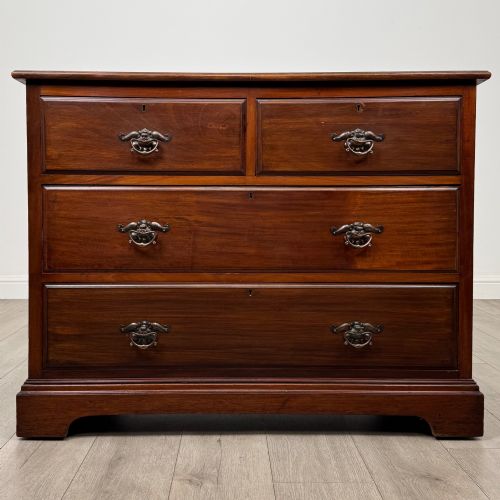
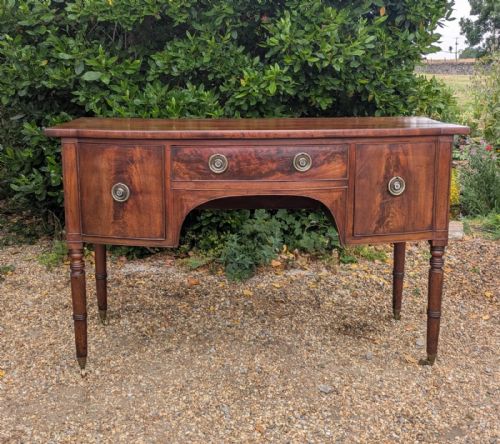
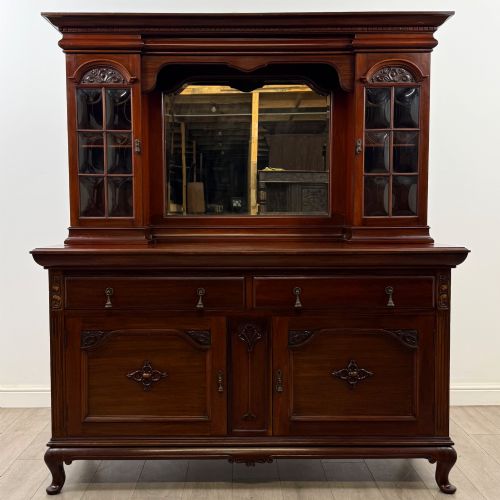
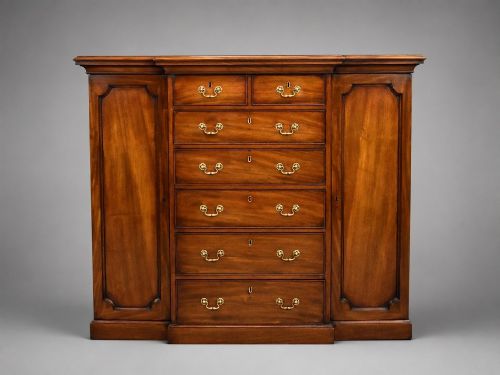
Mahogany Sideboard Dresser
Mahogany sideboard dressers bring substantial storage and rich timber grain to dining rooms and hallways across various periods.
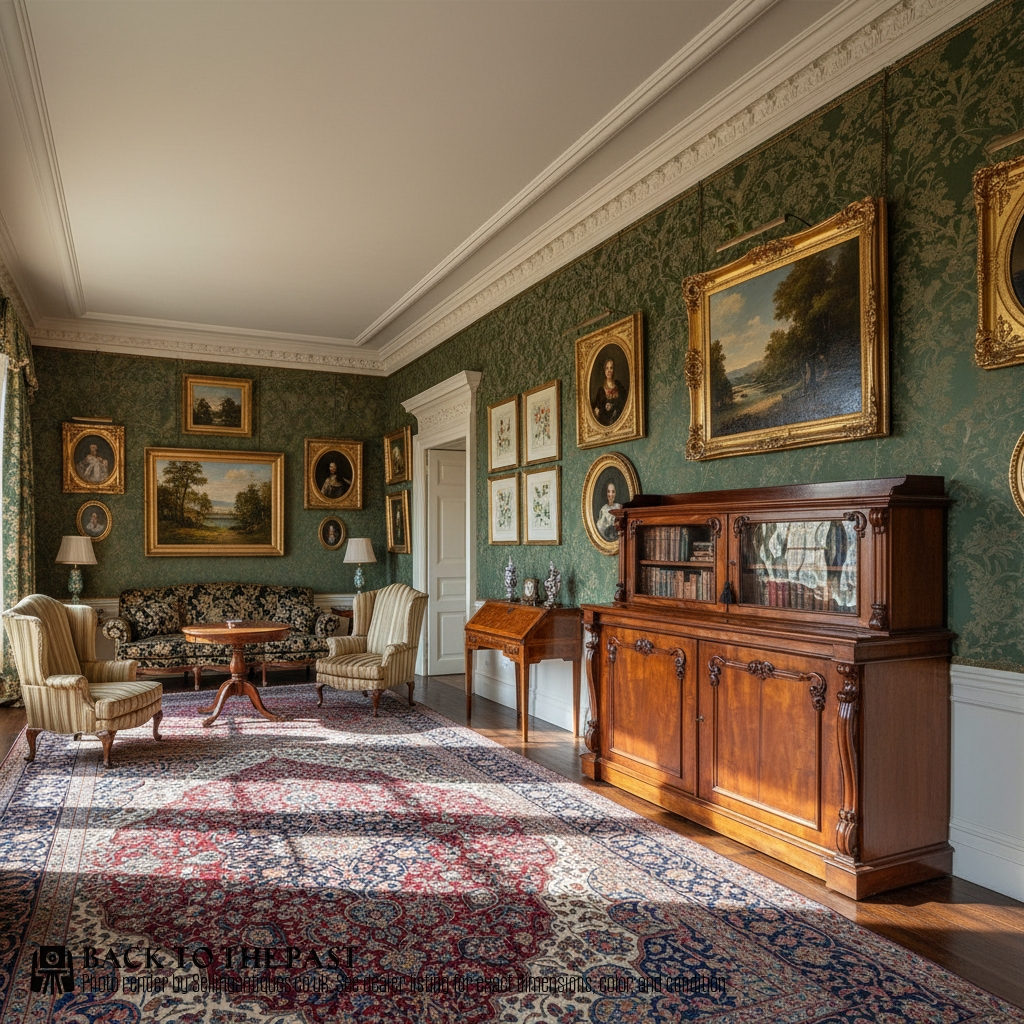
Mahogany Sideboard Dresser
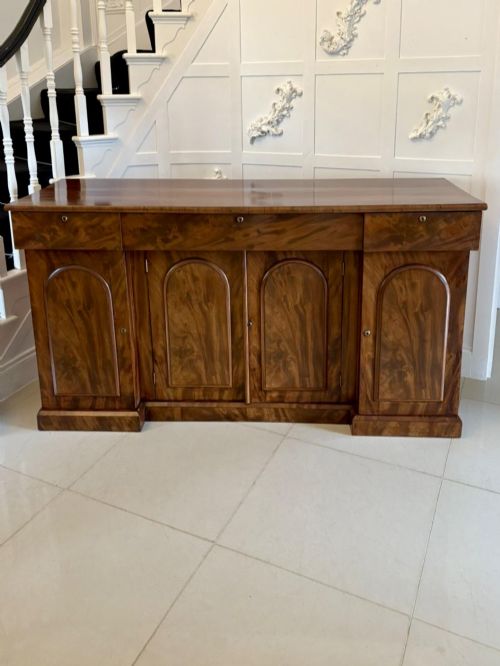
A mahogany sideboard dresser combines large storage capacity with formal dining room presence, drawing from Georgian, Victorian, and Edwardian design traditions. These pieces function as serving surfaces, cupboards, and drawer units for domestic interiors.
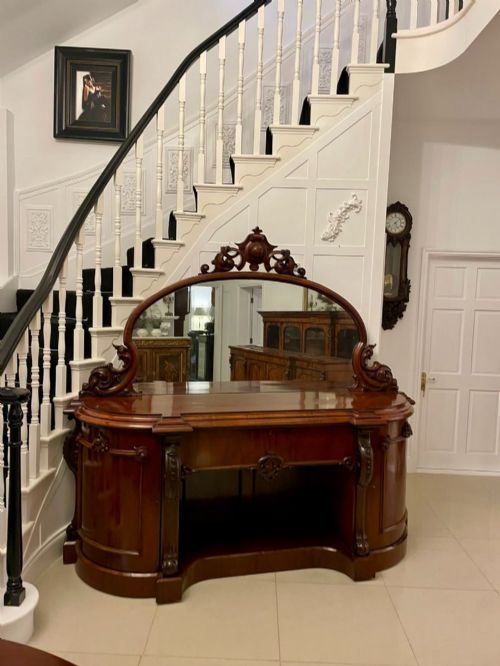
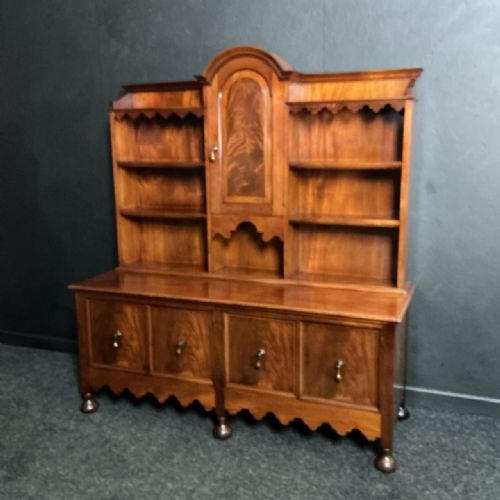
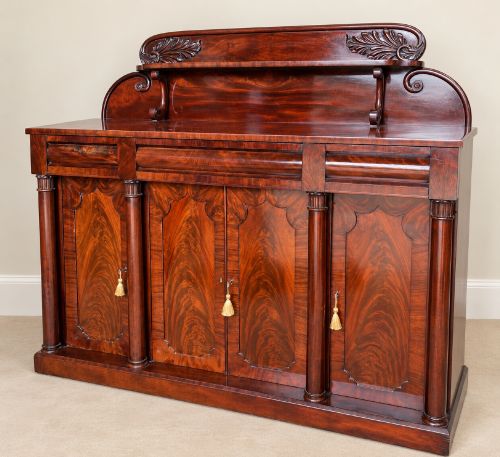
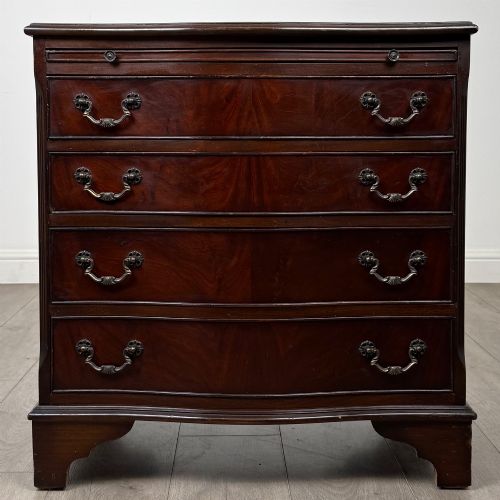
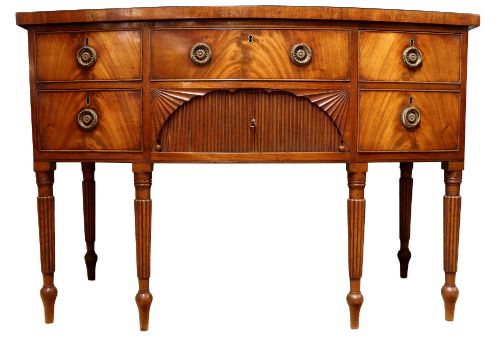
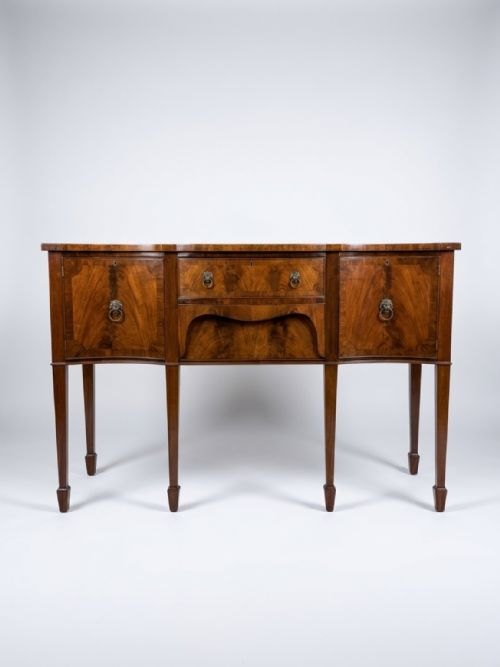
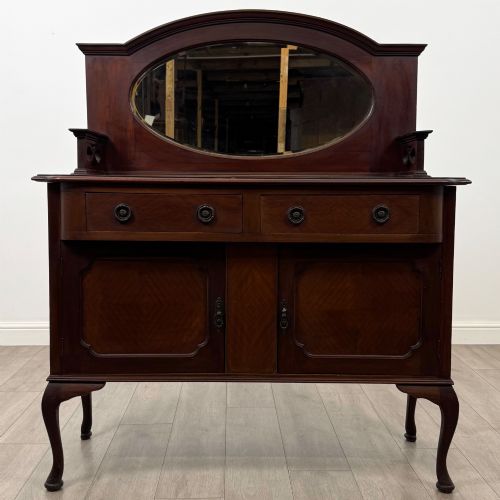
The selection ranges from bow-fronted and serpentine Georgian servers to carved Victorian mirror-back sideboards and Edwardian inlaid storage cabinets. Oak and mahogany combination pieces, alongside Welsh and Lancashire dresser bases, also appear regularly.
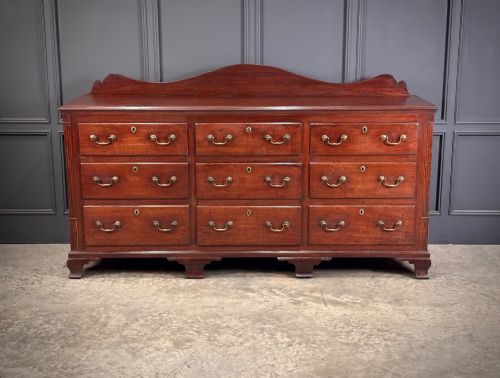
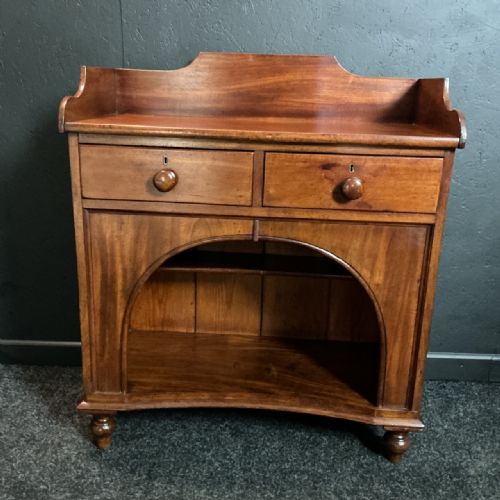
Buyers encounter regional variations including English, Welsh, and Irish examples, spanning formal pedestal sideboards to low dresser bases fitted with brass hardware.
Materials and construction methods
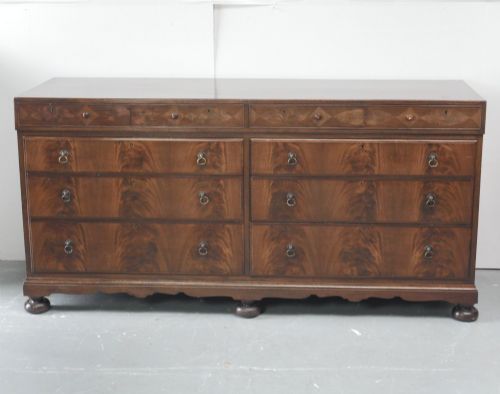
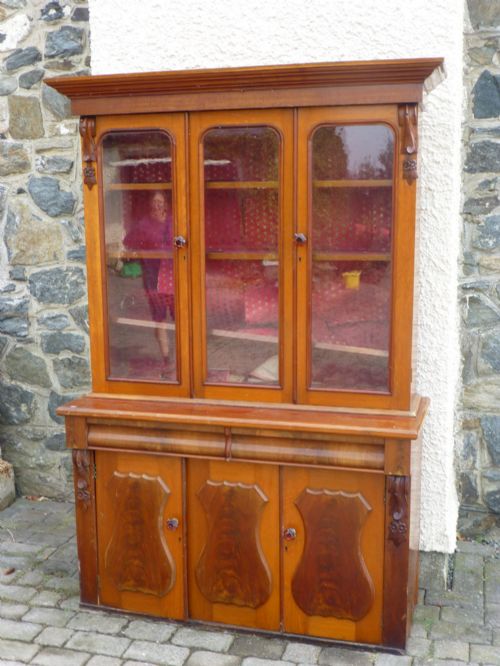
Makers utilised solid mahogany and flame mahogany veneer applied over secondary timbers, frequently incorporating boxwood stringing and brass handles. Glass appears in mirror backs and glazed bookcase cabinets, while occasional marble tops provide durable serving surfaces.
Cabinetmakers shaped timber using traditional joinery techniques, creating bow fronts, breakfronts, and serpentine profiles. Drawer construction relies on hand-cut dovetails, while decorative elements draw on carving, inlay, and panel moulding.
Several Victorian pieces include dedicated dog kennel spaces built into the central lower cabinet.
Distinctions in quality and execution
Quality reveals itself in the selection of timber figures, where matched flame mahogany veneer demonstrates superior craftsmanship compared to plain grain boards. The crispness of hand-carved details and the precision of inlaid boxwood stringing separate standard utility furniture from fine formal pieces.
Structural integrity depends on original drawer linings, well-fitted doors, and the retention of period brass hardware. Pieces with uncompromised secondary woods and minimal restoration maintain greater fidelity to their original period manufacture.
Whytock and Reid·Shapland and Petter·Bowman Brothers
The Mahogany Sideboard Dresser Glossary
- Serpentine
- A curved front shape that sweeps inward centrally and outward at the ends in an undulating line.
- Bow Front
- A convex curved cabinet front that swells outward in a continuous arc.
- Breakfront
- A large cabinet front where the central section projects forward beyond the flanking wings.
- Dresser Base
- A low freestanding cupboard unit fitted with drawers and doors, historically used for food preparation and serving.
- Chiffonier
- A compact Victorian sideboard equipped with enclosed shelving or cupboards beneath the serving surface.
- Stringing
- A thin inlay of contrasting timber used to outline drawers and panels for decorative effect.
Mahogany Sideboard Dresser: Frequently Asked Questions
How do I date a mahogany sideboard?
Dating relies on stylistic shifts, hardware types, and construction methods. Georgian pieces display restrained classical proportions and fine cockbeading.
Victorian examples often feature heavier carved decoration, mirror backs, or flame mahogany veneers. Edwardian pieces frequently incorporate lighter inlay work and Arts and Crafts influences.
What is the difference between a sideboard and a dresser base?
A sideboard serves primarily as a formal dining room serving table and storage unit, developing sophisticated pedestal and breakfront forms during the eighteenth and nineteenth centuries.
A dresser base stems from domestic kitchen and pantry traditions, offering sturdy functional drawers and cupboards for daily household utility.
Where should I place a large mahogany sideboard?
These substantial pieces anchor dining rooms, large hallways, and open-plan living spaces where their length and storage capacity function effectively. They require sufficient wall space and clearance to allow drawers and cupboard doors to open fully.
Positioning them away from direct heat sources protects the timber and veneer from splitting or warping over time.
How do I care for antique mahogany surfaces?
Maintenance involves dusting with a soft, dry cloth and applying traditional beeswax sparingly to nourish the timber grain. Avoid modern liquid polishes and silicone sprays, which build up residue and attract dust.
Keep pieces out of direct sunlight to prevent the rich mahogany tone from fading unevenly.