
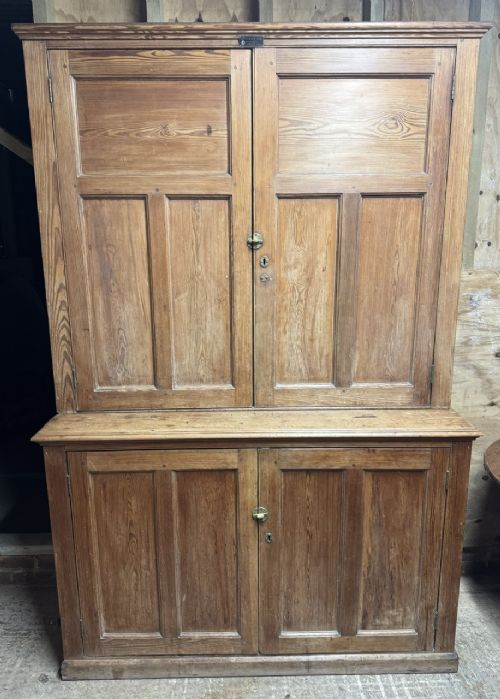
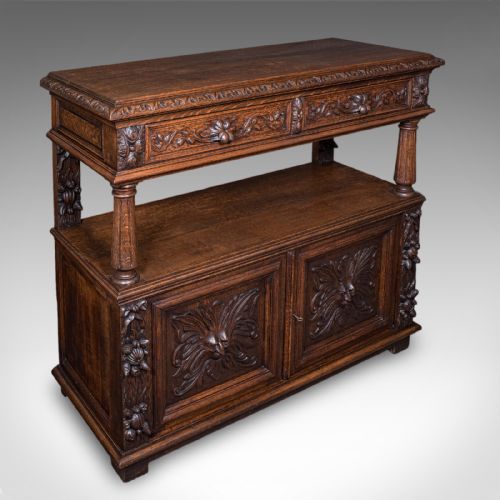
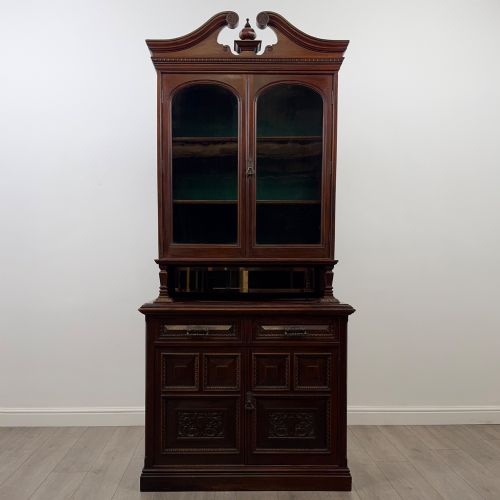
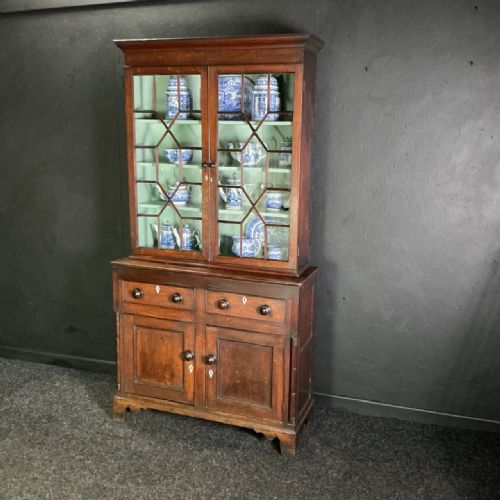
Victorian Two Tier Cabinet
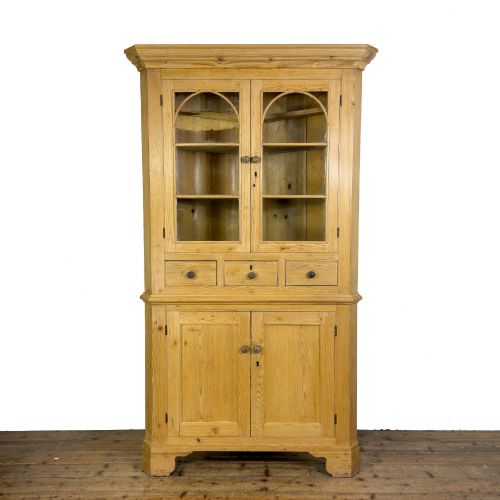
These pieces for a victorian two tier cabinet bring distinct timber and tiered display to a room, offering practical storage with classic nineteenth-century proportion.
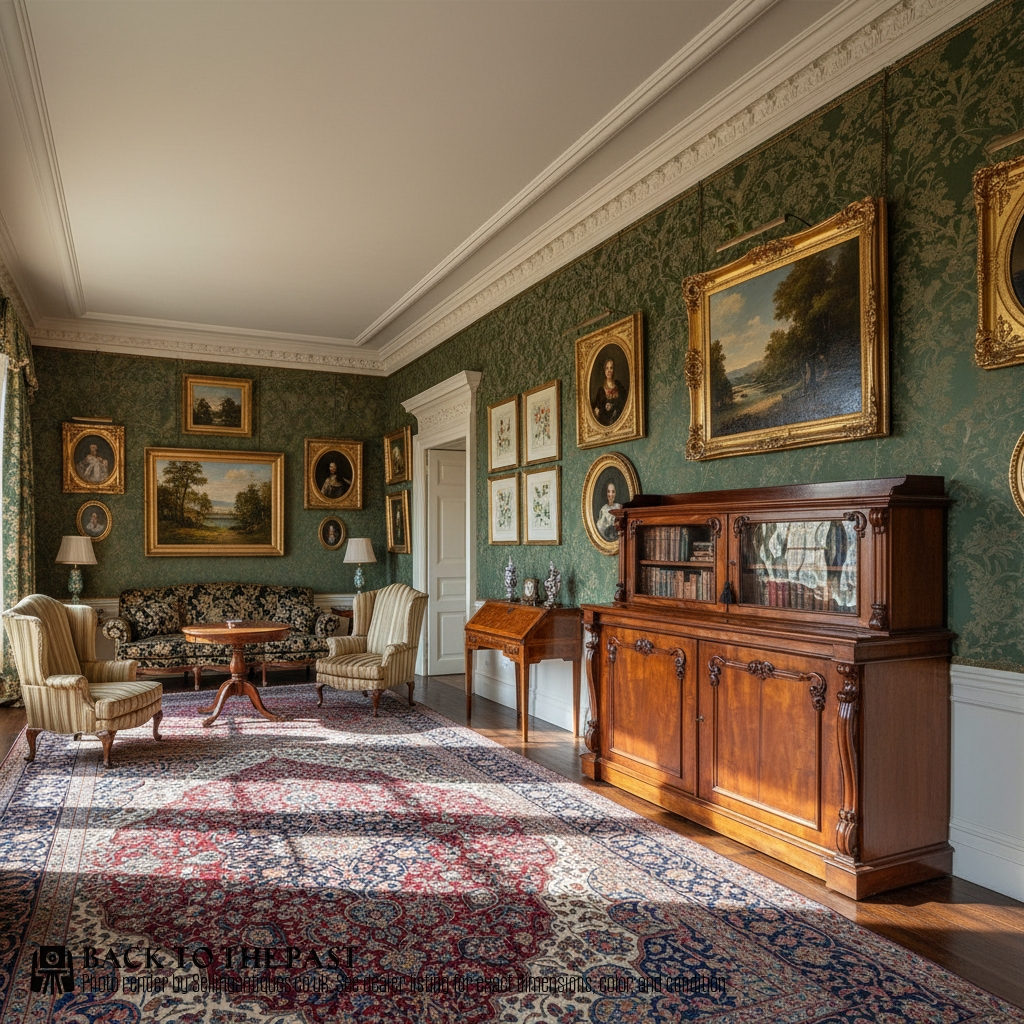
Victorian Two Tier Cabinet
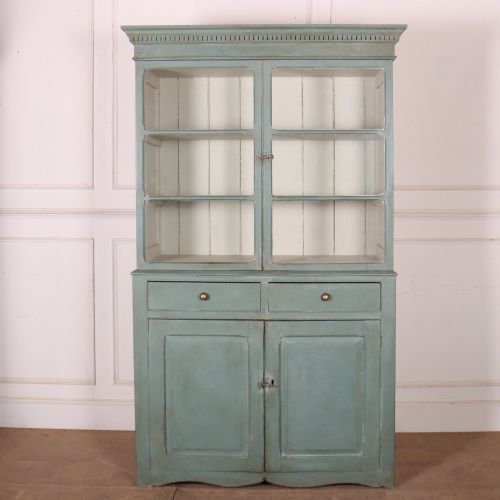
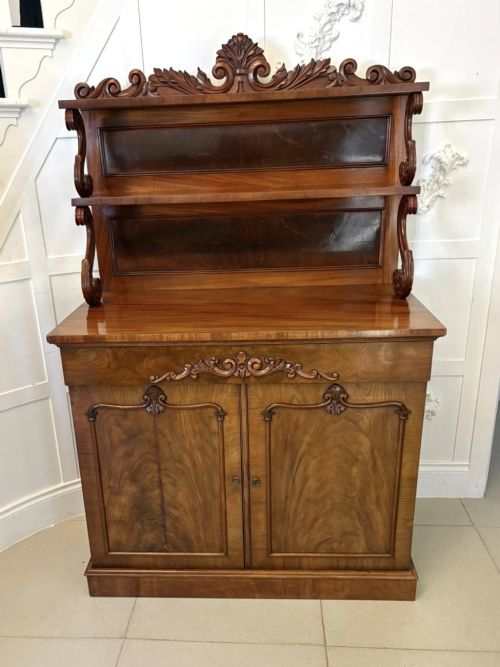
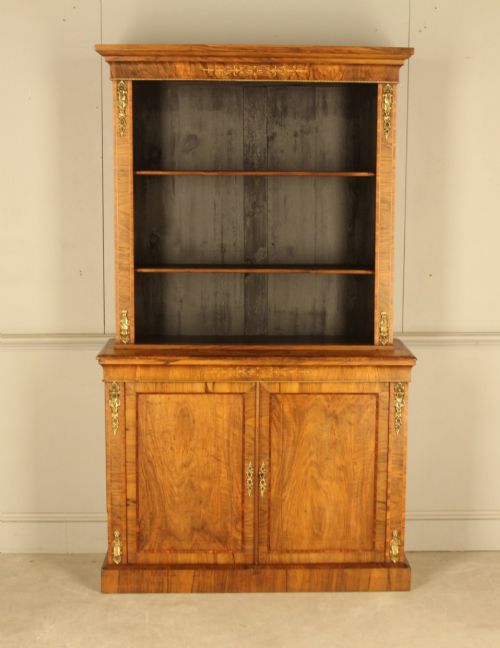
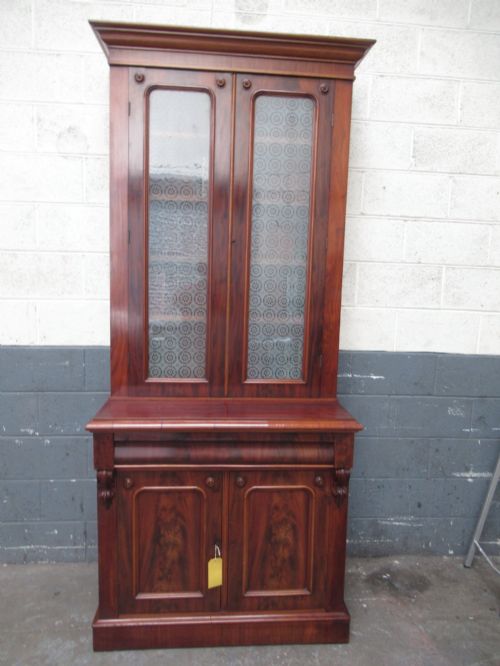
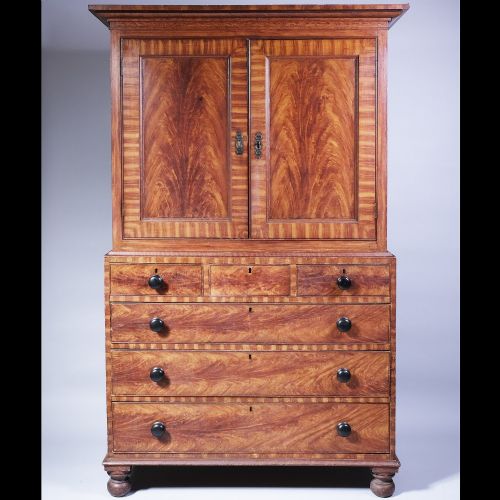
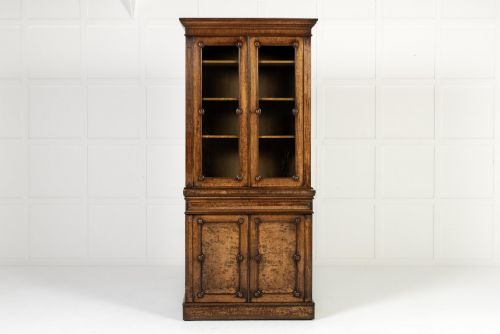
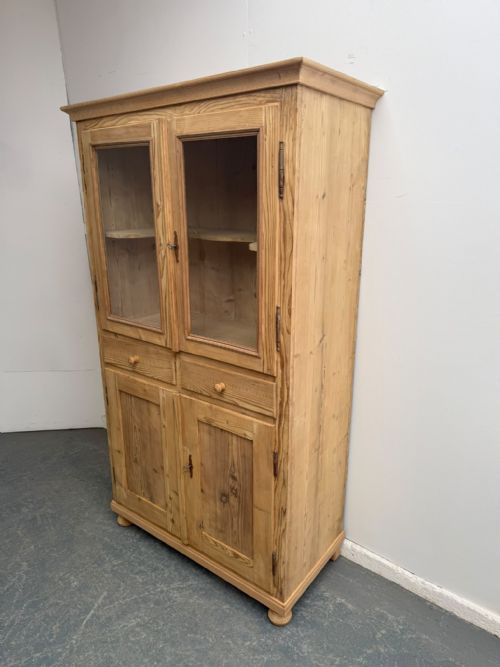
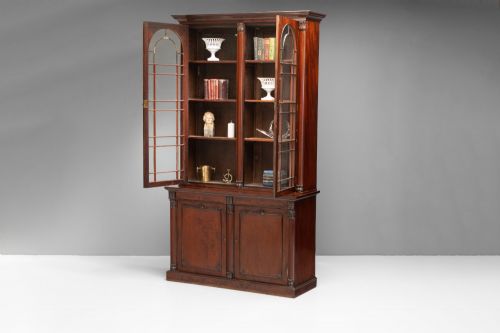
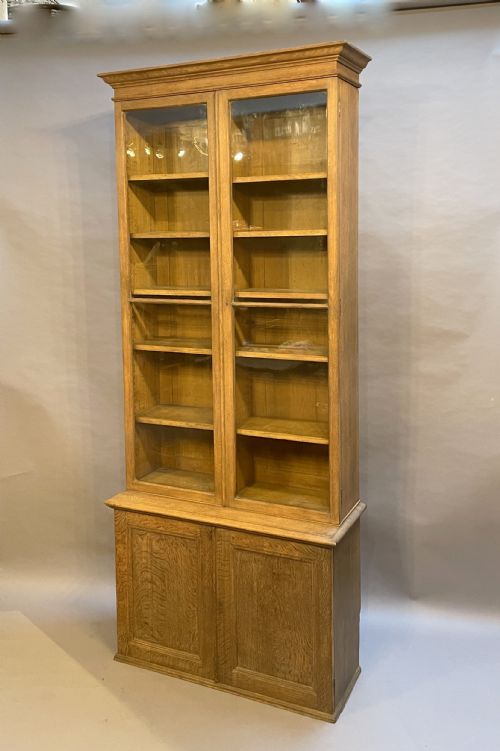
A victorian two tier cabinet spans diverse forms within the record, connecting glazed bookcases, sideboards, corner cabinets, and tiered occasional tables. These items typically present a primary lower storage compartment paired with an upper display section or shelf, reflecting the domestic needs of the nineteenth century.
The materials and styles seen alongside these pieces include mahogany, walnut, oak, and pine, moving through Victorian, Regency, and Arts and Crafts aesthetics. Buyers frequently encounter variations in timber selection and height, from tall bookcases to compact side tables and display stands.
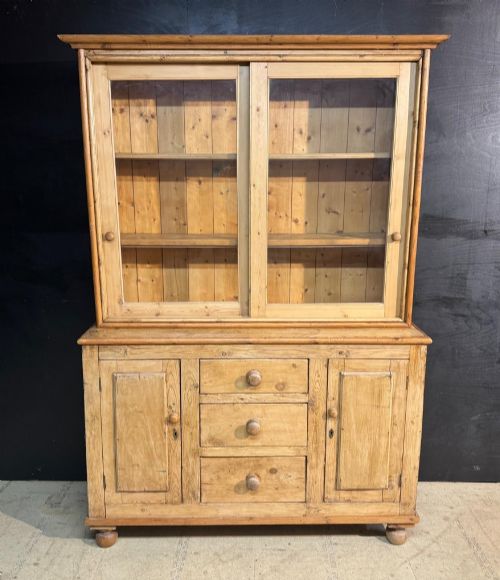
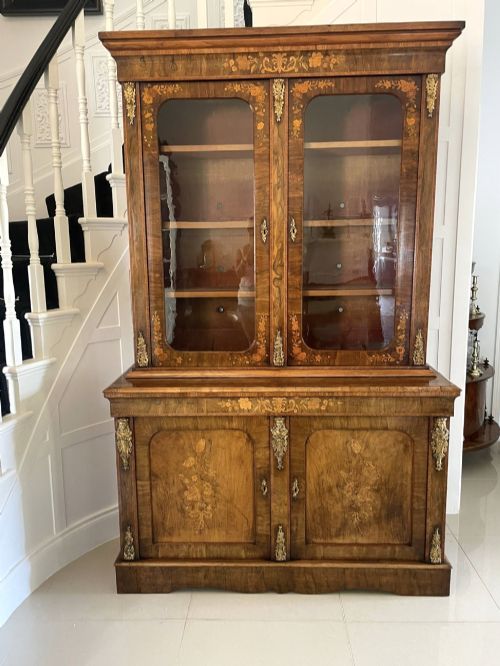
Originating predominantly from English and Scottish workshops, these cabinets showcase the varied cabinetry traditions of the period. The assortment ranges from robust country pine dressers to refined walnut pieces featuring marquetry and gilt mounts.
Materials and Construction
Makers utilised solid timbers such as mahogany, oak, walnut, and pine, frequently applying veneers like burr walnut and pollard oak to primary surfaces for visual depth. Glass panels appear in doors and upper tiers, supported by brass handles, hinges, and occasional ormolu mounts.
Construction techniques combine traditional joinery with decorative surface treatments, including scumble painting, marquetry inlay, and polished wax finishes. Structural elements rely on stable timber framing to support multiple tiers, shelving, and glazed compartments.
Tiger bamboo adds an exotic flourish to a late-nineteenth-century sewing table.
Qualities of Construction and Design
The standard of timber selection and grain figuring marks the distinction between standard utility items and finer parlour furniture. Richly patterned burr walnut, figured mahogany, and pollard oak elevate the visual weight of a piece.
Detailing in the mounts, inlay work, and glazing bars demonstrates the maker's skill. Fine brass hardware, precise marquetry, and original painted or polished surfaces indicate superior workshop execution.
Howard and Sons·Liberty and Co·Holland and Sons
The Victorian Two Tier Cabinet Glossary
- Chiffonier
- A low sideboard or cabinet featuring a raised shelf or tier on top, popular during the Victorian period. It typically provides enclosed cupboard storage beneath a display surface.
- Marquetry
- Decorative veneer work formed by fitting pieces of various coloured woods into a design. This technique adorns the surfaces of finer Victorian cabinets.
- Ormolu
- Gilt bronze mounts applied to furniture as decorative enrichment. They appear on select nineteenth-century walnut and mahogany pieces.
- Pollard Oak
- Oak timber taken from pollarded trees, exhibiting dense, clustered knot formations. It offers a highly textured and decorative grain pattern.
- Scumble Painting
- A decorative painting technique used to simulate the grain of more expensive hardwoods on plain timber bases. It is commonly found on period country furniture.
Victorian Two Tier Cabinet: Frequently Asked Questions
Where were these cabinets placed?
These pieces found their place in principal rooms like the dining room, drawing room, or hallway, serving both decorative and functional purposes. They held books, tableware, or personal collections while framing the domestic interior.
Smaller tiered tables and corner cabinets maximised space in tighter domestic settings, providing convenient surfaces for everyday objects and lighting.
What is the difference between a chiffonier and a bookcase?
A chiffonier typically combines a low enclosed cupboard base with an upper tier or shelf, designed for serving or general display. A bookcase focuses primarily on shelved storage for books, frequently enclosed by glazed or solid wooden doors.
While both share nineteenth-century origins, their internal configurations reflect distinct domestic storage needs.
How should I care for a polished wood surface?
Maintaining these surfaces involves regular dusting with a soft, dry cloth and avoiding direct exposure to strong sunlight or moisture. Periodic application of quality beeswax helps preserve the finish and nourish the underlying timber.
Harsh chemical cleaners and synthetic polishes should be avoided to protect original wax or polished coatings.