


English Delftware Ceramic
English delftware ceramic pieces are tin-glazed earthenware items offering collectors hand-painted historical charm and traditional craft.
English Delftware Ceramic
English delftware ceramic comprises plates, chargers, bowls, and apothecary jars dating primarily from the seventeenth and eighteenth centuries. These items reflect the domestic and decorative tastes of their eras through distinct forms and hand-applied pigments.
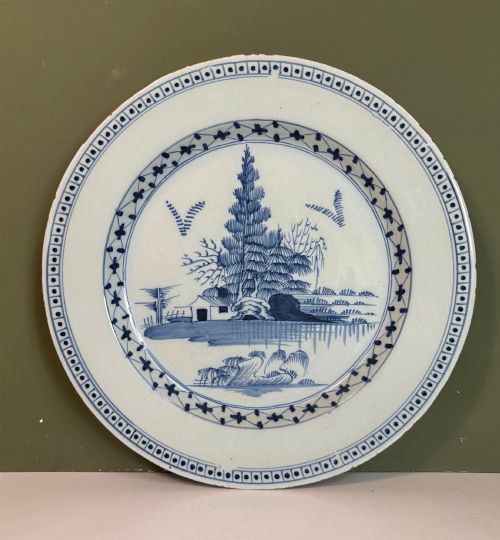
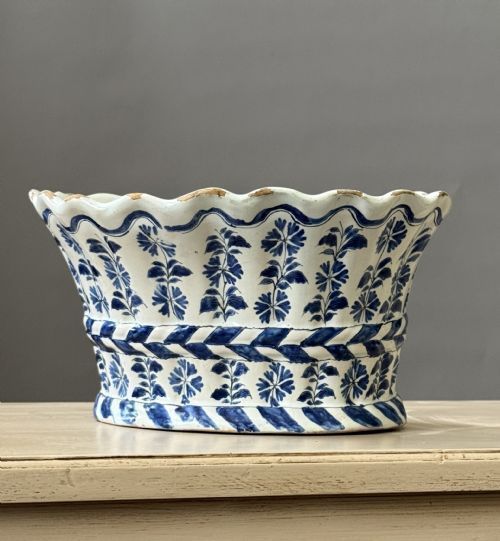
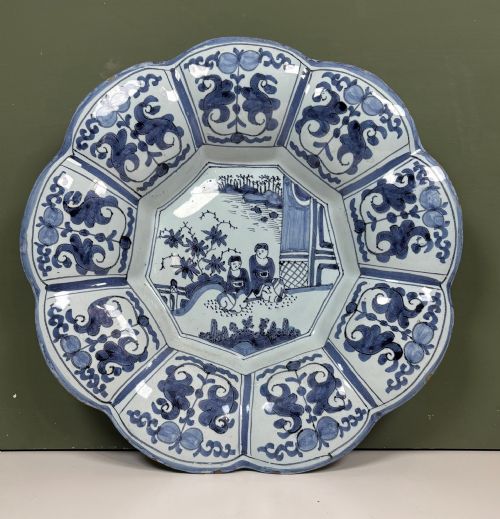
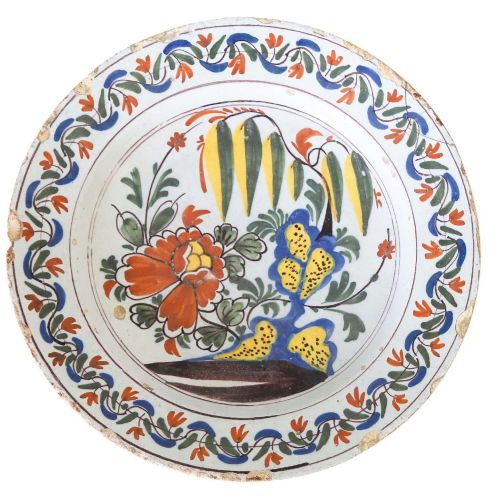
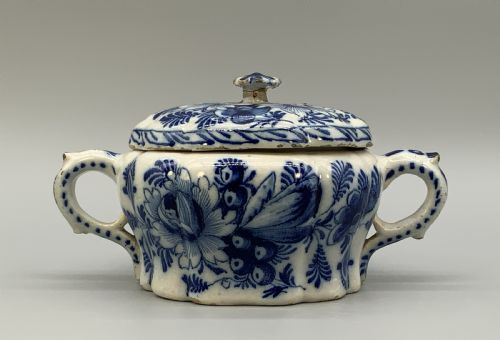
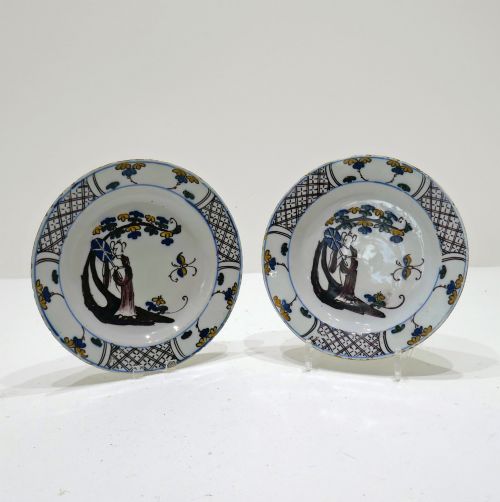
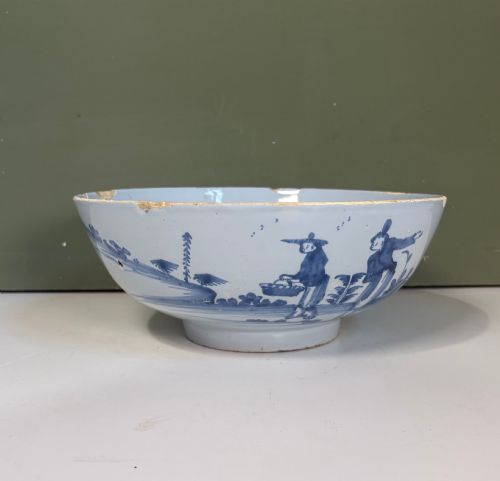
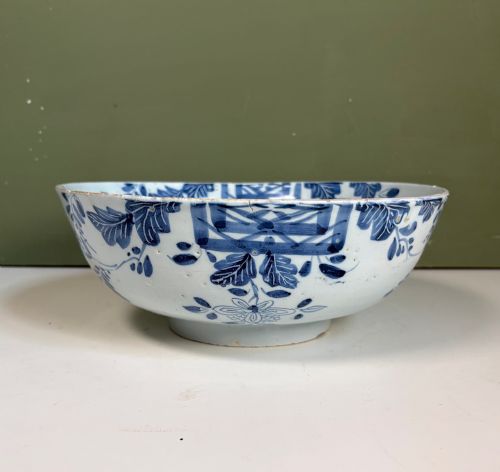
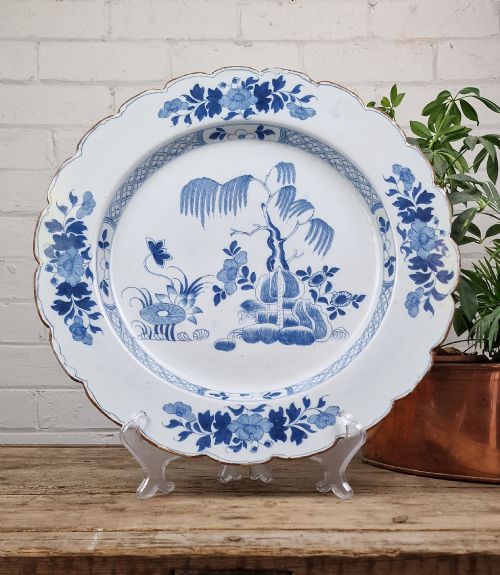
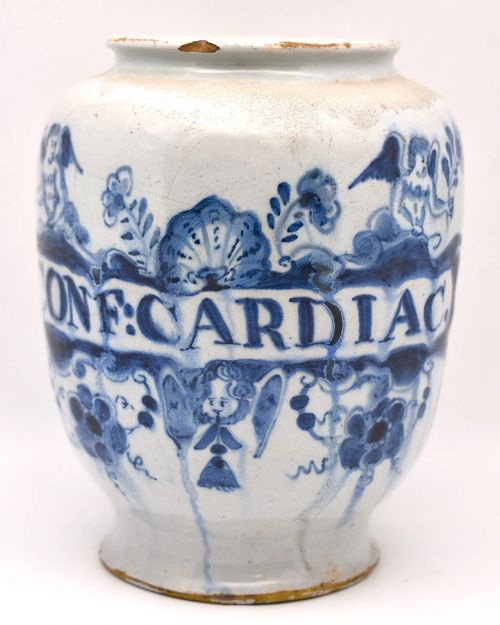
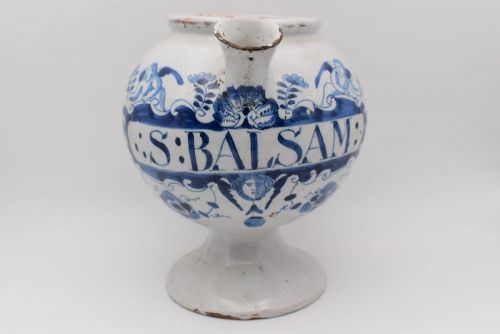
The version most commonly met on this page is the eighteenth-century charger or decorative plate, often painted in blue and white or polychrome palettes. Posset pots, drug jars, and bough pots also appear, demonstrating the diverse uses of tin-glazed earthenware in historic interiors.
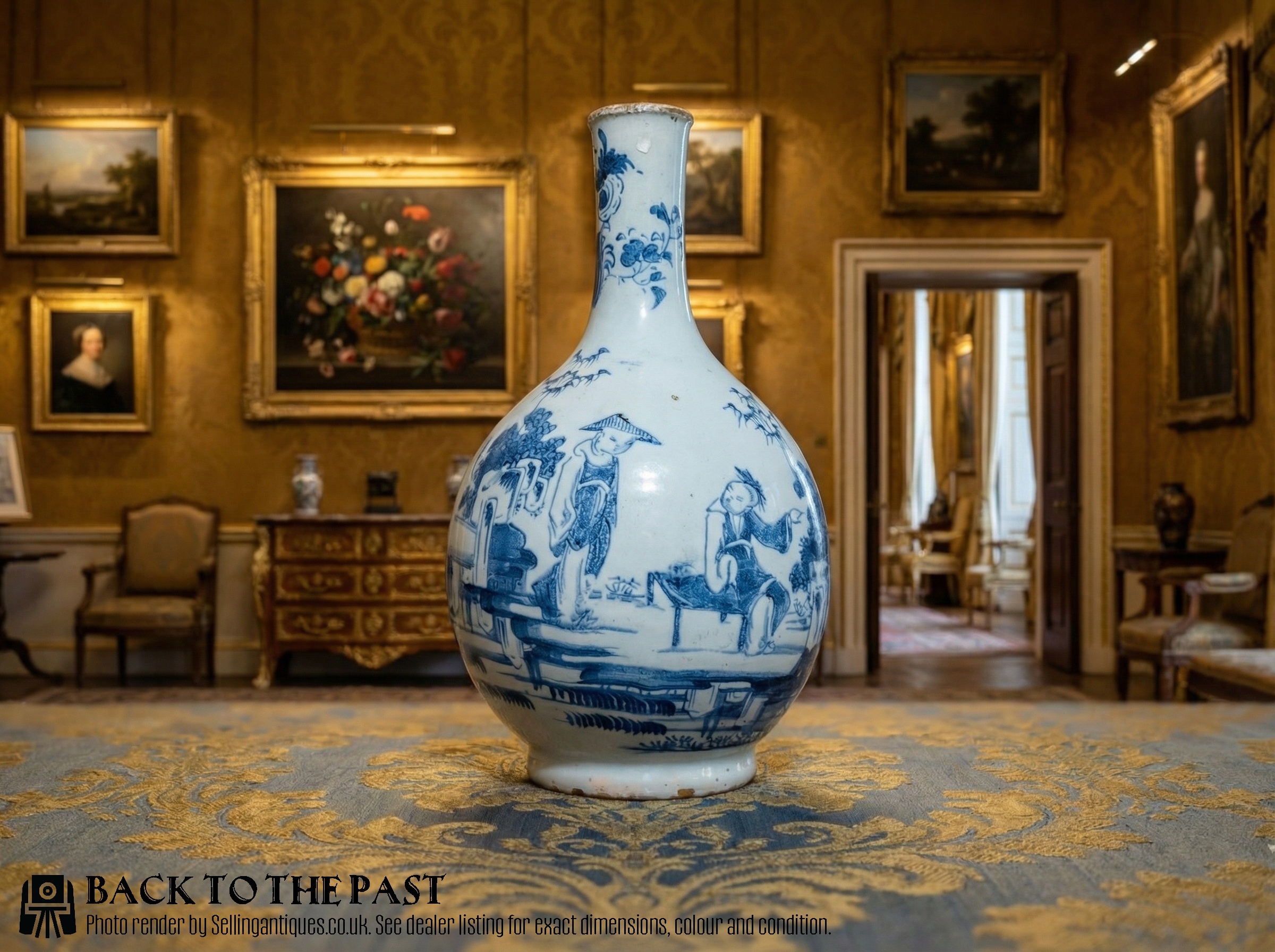
Originating from production centres such as Lambeth and Bristol, these objects carry the visual hallmarks of Georgian and seventeenth-century English manufacture. Collectors encounter both simple domestic wares and more ambitious ornamental pieces shaped by contemporary Chinoiserie and floral motifs.
Materials and Technique
Potters formed these items from earthenware clay, which was shaped into plates, bowls, and vessels before undergoing an initial kiln firing. This created a porous base body ready to receive the specialised surface treatments.
Workers coated the fired clay with a tin glaze containing opacifying agents to produce a smooth, white opaque background. Cobalt pigment and other metal oxides were then painted directly onto the raw glaze before a final firing fused the colours into the surface.
Listings feature earthenware bodies finished with tin glaze and painted in cobalt pigment or polychrome colours across the seventeenth and eighteenth centuries.
Judgement of Quality
Quality rests upon the clarity of the tin glaze and the control shown in the hand-painted brushwork. Finer examples display crisp cobalt or polychrome decoration with secure application, whereas lesser pieces show muddied pigments or uneven glazing.
The artistic ambition of the form also dictates standing, with standard domestic plates differing substantially from apothecary drug jars or elaborate posset pots. The preservation of the glaze and the crispness of the moulded shape further distinguish exceptional survivals.
Lambeth Pottery·Bristol
The English Delftware Ceramic Glossary
- Tin glaze
- An opaque white glaze produced by adding tin oxide to a lead glaze base. This technique provides the signature background for painted decoration on earthenware.
- Charger
- A large decorative plate intended for display on a wall or dresser rather than for practical dining use. These items frequently showcase complex hand-painted motifs.
- Polychrome
- A style of decoration utilising multiple colours rather than a single pigment like blue. These palettes often incorporate warm tones alongside blues and greens.
- Posset pot
- A two-handled vessel used historically for serving a spiced milk and wine drink. Surviving examples often feature lids and applied handles.
- Drug jar
- An apothecary vessel designed to hold medical ointments or dry remedies. These jars typically bear painted labels or inscriptions denoting their original contents.
English Delftware Ceramic: Frequently Asked Questions
What is English delftware ceramic?
English delftware ceramic refers to tin-glazed earthenware produced in England during the seventeenth and eighteenth centuries. These pieces were shaped from local clays and decorated with hand-painted mineral pigments.
Potters applied an opaque white glaze to the surface before painting floral, figural, or geometric designs directly onto the unfired glaze. This process yielded distinctive tableware and apothecary vessels.
How were these pieces used?
Many items served practical domestic functions, including dining plates, bowls, and storage jars for apothecaries. Larger chargers were primarily intended for display on sideboards and walls.
Specialist vessels like posset pots played roles in social drinking customs and domestic celebrations. Their decorated surfaces allowed households to display modest gentility.
How do I care for delftware?
These ceramic items require gentle handling due to the fragile nature of historic earthenware and tin glazes. Dusting with a dry, soft cloth is generally sufficient for routine maintenance.
Display environments should avoid excessive moisture and direct sunlight to protect the glaze and pigments. Avoid using modern cleaning agents or immersing historic pieces in water.
How can I date these items?
Dating relies upon stylistic markers, form evolution, and the characteristics of the tin glaze and pigment. Seventeenth-century pieces often display heavier bodies and distinct blue tones compared to later Georgian wares.
Inscribed dates, specific apothecary labels, and recorded regional production centres also provide reliable chronological indicators. Comparing glaze textures helps distinguish different periods of manufacture.