


English Cranberry Glass
English cranberry glass brings a rich pink-red hue to tableware and lighting, prized for its warmth and deep Victorian character.
English Cranberry Glass
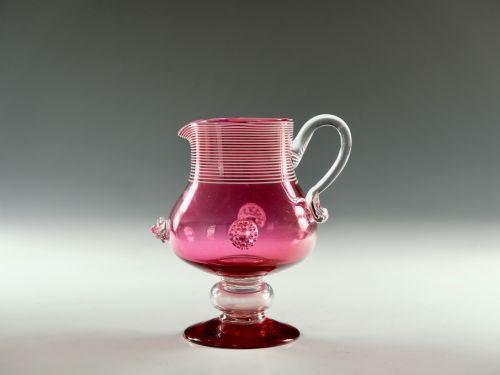
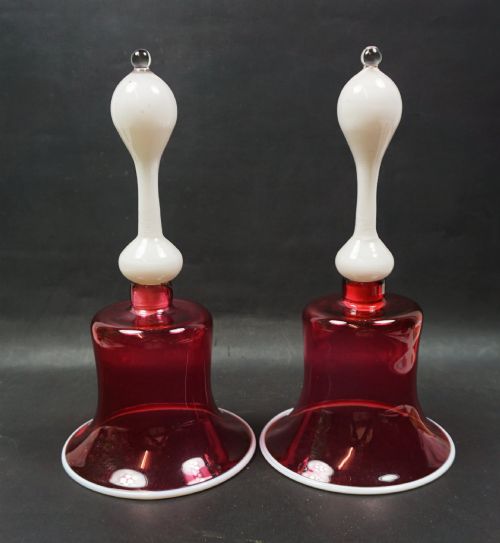
English cranberry glass comprises decorative and functional pieces produced across the nineteenth and early twentieth centuries, spanning the Victorian and Edwardian eras. The phrase covers a diverse selection of domestic objects, ranging from oil lamps and decanters to small table accessories.
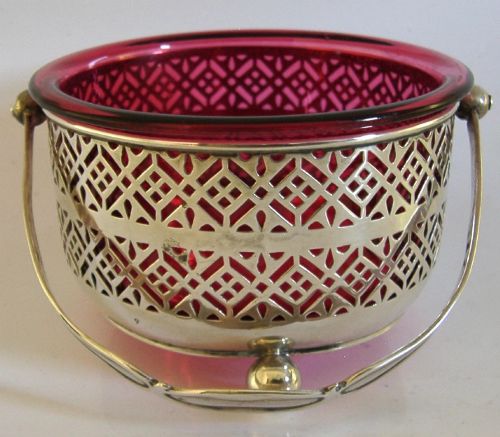
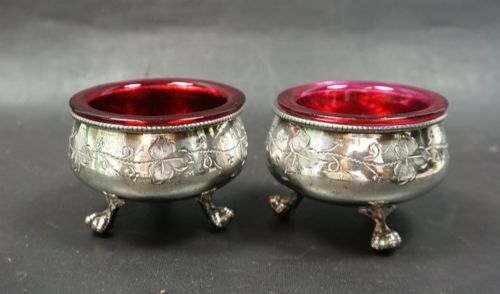
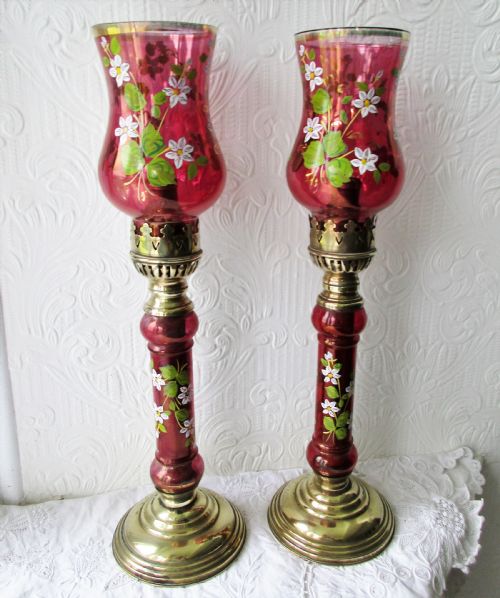
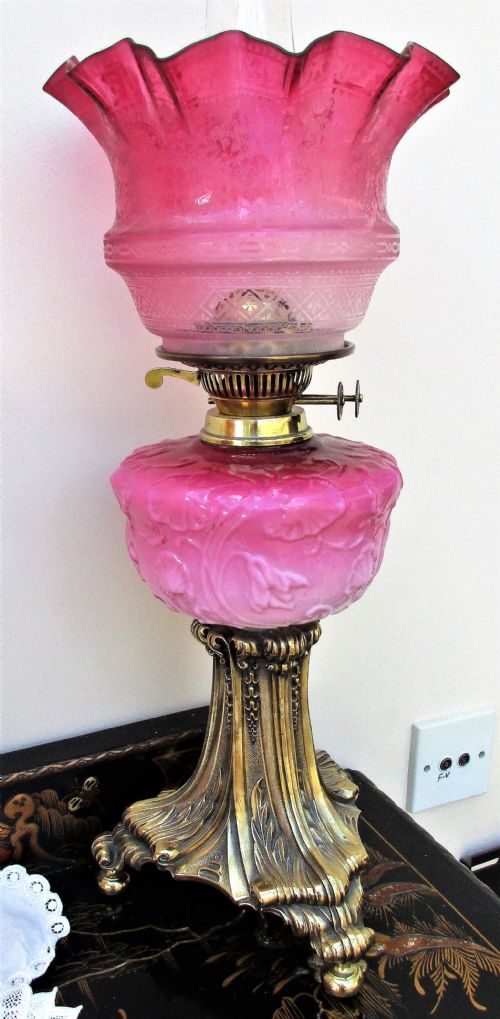
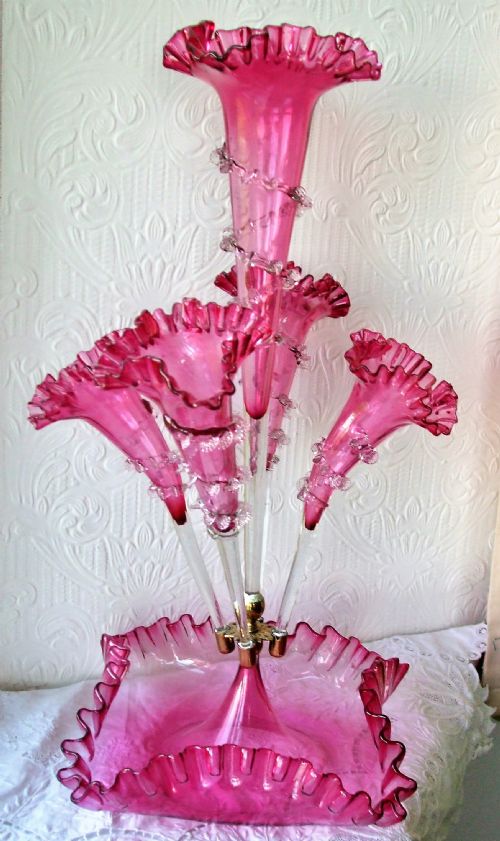
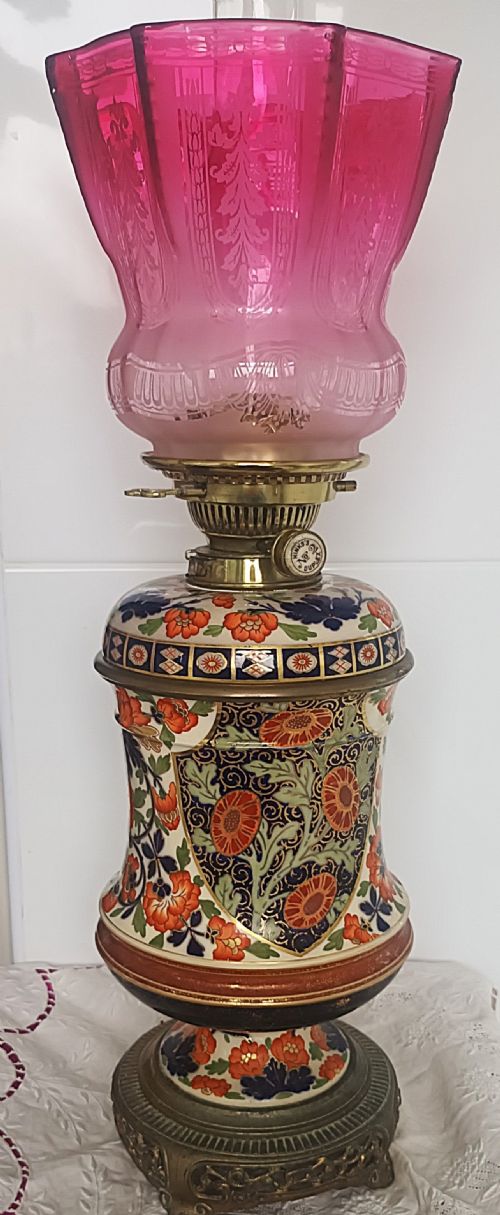
The objects most frequently met on this page include oil lamps, table glass, and decorative items such as epergnes and baskets. Many pieces combine the coloured glass with brass, sterling silver, or silver plate mounts.
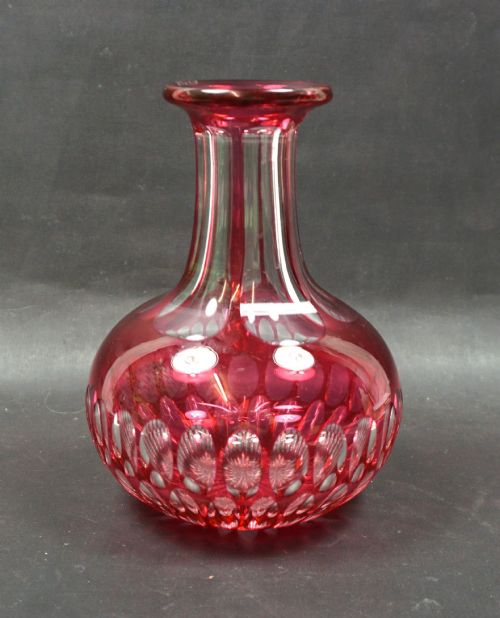
Vessels often appear alongside clear glass or crystal in layered overlay forms, creating visual depth through contrast. Simpler utility items sit beside ornate tablewares designed for formal dining.
How they were made
The distinctive colour arises from the addition of gold chloride to the molten glass mixture during production. Artisans blew or pressed the glass into various forms, sometimes combining layers of cranberry glass over clear crystal.
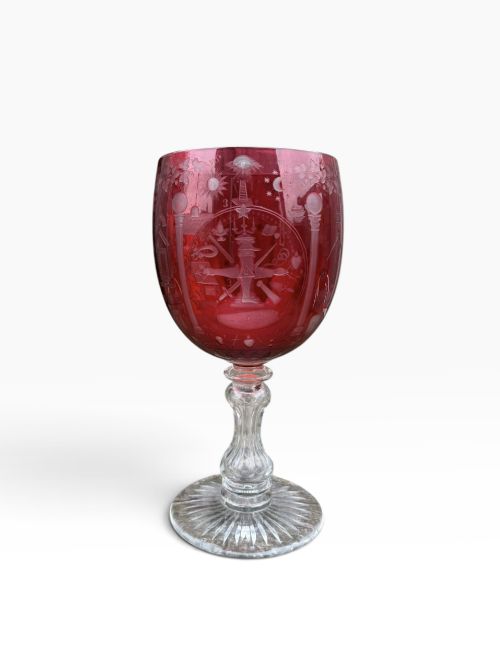
Many surface treatments involve wheel engraving or cutting to reveal the clear glass beneath the coloured exterior layer. Metal elements such as sterling silver swing handles or brass bases were subsequently added to complete the assembled objects.
English Cranberry Glass Retail Price Guide 2026
Typical asking prices for english cranberry glass among the pieces listed under this phrase on Sellingantiques today, from the lower quarter to the upper quarter. They describe what is for sale here now, not the wider market.
Recorded forms include oil lamps, champagne coupes, epergnes, and rolling pins alongside standard tableware.
What varies in quality
The depth and consistency of the red tone distinguish the glass, along with the precision of any wheel-engraved motifs such as vines or birds. Finely executed engraving adds complexity to layered overlay vessels.
The quality of associated metal mounts, including hallmarked sterling silver frames or cast brass fittings, elevates the overall standard of the piece. Craftsmanship in assembly and finishing marks the distinction between standard utility wares and refined display items.
Thomas Webb and Sons·Hinks·Taylor Tunnicliff·Deykin and Harrison
The English Cranberry Glass Glossary
- Cranberry Glass
- A transparent red-pink glass coloured with gold oxide. It forms the primary material for Victorian tableware and decorative items.
- Overlay
- A technique involving a layer of coloured glass cased over a core of clear crystal. Cutting through the top layer reveals the contrasting glass beneath.
- Epergne
- A large table centrepiece featuring multiple arms and hanging baskets or flutes. These arrangements frequently incorporate coloured glass trumpets.
- Match Strike
- A small desktop container with a textured striking surface for matches. They often combine glass bodies with silver rims.
- Decanter
- A glass vessel used for holding and serving wine or spirits. Versions in this category often feature engraved botanical motifs.
English Cranberry Glass: Frequently Asked Questions
How do I clean cranberry glass safely?
Wash the glass gently in warm soapy water using a soft cloth, avoiding abrasive pads that might scratch the surface.
Dry the pieces promptly with a lint-free towel to prevent water spots, particularly where metal mounts meet the glass.
Are these pieces dishwasher safe?
Historic glass and delicate silver-plated mounts require hand washing to preserve their materials and structural integrity.
Harsh detergents and high temperatures can damage older glass formulas and degrade fitted metal components.
How do I date an oil lamp?
Examine the burner mechanism and ceramic or metal components for maker stamps or patent marks recorded in the listings.
Stylistic indicators such as column forms and collar designs help place production within the nineteenth century.
What is overlay glass?
Overlay glass consists of a clear crystal body encased in a thin layer of coloured glass during the blowing process.
Artisans then cut away portions of the outer layer to expose the clear material underneath.