

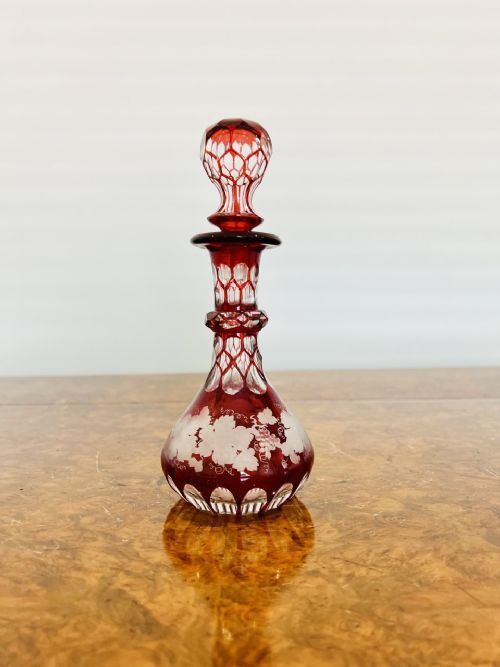


Ruby Glass Flask
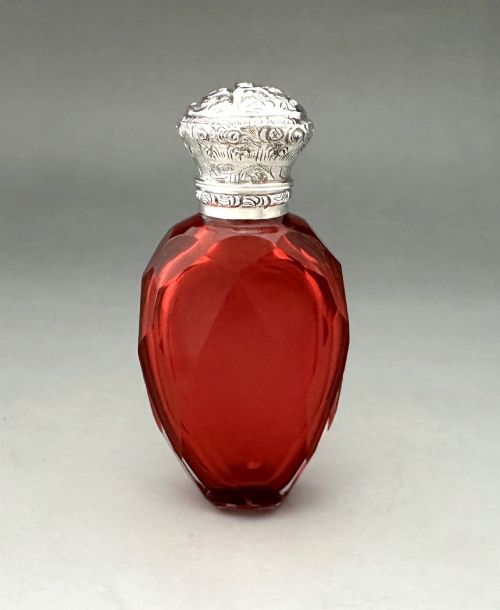
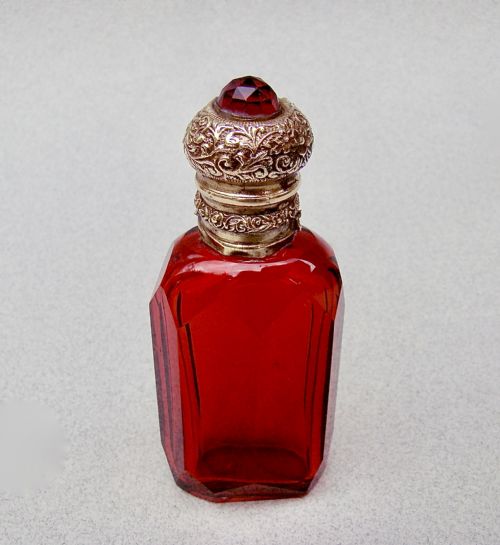
A ruby glass flask brings deep crimson warmth and bright metal mounts to a dressing table or pocket, offering both utility and vibrant colour.
Ruby Glass Flask
The selection on this page centres heavily on scent and perfume bottles alongside larger serving bottles, spanning dates from the mid-nineteenth century up to the early twentieth century. These vessels combine rich red glass with contrasting materials, uniting practical utility with ornamental display.
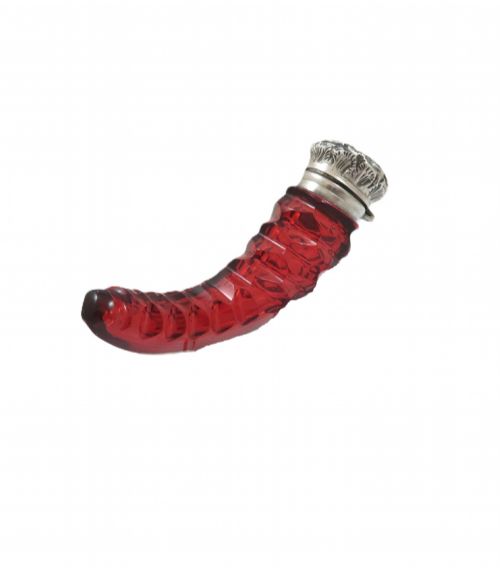
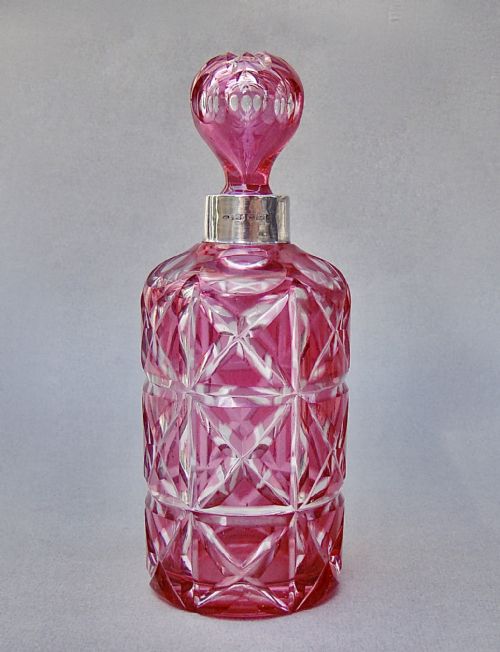
Most examples date from the nineteenth century, including French nineteenth-century items and Victorian pieces, supplemented by Edwardian productions. The forms vary from standard scent bottles to novelty shapes like owls and penny bottles, alongside Bohemian overlay glass.
How they were made
Makers shaped the body using blown glass techniques, producing vibrant ruby and cranberry tones through specialised mineral colourants added to the molten batch. Clear glass also appears alongside these red hues, sometimes layered in double-overlay configurations that allowed artisans to cut through the outer colour to reveal the contrasting glass beneath.
Metal mounts in sterling silver, silver, ormolu, and gilt metal were then fitted to the necks and caps, providing secure closures and decorative contrast. Engraved silver overlays, hinged silver caps, and ornate ormolu frames required precise metalworking to fit the contours of the blown glass bodies.
Listings feature pieces spanning the Victorian and Edwardian eras, incorporating materials like cranberry glass, ormolu, and sterling silver.
What varies in quality
Quality rests on the depth and evenness of the glass colour, the intricacy of any overlay cutting, and the substance of the metal mounts. Thickly cast ormolu and heavy sterling silver mounts elevate a piece above standard plated alternatives.
The integration between the glass body and its metal collar dictates the overall finish, where tight seals and matching hallmarks denote careful workshop production. Intricate cutting on overlay vessels or finely chased silver detail separates standard utility items from decorative showpieces.
Harold Bushell and Co
The Ruby Glass Flask Glossary
- Ruby glass
- A deep red glass created by adding gold or other agents to the molten batch. It forms the primary body colour for these flasks.
- Cranberry glass
- A transparent pinkish-red glass widely utilised during the Victorian era for decorative tableware and scent bottles. The shade tends to be lighter and brighter than traditional ruby glass.
- Ormolu
- Gilt bronze or brass used for decorative mounts and frames. It brings a bright golden contrast to the deep red glass.
- Overlay glass
- A technique where a layer of coloured glass is cased over a clear or contrasting inner layer. Artisans then cut away portions of the outer layer to expose the glass underneath.
- Sterling silver
- A silver alloy containing a high proportion of pure silver, commonly stamped with hallmarks on the mounts of these bottles. It provides durable and bright closures for perfume vessels.
Ruby Glass Flask: Frequently Asked Questions
What is a ruby glass flask?
A ruby glass flask is a small container made from red glass, typically fitted with a metal cap or mount for holding perfume or spirits. These pieces date largely from the Victorian and Edwardian eras and were designed for personal carriage or display.
They combine rich colour with metalwork such as sterling silver or ormolu. Collectors prize them for their decorative presence on dressing tables.
How do I date a ruby glass flask?
Dating relies on the style of the glass, the form of the bottle, and any hallmarks stamped on the silver mounts. Victorian examples often feature heavy cut glass or overlay work, while Edwardian pieces display distinct early twentieth-century silver styling.
Examining the construction of the neck mount and the hinge of the cap also reveals manufacturing techniques specific to certain decades. Comparing the piece against documented nineteenth and twentieth-century examples helps confirm its period.
What is the difference between ruby and cranberry glass?
Ruby glass generally exhibits a deeper, more saturated crimson tone, whereas cranberry glass tends to show a brighter, pinker red hue. Both materials were created by adding specific mineral compounds to the molten glass during production.
Victorian makers utilised both terms interchangeably in some contexts, but collectors often distinguish them by the exact depth of the colour. Overlay versions of both types exist across the selection.
How were these flasks used?
These flasks served to carry personal fragrances or small quantities of spirits while travelling or attending social events. Scent bottles allowed individuals to keep pleasant aromas close at hand during the nineteenth century.
Larger serving bottles functioned on dining sideboards or within domestic settings for pouring drinks. Their combination of glass and metal made them both functional and ornamental.
How do I clean an antique scent bottle?
Cleaning requires gentle warm water and a soft cloth, avoiding harsh chemical immersion that might damage silver mounts or gilt surfaces. Interior residue can sometimes be rinsed out carefully if the opening allows, but historic patina on the metal should be preserved.
Care must be taken around hinged caps and delicate glass overlay work to prevent accidental chips or loosening of the mounts. Regular dusting keeps the ruby glass surface bright.