



English Country Sporting Art
English country sporting art captures the energy of the field, the stable and the kennel through centuries of tradition.
English Country Sporting Art
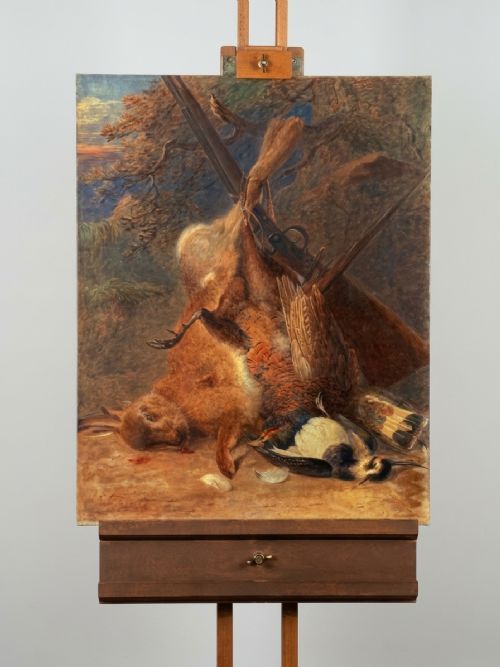
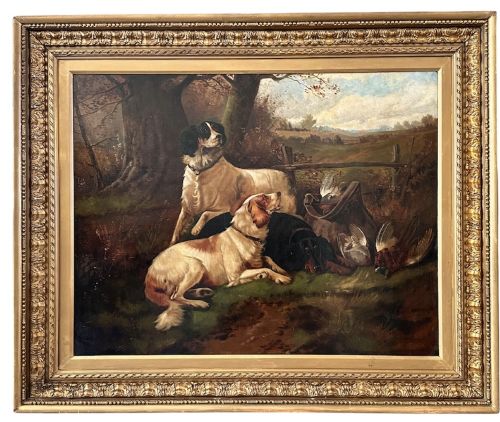
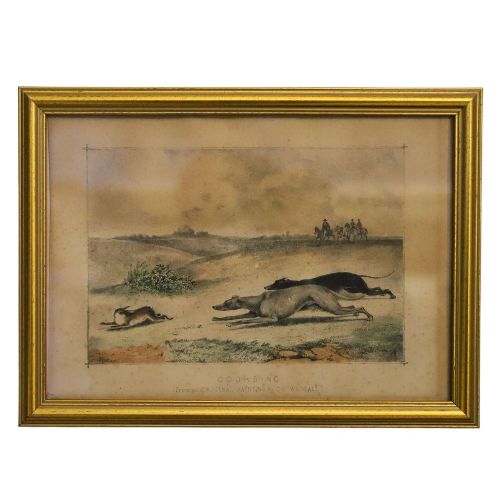
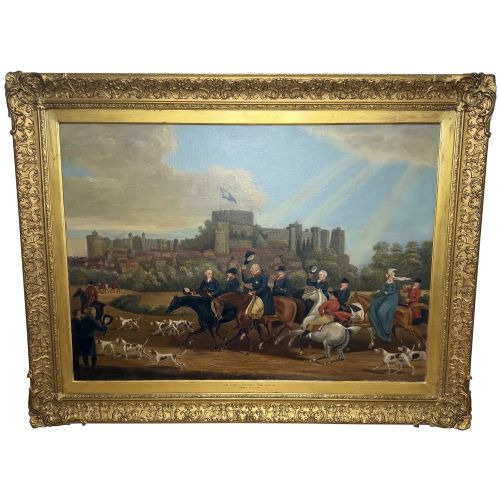
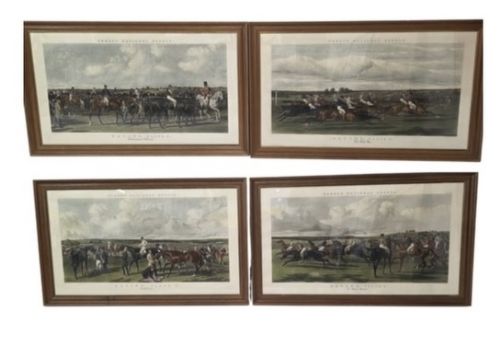
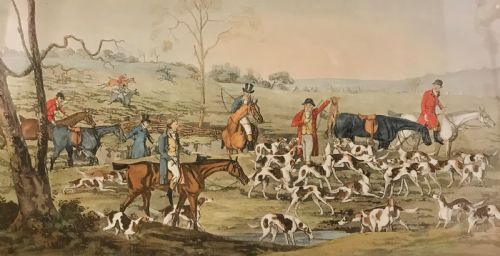
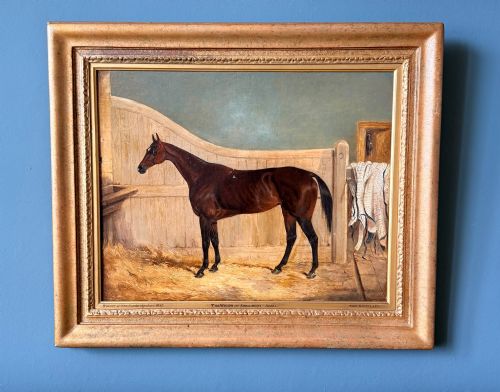
English country sporting art encompasses oil paintings, watercolours and prints depicting hounds, horses, field sports and rural landscapes. These works record the pursuits of country life, from fox hunting and horse racing to game shooting and coursing.
The pieces appearing most frequently on this page date from the nineteenth century and the Victorian era, reflecting a period of intense artistic output dedicated to rural pastimes. Collectors encounter everything from large canvases of hunting scenes to intimate watercolours of gun dogs.
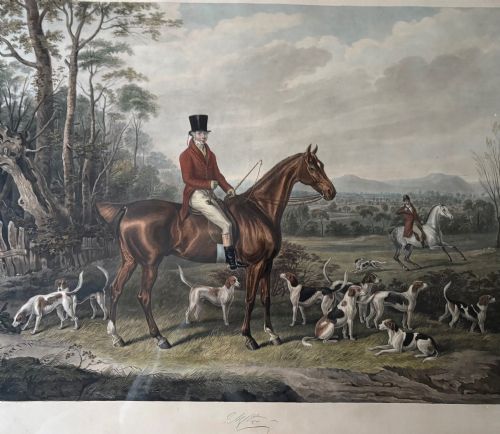
The subjects range from named prizewinning racehorses and working terriers to sweeping depictions of hunts in full cry across open moorland. Alongside original paintings, buyers find period lithographs, engravings and hand-coloured prints documenting the British countryside.
How they were made
Artists utilised oil paint on canvas or board to build rich textures in animal coats and sweeping outdoor landscapes. Watercolours and bodycolour on paper offered a lighter medium, often captured directly in the field.
Printmakers employed lithography, etching and aquatint to reproduce popular sporting scenes for wider circulation. Hand-colouring was frequently applied to engravings to bring vibrancy to coaching journeys and fox hunting plates.
Many works retain their period framing, utilising wood and giltwood moulded surrounds that complement the traditional subjects.
English Country Sporting Art Retail Price Guide 2026
Typical asking prices for english country sporting art among the pieces listed under this phrase on Sellingantiques today, from the lower quarter to the upper quarter. They describe what is for sale here now, not the wider market.
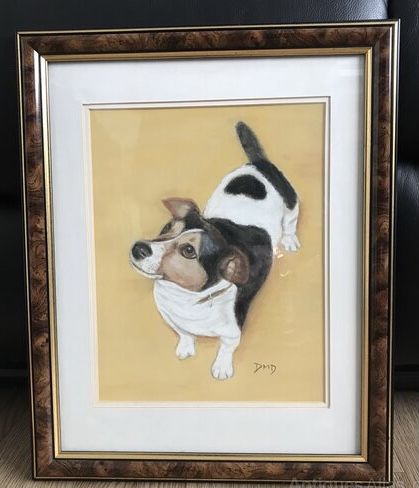
Several dogs portrayed in these works stare out with more personality than the country gentlemen standing beside them.
What varies in quality
Quality rests heavily on the artist's command of animal anatomy and the specific character of the subject. The finest paintings display a deep understanding of equine or canine conformation, capturing muscle tension and posture accurately.
Compositional balance distinguishes superior works from standard decorative pieces. Master painters integrate the animal, handler and landscape into a cohesive narrative rather than placing a static figure against a generic background.
The preservation of the paint surface or paper condition also dictates value. Intact brushwork without heavy overpainting and clear signatures from recognised sporting painters elevate a work significantly.
George Sydney Shepherd·Thomas Walker Bretland·Samuel Spode·Henri Schouten·John Frederick Herring Jnr
The English Country Sporting Art Glossary
- Lithography
- A planographic printing process using a flat stone or metal plate to produce multiple impressions of an original drawing. This technique allowed publishers to distribute popular hunting prints widely.
- Bodycolour
- Watercolour mixed with white pigment to create an opaque paint. Artists utilised this method to add highlights and solid areas of colour to works on paper.
- Aquatint
- A printmaking technique that produces tonal areas resembling watercolour washes. It was frequently used for sporting prints to render skies and landscape backgrounds.
- Body
- The physical frame and structure of a horse or dog as rendered by the artist. Correct representation of this anatomy is vital in sporting art.
- Full cry
- The moment in a fox hunt when the entire pack of hounds is actively baying and pursuing the scent. It is a favoured subject for dynamic hunting paintings.
English Country Sporting Art: Frequently Asked Questions
What subjects are typical in English country sporting art?
The genre focuses predominantly on horses, dogs, hunting expeditions, and rural racing scenes. Artists recorded prized livestock, working gun dogs, and the pageantry of the hunt.
Scenes range from solitary portraits of famous racehorses to bustling panoramic views of hounds sweeping across the countryside.
How do I date a sporting painting?
Dating relies on costume details of the human figures, the style of the frame, and the artist's active working period. Victorian works often feature distinct clothing styles and heavier giltwood framing.
Signatures, inscriptions on the reverse, and recorded exhibition histories also help establish an accurate timeline.
Were these artworks created as illustrations or fine art?
Both traditions exist strongly within the field, encompassing unique oil paintings commissioned by landowners alongside mass-produced prints. Master painters exhibited large canvases at major institutions, while engravers published prints for wider domestic consumption.
Many framed prints were coloured by hand to decorate country houses and sporting lodges.
How should I care for antique watercolours and oils?
Oil paintings on canvas require stable humidity and protection from direct sunlight to prevent cracking in the paint layer. Works on paper demand acid-free mounting and UV-filtering glass to avoid fading.
Keeping them away from heat sources preserves both the canvas integrity and the original framing.