

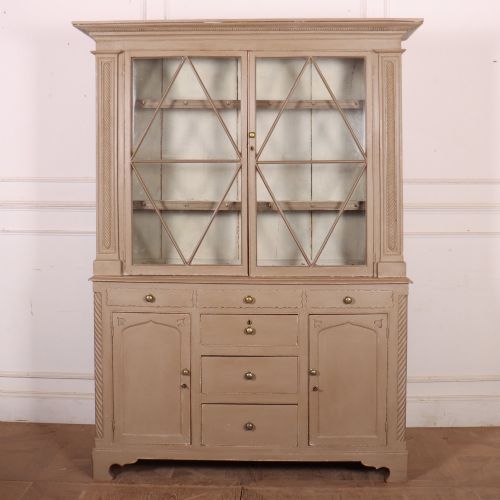

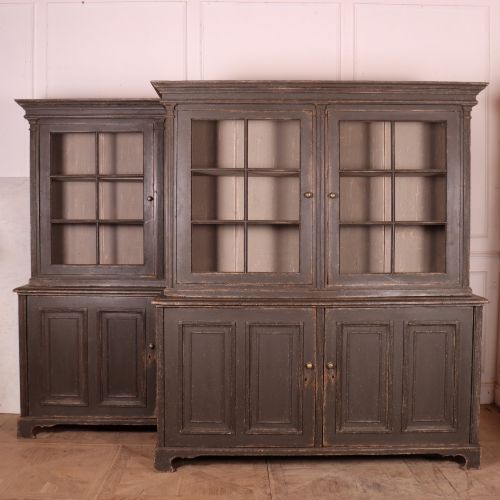
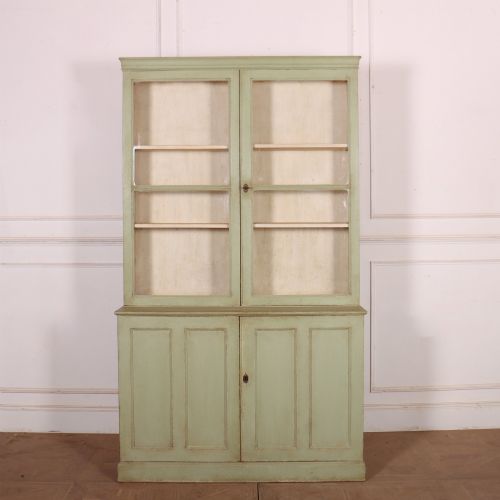
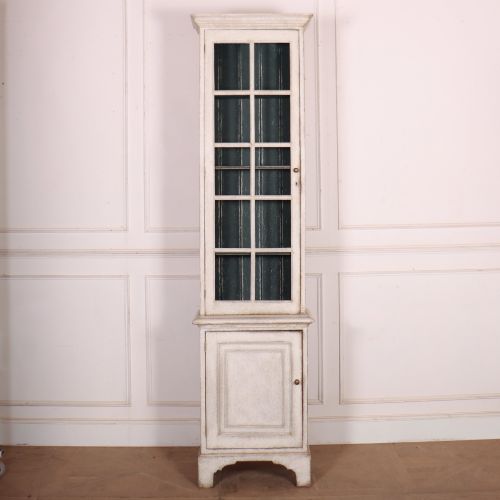

English Country Cabinet
An English country cabinet brings honest utility and enduring regional character into a room.
English Country Cabinet
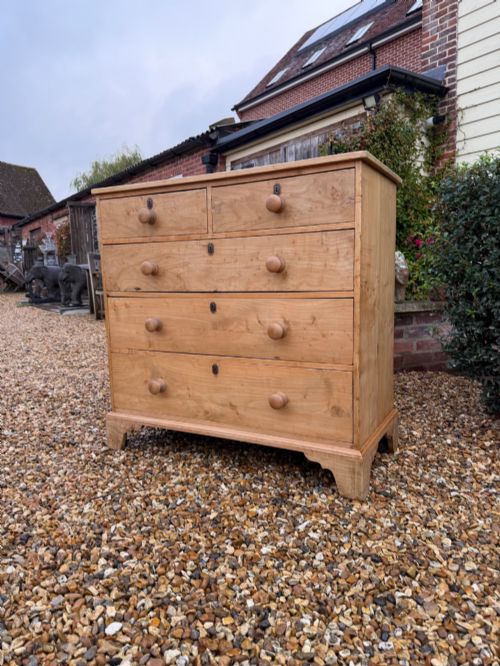
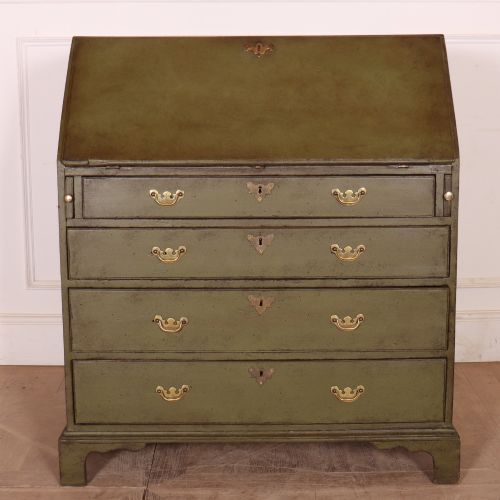
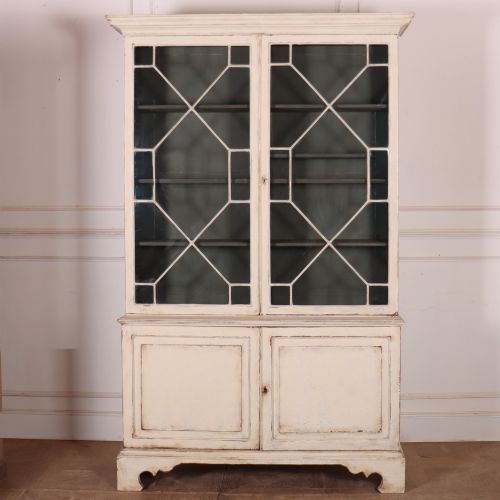
An English country cabinet spans practical domestic forms including dressers, bookcases, food cupboards, and chests of drawers from the seventeenth century onwards. These pieces served hardworking households across rural counties before finding a place in modern interiors.
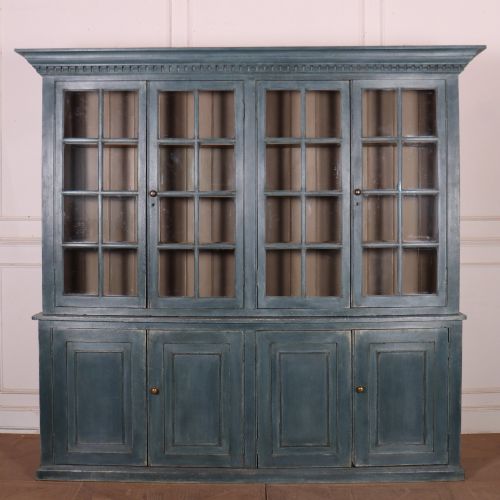
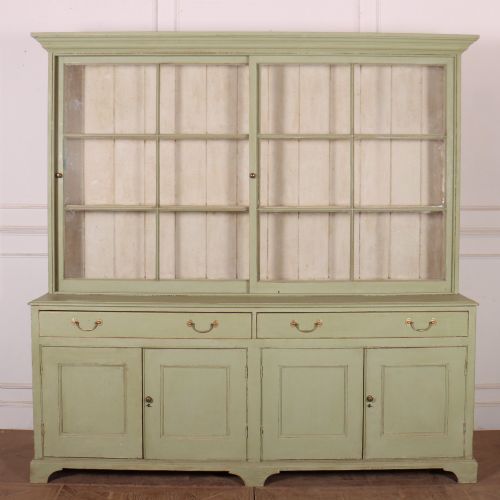
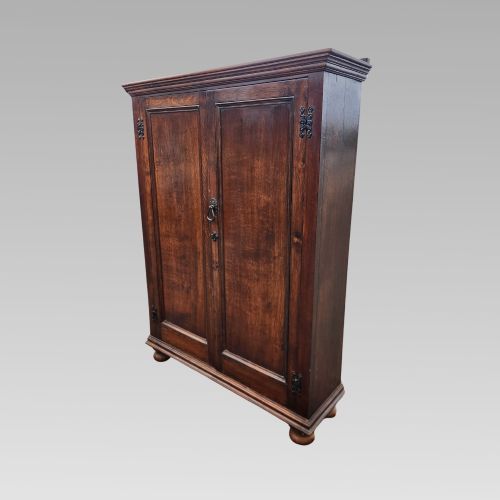
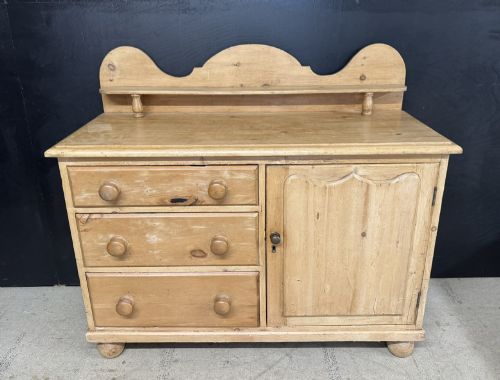
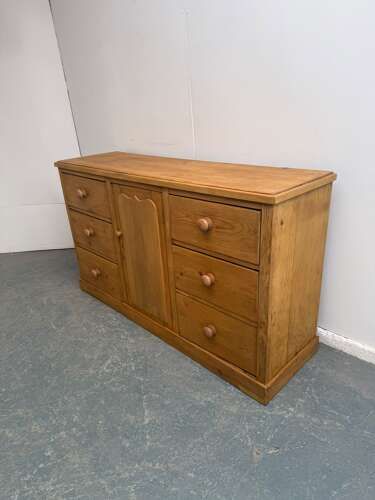
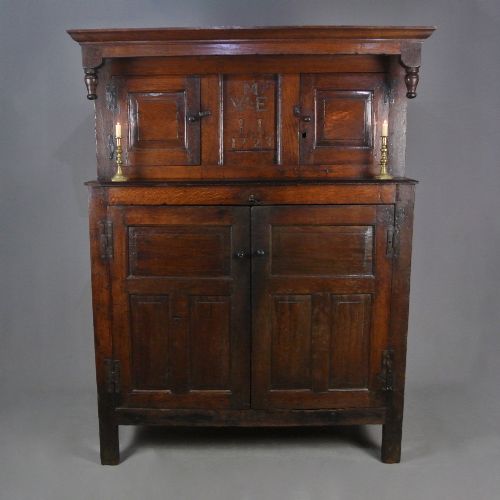
The pine dresser base and the oak court cupboard dominate current examples, often retaining original paint, waxed surfaces, or regional timbers like elm and yew. Buyers will frequently encounter two-part glazed bookcases and hanging corner cupboards alongside these utilitarian staples.
Regional variations appear in West Country dressers and Georgian housekeeping pieces, demonstrating local cabinet-making traditions rather than metropolitan workshop polish. Such items prioritise functional storage through generous proportions and straightforward compartment layouts.
Materials and construction
Pine, oak, and elm form the structural core of these provincial items, frequently joined with brass hardware and glass panes for display sections. Timber selection depended on local availability, resulting in sturdy carcass construction designed for daily domestic service.
Surface treatments range from waxed natural grain to original paint finishes, simulated wood graining, and later green overpainting. Crossbanding and inlaid mahogany details occasionally mark more refined Georgian iterations from the late eighteenth century.
English Country Cabinet Retail Price Guide 2026
Typical asking prices for english country cabinet among the pieces listed under this phrase on Sellingantiques today, from the lower quarter to the upper quarter. They describe what is for sale here now, not the wider market.
Napkin drawers tucked into nineteenth-century country houses prove that even household linens once demanded dedicated, secretive compartments.
Assessing craftsmanship and survival
The retention of original surfaces, such as early paint layers or traditional wax finishes, distinguishes pieces that retain their historical integrity from those altered by aggressive stripping or modern restoration. Proportion and timber selection also play a decisive role, as denser figured elms and well-figured burr walnut command greater respect.
Structural honesty and the preservation of original brass handles or glass panes elevate certain examples above standard utility furniture. Pieces maintaining their native regional quirks demonstrate the unhurried hand of provincial makers working without strict metropolitan constraints.
The English Country Cabinet Glossary
- Court cupboard
- A heavy, formal storage piece featuring recessed upper tiers, often associated with seventeenth-century oak tradition. These items provided secure storage for household valuables and linen.
- Crossbanding
- A decorative border technique where veneer strips run perpendicular to the main grain direction. This method frames drawer fronts and cabinet doors on refined Georgian pieces.
- Dressers base
- The lower section of a kitchen dresser, typically containing rows of drawers above cupboards. They served as primary food preparation and storage surfaces in country kitchens.
- Secretaire
- A cabinet or chest incorporating a pull-down writing drawer fitted with small compartments and pigeonholes. It combines desk functionality with standard drawer storage.
- Chiffonier
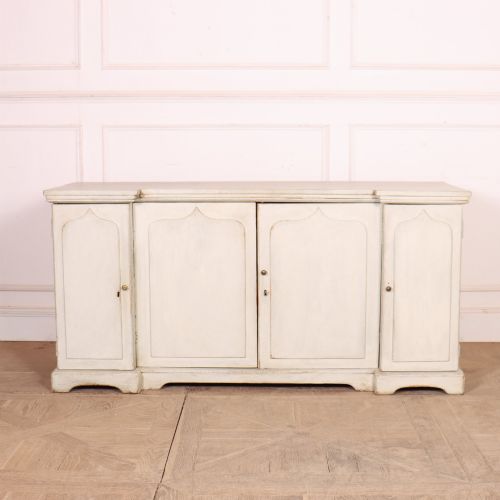
- A compact sideboard or cabinet developed during the nineteenth century for smaller reception rooms. They generally feature enclosed lower cupboards with small drawers above.
English Country Cabinet: Frequently Asked Questions
What is an English country cabinet?
An English country cabinet is a functional piece of furniture made for provincial domestic life, encompassing dressers, cupboards, and chests. These items utilise local timbers like pine, oak, and elm.
They reflect the practical storage needs of historical households, moving away from metropolitan court styles towards sturdy, honest utility.
How do I date an antique cabinet?
Dating relies on examining construction methods, timber types, and hardware alongside stylistic cues from periods like the Georgian and Victorian eras. Dovetails, jointing techniques, and fastener types reveal the technological context of manufacture.
Original paint layers and surface wear also help establish the chronological baseline of an individual piece.
Where were these cabinets made?
These pieces originate from provincial workshops across rural English counties, with West Country makers particularly noted for distinct regional dressers. Local joiners utilised whatever timber grew nearby.
Regional traditions influenced moulding profiles, proportions, and painted finishes rather than standardised urban patterns.
How should I care for waxed pine furniture?
Care involves applying traditional beeswax periodically to maintain the moisture and sheen of softwoods like pine. Avoid placing pieces near direct heat sources or in strong sunlight.
Gentle dusting with a dry cloth prevents dirt accumulation without disturbing the historical patina of the waxed surface.