


English Ceramic Creamer
An English ceramic creamer brings small-scale Georgian elegance or Victorian character directly to the table.
English Ceramic Creamer
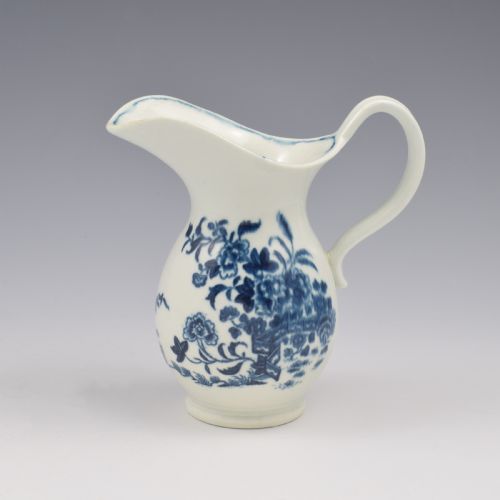
An English ceramic creamer spans forms such as milk jugs, cream boats, and figural cow creamers produced across the eighteenth and nineteenth centuries. These vessels served the daily ritual of adding milk or cream to tea from matching or standalone sets.
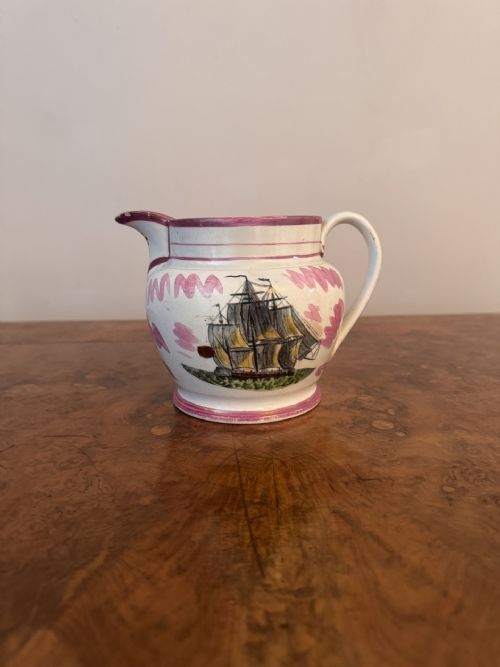
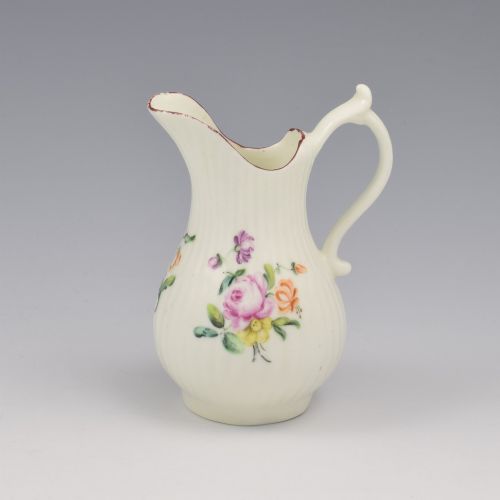
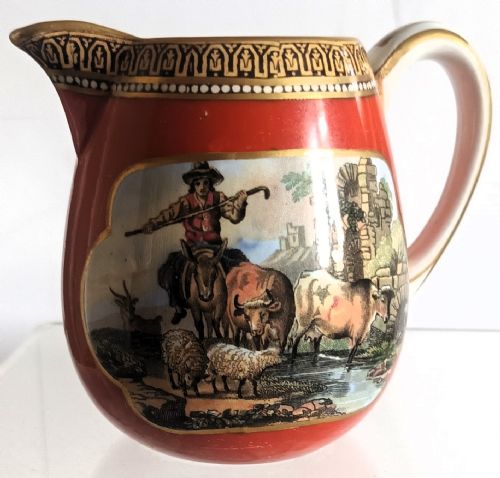
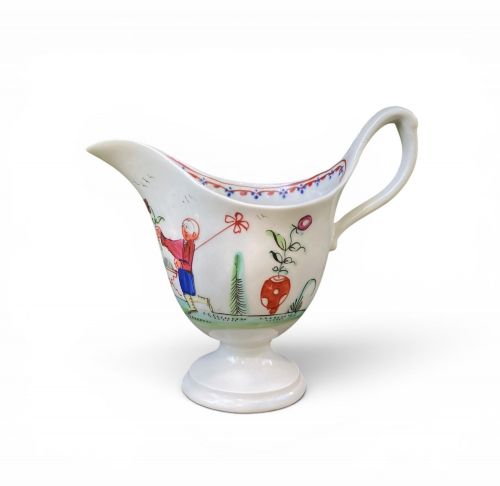
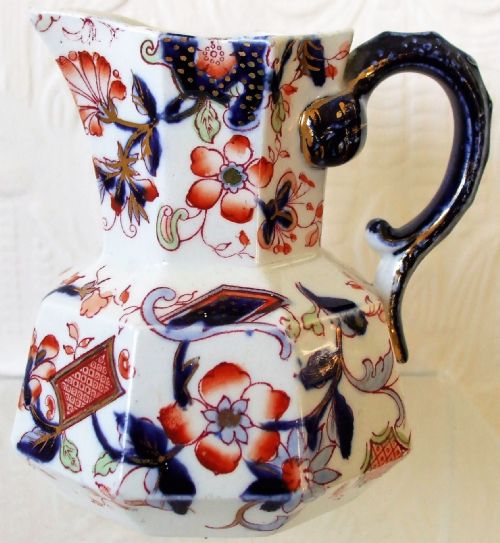
The pieces appearing on this page range from Georgian pearlware and porcelain ewers to Victorian lustreware, earthenware, and stoneware jugs. Miniature creamers and figural animal designs sit alongside classical shapes influenced by rococo and neoclassical styles.
Origins stretch from major factories in Worcester, Derby, and Staffordshire to provincial potteries like Leeds. Buyers encounter everything from armorial crested porcelain to robust earthenware finished with transfer decoration.
Materials and Craft
Potters shaped these vessels using porcelain, bone china, earthenware, pearlware, and stoneware, frequently finishing surfaces with lead or salt glazes. Enamel paints, gilding, and gold leaf added decorative colour to bodies moulded with fluting, ribbing, or figural details.
Materials across these listings span delicate porcelain, earthenware, stoneware, and ironstone enhanced with gilding and enamel.
Assessing the Range
Finer examples distinguish themselves through the crispness of the moulded relief and the delicacy of the porcelain body, contrasting with heavier earthenware used for utilitarian kitchen service. Hand-painted armorial crests or delicate floral panels indicate higher workshop investment than standard transfer-printed wares.
The precision of the gilding and the clarity of the enamel colours separate standard production pieces from exhibition-quality works. Early porcelain ewers display thinner walls and more intricate spouts compared to later Victorian utilitarian jugs.
Dr Wall Worcester·New Hall·Royal Worcester·Wedgwood·Masons
The English Ceramic Creamer Glossary
- Pearlware
- A refined earthenware developed by Josiah Wedgwood featuring a faint blueish glaze that pooled in crevices. It bridged the gap between creamware and later white earthenwares.
- Lustreware
- Pottery treated with a metallic film that produced a copper, silver, or purple iridescent sheen when fired. It enjoyed immense popularity throughout the nineteenth century.
- Armorial
- A ceramic decorated with a family coat of arms or crest, usually commissioned specially by landed gentry or wealthy merchants.
- Ewer
- A jug with a wide-spouted mouth and a large curved handle, modelled after classical water vessels. They often featured in early porcelain tea services.
- Kakiemon
- A Japanese enamel style characterised by asymmetrical floral and animal motifs, widely copied by English factories such as Worcester and Minton.
English Ceramic Creamer: Frequently Asked Questions
How do I use an antique creamer today?
These small jugs function perfectly for serving cream or milk at the breakfast table or during afternoon tea. Their compact size also makes them suitable for holding short-stemmed seasonal flowers.
Hand washing remains essential to preserve fragile eighteenth-century porcelain bodies and delicate nineteenth-century gilding. Avoid placing them in dishwashers or using abrasive cleaning materials.
Were all creamers part of tea sets?
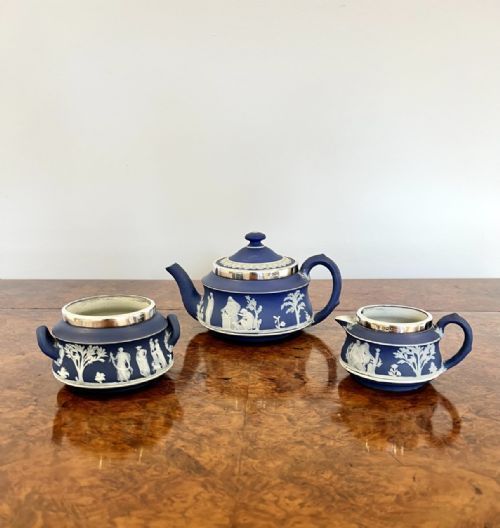
Many cream jugs formed part of larger matched tea sets that included teapots, cups, saucers, and slop bowls. Wealthy households often purchased these matching services for formal drawing-room entertaining.
Other creamers were produced as standalone cabinet pieces or novelty items, such as the figural cow creamers popular in Staffordshire. These individual items served specific functions or acted as decorative table ornaments.
How do I tell eighteenth and nineteenth century creamers apart?
Eighteenth-century pieces frequently utilise soft-paste porcelain, delicate ribbing, and hand-painted blue and white or polychrome enamel decoration. Shapes like the low Chelsea ewer or dolphin-handled boat typify this earlier era.
Nineteenth-century examples often embrace bolder earthenware bodies, transfer printing, and robust Victorian revivals. Ironstone, stoneware, and copper lustre finishes become much more common after the year eighteen hundred.
What is a cow creamer?
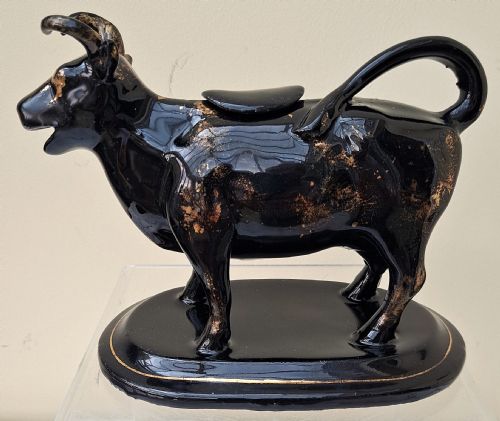
A cow creamer is a hollow ceramic vessel shaped like a cow, often accompanied by a milkmaid figure on a flat base. Cream is poured through an opening on the cow's back and dispensed via the animal's mouth.
These whimsical figural pieces originated in the eighteenth century and remained popular through the Victorian era in Staffordshire potteries. They combined practical table service with amusing folk art character.